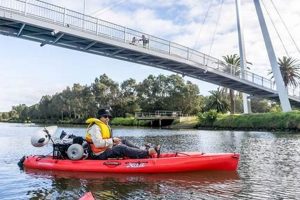
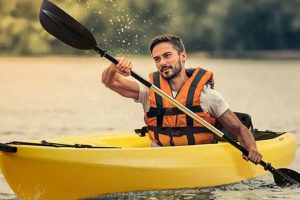
This activity involves angling from a small, human-powered watercraft in the waters surrounding New Zealand. It offers a unique blend of outdoor recreation, connecting participants directly with the natural environment while pursuing various fish species. This method allows access to shallow waters and secluded areas often unreachable by larger vessels, providing a distinct angling experience.
The combination of accessible waterways and diverse fish populations makes this pursuit a popular recreational activity. It offers physical exercise, promotes appreciation for the natural environment, and provides opportunities for solitude or social interaction. Historically, small boats have been used for fishing in the region, but the modern iteration, with specialized kayaks and equipment, has gained significant popularity in recent decades due to increased accessibility and affordability.
Further exploration of this topic will cover aspects such as suitable locations, target species, necessary equipment, safety considerations, and relevant regulations. This information aims to provide a complete understanding of the subject and its significance in New Zealand’s recreational landscape.
Tips for Kayak Angling in New Zealand
Careful planning and preparation are crucial for a safe and successful experience. These tips offer guidance for anglers of all skill levels.
Tip 1: Check Weather Conditions: Prior to departure, consult marine forecasts and be aware of potential changes. Wind, tides, and swell can significantly impact safety and fishing conditions.
Tip 2: Choose Appropriate Gear: Select a kayak designed for stability and fishing, equipped with essential safety features like a life jacket, paddle leash, and bilge pump. Fishing gear should be appropriate for target species.
Tip 3: Plan a Float Plan: Inform someone of the intended fishing location, estimated return time, and emergency contacts. This ensures assistance can be provided if needed.
Tip 4: Be Aware of Regulations: Familiarize oneself with fishing regulations, including licensing requirements, size and bag limits, and any restricted areas. Compliance protects fish stocks and ensures sustainable fishing practices.
Tip 5: Practice Kayak Handling: Develop proficiency in paddling and maneuvering the kayak, especially in various wind and water conditions. Practice self-rescue techniques before venturing into open water.
Tip 6: Respect the Environment: Minimize environmental impact by properly disposing of waste, avoiding disturbing wildlife, and adhering to responsible anchoring practices. Preserve the natural beauty for future generations.
Tip 7: Be Prepared for Changing Conditions: Pack extra layers of clothing, sunscreen, and hydration. Weather can change rapidly, and preparation ensures comfort and safety.
By adhering to these guidelines, anglers can maximize their chances of a rewarding and safe experience while contributing to the preservation of New Zealand’s aquatic environments.
These preparatory steps contribute significantly to a positive and productive outing on the water.
1. Location Selection

Strategic location selection is paramount for successful kayak fishing in New Zealand. The diverse coastline presents a range of environments, each offering unique opportunities and challenges. Careful consideration of factors like target species, water conditions, and accessibility is essential for a productive and safe fishing experience.
- sheltered Bays and Harbors:
These locations offer calmer waters ideal for beginners or when conditions are less favorable. Harbors often hold a variety of species, while bays can provide access to sheltered reefs and structures. Examples include the Bay of Islands and Akaroa Harbour. The calmer conditions facilitate easier kayak maneuvering and enhance fishing accuracy.
- Open Coastlines and Exposed Reefs:
Experienced anglers seeking larger pelagic species often venture to open coastlines and exposed reefs. These areas offer the potential for encounters with kingfish, snapper, and other prized fish. Locations like the Northland coast and the Wairarapa coast exemplify these environments. However, these areas require careful assessment of weather and sea conditions due to increased exposure to wind and swell.
- Estuaries and River Mouths:
Estuaries and river mouths represent dynamic ecosystems where freshwater and saltwater converge. These areas attract a variety of species, offering diverse fishing opportunities. Examples include the Firth of Thames and the Kaipara Harbour. Understanding tidal flows and currents is essential for successful fishing in these locations.
- Lakes and Inland Waterways:
New Zealand’s abundant lakes and inland waterways provide opportunities for trout and other freshwater species. Locations like Lake Taupo and the Rotorua lakes are renowned for their trout fishing. Kayaks offer excellent access to these often secluded areas, enhancing fishing prospects.
Ultimately, the optimal location depends on individual angling preferences, skill level, and target species. Thorough research and careful planning contribute significantly to maximizing the potential for a successful and rewarding kayak fishing experience in New Zealand’s diverse waters. Considering these location-specific factors ensures anglers can target their desired species while maintaining safety and adhering to sustainable fishing practices.
2. Target Species

The diverse fish populations in New Zealand waters offer kayak anglers a wide range of target species. The selection of target species significantly influences location choices, equipment requirements, and fishing techniques. Understanding the habits and habitats of desired species is crucial for a successful fishing experience. This knowledge informs decisions regarding bait selection, lure presentation, and fishing locations. For instance, snapper, a popular target, are often found around reefs and structures, requiring heavier tackle and specific bait presentations compared to targeting kahawai in shallower, open water.
Specific examples of target species include snapper, renowned for their fighting ability and table quality; kingfish, a challenging pelagic species sought after by experienced anglers; kahawai, readily accessible inshore species providing exciting sport; and trout, a popular target in freshwater lakes and rivers. Each species presents unique challenges and rewards, enriching the kayak fishing experience. Matching fishing techniques to target species, like using slow-pitch jigs for snapper or trolling lures for kahawai, increases the likelihood of success. Furthermore, understanding the seasonal variations in fish behavior and distribution further refines target strategies.
Effective targeting of specific species enhances the overall kayak fishing experience. This knowledge not only increases catch rates but also promotes sustainable fishing practices by focusing efforts on abundant populations and adhering to size and bag limits. Furthermore, understanding the ecological roles of target species within the marine environment fosters a deeper appreciation for the interconnectedness of the aquatic ecosystem. The pursuit of specific fish species in New Zealand waters provides diverse angling opportunities, encouraging exploration of various locations and the development of specialized techniques.
3. Equipment essentials
Specialized equipment is essential for safe and successful kayak fishing in New Zealand. Appropriate gear enhances both angler safety and fishing effectiveness. The selection of equipment must consider the specific conditions of New Zealand waters, including variable weather patterns, diverse target species, and varied fishing locations. For example, a seaworthy kayak designed for stability in coastal conditions is crucial, differing significantly from the requirements for calm inland lakes. Similarly, rod and reel selection depends on target species, with heavier tackle necessary for larger fish like kingfish compared to lighter setups for trout.
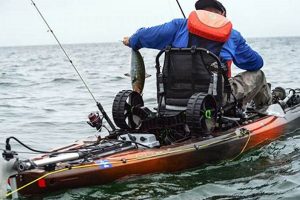
Essential equipment includes a suitable kayak designed for stability and fishing; appropriate rods, reels, and terminal tackle matched to target species; safety gear such as a life jacket, paddle leash, and VHF radio; and navigational aids including a GPS device and charts. Furthermore, specialized equipment like fish finders and drift chutes can enhance fishing success. The choice between a sit-on-top or sit-in kayak, for instance, influences stability and maneuverability in different water conditions. Similarly, selecting appropriate line weight and hook size is crucial for effectively targeting specific species. Practical application of this knowledge ensures anglers are well-prepared for the challenges and opportunities presented by New Zealand’s diverse fishing environments.
Careful consideration of equipment essentials significantly contributes to a positive and productive kayak fishing experience in New Zealand. Appropriate gear enhances safety, improves fishing effectiveness, and allows anglers to adapt to varying conditions. Understanding the function and application of each piece of equipment empowers anglers to make informed decisions tailored to their specific needs and target species. Neglecting essential equipment can compromise safety and limit fishing success, highlighting the practical significance of this understanding within the broader context of kayak fishing in New Zealand. The correct equipment selection allows anglers to confidently explore New Zealand’s diverse waters, maximizing enjoyment and contributing to a safe and sustainable fishing experience.
4. Safety Procedures
Prioritizing safety is paramount in kayak fishing within New Zealand’s diverse waters. The inherent risks associated with open water activities necessitate careful planning and adherence to established safety procedures. Neglecting these precautions can lead to serious incidents, impacting both individual safety and the overall enjoyment of the experience. A comprehensive understanding of safety protocols ensures anglers are well-prepared for the potential challenges posed by changing weather conditions, remote locations, and the dynamic nature of the marine environment.
- Pre-Trip Planning:
Thorough pre-trip planning is fundamental to safe kayak fishing. This includes checking weather forecasts, informing someone of the intended fishing location and estimated return time, and understanding local regulations. Consulting resources like Metservice for marine weather updates and familiarizing oneself with maritime radio channels contribute significantly to risk mitigation. Failing to adequately plan exposes anglers to unpredictable weather changes, potentially leading to dangerous situations. For instance, venturing out without awareness of approaching storms or strong winds can jeopardize safety and necessitate rescue efforts.
- Essential Safety Equipment:
Carrying appropriate safety equipment is crucial for mitigating risks. Essential items include a properly fitted life jacket, a paddle leash to prevent loss in rough conditions, a bilge pump for removing water from the kayak, and communication devices such as a VHF radio or personal locator beacon (PLB). A first-aid kit and signaling devices like flares are also recommended. For example, a life jacket provides crucial buoyancy in the event of capsize, while a VHF radio enables communication with emergency services if needed. Neglecting essential safety equipment compromises the ability to respond effectively to unforeseen circumstances.
- On-Water Practices:
Practicing safe on-water behavior is essential throughout the fishing trip. This includes maintaining awareness of surroundings, avoiding navigation hazards, and adhering to safe paddling techniques. Remaining vigilant for changes in weather conditions and respecting other water users are also critical aspects. For example, understanding tidal currents and wind patterns helps prevent drifting into dangerous areas, while maintaining a safe distance from motorized vessels reduces the risk of collisions. Consistent adherence to safe on-water practices minimizes potential risks and promotes responsible kayak fishing.
- Emergency Procedures:
Understanding and practicing emergency procedures is crucial for effectively responding to unexpected situations. This includes knowing how to perform a self-rescue in the event of capsize, having a plan for contacting emergency services, and being familiar with basic first-aid techniques. Regular practice of self-rescue maneuvers builds confidence and proficiency, increasing the likelihood of a successful recovery in a real emergency. For instance, knowing how to re-enter a kayak after capsize can be life-saving in cold water conditions. Preparation for potential emergencies equips anglers with the skills and knowledge necessary to respond effectively and mitigate potential harm.
These safety procedures are integral to responsible kayak fishing in New Zealand. Implementing these practices minimizes risks and ensures a safe and enjoyable experience. By prioritizing safety, anglers can confidently explore New Zealands diverse waters while mitigating potential hazards and contributing to a culture of responsible recreation within the marine environment. Consistent adherence to these procedures reinforces best practices and promotes sustainable enjoyment of this popular activity.
5. Regulatory Compliance

Adherence to existing regulations is essential for the sustainability and responsible enjoyment of kayak fishing in New Zealand. Regulations govern various aspects of the activity, ensuring the protection of fish stocks, preservation of the marine environment, and the safety of all water users. Understanding and complying with these regulations is not merely a legal obligation but a crucial contribution to the long-term health of New Zealand’s aquatic ecosystems and the continued enjoyment of kayak fishing for future generations. Ignoring these regulations can have significant consequences, including fines, confiscation of equipment, and damage to fragile ecosystems.
- Fishing Licenses and Permits:
Fishing licenses are mandatory for most anglers in New Zealand, including those fishing from kayaks. Different license types exist, covering specific areas and durations. Acquiring the correct license before commencing any fishing activity is essential. Information on license types and purchasing options is readily available through the Department of Conservation website and authorized agents. Failure to hold a valid license can result in penalties and legal action. Specific permits may also be required for certain species or fishing methods. For example, a separate permit might be necessary for taking shellfish or fishing in designated marine reserves. Understanding these licensing requirements ensures compliance and avoids unintentional violations.
- Size and Bag Limits:
Size and bag limits are in place to manage fish stocks and prevent overfishing. These limits specify the minimum size of fish that can be legally kept and the maximum number of each species an angler can take per day. Adhering to these limits is crucial for maintaining healthy fish populations and ensuring sustainable fishing practices. Regulations regarding size and bag limits are specific to each species and can vary by region. Information on current regulations is available through the Ministry for Primary Industries. Exceeding these limits depletes fish stocks and disrupts the balance of the marine ecosystem, negatively impacting future fishing opportunities.
- Restricted Areas and Methods:
Certain areas may be designated as marine reserves or protected zones where fishing is prohibited or restricted. Specific fishing methods, such as the use of certain types of nets or fishing at night, may also be regulated. Awareness of these restrictions is crucial for avoiding unintentional violations. Information on restricted areas and permitted fishing methods is available through local authorities and the Department of Conservation. Fishing in protected areas disrupts sensitive habitats and can damage fragile ecosystems, impacting biodiversity and long-term conservation efforts.
- Safety Regulations:
Compliance with safety regulations is essential for minimizing risks associated with kayak fishing. These regulations may include requirements for carrying safety equipment, such as life jackets and communication devices, and adhering to navigation rules. Compliance with safety regulations ensures the well-being of anglers and contributes to a safer environment for all water users. For instance, operating a kayak under the influence of alcohol is prohibited and can lead to severe penalties. Adhering to safety regulations minimizes accidents and promotes responsible behavior on the water.
Understanding and adhering to these regulatory frameworks is fundamental to the sustainable practice of kayak fishing in New Zealand. Compliance not only ensures the health of fish stocks and the marine environment but also contributes to the safety and enjoyment of all participants. By respecting these regulations, kayak anglers actively contribute to the preservation of New Zealand’s unique aquatic ecosystems and ensure the continued viability of this popular recreational activity. Responsible engagement with these regulations reflects a commitment to sustainable fishing practices and fosters a culture of respect for the natural environment.
Frequently Asked Questions
This section addresses common inquiries regarding kayak fishing in New Zealand, providing concise and informative responses to facilitate a better understanding of the activity.
Question 1: What are the most common target species for kayak anglers in New Zealand?
Common targets include snapper, kingfish, kahawai, and trout. Species selection often influences location choices and fishing techniques.
Question 2: What type of kayak is best suited for fishing in New Zealand waters?
Kayaks designed for stability and fishing, featuring features like rod holders and storage compartments, are recommended. Sit-on-top kayaks are generally preferred for their stability and self-bailing capabilities.
Question 3: Is a fishing license required for kayak fishing in New Zealand?
A fishing license is generally required. Specific regulations and license types can vary by region and target species. Consulting the Department of Conservation website provides comprehensive information.
Question 4: What safety precautions should one take when kayak fishing in New Zealand?
Essential safety measures include wearing a life jacket, checking weather forecasts before departure, informing someone of the fishing plan, and carrying communication devices.
Question 5: What are the typical costs associated with kayak fishing in New Zealand?
Costs vary depending on equipment choices. Kayak prices range significantly, while fishing gear, licenses, and transportation contribute to overall expenses. Hiring or guided tours offer alternatives to equipment purchase.
Question 6: Where can one find information on local fishing regulations and best practices?
The Department of Conservation and the Ministry for Primary Industries websites offer comprehensive information regarding fishing regulations, best practices, and conservation efforts.
Understanding these aspects contributes significantly to a safe, enjoyable, and sustainable kayak fishing experience. Thorough preparation and responsible angling practices ensure the preservation of New Zealand’s valuable aquatic resources.
Further sections will delve into specific techniques, location recommendations, and advanced considerations for experienced anglers.
Kayak Fishing New Zealand
This exploration of kayak fishing in New Zealand has encompassed various facets, from essential equipment and safety procedures to target species and regulatory compliance. The importance of location selection, informed by species-specific knowledge and prevailing conditions, has been underscored. Furthermore, the discussion emphasized the crucial role of responsible angling practices in ensuring the sustainability of this activity and the preservation of New Zealand’s aquatic ecosystems.
Kayak fishing offers a unique opportunity to connect with New Zealand’s natural environment. Careful planning, informed decision-making, and respect for existing regulations contribute significantly to a positive and sustainable experience. This pursuit provides not only recreational value but also fosters an appreciation for the delicate balance within aquatic ecosystems. Continued engagement with sustainable practices ensures the preservation of these valuable resources for future generations.