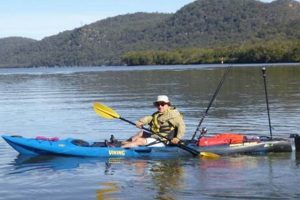
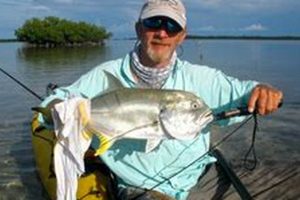
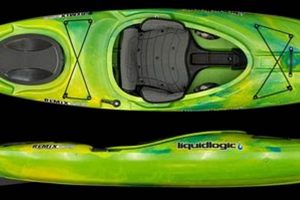
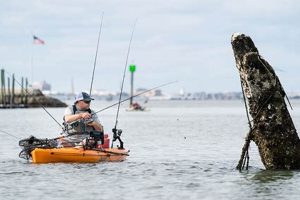
Kayak anglers employ various methods for storing their catch. Options include specialized insulated fish bags, live wells (often integrated or portable), and stringers or coolers secured within the kayak. The chosen approach depends on factors such as the target species, fishing duration, weather conditions, and personal preferences. For example, a live well might be ideal for keeping baitfish alive, while an insulated fish bag is better suited for preserving the quality of caught fish intended for consumption.
Proper fish storage on a kayak is crucial for maintaining the quality of the catch and ensuring food safety, particularly in warmer climates. It also promotes ethical fishing practices by allowing for the release of unwanted or undersized fish in good condition. Historically, kayak anglers relied on simpler methods like stringers, but advancements in kayak design and accessories have expanded options for onboard fish storage, improving both convenience and the quality of the kept catch.
Several factors influence the optimal approach to maintaining a fresh catch while kayak fishing. These considerations include the type and size of the kayak, the specific fishing environment, and the desired outcome for the harvested fish. A deeper exploration of these factors will provide a comprehensive guide for kayak anglers seeking the most effective storage solutions.
Tips for Onboard Fish Storage in Kayaks
Effective fish storage is essential for kayak anglers to preserve the quality of their catch. The following tips offer guidance for selecting and utilizing appropriate storage methods.
Tip 1: Consider the Target Species: Different species have different storage requirements. Robust fish like catfish tolerate stringers well, while delicate fish like trout benefit from cooler or insulated bag storage.
Tip 2: Match Storage to Trip Duration: For short trips, a simple stringer or cooler might suffice. Longer expeditions necessitate insulated storage solutions, possibly with added ice or refrigerant packs.
Tip 3: Prioritize Food Safety: Proper cooling is crucial, especially in warm weather. Insulated containers or live wells help maintain a safe temperature for consumption.
Tip 4: Secure the Storage Properly: Ensure storage containers are securely fastened to the kayak to prevent loss or spillage. Integrated wells provide the most stability.
Tip 5: Choose Appropriate Live Well Size: If using a live well, select a size appropriate for the target species and the anticipated quantity of live bait or catch.
Tip 6: Regularly Refresh Live Well Water: Oxygen levels in live wells can deplete, especially in warm conditions. Periodically refreshing the water ensures fish survival.
Tip 7: Evaluate Kayak Compatibility: Certain kayaks accommodate specific storage systems better than others. Consider kayak design when selecting storage solutions.
Tip 8: Practice Ethical Catch and Release: Employing appropriate storage methods facilitates healthy release of unwanted or undersized fish.
By adhering to these guidelines, anglers can maximize the freshness and quality of their catch while practicing responsible kayak fishing.
Ultimately, the optimal approach to kayak fish storage depends on individual needs and circumstances. Careful planning contributes to a successful and enjoyable fishing experience.
1. Storage Location

Storage location is a critical component of effective fish storage in a kayak. The chosen location directly impacts both accessibility and the security of the catch. An ideal location allows for easy reach while minimizing interference with paddling and other fishing activities. Furthermore, the location must ensure the storage method remains stable and secure, preventing loss or damage to the catch. For instance, storing a cooler in the bow of a kayak might be easily accessible but risks shifting during paddling, while placing it behind the seat offers better stability but potentially reduces accessibility.
Practical considerations regarding storage location involve the type and size of the chosen storage method. Larger, heavier coolers or live wells require placement near the kayak’s center of gravity for optimal balance. Smaller items, like insulated fish bags, offer more flexibility in placement. The kayak’s layout also influences storage location. Sit-on-top kayaks often provide dedicated storage wells or compartments, while sit-inside kayaks require more creative use of available space. Using bungee cords, straps, or specialized kayak accessories can further secure storage in the chosen location, adapting to various hull shapes and storage needs.
Selecting an appropriate storage location within a kayak directly influences the efficiency and success of a fishing trip. A well-chosen location balances accessibility, security, and kayak stability, ensuring the catch remains well-preserved and readily available. Careful evaluation of available space, kayak design, and the specific storage method ultimately dictates the optimal location for maintaining fish quality throughout the fishing excursion.
2. Storage Method

Storage method is paramount when determining where to keep fish in a kayak. The chosen method directly impacts fish preservation, kayak stability, and overall fishing experience. Selecting an appropriate method requires careful consideration of factors such as target species, trip duration, and environmental conditions. Understanding the nuances of each available method is crucial for optimizing both catch quality and angler convenience.
- Coolers
Coolers provide versatile, insulated storage for keeping fish chilled. Sizes vary, accommodating different catch capacities. Adding ice or refrigerant packs extends cooling duration, especially crucial in warm weather. Rigid coolers offer robust protection but can be bulky, while flexible, soft-sided coolers save space. Strategic placement within the kayak is essential for balance and accessibility.
- Live Wells
Live wells maintain fish in a live state, ideal for tournaments or preserving bait. Integrated wells are built into the kayak, while portable versions offer flexibility. Adequate oxygenation is vital for fish survival, achieved through aeration systems or regular water changes. Live well capacity must align with the intended species and quantity.
- Stringers
Stringers, a traditional method, involve threading a cord through the gills of fish, keeping them submerged in the water. This method is suitable for robust species in cooler temperatures but poses risks of fish spoilage in warm conditions or for delicate species. Stringer placement should minimize entanglement with fishing lines or paddling strokes.
- Insulated Fish Bags
Insulated fish bags offer a lightweight, portable solution for maintaining fish freshness. These bags are typically designed to fit within existing kayak storage compartments and can be combined with ice or refrigerant packs. Their flexible nature allows for efficient use of space, particularly in smaller kayaks.
Each storage method presents unique benefits and drawbacks. The optimal choice depends on balancing the preservation needs of the catch with the practical limitations of kayak fishing. Careful selection and proper utilization of the chosen storage method directly contribute to a successful and enjoyable fishing experience. For instance, combining a cooler with insulated fish bags maximizes both cooling capacity and space efficiency, particularly on longer trips with diverse target species.
3. Species Considerations
Species considerations play a crucial role in determining appropriate fish storage methods in a kayak. Physiological differences among fish species necessitate specific storage approaches to maintain quality and ensure ethical handling. Factors such as a fish’s resilience, sensitivity to temperature fluctuations, and oxygen requirements influence the suitability of various storage methods. For example, robust species like catfish can tolerate stringer storage for short periods in cool water, while delicate species like trout require the controlled environment of a cooler or live well to prevent spoilage or stress.
Choosing the correct storage method based on species characteristics directly impacts both fish welfare and the angler’s success. Improper storage can lead to premature mortality in sensitive species, reducing the viability of catch-and-release practices. It can also compromise the quality of fish intended for consumption, accelerating spoilage and diminishing flavor. For instance, storing oily fish like mackerel in a live well without adequate oxygenation can quickly degrade their quality, while keeping delicate flatfish on a stringer exposes them to potential injury and rapid deterioration. Matching storage methods to the specific needs of target species optimizes both conservation efforts and the angler’s overall experience.
Understanding the relationship between species considerations and storage methods is essential for responsible and effective kayak fishing. This knowledge enables anglers to make informed decisions about how to best preserve their catch, ensuring both ethical handling and the highest quality fish for consumption or release. By recognizing the unique requirements of different species, anglers contribute to sustainable fishing practices and maximize their overall enjoyment of the sport.
4. Trip Duration
Trip duration significantly influences fish storage strategies in kayaks. Short excursions permit simpler methods like stringers or small coolers, adequate for limited catches and minimal preservation time. However, longer trips necessitate more sophisticated approaches. Extended time on the water increases the risk of spoilage, demanding larger, well-insulated coolers or live wells with aeration capabilities. For example, a brief afternoon trip might require only a basic stringer for a few panfish, while an overnight kayak fishing expedition necessitates a larger cooler with ice or a dedicated live well to maintain the quality of a larger, more diverse catch.
The interplay between trip duration and storage capacity is crucial. Longer trips often involve higher catch volumes, further emphasizing the importance of adequate storage space. Moreover, extended durations increase the likelihood of encountering varied species, each with specific storage requirements. A multi-day trip might involve catching both robust bottom-dwellers suitable for a stringer and delicate game fish requiring cooler storage. Therefore, planning storage based on trip duration involves anticipating both the quantity and diversity of the potential catch. Failing to account for trip duration can lead to inadequate storage, resulting in spoiled fish, compromised food safety, and an ultimately unsuccessful fishing experience.
Effective planning based on trip duration optimizes fish storage in kayaks. Matching storage methods to the anticipated timeframe ensures catch quality and angler satisfaction. Understanding this connection allows for informed decisions regarding storage capacity, insulation needs, and the feasibility of live storage, contributing significantly to a successful and enjoyable kayak fishing experience. This foresight ultimately distinguishes a well-prepared angler from one facing the consequences of inadequate planning on the water.
5. Kayak Compatibility

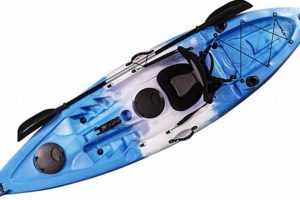
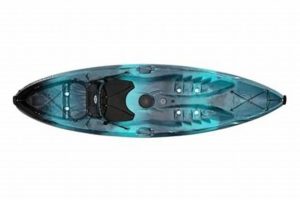
Kayak compatibility is a critical factor influencing effective fish storage. Kayak design, size, and available features directly impact storage options. Sit-on-top kayaks often offer dedicated storage wells or compartments, while sit-inside kayaks require more creative use of limited space. Kayak width and length influence stability, affecting the feasibility of larger, heavier storage solutions like live wells. For instance, a narrow, unstable kayak might restrict anglers to smaller, lighter coolers or insulated bags, while a wider, more stable platform can accommodate larger live wells or multiple storage containers. Compatibility also extends to accessory integration. Some kayaks feature mounting points or tracks designed for specific storage systems, enhancing security and accessibility. Ignoring kayak compatibility can lead to instability, reduced fishing efficiency, and potential damage or loss of catch.
Practical considerations regarding kayak compatibility include weight distribution and balance. Improper placement of heavy coolers or live wells can negatively impact kayak stability, increasing the risk of capsizing. Storage solutions should be integrated in a manner that maintains a balanced center of gravity, especially important in rough water or challenging conditions. Furthermore, storage should not impede paddling or other fishing activities. Bulky or poorly positioned storage can interfere with casting, reeling, or maneuvering the kayak, hindering fishing effectiveness. Anglers should consider how different storage methods interact with their kayak’s specific design, ensuring seamless integration that maximizes both storage capacity and on-the-water performance. For example, a kayak with rear storage wells might accommodate a cooler, freeing up deck space for other essential gear, while a kayak with limited storage might benefit from a compact, under-seat fish bag.
Understanding kayak compatibility is essential for optimizing fish storage and overall fishing success. Careful consideration of kayak design, size, and available features allows anglers to select appropriate storage methods and integrate them effectively. This proactive approach maximizes both catch preservation and on-the-water efficiency, enhancing the overall kayak fishing experience. Failure to address compatibility issues can compromise stability, hinder fishing performance, and ultimately detract from the enjoyment of the sport. Therefore, prioritizing kayak compatibility is a fundamental aspect of responsible and successful kayak angling.
Frequently Asked Questions
Proper fish storage is crucial for maintaining catch quality and ensuring a safe and enjoyable kayak fishing experience. This FAQ section addresses common queries regarding best practices for storing fish on a kayak.
Question 1: What is the best method for keeping fish fresh in a kayak?
The optimal method depends on factors such as trip duration, target species, and ambient temperature. For shorter trips, a stringer or small cooler might suffice. Longer trips, especially in warmer weather, necessitate larger, well-insulated coolers or live wells. Delicate species benefit from the controlled environment of a cooler or live well.
Question 2: How can one prevent fish spoilage in warm weather while kayak fishing?
Adequate insulation and chilling are key. Use a well-insulated cooler with ample ice or refrigerant packs. Consider pre-chilling the cooler before use. For live storage, ensure adequate oxygenation in the live well through aeration or regular water changes.
Question 3: Are live wells suitable for all fish species?
Not all species tolerate confinement in a live well. Some species require more space or specific water conditions than a live well can provide. Research target species’ requirements before utilizing a live well. Overcrowding should always be avoided.
Question 4: How does kayak stability affect storage choices?
Kayak stability is paramount. Larger, heavier storage solutions like large live wells or coolers can impact kayak balance, especially in rough water or narrow kayaks. Distribute weight evenly and consider kayak design and capacity when selecting storage methods.
Question 5: What are the ethical considerations for kayak fish storage?
Ethical considerations include minimizing fish stress and ensuring proper handling for catch-and-release. Avoid overcrowding storage containers. Handle fish gently and minimize air exposure. Employ appropriate storage methods to maximize survival rates for released fish.
Question 6: How can one maximize storage space in a small kayak?
Strategic placement and efficient storage solutions are key. Utilize flexible, soft-sided coolers or insulated fish bags that conform to available space. Consider under-seat storage or specialized kayak accessories designed for maximizing limited storage areas. Prioritize essential gear and minimize unnecessary items.
Careful planning regarding fish storage contributes significantly to a successful and enjoyable kayak fishing experience. Selecting appropriate methods based on species, trip duration, and kayak compatibility ensures both catch quality and angler safety.
Additional resources and detailed information on kayak fishing best practices can be found through local fishing regulations and reputable angling organizations.
Where to Keep Fish in Kayak
Effective fish storage in a kayak necessitates careful consideration of several interconnected factors. Selecting appropriate storage methods depends on variables such as target species, trip duration, environmental conditions, and kayak compatibility. Optimizing storage location within the kayak balances accessibility, security, and vessel stability. Understanding the nuances of various storage methods, from traditional stringers to modern live wells and insulated solutions, empowers anglers to make informed decisions based on their specific needs and circumstances. Prioritizing ethical handling practices and species-specific requirements ensures both fish welfare and the preservation of catch quality.
Successful kayak angling hinges on a comprehensive understanding of fish storage best practices. Applying the insights outlined herein enables anglers to maximize both the enjoyment and ethical implications of their fishing experience. Continued exploration of innovative storage solutions and adherence to responsible fishing guidelines will contribute to the long-term sustainability of this rewarding pursuit.