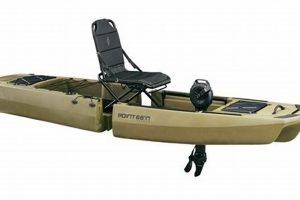
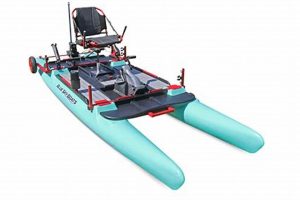
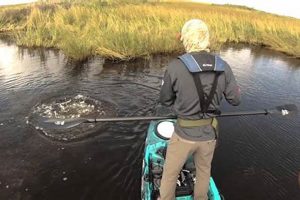
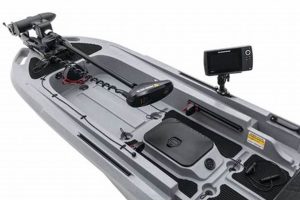
Small, human-powered vessels designed for angling in freshwater environments offer a unique blend of mobility and stability. These craft often feature specialized storage for tackle and equipment, along with design elements that enhance stability and maneuverability in calm or flowing waters. Anglers employ them to access shallow areas, navigate tight waterways, and approach fish discreetly.
This specialized approach to angling provides distinct advantages. It allows for precise positioning in diverse aquatic habitats, presenting opportunities to target specific species and explore otherwise inaccessible fishing grounds. The low profile and quiet operation minimize disturbance to fish, enhancing angling success. Furthermore, this method promotes a direct connection with nature and offers a physically engaging recreational experience.
The following sections will delve into various aspects of freshwater kayak angling, including selecting the appropriate vessel, essential safety precautions, effective fishing techniques, and responsible environmental practices.
Tips for Freshwater Kayak Angling
Successful angling from a kayak requires careful planning and execution. These tips offer guidance for a safe and productive experience.
Tip 1: Stability is Paramount: Select a kayak design appropriate for the intended body of water. Wider, flatter hulls offer greater stability in calm lakes, while longer, narrower kayaks track better in rivers. Consider weight capacity, including angler, gear, and potential catch.
Tip 2: Safety First: Always wear a personal flotation device (PFD). Carry a whistle, signaling device, and communication tools. Check weather conditions and water levels before embarking. Inform someone of the intended fishing location and estimated return time.
Tip 3: Efficient Gear Storage: Organize tackle and equipment for easy access. Utilize waterproof storage compartments and secure loose items to prevent loss or interference with paddling.
Tip 4: Mastering Kayak Control: Practice paddling techniques and maneuvering in calm water before venturing into rivers or challenging conditions. Learn how to position the kayak effectively for casting and retrieving.
Tip 5: Respect Wildlife and Habitats: Observe local fishing regulations and practice catch-and-release principles whenever possible. Avoid disturbing nesting areas or sensitive habitats. Pack out all trash and minimize environmental impact.
Tip 6: Adapting to Conditions: River currents, wind, and changing weather can impact kayak control and fishing success. Adjust techniques and strategies accordingly, prioritizing safety and adapting to the prevailing environment.
Tip 7: Effective Anchor Positioning: Learn how to deploy an anchor effectively in both lakes and rivers to maintain position and control drift. Consider anchor types suitable for various bottom compositions.
Adhering to these guidelines will contribute significantly to a safe, enjoyable, and productive freshwater kayak fishing experience.
By understanding the nuances of kayak angling, anglers can maximize their enjoyment of this rewarding pursuit while ensuring their safety and preserving the natural environment.
1. Stable Kayak Platform
A stable kayak platform is fundamental to successful lakes and rivers fishing. Stability directly influences casting accuracy, hook sets, and the ability to land fish effectively. A stable platform also enhances safety, mitigating the risk of capsizing, especially when dealing with currents, wind, or the movements of a hooked fish. Kayak design features such as hull width, shape, and center of gravity contribute significantly to stability. For example, a wider, flatter hull offers greater initial stability, beneficial for calm lakes, while a longer, narrower hull with a pronounced keel provides secondary stability, advantageous in moving water.
Different fishing techniques require varying degrees of stability. Still fishing or trolling may necessitate less stability compared to sight casting or fly fishing, where frequent movements and weight shifts occur. Furthermore, the angler’s body weight, gear, and potential catch also influence overall stability. Proper weight distribution within the kayak is crucial. Understanding the relationship between kayak design, fishing technique, and individual factors allows anglers to select and outfit their vessels for optimal performance and safety. For instance, an angler targeting large fish in a river would prioritize a kayak with high initial and secondary stability to manage the fish’s power and the dynamic river environment.
Selecting a kayak with appropriate stability characteristics is paramount for a safe and productive fishing experience. This choice must consider the intended fishing environment (lakes or rivers), target species, and the angler’s individual needs and abilities. Prioritizing stability not only enhances fishing success but also mitigates risks associated with unstable platforms in dynamic aquatic environments, ultimately contributing to a more enjoyable and secure angling experience.
2. Essential Safety Gear

Safety gear is paramount in lakes and rivers fishing kayak excursions. The inherent risks associated with aquatic environments, coupled with the specialized nature of kayak fishing, necessitate specific safety precautions. A personal flotation device (PFD) is non-negotiable. PFDs provide buoyancy and can prevent drowning in the event of capsizing or accidental immersion. Selecting a comfortable, well-fitting PFD designed for paddling is crucial. A whistle serves as an essential signaling device in emergencies, enabling communication with others on the water or shoreline. A waterproof pouch or container for a mobile phone facilitates communication and access to emergency services if needed.
Additional safety measures enhance preparedness. A first-aid kit equipped to address common fishing-related injuries, such as hook punctures or minor cuts, is advisable. Carrying a knife or multi-tool can prove invaluable in various situations, from cutting fishing line to addressing entanglement hazards. Navigation tools, such as a map, compass, or GPS device, are particularly important in unfamiliar waters or larger bodies of water. Checking weather forecasts prior to departure and being aware of changing conditions is crucial. Sudden storms or shifts in wind and current can create hazardous conditions quickly. Informing someone of the intended fishing location and expected return time adds an extra layer of safety. For example, if an angler experiences unexpected difficulties or does not return as planned, this information can facilitate a timely response.
Careful consideration of essential safety gear contributes significantly to mitigating risks inherent in lakes and rivers fishing kayak adventures. Appropriate safety equipment, coupled with responsible planning and awareness of potential hazards, allows anglers to focus on the enjoyment of the sport while minimizing the likelihood of incidents. This proactive approach to safety enhances the overall fishing experience, promoting confidence and peace of mind on the water.
3. Efficient Tackle Storage
Efficient tackle storage is crucial for successful lakes and rivers fishing kayak excursions. Limited space and the dynamic nature of kayak angling necessitate organized and readily accessible gear. A well-organized system maximizes fishing time, minimizes clutter, and enhances safety. Improvised or inadequate storage solutions can lead to lost gear, tangled lines, and potential hazards in the confined space of a kayak.
- Accessibility:
Rapid access to essential tackle, such as lures, hooks, and line, is paramount. Frequently used items should be within easy reach, eliminating the need for extensive searching or disruptive movements that could compromise stability. Tackle boxes with readily identifiable compartments or clear lids facilitate quick identification and retrieval. Positioning frequently accessed items in designated areas within the kayak cockpit further streamlines the fishing process, allowing anglers to adapt to changing conditions or fish behavior efficiently.
- Security:
Securing tackle against loss or damage is essential. Waterproof containers or bags protect sensitive items from moisture and splashes. Securing tackle boxes and other equipment within the kayak prevents shifting during movement or unexpected maneuvers. Loose items can create tripping hazards or interfere with paddling and casting. Properly secured gear contributes to both safety and efficiency.
- Space Optimization:
Maximizing limited storage space is key. Utilizing specialized kayak fishing crates or bags designed to fit within designated compartments optimizes storage capacity. Vertical storage solutions, such as rod holders or tackle racks, utilize otherwise unused space. Careful consideration of tackle selection and minimizing unnecessary items further streamlines storage and reduces clutter.
- Customization:
Adapting tackle storage to individual fishing styles and target species enhances efficiency. Customizable tackle boxes allow anglers to tailor compartments and dividers to specific needs. Specialized storage solutions for specific techniques, such as fly fishing or trolling, further streamline organization. Regular evaluation and adjustment of tackle storage based on experience and evolving fishing preferences contribute to ongoing improvement in efficiency and organization.
Efficient tackle storage directly contributes to a more productive and enjoyable kayak fishing experience. By prioritizing accessibility, security, space optimization, and customization, anglers can maximize their time on the water, focusing on fishing rather than managing gear. A well-organized system enhances both safety and efficiency, contributing to a more rewarding experience in lakes and rivers environments.
4. Maneuverability Techniques
Effective maneuverability is essential for successful lakes and rivers fishing kayak angling. Precise boat control enables anglers to position themselves strategically for optimal casting, presentation, and fish retrieval. Different water environments demand specific maneuvering techniques. In calm lakes, precise paddling strokes and subtle adjustments maintain position and approach fish discreetly. Rivers introduce currents, obstacles, and changing water levels, requiring more advanced techniques. Eddy turns, ferries, and peel-outs become crucial for navigating complex flows and maintaining control in dynamic conditions. Understanding these techniques enables anglers to exploit river features, access productive fishing zones, and maintain safe passage.
Specific fishing scenarios further underscore the importance of maneuverability. Sight fishing requires precise boat control to approach wary fish without spooking them. Presenting lures or flies effectively often necessitates subtle adjustments in kayak position to achieve optimal drift or retrieve angles. Landing larger fish requires skillful maneuvering to control the kayak’s stability and manage the fish’s movements. For instance, in a river, an angler might use an eddy turn to position the kayak upstream of a target area, allowing a natural drift into the prime fishing zone. Similarly, a peel-out maneuver facilitates a quick exit from a shallow area or avoids a potential obstacle downstream.
Mastering maneuverability techniques significantly enhances fishing success and safety. Proficient kayak control allows anglers to navigate diverse water environments, access productive fishing areas, and respond effectively to changing conditions. This skill set not only improves fishing outcomes but also contributes to a safer experience by enabling anglers to avoid hazards and maintain control in challenging situations. Dedicated practice and understanding the interplay between paddling techniques, water dynamics, and fishing strategies are essential for developing proficient kayak maneuvering skills.
5. Environmental Responsibility

Environmental responsibility is integral to sustainable lakes and rivers fishing kayak practices. Minimizing impact on these fragile ecosystems ensures their health and preserves the quality of the angling experience for future generations. Responsible kayak anglers recognize their role as stewards of these environments and adopt practices that prioritize conservation and minimize disturbance.
- Leave No Trace Principles
Adhering to Leave No Trace principles minimizes human impact on natural environments. These principles encompass packing out all trash, minimizing campfire impacts, respecting wildlife, leaving what is found, traveling and camping on durable surfaces, and being considerate of other visitors. In the context of kayak fishing, this translates to retrieving lost tackle, avoiding disturbing vegetation or wildlife nesting areas, and properly disposing of fishing line and other waste. For example, discarded fishing line poses a significant entanglement hazard to birds and other aquatic life. Responsible anglers carry a small container or pouch specifically for collecting discarded line and other debris encountered during their fishing trips. Disposing of this waste properly ensures the preservation of the natural environment.
- Catch-and-Release Practices
Catch-and-release fishing promotes healthy fish populations and preserves the angling experience for others. Proper handling techniques minimize stress on fish, increasing their chances of survival after release. Using appropriate hooks, minimizing handling time, and keeping fish in the water as much as possible reduce injury and stress. Furthermore, understanding fish-specific handling guidelines, such as supporting larger fish horizontally, prevents internal injuries. For example, catch-and-release practices are particularly important for sensitive species or in areas with stressed fish populations. By prioritizing conservation, anglers contribute to the long-term health and sustainability of the fishery.
- Respect for Aquatic Habitats
Kayaks provide access to shallow, sensitive areas, increasing the importance of responsible navigation. Avoiding shallow-water areas during spawning periods minimizes disturbance to fish reproduction. Refraining from anchoring in sensitive habitats, such as seagrass beds or coral reefs (in saltwater environments), prevents damage to these vital ecosystems. Furthermore, minimizing noise and abrupt movements reduces stress on wildlife and maintains the natural integrity of the environment. For example, paddling quietly and avoiding sudden movements near bird nesting areas minimizes disturbance to these sensitive species.
- Water Quality Awareness
Responsible kayak anglers recognize the importance of clean water for healthy aquatic ecosystems. Avoiding the use of harmful chemicals or pollutants, such as non-biodegradable soaps or sunscreen, prevents contamination of waterways. Proper disposal of human waste and wastewater minimizes negative impacts on water quality. For example, using eco-friendly cleaning products and disposing of waste properly helps maintain water quality and supports healthy aquatic life.
By incorporating these principles into their fishing practices, kayak anglers contribute significantly to the preservation of lakes and rivers ecosystems. Environmental responsibility ensures the long-term health and sustainability of these valuable resources, allowing future generations to enjoy the rewards of kayak fishing in thriving natural environments. This stewardship ethic enhances not only the angling experience but also the overall ecological health of these vital aquatic ecosystems.
Frequently Asked Questions
This section addresses common inquiries regarding lakes and rivers fishing kayak experiences, offering concise and informative responses.
Question 1: What type of kayak is best suited for fishing in lakes and rivers?
Kayak selection depends on individual needs and the specific environment. Sit-on-top kayaks offer stability and ease of entry/exit, beneficial for calmer waters. Sit-inside kayaks provide greater protection from the elements and enhanced paddling efficiency, advantageous in moving water or colder conditions. Specialized fishing kayaks often feature integrated rod holders, storage compartments, and other angler-specific features. Hull design influences stability and maneuverability. Wider, flatter hulls offer greater initial stability in calm lakes, while longer, narrower hulls track better in rivers.
Question 2: What essential safety precautions should be taken when kayak fishing?
Wearing a personal flotation device (PFD) is paramount. Informing someone of the fishing location and expected return time enhances safety. Checking weather conditions before departure and being aware of changing conditions during the outing is crucial. Carrying a whistle, signaling device, and communication tools facilitates emergency communication. Understanding basic paddling and self-rescue techniques enhances preparedness.
Question 3: How can tackle and gear be organized efficiently in a fishing kayak?
Utilizing waterproof storage compartments, tackle boxes with designated compartments, and specialized kayak fishing crates or bags maximizes space and organization. Securing loose items prevents shifting during movement. Prioritizing readily accessible storage for frequently used items enhances efficiency. Customizing storage solutions to individual fishing styles and target species optimizes functionality.
Question 4: What techniques improve kayak maneuverability in different water conditions?
Practicing efficient paddling strokes enhances control and reduces fatigue. In rivers, understanding techniques such as eddy turns, ferries, and peel-outs enables navigation in currents and around obstacles. Adjusting paddling techniques based on wind and water conditions optimizes kayak control. Regular practice in various conditions improves maneuverability and responsiveness.
Question 5: How can anglers minimize their environmental impact while kayak fishing?
Adhering to Leave No Trace principles, such as packing out all trash and minimizing disturbance to vegetation and wildlife, is crucial. Practicing catch-and-release fishing with proper handling techniques promotes healthy fish populations. Avoiding sensitive habitats, such as spawning areas, minimizes disruption to aquatic ecosystems. Using eco-friendly products and disposing of waste responsibly protects water quality.
Question 6: What are the advantages of using a kayak for fishing compared to other methods?
Kayaks offer access to shallow or otherwise inaccessible areas, expanding fishing opportunities. Their quiet operation minimizes disturbance to fish, enhancing angling success. Kayak fishing provides a close connection with nature and offers a physically engaging recreational experience. Compared to larger motorized boats, kayaks are more affordable and environmentally friendly, requiring less maintenance and fuel.
Understanding these key aspects of lakes and rivers fishing kayak experiences enhances angler preparedness, safety, and enjoyment. Prioritizing safety, environmental responsibility, and efficient techniques contributes to a more rewarding and sustainable angling experience.
The next section will explore advanced techniques for [mention next section topic, e.g., specific fishing techniques or species targeting].
Conclusion
Exploration of freshwater kayak angling reveals significant advantages and considerations. Vessel stability, influenced by design and individual factors, directly impacts both fishing success and safety. Essential safety gear, including PFDs, signaling devices, and communication tools, mitigates inherent risks. Efficient tackle organization maximizes fishing time and minimizes clutter within the limited space of a kayak. Maneuverability techniques, adapted to specific water conditions and fishing scenarios, enhance boat control and access to productive fishing zones. Environmental stewardship, encompassing Leave No Trace principles and responsible catch-and-release practices, ensures the sustainability of this recreational pursuit.
Freshwater kayak angling offers a unique blend of challenge, reward, and connection with nature. A comprehensive understanding of equipment, techniques, and environmental considerations allows anglers to maximize their experience while preserving the integrity of these valuable aquatic ecosystems. Continued learning, adaptation, and a commitment to responsible practices will ensure the enduring enjoyment and sustainability of freshwater kayak angling for generations to come.