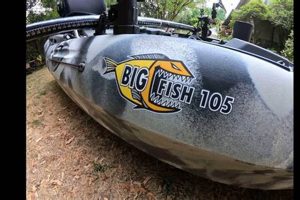
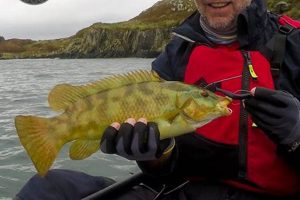
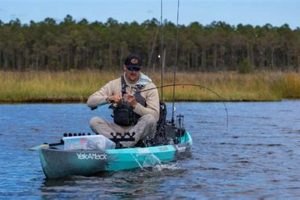
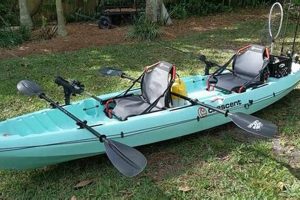
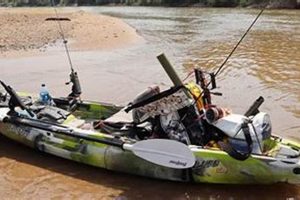
This pursuit involves angling for snakehead fish from a kayak. It typically takes place in shallow, weedy freshwater environments such as rivers, lakes, and ponds, where these fish are known to thrive. A variety of fishing techniques can be employed, including using live bait, artificial lures, or topwater frogs to attract these aggressive predators.
The accessibility of kayaks allows anglers to reach areas often inaccessible by larger boats, increasing the chances of encountering snakeheads. This method offers a unique sporting challenge due to the fish’s powerful fighting ability and the angler’s need for balance and maneuverability within a smaller vessel. Furthermore, it can contribute to managing snakehead populations, which, in some regions, are considered invasive and pose a threat to native ecosystems. This activity also promotes outdoor recreation and provides economic benefits to related industries.
The following sections will explore various aspects of this activity in more detail, including effective techniques, necessary equipment, recommended locations, and the importance of ethical fishing practices for conservation.
Tips for Successful Outings
Effective preparation and strategic execution are crucial for successful snakehead fishing from a kayak. The following tips offer guidance for increasing the likelihood of a productive and enjoyable experience.
Tip 1: Research Suitable Locations: Identifying areas with known snakehead populations is paramount. Consult local fishing reports, online forums, and state wildlife agencies for information on access points and regulations.
Tip 2: Utilize Appropriate Gear: Medium-heavy to heavy-action rods and reels spooled with braided line are recommended for handling these powerful fish. Select lures and baits that mimic the snakehead’s prey, such as frogs, minnows, or other small fish.
Tip 3: Employ Stealth Tactics: Approach fishing spots quietly and minimize disturbances. Snakeheads are easily spooked, and excessive noise or movement can deter them from striking.
Tip 4: Focus on Shallow, Weedy Areas: Snakeheads prefer ambush points in shallow water with dense vegetation. Target these areas with weedless lures or topwater frogs to avoid snags.
Tip 5: Practice Proper Hook Setting: Snakeheads have bony mouths, requiring a strong hookset. Set the hook firmly and maintain tension throughout the fight.
Tip 6: Handle with Care: Snakeheads possess sharp teeth and can deliver a painful bite. Use pliers or lip grippers for safe handling and removal of hooks.
Tip 7: Adhere to Regulations: Familiarize oneself with all local fishing regulations, including licensing requirements, size limits, and catch limits. Practice catch and release responsibly if conservation is a priority.
By adhering to these guidelines, anglers can enhance their chances of a successful and rewarding experience while promoting responsible fishing practices.
With these tips in mind, the final section will offer a concluding perspective on the unique challenges and rewards inherent in this pursuit.
1. Stealth

Stealth plays a crucial role in kayak snakehead fishing due to the wary nature of the target species. These ambush predators are easily alerted by disturbances, making a quiet and unobtrusive approach essential for success. A stealthy approach maximizes opportunities for close-range presentations and increases the likelihood of enticing a strike.
- Minimizing Kayak Movement
Excessive paddling or sudden shifts in weight can create vibrations and surface disturbances that spook snakeheads. Smooth, deliberate paddle strokes and maintaining a low center of gravity are crucial. Drifting silently with the wind or current can prove highly effective. For example, approaching a weedy patch with minimal paddling and allowing the kayak to drift naturally into position increases the chances of an undetected presentation.
- Reducing Noise
Unnecessary noises from gear shifting, tackle clatter, or even conversations can alert fish. Organizing tackle beforehand and minimizing movement within the kayak helps maintain a quiet environment. For instance, securing loose items and using soft-sided tackle bags prevents disruptive sounds. Avoiding splashing or dropping objects into the water further enhances stealth.
- Camouflage and Concealment
Blending in with the surrounding environment reduces visibility and helps anglers approach snakeheads undetected. Earth-toned clothing and kayaks that match the surrounding vegetation or water color offer an advantage. Positioning the kayak amongst reeds or other natural cover provides additional concealment. This allows for closer proximity to fish without triggering their flight response.
- Observation and Approach
Carefully observing the water for signs of snakehead activity, such as surface disturbances or subtle movements in vegetation, allows anglers to pinpoint their location and plan a stealthy approach. Avoiding direct lines of sight and utilizing available cover maximizes the chances of remaining unseen. Using polarized sunglasses helps cut through glare and improve underwater visibility, aiding in spotting fish and navigating shallow areas without disturbing the water.
By incorporating these stealth tactics, anglers significantly improve their chances of success in kayak snakehead fishing. A quiet and unobtrusive approach allows for closer proximity to fish, increasing opportunities for accurate casts and enticing strikes. The combination of minimizing movement, reducing noise, utilizing camouflage, and employing careful observation enhances the overall fishing experience and promotes a more ethical and sustainable approach to angling.
2. Equipment
Specialized equipment plays a vital role in successful and enjoyable kayak snakehead fishing. The unique challenges presented by this pursuit necessitate gear choices that enhance both angler performance and fish handling capabilities. Proper equipment selection directly influences casting accuracy, fighting power, and overall safety on the water. For example, a stable kayak designed for maneuverability in shallow water provides a secure platform for casting and fighting fish in tight quarters. A well-balanced rod and reel combination allows for precise lure presentation and effective hooksets against strong, bony-mouthed snakeheads. Furthermore, appropriate safety gear such as a personal flotation device (PFD) and a first-aid kit are essential for mitigating risks associated with fishing in remote locations.
Rods typically range from medium-heavy to heavy action, providing the backbone needed to handle the powerful runs and aggressive fighting style of snakeheads. Reels should be durable and capable of handling braided line, which offers superior strength and abrasion resistance in weedy environments. A selection of lures mimicking the snakehead’s preferred prey, such as frogs, minnows, and swimbaits, increases the likelihood of attracting strikes. Leaders made of heavy fluorocarbon or steel wire are essential to prevent line breakage from the fish’s sharp teeth. Additional equipment, such as landing nets with long handles and fish grips, facilitates safe and efficient handling of landed fish. For instance, a landing net allows for controlled retrieval in the confined space of a kayak, while fish grips provide a secure hold for unhooking and releasing or retaining the catch. A well-organized tackle system within the kayak ensures easy access to necessary gear, further enhancing fishing efficiency.
Appropriate equipment selection directly correlates with angler success and safety in kayak snakehead fishing. Durable and purpose-designed gear enables effective presentation, strong hooksets, and the ability to manage powerful fish in challenging environments. Furthermore, appropriate safety equipment mitigates risks associated with this pursuit, allowing for a more enjoyable and responsible fishing experience. Understanding the specific requirements of this fishing style and selecting equipment accordingly is crucial for maximizing success and ensuring angler safety and well-being.
3. Location
Location plays a critical role in kayak snakehead fishing, directly influencing the likelihood of encountering these elusive predators. Understanding snakehead habitat preferences and identifying productive fishing locations are essential for a successful outing. Strategic location selection involves considering factors such as vegetation density, water depth, temperature, and accessibility from a kayak.
- Shallow Vegetation
Snakeheads favor shallow, vegetated areas that offer both ambush points and protection from larger predators. These areas provide ideal hunting grounds for snakeheads, allowing them to lie in wait and ambush prey. Kayaks offer excellent access to these shallow, weedy environments often inaccessible to larger boats. Prime examples include shallow bays, backwater sloughs, and the edges of lily pad fields. These locations provide the cover and ambush opportunities snakeheads prefer, maximizing the chances of a successful fishing experience.
- Water Depth and Temperature
Water depth and temperature significantly influence snakehead activity and location. They thrive in warmer waters, typically between 75-85F (24-29C). During cooler periods, they seek deeper water or thermal refuges. In the summer months, focusing on shallow areas with adequate vegetation provides the best opportunities. During colder months, targeting deeper pools, drop-offs, or areas with thermal discharge from power plants may prove more fruitful. Understanding these seasonal patterns and adjusting fishing locations accordingly increases the likelihood of finding active fish.
- Accessibility and Kayak Launch Points
Considering access points suitable for kayak launching is crucial. Locations with easy access to the waterline, such as boat ramps, designated kayak launches, or areas with gently sloping banks, facilitate convenient and safe launching. Researching access points in advance and utilizing online maps or satellite imagery can help identify suitable locations. This ensures efficient use of fishing time and minimizes the physical strain of transporting and launching the kayak. Proximity to target fishing areas is also a key consideration when selecting a launch point. Minimizing paddling distance conserves energy and allows for more time focused on fishing rather than travel.
- Water Clarity and Flow
Water clarity and flow rate also influence snakehead behavior and fishing success. While they can tolerate murky water, moderate clarity enhances their ability to ambush prey. Areas with slow to moderate current or still water provide optimal fishing conditions. Fast-flowing currents can make kayak control challenging and reduce fishing efficiency. Likewise, excessively murky water hinders visibility, making it difficult to spot fish or observe their behavior. Therefore, targeting areas with a balance of moderate clarity and manageable current enhances the overall fishing experience.
By carefully considering these location-based factors, anglers can significantly increase their chances of a successful kayak snakehead fishing trip. Understanding snakehead habitat preferences, water conditions, and accessibility allows for strategic planning and targeted fishing efforts. Combining this knowledge with effective fishing techniques and proper equipment enhances the overall experience and promotes responsible angling practices.
4. Technique
Effective angling techniques are essential for success in kayak snakehead fishing. These techniques leverage the kayak’s maneuverability and stealth to target snakeheads in their preferred habitats. Proper technique selection and execution are crucial for enticing strikes and successfully landing these powerful fish. A well-executed technique maximizes the angler’s chances of hooking and landing a snakehead while minimizing the risk of line breakage or losing the fish in heavy cover.
- Topwater Presentations
Topwater lures, such as frogs and buzzbaits, are highly effective for targeting snakeheads in shallow, weedy areas. These lures mimic the movement of natural prey, triggering aggressive strikes. Retrieving topwater lures with a slow, steady retrieve or a walk-the-dog action creates enticing surface disturbances. The explosive strikes characteristic of topwater fishing provide an exciting element to this technique. For instance, casting a frog lure near lily pads or other vegetation and retrieving it with short twitches and pauses can elicit a dramatic surface strike from a lurking snakehead.
- Weedless Lure Presentations
Weedless rigged soft plastic lures, such as swimbaits and creature baits, are essential for fishing in heavy vegetation. These rigs minimize snags, allowing anglers to present lures effectively in dense cover where snakeheads often ambush prey. Retrieving weedless lures with a slow, steady retrieve, punctuated by occasional twitches or pauses, mimics the movement of injured baitfish. This technique allows anglers to target snakeheads in their preferred hiding spots without constantly snagging vegetation. For example, rigging a swimbait with a weedless hook and retrieving it slowly through dense weeds can entice a strike from a concealed snakehead.
- Live Bait Techniques
Live bait, such as minnows or small bluegill, can be highly effective for enticing snakeheads. Presenting live bait near cover or structure, using a slip bobber or free-lining technique, allows for a natural presentation that appeals to these opportunistic predators. The natural movement of live bait can trigger strikes from even the most wary snakeheads. For instance, suspending a live minnow under a bobber near a submerged log or weed bed can attract a hungry snakehead. Alternatively, free-lining a live baitfish along the edge of vegetation can result in an aggressive ambush.
- Sight Fishing
In clear water conditions, sight fishing for snakeheads can be a rewarding experience. Spotting a snakehead and accurately casting a lure or bait in its vicinity requires precise boat control and quick reflexes. This technique allows for targeted presentations and increases the chances of a successful hookup. Sight fishing also provides a unique opportunity to observe snakehead behavior and feeding patterns. For example, spotting a snakehead basking near the surface and accurately presenting a frog lure near its position can trigger an immediate strike. This method demands precise casting accuracy and a thorough understanding of snakehead behavior.
By employing these techniques and adapting them to specific conditions and locations, anglers can significantly improve their chances of success in kayak snakehead fishing. Understanding the nuances of each technique and applying them strategically enhances the overall fishing experience. Mastering these techniques, combined with careful observation and an understanding of snakehead behavior, leads to increased catches and contributes to a more rewarding and informed approach to angling.
5. Conservation

Conservation is an integral aspect of kayak snakehead fishing, particularly due to the invasive nature of snakeheads in certain ecosystems. Responsible angling practices are crucial for minimizing environmental impact and preserving the balance of native fish populations. Understanding the role of conservation in this pursuit ensures the sustainability of the fishery and the health of the aquatic environment. Effective conservation strategies require angler education and cooperation with local regulations and management efforts.
- Invasive Species Management
Snakeheads, being an invasive species in many regions, pose a threat to native fish populations through competition and predation. Kayak anglers can contribute to management efforts by targeting snakeheads and removing them from the ecosystem. Adhering to local regulations regarding catch limits and disposal methods is crucial. For example, some areas require anglers to report or dispose of caught snakeheads to prevent their spread. Active participation in these management programs helps control snakehead populations and mitigate their impact on native biodiversity.
- Catch and Release Practices
Practicing catch and release helps minimize stress on fish populations and promotes healthy ecosystems. Proper handling techniques, such as using wet hands or a landing net and minimizing air exposure, increase the survival rate of released fish. Using barbless hooks facilitates quicker and less damaging hook removal. For example, promptly releasing a caught snakehead after unhooking it efficiently contributes to the overall health and sustainability of the population. This practice allows for continued recreational fishing opportunities while minimizing negative impacts on the fish.
- Habitat Preservation
Protecting and preserving aquatic habitats is essential for maintaining healthy fish populations and overall ecosystem integrity. Avoiding disturbing sensitive vegetation, such as spawning beds or nursery areas, and minimizing bank erosion through careful kayak launching and retrieval practices are crucial. Proper disposal of fishing line and other waste prevents pollution and protects aquatic life. For instance, retrieving discarded fishing line and disposing of it properly helps prevent entanglement of wildlife and maintains the aesthetic quality of the environment. Responsible kayak usage minimizes disturbance to sensitive habitats and contributes to their long-term health.
- Responsible Reporting and Data Collection
Reporting catch data, including size, location, and date of capture, to local wildlife agencies provides valuable information for monitoring snakehead populations and informing management strategies. Participating in citizen science initiatives, such as fish tagging programs, contributes to research efforts and enhances understanding of snakehead behavior and distribution. For example, reporting the capture of a tagged snakehead helps researchers track movement patterns and population dynamics, informing management decisions. Angler participation in these programs provides crucial data for effective conservation efforts.
By integrating these conservation practices into kayak snakehead fishing, anglers contribute to the long-term sustainability of the fishery and the health of the aquatic environment. Responsible angling ensures continued recreational opportunities while minimizing negative impacts on both target and non-target species. Collaboration between anglers, researchers, and management agencies is essential for effective conservation and the preservation of healthy ecosystems.
Frequently Asked Questions
This section addresses common inquiries regarding kayak snakehead fishing, providing concise and informative responses.
Question 1: What is the best time of year for kayak snakehead fishing?
Snakehead activity peaks during warmer months, typically from late spring to early fall. Optimal water temperatures range between 75-85F (24-29C). However, they can be caught year-round in some regions.
Question 2: What are the essential safety precautions for kayak snakehead fishing?
Wearing a personal flotation device (PFD) is paramount. Informing someone of fishing plans and estimated return time is also recommended. Carrying a first-aid kit, including snakebite treatment, is prudent. Checking weather conditions before departure is crucial for ensuring a safe outing. Awareness of potential hazards, such as submerged obstacles and changing weather patterns, is vital.
Question 3: What specific regulations apply to snakehead fishing?
Regulations vary by location. Consulting local wildlife agencies or fishing authorities provides current information on licensing requirements, size limits, catch limits, and permitted fishing methods. Adherence to these regulations is crucial for conservation and responsible angling. Familiarization with local regulations before fishing ensures legal compliance and contributes to sustainable fishing practices.
Question 4: What are effective methods for locating snakeheads from a kayak?
Focusing on shallow, vegetated areas is key. Observing for signs of activity, such as surface disturbances or subtle movements in vegetation, can pinpoint their location. Utilizing polarized sunglasses enhances underwater visibility, aiding in spotting fish and navigating shallow water without disturbing the environment. Understanding snakehead habitat preferences and behavior patterns increases the likelihood of locating them successfully.
Question 5: How does one handle a caught snakehead safely?
Snakeheads possess sharp teeth and should be handled cautiously. Using pliers or lip grippers aids in safe hook removal. Wetting hands before handling minimizes damage to the fish’s protective slime coat. Supporting the fish’s body weight during handling reduces stress. Exercising caution and utilizing appropriate tools ensures both angler safety and the well-being of the fish.
Question 6: What are the primary differences between fishing for snakeheads from a kayak versus a larger boat?
Kayaks provide access to shallow, weedy areas often inaccessible to larger boats, increasing the chances of encountering snakeheads in their preferred habitat. Kayaks offer a stealthier approach, minimizing disturbance and maximizing fishing success. However, larger boats provide greater stability and carrying capacity, allowing for longer trips and more equipment. The choice between a kayak and a larger boat depends on individual preferences, fishing style, and target location characteristics. Consideration of these factors ensures an optimized and enjoyable fishing experience tailored to specific needs and target environments.
Understanding these frequently asked questions equips anglers with essential knowledge for a safe, successful, and responsible kayak snakehead fishing experience.
The subsequent sections will delve into advanced techniques and strategies for maximizing success in this unique pursuit.
Kayak Snakehead Fishing
This exploration has provided a comprehensive overview of kayak snakehead fishing, encompassing key aspects such as stealth techniques, equipment selection, location considerations, effective angling techniques, and the importance of conservation. Emphasis has been placed on understanding snakehead behavior and habitat preferences to maximize angling success while promoting responsible fishing practices. The information presented equips anglers with the knowledge and tools necessary for a rewarding and sustainable pursuit of this unique species.
The future of kayak snakehead fishing relies on a continued commitment to conservation and ethical angling practices. Sustainable management of this species, whether through targeted removal in invasive ranges or responsible catch and release in native habitats, is crucial for preserving healthy ecosystems. Continued research and monitoring efforts are essential for informing management decisions and ensuring the long-term viability of this pursuit. Anglers play a vital role in this process through responsible fishing practices, data collection, and active participation in conservation initiatives. The combination of informed angling practices and ongoing conservation efforts will shape the future of kayak snakehead fishing and contribute to the preservation of aquatic biodiversity.