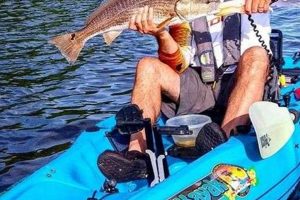
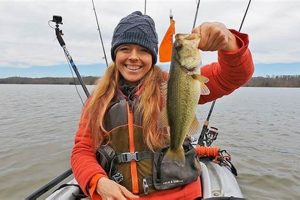
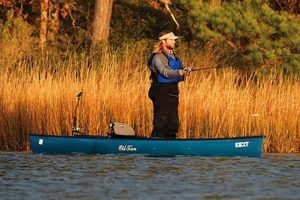
This pursuit involves angling for yellowtail amberjack from a kayak. It presents a unique challenge due to the fish’s size and strength, requiring specialized tackle and techniques. Anglers often employ live bait, lures, or jigs to attract these powerful predators, and the experience is often characterized by exciting battles and the potential for significant reward.
The increasing popularity of this approach stems from the accessibility it offers. Kayaks allow anglers to reach nearshore reefs, kelp forests, and other yellowtail habitats often inaccessible to larger vessels. This intimate interaction with the marine environment, combined with the physical challenge and thrill of landing a powerful fish from a small, self-propelled craft, adds an element of adventure often absent in more conventional fishing methods. Furthermore, the relatively low cost of entry compared to boat ownership makes it an appealing option for many anglers.
Subsequent sections will delve into specific equipment recommendations, effective techniques for locating and hooking yellowtail, safety considerations for offshore kayaking, and responsible fishing practices to ensure the sustainability of this exciting sport.
Tips for Successful Yellowtail Kayak Angling
Proper planning and execution are crucial for a productive and safe yellowtail fishing experience from a kayak. The following tips provide valuable insights to enhance angling success.
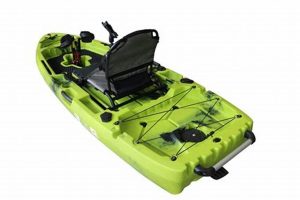
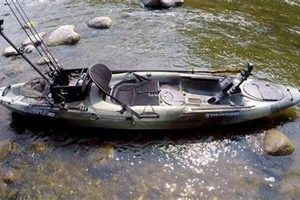
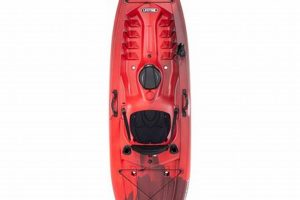
Tip 1: Choose the Right Kayak: A stable, ocean-worthy kayak, ideally designed for fishing, is essential. Consider models with ample storage for gear and a comfortable seat for extended periods on the water.
Tip 2: Utilize Appropriate Tackle: Medium-heavy to heavy spinning or conventional tackle is recommended to handle the strength of yellowtail. Braided line offers increased sensitivity and strength.
Tip 3: Employ Effective Bait and Lures: Live bait such as mackerel or sardines are highly effective. Metal jigs, surface poppers, and diving plugs can also entice strikes.
Tip 4: Understand Yellowtail Behavior: Knowledge of yellowtail feeding patterns and preferred habitats, such as reefs and kelp forests, increases the likelihood of encounters.
Tip 5: Practice Proper Fish Handling Techniques: Use a lip gripper or gaff for safe and efficient landing. Revive exhausted fish before release, if practicing catch and release.
Tip 6: Prioritize Safety: Wear a personal flotation device, carry a VHF radio, and check weather conditions before embarking. Inform someone of your fishing plans and estimated return time.
Tip 7: Respect Local Regulations: Adhere to all fishing regulations, including size and bag limits, to contribute to the sustainability of yellowtail populations.
By implementing these strategies, anglers can significantly improve their chances of a successful and enjoyable yellowtail kayak fishing adventure while promoting responsible angling practices.
These preparatory steps contribute significantly to both the success and safety of offshore kayak angling expeditions.
1. Stable Kayak

Stability forms the foundation of successful yellowtail fishing from a kayak. Yellowtail are powerful fighters, capable of sudden, strong runs and acrobatic leaps. A stable kayak platform allows anglers to effectively manage these challenges without compromising balance or safety. An unstable kayak, conversely, increases the risk of capsizing, particularly during the critical moments of hooking, fighting, and landing a fish. Consider, for example, an angler battling a large yellowtail near a reef. A stable kayak permits controlled maneuvering and reduces the risk of being pulled broadside into the structure by the fish, whereas an unstable platform could easily result in capsize and potential injury in such a scenario.
The importance of stability extends beyond simply staying afloat. A stable kayak provides a secure platform for casting, retrieving, and fighting the fish. It allows the angler to maintain proper posture and leverage, maximizing control over the rod and reel. This translates to more effective hooksets, greater fighting power, and a decreased likelihood of losing the fish. Furthermore, a stable kayak enhances angler comfort, reducing fatigue and promoting focus, particularly during extended battles with large yellowtail. This is especially crucial in challenging offshore conditions, where fatigue can compromise safety.
Selecting a kayak with sufficient stability for yellowtail fishing requires careful consideration of several factors, including kayak design (e.g., sit-on-top versus sit-inside), width, hull shape, and the angler’s weight and experience. Wider kayaks generally offer greater initial stability, while longer, narrower kayaks tend to have better tracking and speed. Ultimately, choosing the right kayak involves balancing stability with other performance characteristics to suit individual needs and fishing conditions. Prioritizing stability, however, remains paramount for safety and effectiveness when targeting powerful gamefish like yellowtail.
2. Strong Tackle

Targeting yellowtail from a kayak necessitates robust tackle capable of withstanding the species’ strength and fighting ability. The strain exerted by a hooked yellowtail, combined with the dynamic environment of offshore kayaking, demands equipment designed for durability and performance. Selecting appropriate tackle directly influences the angler’s ability to successfully hook, fight, and land these powerful fish.
- Rod Selection
A medium-heavy to heavy-power fishing rod provides the backbone necessary for battling yellowtail. The rod’s length influences leverage and casting distance, with shorter rods offering increased control in the confined space of a kayak. A rod constructed from high-quality materials, such as graphite or composite, offers the necessary strength and sensitivity for detecting subtle bites and withstanding the strain of a hooked fish.
- Reel Choice
A saltwater-rated spinning or conventional reel with a smooth, powerful drag system is essential. The reel should possess ample line capacity to handle long runs and offer a high retrieval rate for quickly gaining line. A robust reel construction ensures reliable performance under pressure, minimizing the risk of mechanical failure during crucial moments. Spinning reels offer ease of use and are well-suited for lighter tackle applications, while conventional reels provide greater cranking power for larger fish and heavier line.
- Line Considerations
Braided fishing line, with its high tensile strength and minimal stretch, offers several advantages for yellowtail fishing. Its sensitivity transmits even the slightest nibbles, while its strength allows for confident hooksets and control during the fight. The diameter of the line should be chosen based on the target fish size and the tackle being used. Heavier line offers greater strength but sacrifices casting distance and sensitivity. A fluorocarbon leader provides abrasion resistance and low visibility, increasing the chances of enticing wary yellowtail.
- Terminal Tackle
Strong hooks, swivels, and other terminal tackle components are crucial for withstanding the stress of a hooked yellowtail. Hooks should be sharp and strong enough to penetrate the fish’s bony jaw. High-quality swivels prevent line twist and ensure smooth operation of lures and rigs. The choice of terminal tackle, including weights and leaders, depends on the specific fishing technique employed, such as live bait fishing or jigging.
The combined strength and reliability of these tackle components contribute significantly to angling success when pursuing yellowtail from a kayak. The angler’s ability to effectively manage the fight of a powerful fish in the dynamic environment of a kayak depends heavily on the performance of the chosen tackle. A well-balanced and robust tackle system provides the necessary tools for a successful and enjoyable yellowtail fishing experience.
3. Effective Bait/Lures

Bait and lure selection plays a critical role in successful yellowtail angling from a kayak. These fish exhibit specific feeding preferences influenced by factors such as prey availability, water temperature, and current conditions. Choosing effective offerings increases the probability of attracting and hooking yellowtail, maximizing angling opportunities. Live bait, such as sardines, mackerel, or squid, often proves highly effective due to its natural appeal and lifelike movement. Matching the prevalent local forage is key; if yellowtail are feeding on small anchovies, presenting a large mackerel might prove less effective. Similarly, lures, chosen to mimic the appearance and action of common prey, can trigger aggressive strikes. For instance, metal jigs, worked erratically through the water column, imitate fleeing baitfish, attracting predatory attention. Surface poppers, designed to create splashing and commotion, can draw explosive surface strikes from yellowtail actively hunting near the surface.
The effectiveness of different bait and lure presentations often depends on prevailing conditions. During periods of strong current, heavier jigs or weighted live bait rigs may be necessary to maintain proper depth and presentation. In calmer waters, lighter lures or free-lined live bait can prove more enticing. Understanding these nuances and adapting bait and lure choices accordingly enhances angling success. Consider a scenario where yellowtail are concentrated near the bottom. A sinking jig or a live bait rig presented near the seafloor would likely prove more productive than a surface lure or a shallow-running crankbait. Conversely, when yellowtail are actively feeding on baitfish near the surface, topwater lures can trigger exciting surface strikes.
Adaptability in bait and lure selection is paramount. Experimentation with different offerings allows anglers to identify what yellowtail are actively targeting under specific conditions. Observation of other anglers’ successes and failures can also provide valuable insights. Maintaining a diverse selection of both live bait and lures ensures preparedness for varying situations. Understanding the interplay between environmental factors, prey availability, and yellowtail feeding behavior informs effective bait and lure selection, ultimately increasing the likelihood of a successful kayak fishing experience.
4. Ocean Knowledge

Success in kayak fishing for yellowtail hinges significantly on a comprehensive understanding of the ocean environment. This knowledge encompasses not only the target species’ behavior but also the dynamic nature of the marine ecosystem and its associated safety considerations. Possessing this awareness allows anglers to make informed decisions, enhancing both fishing success and personal safety.
- Tides and Currents
Tidal flows and currents influence yellowtail movement and feeding patterns. Understanding these patterns allows anglers to predict optimal fishing times and locations. For instance, strong currents can concentrate baitfish, attracting yellowtail, while slack tides may create more favorable conditions for presenting lures or bait. Ignoring tidal influences could result in fishing unproductive areas or encountering hazardous conditions.
- Weather Patterns
Weather conditions significantly impact safety and fishing effectiveness. Wind, waves, and fog can create challenging and potentially dangerous situations for kayakers. Checking marine forecasts before embarking and continuously monitoring conditions while on the water are crucial. Sudden changes in weather can necessitate altering fishing plans or seeking sheltered areas. Ignoring weather forecasts could lead to hazardous conditions, jeopardizing angler safety.
- Navigation and Bathymetry
Navigational skills and knowledge of underwater terrain (bathymetry) are essential for locating productive fishing grounds and navigating safely. Understanding how to use charts, GPS, and other navigational tools allows anglers to reach targeted areas efficiently and avoid hazards such as reefs or shallows. Knowing the depth contours and bottom structure helps identify potential yellowtail habitats. Poor navigational skills can lead to disorientation, increasing the risk of getting lost or encountering unforeseen obstacles.
- Yellowtail Behavior
Knowledge of yellowtail behavior, including feeding habits, preferred habitats, and seasonal movements, increases angling success. Understanding that yellowtail often congregate around structure such as reefs, kelp forests, or wrecks allows anglers to focus their efforts in productive areas. Recognizing their feeding patterns, such as their tendency to ambush prey, informs lure and bait selection and presentation techniques. Lack of knowledge about yellowtail behavior reduces the likelihood of encountering and hooking these fish.
Integrating these facets of ocean knowledge significantly contributes to a safe and successful yellowtail kayak fishing experience. By understanding the interplay of tides, currents, weather, navigation, and fish behavior, anglers can make informed decisions, increasing their chances of hooking yellowtail while mitigating risks associated with the offshore environment. This comprehensive approach transforms kayak fishing from a simple pastime into a more rewarding and safer pursuit.
5. Safety Gear

Safety gear constitutes a critical aspect of kayak fishing for yellowtail, especially given the offshore environment. The inherent risks associated with open water necessitate meticulous preparation and a proactive approach to safety. Appropriate safety equipment not only mitigates potential hazards but also provides a critical margin of safety in unforeseen circumstances, allowing anglers to focus on the fishing experience with greater confidence.
- Personal Flotation Device (PFD)
A properly fitted PFD is non-negotiable. It provides essential buoyancy in the event of capsizing, particularly crucial in cold water or challenging sea conditions. Automatic inflatable PFDs offer greater comfort for paddling and fishing but require regular maintenance and inspection to ensure proper function. Consider a situation where a large yellowtail pulls an angler overboard during a spirited fight; a PFD becomes a literal lifesaver.
- Communication Equipment
Maintaining communication capabilities is paramount in offshore environments. A VHF radio allows direct contact with the Coast Guard and other vessels in case of emergencies. Carrying a waterproof cell phone in a protective case provides a secondary communication option. A handheld GPS device or a chartplotter on the kayak aids navigation and can assist rescuers in locating an angler in distress. Imagine a kayak experiencing mechanical issues miles offshore; a VHF radio becomes the essential link to assistance.
- Signaling Devices
Visual and auditory signaling devices enhance visibility and aid in attracting attention in emergency situations. A whistle, air horn, flares, and a signal mirror can prove invaluable in alerting other vessels or rescuers to an angler’s location, especially in conditions of reduced visibility. For instance, if an angler becomes separated from their kayak in fog, a whistle or air horn significantly increases the chances of being located.
- Safety Accessories
Additional safety accessories contribute to overall preparedness. A first-aid kit equipped to handle common fishing-related injuries, such as hook removals and cuts, proves essential. A knife, pliers, and a spare paddle address equipment failures and assist in disentangling lines or handling fish. A bilge pump and sponge help manage water accumulation in the kayak. Carrying extra food and water provides sustenance in case of unexpected delays. These seemingly small items collectively contribute to a more comprehensive safety strategy, addressing a range of potential issues.
The cumulative effect of these safety measures significantly enhances preparedness for the inherent risks of offshore kayak fishing. While focusing on the pursuit of yellowtail provides the excitement, prioritizing safety ensures a responsible and enjoyable experience. Investing in appropriate safety gear and understanding its proper use contributes significantly to mitigating potential hazards and ensuring a safe return from each fishing trip.
6. Fish Handling Skills

Effective fish handling techniques are essential in kayak fishing for yellowtail, contributing significantly to both angler safety and fish conservation. The confined space of a kayak presents unique challenges compared to larger vessels, requiring specialized skills and careful consideration. Proper handling minimizes stress on the fish, reduces the risk of injury to both angler and catch, and promotes healthy releases when practicing catch and release.
- Secure Hook Removal
Efficient and safe hook removal minimizes trauma to the fish. Utilizing appropriate tools, such as pliers or dehookers, facilitates quick and effective hook extraction. In the limited space of a kayak, maintaining control of the fish during this process is paramount. A lip grip can secure the fish’s jaw, providing stability while minimizing handling. This minimizes the risk of the fish thrashing and potentially injuring the angler or damaging the kayak’s equipment. For deeply hooked fish, cutting the line close to the hook may be the best option to minimize stress and expedite release.
- Controlled Fish Handling
Minimizing handling time reduces stress on the fish. Supporting the fish’s body weight, particularly for larger yellowtail, prevents injury. Avoid squeezing the fish’s gills or internal organs. Wet hands or gloves reduce damage to the fish’s protective slime coat, crucial for its health. In the dynamic environment of a kayak, sudden movements or unexpected waves can exacerbate handling challenges, emphasizing the importance of a controlled and deliberate approach.
- Safe Release Practices
Reviving exhausted fish prior to release promotes their survival, particularly crucial for larger yellowtail that expend significant energy during the fight. Holding the fish upright in the water, allowing water to flow over its gills, facilitates recovery. Gently moving the fish back and forth encourages oxygen uptake. Release the fish only when it exhibits sufficient strength to swim away on its own. In the context of kayak fishing, where deep water access is often immediate, revival can be accomplished efficiently alongside the kayak.
- Appropriate Gear Utilization
Specialized tools enhance both handling efficiency and fish safety. A lip grip securely holds the fish’s jaw, allowing control during hook removal and facilitating safe handling of larger specimens. A landing net can aid in bringing the fish aboard the kayak, reducing the risk of injury to both fish and angler. Employing these tools appropriately within the confined space of a kayak necessitates practice and careful planning. For example, strategically placing the net within easy reach prior to landing the fish streamlines the process and minimizes fumbling.
Proficient fish handling skills contribute significantly to successful and ethical yellowtail kayak fishing. Respectful handling ensures the well-being of the catch while minimizing risks to the angler in the unique environment of a kayak. By prioritizing both fish conservation and angler safety, these practices enhance the overall kayak fishing experience and promote sustainable angling.
7. Legal Compliance
Legal compliance forms an integral component of responsible kayak fishing for yellowtail. Regulations governing this activity vary by jurisdiction and encompass aspects such as licensing requirements, size and bag limits, seasonal closures, and permitted fishing areas. Adherence to these regulations ensures the sustainability of yellowtail populations and preserves the integrity of the marine ecosystem. Ignoring these stipulations can lead to penalties, including fines, confiscation of equipment, and suspension of fishing privileges. For instance, exceeding the bag limit for yellowtail, even unintentionally, could result in legal repercussions. Furthermore, fishing in designated protected areas, even if yellowtail are present, violates regulations designed to safeguard critical habitats.
Understanding and complying with license requirements is fundamental. Fishing licenses, often specific to the species and location, grant legal permission to engage in angling activities. Obtaining the correct license before embarking on a kayak fishing trip demonstrates responsible angling practice. Size restrictions ensure that juvenile yellowtail reach maturity and contribute to the breeding population. Adhering to minimum size limits allows younger fish to grow and reproduce, safeguarding future generations. Similarly, bag limits restrict the number of yellowtail an angler can retain per day or trip, preventing overfishing and ensuring equitable access to the resource. Seasonal closures protect yellowtail during spawning periods, allowing for uninterrupted reproduction and contributing to population stability. For example, fishing for yellowtail during a closed season, even if inadvertently, carries legal consequences and undermines conservation efforts.
Legal compliance in kayak fishing for yellowtail extends beyond individual responsibility; it contributes to the collective effort of preserving marine resources for future generations. By adhering to regulations, anglers actively participate in sustainable fishing practices, ensuring the long-term health and viability of yellowtail populations. This commitment to legal compliance fosters a culture of responsible angling, safeguarding the marine environment and preserving the enjoyment of this activity for years to come. Ultimately, understanding and adhering to fishing regulations benefits both the environment and the angling community.
Frequently Asked Questions
This section addresses common inquiries regarding kayak fishing for yellowtail, providing concise and informative responses to facilitate a deeper understanding of this pursuit.
Question 1: What type of kayak is best suited for yellowtail fishing?
A sit-on-top kayak designed for offshore fishing is generally recommended. Key features include stability, ample storage for gear, and a comfortable seat. Longer kayaks often provide better tracking and speed in open water, while wider kayaks enhance stability, particularly during the fight of a powerful fish.
Question 2: What essential safety equipment is required?
Essential safety gear includes a properly fitted personal flotation device (PFD), a VHF radio, signaling devices (whistle, flares, mirror), a first-aid kit, and navigation tools (GPS, chart). Additional safety measures include informing someone of fishing plans and estimated return time.
Question 3: What fishing tackle is most effective for yellowtail?
Medium-heavy to heavy spinning or conventional tackle is typically recommended. Braided line offers increased strength and sensitivity, while a fluorocarbon leader provides abrasion resistance and low visibility. Appropriate hooks, swivels, and weights depend on the chosen fishing method.
Question 4: What are the best baits and lures for attracting yellowtail?
Live bait, such as sardines, mackerel, or squid, is often highly effective. Lures that mimic common prey, including metal jigs, surface poppers, and diving plugs, can also trigger strikes. Bait and lure selection should consider local conditions and yellowtail feeding patterns.
Question 5: Where are yellowtail typically found?
Yellowtail often inhabit nearshore reefs, kelp forests, offshore oil rigs, and areas with strong currents or upwellings. Knowledge of local bathymetry and underwater structures increases the likelihood of locating productive fishing grounds. Consulting local fishing reports and guides can provide valuable insights.
Question 6: What are the legal requirements for yellowtail fishing?
Regulations vary by location and include licensing requirements, size and bag limits, seasonal closures, and permitted fishing areas. Consulting local fisheries management agencies ensures compliance with current regulations and promotes sustainable fishing practices.
Careful consideration of these frequently asked questions enhances preparedness and contributes to a safer and more successful yellowtail kayak fishing experience.
For further detailed information, consult local fishing regulations and experienced kayak anglers.
Kayak Fishing for Yellowtail
This exploration of kayak fishing for yellowtail has highlighted key elements crucial for a successful and safe experience. From the selection of a stable and appropriately equipped kayak to the understanding of ocean dynamics, fish behavior, and effective tackle and bait choices, each aspect contributes significantly to angling success. Furthermore, the emphasis on safety gear, proper fish handling techniques, and adherence to legal regulations underscores the importance of responsible angling practices.
Kayak fishing for yellowtail offers a unique and rewarding challenge, demanding both skill and respect for the marine environment. The pursuit necessitates careful preparation, continuous learning, and a commitment to conservation. By embracing these principles, anglers contribute to the sustainability of this exciting sport, ensuring its enjoyment for generations to come.