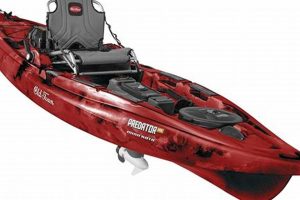
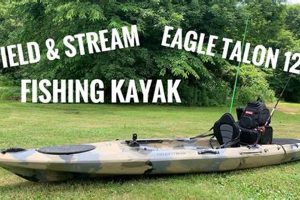
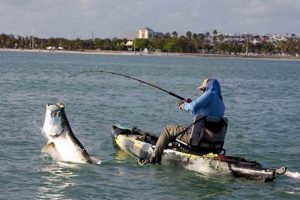
Customizing a fishing kayak involves adding modifications and accessories to improve its functionality, comfort, and fishing effectiveness. This can range from simple additions like rod holders and anchor trolleys to more complex installations such as fish finders, live wells, and electric motors. A well-equipped kayak offers a personalized and efficient fishing platform tailored to individual needs and preferences.
Enhanced fishing kayaks offer several advantages. Improved organization and accessibility of gear contribute to a more streamlined and enjoyable fishing experience. Specialized equipment, such as depth finders and GPS systems, can increase fishing success. Comfort enhancements, like adjustable seating and footrests, allow for longer and more comfortable outings. Historically, kayak fishing has evolved from a basic means of transport to a highly specialized sport, with advancements in kayak design and accessories playing a key role in this transformation.
The following sections will delve into specific customization options, exploring various accessories, installation techniques, and the benefits they offer anglers. Considerations for different fishing styles and environments will also be examined.
Enhancements for Fishing Kayaks
Strategic modifications can significantly improve the functionality and enjoyment derived from a fishing kayak. The following recommendations offer practical guidance for enhancing one’s on-the-water experience.
Tip 1: Prioritize Stability. Outriggers or stabilizers can enhance stability, particularly beneficial in rough waters or when standing to cast. Careful consideration should be given to the kayak’s design and the angler’s fishing style when selecting stabilization options.
Tip 2: Optimize Gear Storage. Rod holders, tackle boxes, and dry storage compartments keep equipment organized and readily accessible. Placement should be ergonomic and minimize interference with paddling and casting.
Tip 3: Integrate Electronics Strategically. Fish finders and GPS units offer valuable data but require careful installation to avoid damage and ensure optimal performance. Consider power sources and transducer placement for optimal results.
Tip 4: Enhance Comfort and Ergonomics. Adjustable seating, footrests, and backrests contribute significantly to comfort, especially during long fishing trips. Proper posture and support minimize fatigue and potential strain.
Tip 5: Consider Propulsion Options. Electric motors or pedal drives can be beneficial for covering larger distances or conserving energy. Evaluate the fishing environment and personal preferences when choosing a propulsion system.
Tip 6: Prioritize Safety Equipment. Essential safety gear includes a personal flotation device (PFD), a whistle, a first-aid kit, and navigation lights. Ensure equipment is readily accessible and in good working condition.
Tip 7: Choose Appropriate Anchoring Systems. Anchor trolleys and stake-out poles allow for precise positioning in various water conditions. Selection should be based on the typical fishing environment and bottom composition.
By carefully considering these enhancements, anglers can create a customized fishing kayak that maximizes efficiency, comfort, and safety on the water. A well-equipped vessel contributes significantly to a more productive and enjoyable fishing experience.
These enhancements allow anglers to personalize their kayaks, optimize their fishing experience, and ensure safety on the water. The final section will summarize key takeaways and offer concluding remarks.
1. Comfort

Comfort plays a crucial role in optimizing a fishing kayak. Extended periods on the water can lead to discomfort and fatigue, hindering performance and enjoyment. Addressing comfort through customization directly impacts the overall fishing experience. A comfortable angler can focus on fishing rather than physical strain, resulting in increased concentration and potentially greater success. For example, an angler experiencing back pain due to poor seating is less likely to maintain optimal casting technique or react quickly to a fish strike.
Several modifications enhance comfort. Ergonomic seating with adjustable backrests and lumbar support promotes proper posture and reduces strain. Adjustable footrests ensure proper leg positioning and weight distribution, further mitigating fatigue. Padding and cushioning in key contact areas, such as the seat and footrests, enhance comfort and minimize pressure points. The cumulative effect of these modifications allows for longer, more enjoyable outings, maximizing time on the water and minimizing physical limitations. An angler fishing in comfort can remain focused and alert, leading to a more rewarding experience.
Investing in comfort enhancements is paramount for maximizing the benefits of a customized fishing kayak. While other modifications improve functionality and performance, comfort directly impacts an angler’s ability to utilize those enhancements effectively. Addressing comfort not only improves the overall experience but also contributes to increased fishing success by allowing anglers to maintain focus and energy throughout their time on the water. Discomfort can lead to shortened trips and decreased enjoyment, effectively negating the benefits of other customizations. Prioritizing comfort ensures that anglers can fully utilize their enhanced kayak and achieve their fishing goals.
2. Storage
Effective storage solutions are integral to a well-equipped fishing kayak. Limited space necessitates careful organization and accessibility of essential gear. A cluttered kayak impedes efficient fishing, hindering access to rods, tackle, and other necessary equipment. Optimal storage solutions maximize available space, ensuring that equipment remains organized, protected, and readily accessible, contributing to a more streamlined and productive fishing experience. For example, a readily accessible landing net is crucial for quickly securing a hooked fish, while a misplaced knife can create a safety hazard. Well-designed storage systems minimize wasted time searching for gear, allowing anglers to focus on fishing.
Various storage options cater to diverse needs and kayak configurations. Built-in compartments offer secure storage for sensitive electronics and valuables. Aftermarket storage solutions, such as tackle boxes, rod holders, and dry bags, provide customizable organization options. Selecting appropriate storage solutions requires careful consideration of the type of fishing pursued, the amount of gear carried, and the kayak’s layout. For instance, a bass angler might prioritize tackle storage, while a fly fisherman might require specialized fly box storage. Adapting storage to specific needs ensures efficient use of limited space and optimizes access to crucial equipment.
Strategic placement of storage further enhances efficiency. Frequently used items should be within easy reach, minimizing movement and disruption. Weight distribution also plays a crucial role in kayak stability and maneuverability. Evenly distributing gear throughout the kayak prevents imbalance, improving tracking and responsiveness. Proper weight distribution contributes to a safer and more efficient paddling experience. Understanding the interplay between storage, accessibility, and weight distribution is essential for maximizing the performance and enjoyment of a fishing kayak.
3. Electronics
Integrating electronics significantly enhances the capabilities of a fishing kayak, transforming it into a sophisticated fishing platform. These technological advancements provide anglers with valuable data and functionalities, improving fishing efficiency and overall experience. Selecting and integrating electronics requires careful consideration of power sources, mounting locations, and compatibility with the kayak’s design.
- Fish Finders
Fish finders utilize sonar technology to locate fish and map underwater structures. Different models offer varying levels of detail and functionality, from basic depth readings to advanced imaging capabilities. Choosing a fish finder depends on the fishing environment, target species, and budget. Proper installation and transducer placement are crucial for accurate readings and optimal performance. A clear understanding of sonar technology and its application in various water conditions enables anglers to interpret data effectively and enhance their fishing strategies. For example, a fish finder can identify thermoclines, areas with significant temperature changes, where fish often congregate.
- GPS and Chartplotters
GPS units and chartplotters provide navigational assistance, crucial for exploring unfamiliar waters and marking productive fishing spots. Integrating GPS technology allows anglers to navigate safely, track their routes, and record waypoints for future reference. Chartplotters offer detailed maps of waterways, enhancing situational awareness and aiding in route planning. This technology is particularly beneficial in large bodies of water or areas with complex navigation. For example, marking a submerged reef or other structure on a chartplotter allows anglers to return to that precise location on subsequent trips.
- Trolling Motors
Electric trolling motors provide hands-free propulsion, allowing anglers to focus on fishing rather than paddling. Variable speed control and directional steering offer precise maneuverability, particularly advantageous in challenging currents or windy conditions. Integrating a trolling motor requires consideration of battery capacity and mounting options. Proper installation ensures optimal performance and minimizes interference with other kayak equipment. For example, a trolling motor allows an angler to maintain a slow, controlled drift along a promising shoreline.
- Power Management Systems
Powering electronic devices requires a reliable and efficient power management system. Marine batteries, solar panels, and charging systems provide sustainable power solutions for extended trips. Properly managing power consumption ensures that electronics remain operational throughout the fishing excursion. Understanding battery capacity, charging rates, and power draw is essential for optimizing performance and preventing unexpected power outages. For instance, a power management system might incorporate a solar panel to maintain battery charge during multi-day trips.
The strategic integration of electronics enhances a fishing kayak’s functionality and overall fishing effectiveness. These technological tools provide anglers with valuable information and capabilities, from locating fish and navigating waterways to providing hands-free propulsion and ensuring a continuous power supply. By carefully considering the specific needs of their fishing style and environment, anglers can select and integrate electronics that optimize their on-the-water experience and contribute to greater fishing success.
4. Stability

Stability is a paramount consideration when customizing a fishing kayak. A stable platform is essential for casting effectively, landing fish, and ensuring angler safety, particularly in challenging conditions. Modifications that enhance stability directly impact fishing performance and overall enjoyment on the water. A stable kayak allows for greater freedom of movement and reduces the risk of capsizing, enabling anglers to focus on fishing rather than maintaining balance.
- Outriggers and Stabilizers
Outriggers and stabilizers provide additional lateral support, significantly increasing stability. These attachments extend outward from the kayak’s hull, creating a wider base and reducing the likelihood of tipping. Deployable outriggers offer versatility, allowing anglers to adjust stability based on conditions, while fixed stabilizers provide continuous support. Choosing the appropriate outrigger or stabilizer system depends on the kayak’s design, the angler’s fishing style, and the typical water conditions encountered. For example, inflatable outriggers offer compact storage and easy deployment, while rigid outriggers provide maximum stability.
- Weight Distribution
Proper weight distribution plays a crucial role in kayak stability. Evenly distributing gear and equipment throughout the kayak’s hull minimizes imbalance and maintains a low center of gravity. Overloading one side of the kayak can compromise stability, making it more susceptible to tipping. Strategic placement of heavier items, such as batteries and tackle boxes, contributes to overall balance and maneuverability. Understanding weight distribution principles and applying them to gear placement ensures a more stable and responsive kayak. For example, placing a cooler in the center of the kayak, near the seat, helps maintain a low center of gravity.
- Kayak Design
The inherent design of a kayak significantly influences its stability. Wider kayaks generally offer greater initial stability, while narrower kayaks tend to be more maneuverable but less stable. Hull shape also plays a role, with flat-bottomed hulls providing more initial stability and V-shaped hulls offering greater tracking and speed. Choosing a kayak design that aligns with the intended fishing style and water conditions is crucial for maximizing stability and performance. For example, a wide, flat-bottomed kayak is well-suited for calm lakes and ponds, while a narrower, V-shaped hull might be preferred for rivers or coastal waters.
- Angler Positioning
An angler’s position and movements within the kayak impact its stability. Sitting low in the kayak lowers the center of gravity, increasing stability. Sudden movements or leaning too far to one side can compromise balance and potentially lead to capsizing. Maintaining a centered and balanced posture, especially when casting or retrieving fish, is essential for preserving stability. Practicing proper kayaking techniques and understanding the limits of stability enhance safety and confidence on the water. For example, standing up in a kayak requires careful weight distribution and a stable platform.
Enhancing stability is a critical aspect of customizing a fishing kayak. By addressing stability through modifications, weight distribution, and appropriate kayak selection, anglers can create a safer and more effective fishing platform. Increased stability allows for greater confidence and freedom of movement on the water, enabling anglers to focus on fishing and maximize their enjoyment of the sport.
5. Propulsion
Propulsion systems represent a significant upgrade within the “pimp my fishing kayak” concept, directly impacting range, efficiency, and fishing strategy. Kayak propulsion overcomes the limitations of traditional paddling, offering advantages in various fishing scenarios. Considerable physical effort is expended paddling against currents, wind, or over long distances, reducing time and energy available for fishing. Integrating a propulsion system conserves energy, allowing anglers to cover greater distances and reach otherwise inaccessible fishing grounds. This broadened access expands fishing opportunities and potentially increases catch rates. For example, a motorized kayak can easily navigate upstream in a river, reaching prime fishing areas previously too demanding to access by paddle alone. Similarly, traversing large lakes becomes more feasible, opening up new possibilities for exploration and targeting different species. This enhanced mobility transforms the fishing kayak into a versatile platform capable of navigating diverse environments efficiently.
Several propulsion options cater to varying needs and budgets. Pedal-powered systems offer a hands-free approach, engaging leg muscles for propulsion while keeping hands free for fishing. Electric motors provide greater power and speed, covering substantial distances with minimal effort. Choosing the right propulsion system requires careful consideration of fishing style, target environment, and budget constraints. A kayak angler fishing in calm lakes might prioritize a pedal drive for its quiet and efficient operation, while an angler targeting offshore species might opt for the increased power and range of an electric motor. Analyzing these factors ensures a suitable propulsion system that aligns with the angler’s specific requirements, maximizing its practical benefits and overall effectiveness. Understanding the nuances of each system is crucial for informed decision-making.
Integrating propulsion enhances the versatility and effectiveness of a fishing kayak. By reducing physical strain and expanding access to fishing locations, propulsion systems optimize fishing time and improve overall success. Careful consideration of propulsion options ensures that anglers select a system that aligns with their individual needs and fishing style, maximizing the benefits of this valuable upgrade within the “pimp my fishing kayak” approach. This informed decision elevates the kayak fishing experience, transforming it from a physically demanding endeavor into a more efficient and enjoyable pursuit.
Frequently Asked Questions about Kayak Fishing Customization
Addressing common inquiries regarding kayak fishing enhancements provides clarity and facilitates informed decision-making. The following questions and answers offer practical guidance for optimizing a fishing kayak setup.
Question 1: What is the most important factor to consider when choosing kayak modifications?
Safety should always be the primary consideration. Prioritize modifications that enhance stability and visibility, such as outriggers, PFDs, and navigation lights. Subsequently, focus on enhancements that align with specific fishing styles and target species.
Question 2: How can one maintain stability while fishing from a kayak?
Maintaining a low center of gravity is crucial. Distribute weight evenly within the kayak and avoid sudden movements. Utilizing outriggers or stabilizers can significantly enhance stability, especially when standing or fishing in rough conditions. Proper kayaking technique, including balanced posture and controlled movements, also contributes to overall stability.
Question 3: What are the essential safety precautions for kayak fishing?
Always wear a personal flotation device (PFD). Inform someone of the fishing location and estimated return time. Carry a whistle, first-aid kit, and communication device. Be aware of weather conditions and water hazards. Understanding basic kayaking skills and self-rescue techniques is also recommended.
Question 4: How does one choose the right propulsion system for a fishing kayak?
Consider the fishing environment, target species, and budget. Pedal drives offer a quiet, hands-free option suitable for calm waters. Electric motors provide greater power and range, beneficial for larger bodies of water or strong currents. Evaluate the advantages and disadvantages of each system to determine the most appropriate choice.
Question 5: What are the benefits of customizing a fishing kayak?
Customization enhances fishing efficiency, comfort, and safety. Tailoring a kayak to specific needs and preferences allows for a more personalized and productive fishing experience. Modifications can improve gear organization, enhance stability, and provide access to previously inaccessible fishing locations.
Question 6: How does one avoid overloading a fishing kayak with modifications?
Prioritize essential modifications based on individual fishing style and target species. Avoid adding unnecessary features that might compromise stability or maneuverability. Consider the weight capacity of the kayak and distribute weight evenly to maintain balance. A minimalist approach ensures optimal performance and prevents the kayak from becoming overly cluttered or difficult to manage.
Careful consideration of safety, functionality, and personal preferences is essential when customizing a fishing kayak. Prioritizing essential modifications ensures a safe, efficient, and enjoyable on-the-water experience.
The following section will provide concluding remarks and summarize key takeaways for optimizing a fishing kayak setup.
Optimizing Fishing Kayak Performance
Modifying fishing kayaks enhances on-the-water experiences. Considerations encompass comfort, storage, electronics integration, stability enhancements, and propulsion systems. Comfort modifications, such as adjustable seating and footrests, reduce fatigue. Efficient storage solutions maximize space and organize essential gear. Integrating electronics, including fish finders and GPS, provides crucial data for improved fishing success. Stability enhancements, like outriggers, ensure angler safety and efficient casting. Propulsion options, ranging from pedal drives to electric motors, expand fishing range and conserve energy. Strategic implementation of these modifications creates a personalized, efficient, and enjoyable fishing platform.
Optimizing a fishing kayak is an ongoing process of refinement. Technological advancements continually introduce new possibilities for enhancing performance and enjoyment. Careful consideration of individual needs, fishing styles, and target environments ensures informed decision-making. Adaptability remains key to maximizing the potential of kayak fishing and experiencing the full rewards of this evolving sport.