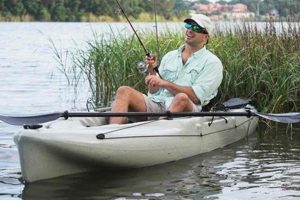
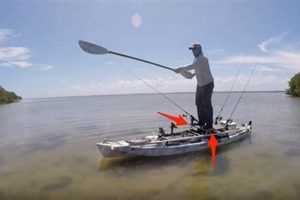
Specialized methods employed to effectively fish from a kayak encompass a range of skills and adaptations distinct from shore or boat-based angling. These approaches consider the kayak’s unique stability, maneuverability, and low profile to optimize angling success in various aquatic environments. For instance, learning to cast from a seated position while maintaining balance exemplifies a fundamental adaptation.
The growing popularity of this specialized angling approach stems from enhanced access to shallow, secluded waters often unreachable by larger vessels. This advantage presents opportunities for diverse fishing experiences, targeting species otherwise inaccessible. Furthermore, the quiet, non-intrusive nature of kayaks minimizes disturbance to fish, potentially improving catch rates. Historically, kayaks have been used for fishing for centuries by indigenous cultures, demonstrating a long-standing practical application that has evolved into a modern recreational pursuit.
A deeper exploration of this topic will cover essential equipment choices, specific casting and retrieval methods, drift fishing strategies, anchoring systems, and important safety considerations.
Kayak Fishing Tips
Effective angling from a kayak requires specialized techniques to maximize success and ensure safety. The following tips offer guidance for improved performance on the water.
Tip 1: Prioritize Stability: Selecting a kayak with appropriate stability for the intended fishing environment is crucial. Wider, flatter-bottomed kayaks offer greater initial stability, while longer, narrower kayaks provide superior tracking in open water. Consider individual skill level and water conditions when choosing a kayak.
Tip 2: Master the Seated Cast: Practice casting from a seated position to maintain balance and avoid capsizing. Short, controlled casts are often more effective than powerful, long-distance attempts from a kayak.
Tip 3: Utilize a Kayak Anchor or Stake-Out Pole: Maintaining position in a current or wind is essential for effective fishing. Anchors designed for kayaks or stake-out poles allow anglers to hold position in shallow water.
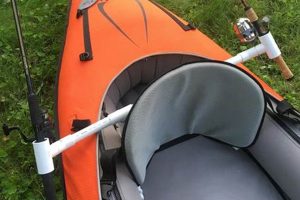
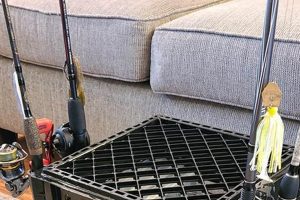
Tip 4: Organize and Secure Gear: Limited space on a kayak necessitates careful organization and secure storage. Utilize waterproof containers and gear tracks or bungee cords to keep equipment within easy reach and prevent loss or damage.
Tip 5: Practice Paddle Control: Efficient paddling techniques conserve energy and allow for precise maneuvering. Learning to paddle quietly minimizes disturbance to fish and enhances stealth.
Tip 6: Understand Water Conditions: Prior to launching, assess wind, current, and tide patterns. Adjust fishing strategies accordingly and avoid venturing into hazardous conditions.
Tip 7: Wear a Personal Flotation Device (PFD): Safety should always be paramount. Wearing a properly fitted PFD is essential for all kayak anglers.
By implementing these strategies, anglers can enhance their kayak fishing experience, improve catch rates, and ensure a safe and enjoyable time on the water.
Careful preparation and a focus on these core principles are essential for successful kayak angling.
1. Casting
Casting in the context of kayak fishing presents unique challenges and opportunities compared to shore or boat-based angling. The confined space and need for balance require adapted techniques and specialized equipment considerations. Effective casting is fundamental for accurate lure presentation and maximizing fishing success from a kayak.
- Underhand Casting Techniques
Often preferred in kayak fishing due to limited overhead clearance, underhand casting techniques, such as pitching and flipping, allow for precise lure placement beneath overhanging branches or near submerged structures. These techniques minimize backswing, reducing the risk of entanglement or striking the kayak. Mastery of these casting styles is essential for navigating tight spaces commonly encountered in kayak fishing environments.
- Sidearm Casting Adaptations
Sidearm casting offers a balanced approach when seated, allowing for effective line control and accuracy while minimizing the impact of kayak movement. Adjusting the casting angle and trajectory compensates for the lower casting position and enhances lure presentation in various wind and current conditions frequently encountered on the water.
- Tackle and Equipment Considerations
Shorter rods, typically in the 6 to 7-foot range, are often preferred for kayak fishing due to their maneuverability within the confined space. Baitcasting reels with adjustable braking systems can aid in preventing backlash during casting, especially in windy conditions. Choosing the correct line weight and lure type also influences casting distance and accuracy from a kayak.
- Casting Practice and Safety
Regular practice is essential for developing consistent and accurate casting techniques from a seated position. Practicing on land or in calm water before venturing into challenging fishing environments allows anglers to refine their casting motion and improve accuracy. Maintaining awareness of surroundings while casting is crucial to prevent accidents and ensure the safety of both the angler and others on the water.
Proficiency in these casting techniques, combined with appropriate tackle selection and safety considerations, significantly enhances angling effectiveness and overall success while kayak fishing. The ability to accurately present lures in diverse environments directly influences catch rates and contributes to a more rewarding fishing experience.
2. Drifting

Drifting is a core technique in kayak fishing, leveraging natural water movement to cover ground, present lures effectively, and explore various fishing zones. Understanding how to control and utilize drift is essential for maximizing angling opportunities and adapting to different aquatic environments. Effective drift fishing requires a combination of paddle control, understanding of water currents, and strategic anchor deployment.
- Controlled Drifting
Controlled drifting involves using subtle paddle strokes or a drift sock to regulate speed and maintain a desired course. This technique allows anglers to present lures naturally along structure, such as weed beds or drop-offs, increasing the likelihood of attracting fish. Precise paddle control is essential for maintaining the desired drift speed and angle, presenting lures effectively in the target zone.
- Natural Drifting
Natural drifting utilizes prevailing winds and currents to move the kayak. This approach conserves energy and allows anglers to cover large areas, particularly in open water or rivers. Understanding how wind and current interact is crucial for predicting drift patterns and positioning the kayak effectively for intercepting fish. Recognizing natural current breaks and eddies enhances the likelihood of encountering fish holding in these areas.
- Drift Fishing with Anchors
Combining drifting with anchor deployments offers strategic advantages. Dropping anchor intermittently allows anglers to hold position in promising areas, thoroughly covering specific spots or structure. This technique is particularly effective in areas with varying current or depth, allowing for focused fishing in productive zones. Skilled anglers use anchor deployments strategically to maximize fishing time in areas holding the highest concentrations of fish.
- Drifting Safety Considerations
Understanding potential hazards is crucial for safe drift fishing. Awareness of downstream obstacles, such as rocks or submerged logs, is essential to prevent accidents. Carrying appropriate safety equipment, including a personal flotation device (PFD) and signaling devices, is crucial. In rivers or tidal areas, understanding current patterns and potential changes in water levels is essential for safe and successful drifting.
Mastering these drifting techniques, coupled with an understanding of water dynamics and safety considerations, significantly enhances kayak fishing effectiveness. The ability to control and utilize drift allows anglers to systematically cover water, present lures naturally, and exploit various fishing opportunities, contributing to a more successful and enjoyable experience on the water.
3. Anchoring
Anchoring is a critical aspect of kayak fishing techniques, enabling anglers to maintain position in desired locations despite wind, current, or tide. Effective anchoring allows for focused fishing in specific areas, maximizing fishing time and optimizing lure presentation in productive zones. Selecting appropriate anchoring systems and understanding deployment techniques are essential for successful kayak angling.
- Anchor Selection
Various anchor types suit different kayak fishing environments. Folding grapnel anchors are versatile and effective in a range of bottom conditions. Lightweight fluke-style anchors are suitable for sandy or muddy bottoms. Stake-out poles offer a shallow-water anchoring solution, especially effective in vegetation or soft substrates. Choosing the correct anchor type and size is crucial for secure anchoring and preventing drifting.
- Deployment Techniques
Proper anchor deployment is essential for maintaining stability and preventing anchor drag. Positioning the kayak upstream or upwind of the target area allows the anchor line to remain taut, minimizing drift. Gradually paying out anchor line while maintaining tension ensures proper setting and prevents tangling. Understanding anchoring techniques specific to different environments, such as rivers or tidal areas, is critical for effective positioning.
- Anchor Retrieval
Efficient anchor retrieval minimizes disruption to fishing and ensures timely repositioning. Attaching a buoy or float to the anchor line simplifies retrieval, particularly in deeper water or heavy vegetation. Utilizing an anchor trolley system allows for easy adjustment of anchor position and retrieval angle. Careful retrieval prevents damage to the kayak and minimizes the risk of entanglement.
- Safety Considerations
Safe anchoring practices are crucial for preventing accidents and ensuring a positive fishing experience. Avoiding anchoring in navigation channels or areas with heavy boat traffic is paramount. Carrying a spare anchor and line provides redundancy in case of equipment failure. Understanding anchoring regulations in specific fishing areas is essential for responsible angling.
Proficient anchoring techniques are integral to successful kayak fishing. Proper anchor selection, deployment, retrieval, and adherence to safety guidelines contribute significantly to optimizing fishing time, maximizing catch rates, and ensuring a safe and enjoyable experience on the water. These anchoring skills become particularly valuable when fishing in dynamic environments with changing currents or wind conditions.
4. Gear Management
Effective gear management is integral to successful kayak fishing techniques. Limited space and the dynamic nature of the on-water environment necessitate meticulous organization and readily accessible equipment. Efficient gear management contributes significantly to both safety and angling success.
- Organization and Accessibility
Strategic organization within the kayak’s limited space is paramount. Essential items, such as pliers, cutters, and frequently used lures, should be readily accessible. Utilizing tackle boxes with compartments and clear lids aids in quick identification and retrieval of gear. Mounting rod holders and strategically placing tackle storage within arm’s reach minimizes disruptive movements and maximizes fishing time.
- Securing Equipment
Securing equipment against loss or damage is crucial in the dynamic kayak fishing environment. Utilizing lanyards or leashes for essential tools prevents loss overboard. Waterproof storage containers protect sensitive electronics and tackle from water damage. Properly securing rods and reels within rod holders minimizes the risk of breakage during movement or unexpected encounters with obstacles.
- Minimizing Gear
Careful selection and prioritization of essential gear reduces clutter and enhances efficiency. Carrying only necessary tackle and equipment minimizes weight and maximizes available space. Prioritizing versatile lures and tackle that can target multiple species streamlines gear choices and reduces the need for excessive equipment.
- Pre-Trip Planning and Preparation
Pre-trip planning and gear preparation are essential for a smooth and successful kayak fishing experience. Organizing tackle, charging electronics, and checking safety equipment beforehand eliminates on-the-water distractions. Pre-rigging rods and organizing tackle boxes according to target species streamlines the fishing process and maximizes fishing time upon arrival.
Proficient gear management directly influences angling effectiveness and safety while kayak fishing. A well-organized and readily accessible system allows for efficient lure changes, minimizes wasted time searching for equipment, and enhances overall safety by reducing clutter and disruptive movements. This methodical approach to gear management contributes significantly to a more productive and enjoyable kayak fishing experience.
5. Safety Procedures

Safety procedures are inextricably linked to effective kayak fishing techniques. While proficiency in angling techniques contributes to a successful fishing experience, prioritizing safety ensures the experience remains enjoyable and incident-free. Understanding and implementing appropriate safety measures are paramount for mitigating risks inherent in the kayak fishing environment.
- Personal Flotation Devices (PFDs)
Wearing a properly fitted PFD is non-negotiable for kayak anglers. PFDs provide essential buoyancy in the event of capsizing or accidental immersion, significantly increasing the chances of self-rescue or assisted recovery. Selecting a PFD designed for paddling offers optimal comfort and range of motion while fishing. Regularly inspecting PFDs for wear and tear ensures their continued effectiveness.
- Communication and Signaling Devices
Carrying communication and signaling devices is crucial for summoning assistance in emergencies. A waterproof VHF radio enables direct communication with the Coast Guard and other boaters. Whistles, flares, and signal mirrors provide additional means of attracting attention. Informing someone of planned fishing locations and estimated return times further enhances safety protocols.
- Weather Awareness and Preparation
Checking weather forecasts before embarking on a kayak fishing trip is essential. Understanding wind speeds, wave heights, and potential storms allows for informed decisions about launching and navigating. Adapting fishing strategies to prevailing weather conditions and seeking shelter if necessary minimizes risks associated with unexpected weather changes. Awareness of tidal patterns and currents is crucial for safe navigation in coastal areas.
- Navigation and Trip Planning
Careful trip planning and navigation are essential for safe kayak fishing. Familiarizing oneself with the intended fishing area, including potential hazards like rocks or submerged debris, enhances situational awareness. Carrying nautical charts or GPS devices aids in navigation, especially in unfamiliar waters. Planning routes that account for prevailing winds and currents minimizes exertion and enhances safety.
Integrating these safety procedures seamlessly with kayak fishing techniques enhances both angling effectiveness and personal well-being. Prioritizing safety fosters a more focused and enjoyable fishing experience, allowing anglers to concentrate on angling techniques with the confidence that appropriate safety measures are in place. This holistic approach ensures a positive and sustainable relationship with the kayak fishing environment.
6. Paddle Control
Paddle control is fundamental to effective kayak fishing techniques. Precise maneuvering and efficient propulsion directly influence angling success, impacting stealth, positioning, and overall fishing effectiveness. Mastery of paddle strokes enables anglers to navigate diverse aquatic environments, optimize lure presentations, and maintain advantageous positions relative to target species.
- Stealth and Approach
Quiet paddling techniques are essential for approaching fish without disturbance. Minimizing splashing and paddle noise allows for closer proximity to target species, increasing opportunities for successful hookups. Controlled, deliberate strokes enhance stealth, maximizing the chances of remaining undetected by wary fish.
- Positioning and Boat Control
Precise paddle control enables anglers to maintain optimal position relative to structure, current, and wind. Holding position in a current seam or alongside a weed bed maximizes lure presentation time in productive zones. Maneuvering effectively around obstacles or into tight fishing spots enhances angling versatility and expands access to prime fishing areas.
- Current and Wind Management
Countering the effects of current and wind requires skilled paddle control. Adjusting paddling cadence and stroke angle maintains desired position and drift speed, optimizing lure presentation and preventing excessive drift. Effective paddle strokes compensate for environmental influences, allowing anglers to fish effectively in dynamic conditions.
- Integrated Fishing Techniques
Paddle control integrates seamlessly with other kayak fishing techniques. Combining precise paddling with casting, drifting, and anchoring enhances overall fishing effectiveness. Simultaneously paddling and casting requires coordination and balance, while maintaining drift control optimizes lure presentation. Integrating paddle skills with other techniques maximizes angling efficiency.
Proficient paddle control is integral to successful kayak fishing. Precise maneuvering, stealthy approach, and effective current management enhance angling opportunities and contribute significantly to a more productive and enjoyable fishing experience. Mastering these paddle control techniques enables anglers to effectively integrate various kayak fishing strategies, maximizing their potential on the water.
Frequently Asked Questions about Kayak Fishing Techniques
This section addresses common inquiries regarding specialized angling methods from kayaks. Clarity on these points enhances understanding and promotes safe and effective fishing practices.
Question 1: What are the advantages of fishing from a kayak?
Kayaks offer unparalleled access to shallow, secluded waters often inaccessible to larger boats, expanding fishing opportunities. Their quiet operation minimizes disturbance to fish, potentially improving catch rates. Kayak fishing also provides a cost-effective and environmentally friendly alternative to motorized boating.
Question 2: What type of kayak is best suited for fishing?
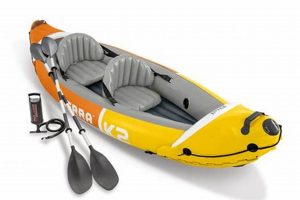
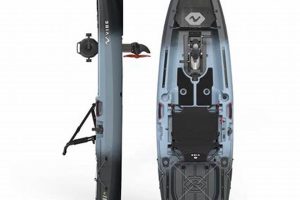
Optimal kayak selection depends on individual needs and the intended fishing environment. Sit-on-top kayaks offer inherent stability and self-bailing capabilities, ideal for warmer climates and calmer waters. Sit-inside kayaks provide greater protection from the elements and enhanced paddling efficiency in colder conditions or open water. Specialized fishing kayaks often feature built-in rod holders, gear tracks, and other angling-specific amenities.
Question 3: What essential gear is required for kayak fishing?
Essential gear includes a properly fitted personal flotation device (PFD), paddle, appropriate fishing rods and reels, tackle suited to target species, and safety equipment such as a whistle, signaling device, and first-aid kit. Additional gear like anchors, drift socks, and fish finders may enhance the experience.
Question 4: How does one maintain stability while casting from a kayak?
Maintaining a low center of gravity and practicing controlled casting techniques are crucial for stability. Using shorter rods and performing sidearm or underhand casts minimizes the risk of capsizing. Practicing in calm water before venturing into more challenging environments builds confidence and proficiency.
Question 5: What safety precautions should be taken while kayak fishing?
Always wear a PFD, check weather conditions before departure, inform someone of fishing plans, and carry communication and signaling devices. Understanding local regulations and navigating responsibly minimizes risks. Carrying a first-aid kit and appropriate safety gear further enhances preparedness.
Question 6: How does one choose the right anchor for kayak fishing?
Anchor selection depends on bottom composition and water conditions. Folding grapnel anchors are versatile and effective in various substrates. Fluke-style anchors suit sandy or muddy bottoms. Stake-out poles offer a shallow-water solution in soft sediments or vegetation. Anchor weight and line length should be appropriate for the kayak’s size and expected conditions.
Careful consideration of these frequently asked questions promotes safe and effective kayak fishing practices. Prioritizing safety, appropriate gear selection, and continuous skill development contribute to a positive and successful experience on the water.
Exploring advanced techniques further enhances angling proficiency from a kayak.
Kayak Fishing Techniques
Effective angling from a kayak necessitates a nuanced understanding of specialized methods encompassing equipment selection, casting adaptations, drift management, anchoring strategies, gear organization, and, crucially, safety procedures. Proficiency in these interconnected areas empowers anglers to navigate diverse aquatic environments, maximize fishing opportunities, and engage with the sport safely and responsibly. The information presented herein provides a foundation for developing essential skills applicable to various kayak fishing scenarios.
Continued exploration and refinement of these specialized techniques are essential for maximizing angling success and fostering a deeper appreciation for the challenges and rewards inherent in kayak fishing. Responsible engagement with this evolving sport requires a commitment to continuous learning, adaptation, and unwavering prioritization of safety. This dedication ensures a sustainable and fulfilling pursuit of angling excellence from the unique perspective of a kayak.