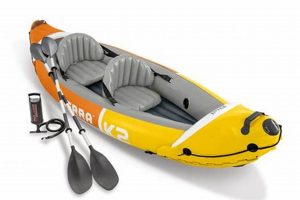
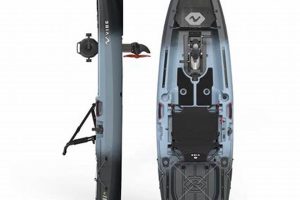
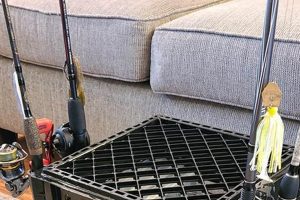
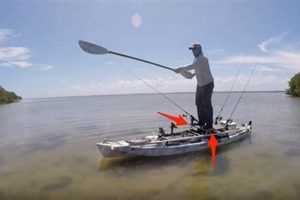
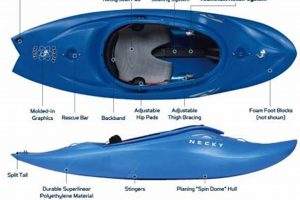
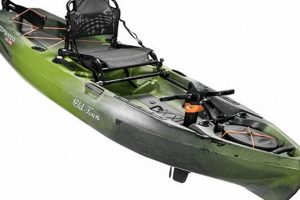
Devices designed to securely attach accessories to kayaks optimized for angling provide anglers with convenient access to essential tools and equipment. These range from simple rod holders and paddle clips to complex electronics mounts for fish finders and GPS systems. A typical setup might include a pair of rod holders behind the seat, a fish finder mounted near the bow, and a paddle park for stowing the paddle while fishing.
Organized gear storage and readily available tools enhance safety and improve angling efficiency. A cluttered kayak deck presents risks of entanglement and equipment loss, especially in challenging conditions. Securely mounted accessories free the angler’s hands, allowing for quick reactions and improved boat control. This organized approach has evolved alongside the increasing specialization of fishing kayaks, reflecting the growing demand for efficient and streamlined angling platforms.
Understanding the variety of available attachment methods, materials, and mounting locations is crucial for optimizing kayak configuration. The subsequent sections will explore these topics in detail, offering practical guidance for selecting and installing appropriate systems. Further discussion will cover the integration of specific accessories like rod holders, fish finders, and camera mounts, addressing the unique considerations for each.
Tips for Optimizing Kayak Accessory Placement
Strategic placement of accessories significantly impacts angling performance and safety. Careful consideration of individual needs and fishing style is essential for an effective kayak setup.
Tip 1: Prioritize Stability: Weight distribution affects kayak stability. Heavier items should be mounted low and centrally, while lighter items can be positioned further out. This minimizes the risk of capsizing and improves maneuverability.
Tip 2: Accessibility is Key: Frequently used items, such as pliers, knives, and lures, should be within easy reach. Consider mounting these accessories within arm’s length of the seating position.
Tip 3: Line Management: Position rod holders and other gear to minimize line tangling. Anglers often place rod holders slightly staggered to prevent lines from crossing.
Tip 4: Visibility and Electronics: Fish finders and GPS units require clear lines of sight. Mount these devices in positions that offer unobstructed views and convenient access to controls.
Tip 5: Secure Installation: Ensure all mounts are securely attached to the kayak using appropriate hardware and installation techniques. Loose or improperly installed mounts can lead to equipment failure and potential safety hazards.
Tip 6: Compatibility Check: Verify compatibility between accessories and mounting systems before purchasing. Different mounts are designed for specific types of accessories and kayak materials.
Tip 7: Regular Inspection: Periodically inspect all mounts and hardware for signs of wear or damage. Tighten loose screws and replace any compromised components promptly.
By following these guidelines, anglers can create a personalized and efficient kayak setup that enhances both performance and safety on the water. A well-organized kayak allows for greater focus on fishing, ultimately contributing to a more enjoyable and successful angling experience.
This foundation of practical setup advice prepares anglers for the in-depth exploration of specific accessory types and mounting systems that follows. The next section provides detailed information on selecting and installing various types of rod holders, electronics mounts, and other essential kayak fishing accessories.
1. Types

Categorizing fishing kayak mounts by their attachment method provides a structured approach to understanding their diverse applications and selecting the optimal solution for specific angling needs. Each type presents distinct advantages and disadvantages regarding installation, adjustability, and compatibility with various accessories.
- Track Mounts:
Track systems offer exceptional versatility in positioning accessories. These mounts slide along a fixed track, allowing for adjustable placement of rod holders, fish finders, and other gear. Common examples include YakAttack and Railblaza systems. The adaptability of track mounts makes them ideal for anglers who frequently reconfigure their setups or utilize a variety of accessories. However, track systems can add weight and complexity compared to simpler mounting solutions.
- Flush Mounts:
Flush mounts integrate directly into the kayak’s surface, providing a low-profile and streamlined appearance. These mounts are often used for rod holders and other small accessories. Examples include Scotty and RAM Mounts. Flush mounts minimize interference with paddling and casting but typically offer less adjustability than track systems. Their permanent nature requires careful consideration of placement during installation.
- Starport Mounts:
Starport mounts utilize a five-star mounting pattern, providing a secure and versatile platform for various accessories. Railblaza is a prominent manufacturer of this type of mount. Starports offer a balance between adjustability and stability, making them suitable for a range of applications from rod holders to camera mounts. They can be surface mounted or integrated into track systems for enhanced versatility.
- Adapter Mounts:
Adapter mounts facilitate the use of accessories designed for one mounting system with another. For instance, an adapter might allow a Railblaza accessory to be attached to a YakAttack track. These adapters expand compatibility options, enabling anglers to utilize preferred accessories with existing mounting systems. However, adapters can introduce additional points of potential failure and may add bulk to the setup.
Understanding these various mounting types allows anglers to create customized kayak setups that optimize gear organization, improve fishing efficiency, and enhance overall safety on the water. Selecting the appropriate mount depends on individual needs and fishing styles, with careful consideration given to factors such as adjustability, stability, and compatibility with existing equipment. The correct choice significantly contributes to a more productive and enjoyable angling experience.
2. Placement
Strategic placement of accessories on a fishing kayak directly influences angling effectiveness and safety. Ergonomics, balance, and accessibility are paramount considerations when determining optimal mounting locations for rods, electronics, and other essential gear. Improper placement can hinder casting, paddling, and overall maneuverability, while well-considered positioning enhances efficiency and improves the angling experience.
- Rod Holder Positioning:
Rod holders typically mount behind the angler, angled outwards to prevent line tangling and facilitate easy access. Positioning them too far forward can obstruct paddling, while placement too far back can make retrieving rods difficult. Anglers often stagger rod holders slightly to further minimize line interference. Specific angling styles, such as trolling or sight fishing, may necessitate specialized rod holder placements.
- Electronics Placement:
Fish finders and GPS units require clear lines of sight and convenient access to controls. Common locations include the kayak’s dashboard or near the bow. Placement should consider glare and potential interference from other accessories. Transducer placement is critical for accurate sonar readings and often involves mounting on the hull or using a specialized transducer arm.
- Gear Storage Placement:
Tackle boxes, dry bags, and other storage solutions should be positioned to maintain kayak balance and accessibility. Storing heavier items centrally and lower in the kayak improves stability. Frequently accessed items should be within easy reach, minimizing the need to shift body weight or reach awkwardly. Securing gear prevents loss and minimizes clutter on the deck.
- Safety Gear Placement:
Essential safety equipment, such as a paddle leash, bilge pump, and signaling devices, should be readily accessible in emergencies. A paddle leash secures the paddle to the kayak, preventing loss. The bilge pump should be within easy reach for rapid deployment. Signaling devices, like a whistle or flares, need to be stored in a waterproof container and easily accessible in case of capsizing.
Careful consideration of these placement principles ensures that the fishing kayak functions as a cohesive and efficient angling platform. Optimal placement enhances both performance and safety, contributing to a more productive and enjoyable experience on the water. By strategically organizing accessories, anglers can focus on the task at handcatching fishwithout the distractions and potential hazards posed by poorly positioned gear.
3. Installation
Proper installation of fishing kayak mounts is crucial for safety and functionality. Securely attached accessories ensure reliable performance in demanding on-water conditions. A well-executed installation maximizes the effectiveness of fishing gear and minimizes the risk of equipment failure or loss. This section explores the key facets of installing mounts on fishing kayaks.
- Surface Preparation
Thorough surface preparation ensures a strong bond between the mount and the kayak. Cleaning the mounting area with a suitable solvent removes dirt, grease, and residue that can compromise adhesion. For adhesive mounts, lightly sanding the surface can improve bonding. Proper surface preparation prevents mount failure and ensures long-term stability.
- Hardware Selection
Using appropriate hardware is essential for secure installation. Marine-grade stainless steel hardware resists corrosion in saltwater environments. Selecting the correct screw length is critical to avoid penetrating the kayak hull. Using washers distributes pressure and prevents damage to the kayak surface. High-quality hardware ensures a durable and reliable connection between the mount and the kayak.
- Drilling Techniques
Precise drilling techniques are essential when installing mounts that require through-hull fastening. Using a properly sized drill bit prevents cracking or splitting the kayak material. Pilot holes help guide screws and prevent slippage. Applying sealant to screw holes prevents water intrusion and protects against corrosion. Careful drilling techniques ensure a clean and watertight installation.
- Adhesive Application
Adhesive mounts offer a convenient alternative to drilling, particularly for accessories that require temporary placement. Applying a sufficient amount of marine-grade adhesive ensures a strong bond. Following manufacturer instructions regarding curing times is critical for optimal adhesion. Using an appropriate adhesive type ensures compatibility with the kayak material and prevents damage to the hull.
These installation principles ensure the secure and reliable attachment of fishing kayak mounts, contributing directly to angler safety and on-water performance. A properly installed mount provides a stable platform for essential fishing accessories, allowing anglers to focus on their technique and maximizing their chances of success. Neglecting these principles can lead to equipment failure, compromising safety and potentially ruining a fishing trip.
4. Materials

Material selection significantly influences the performance, durability, and longevity of fishing kayak mounts. Choosing appropriate materials ensures compatibility with the kayak hull, resistance to environmental factors, and reliable support for attached accessories. Understanding the properties of common mounting materials enables informed decisions that contribute to a safe and functional angling platform.
- Plastics
Various plastics, including nylon and ABS, find application in kayak mounts due to their lightweight nature, affordability, and resistance to corrosion. Nylon, known for its strength and impact resistance, often features in high-stress components like rod holders. ABS, a versatile thermoplastic, provides a cost-effective solution for less demanding applications. However, plastic mounts can degrade with prolonged UV exposure and may be less robust than metal counterparts. Careful selection based on intended use and environmental conditions ensures optimal performance and longevity.
- Metals
Aluminum and stainless steel offer superior strength and durability compared to plastics, making them ideal for supporting heavier accessories like fish finders and depth sounders. Marine-grade stainless steel exhibits excellent corrosion resistance, essential for saltwater environments. Aluminum, while lighter than stainless steel, requires protective coatings to prevent oxidation. Metal mounts provide robust and reliable support but add weight to the kayak, a factor to consider when optimizing performance and maneuverability.
- Composites
Composite materials, often incorporating fiberglass or carbon fiber, offer a high strength-to-weight ratio, making them attractive for performance-oriented applications. Carbon fiber mounts, while expensive, provide exceptional strength and rigidity, minimizing flex under load. Fiberglass composites offer a balance of affordability and performance. Composite mounts contribute to a lightweight and responsive kayak setup but require careful handling due to potential susceptibility to impact damage.
- Fasteners
Corrosion-resistant fasteners are crucial for securing mounts to the kayak hull. Marine-grade stainless steel screws and bolts provide reliable performance in saltwater environments. Using appropriately sized fasteners and washers distributes stress evenly and prevents damage to the kayak material. Selecting high-quality fasteners ensures a durable and secure connection, critical for maintaining the integrity of the mounting system and preventing equipment loss.
The careful consideration of material properties during the selection process ensures that fishing kayak mounts effectively support angling activities. Balancing strength, durability, weight, and cost contributes to a customized and functional kayak setup. Appropriate material selection optimizes on-water performance and ensures the longevity of essential angling accessories, ultimately enhancing the overall fishing experience.
5. Compatibility

Compatibility in the context of fishing kayak mounts refers to the seamless integration between various components of the system. This encompasses compatibility between the mount and the kayak itself, the mount and the intended accessory, and the compatibility of different mounting systems with each other. Lack of compatibility can lead to installation challenges, compromised stability, and ultimately, equipment failure. For example, attempting to mount a fish finder designed for a track system directly onto a kayak without the appropriate track installed will prove unsuccessful. Similarly, using screws that are too long can penetrate the kayak hull, causing leaks.
Several factors influence compatibility. Kayak hull material (polyethylene, composite, etc.) dictates appropriate mounting methods and hardware. Accessory manufacturers often design products for specific mounting systems, such as YakAttack, Railblaza, or Scotty. Understanding these systems and their respective compatibility requirements is crucial for successful installation and performance. Adapters can bridge compatibility gaps between different systems, but introduce potential points of weakness and added complexity. For instance, an angler might use an adapter to mount a Railblaza rod holder onto a YakAttack track system. While this provides flexibility, its crucial to ensure the adapter is robust enough to handle the stresses of angling.
Prioritizing compatibility ensures a secure, functional, and durable mounting system. Researching product specifications, consulting compatibility charts, and seeking expert advice when necessary are vital steps in the decision-making process. Failure to address compatibility issues can lead to frustration, equipment damage, and potentially hazardous situations on the water. A well-integrated system, however, contributes significantly to a safe, efficient, and enjoyable fishing experience.
6. Maintenance

Regular maintenance of fishing kayak mounts is essential for ensuring their continued functionality, longevity, and, most importantly, the safety of the angler. Neglecting maintenance can lead to equipment failure, potentially creating hazardous situations on the water. A well-maintained mounting system contributes directly to a safe and enjoyable fishing experience.
- Cleaning
Saltwater, grime, and fish slime can accumulate on mounts, leading to corrosion and degradation, especially in metal components. Regular cleaning with fresh water and a mild detergent helps prevent this. For stubborn deposits, a specialized marine cleaner can be used. Thorough rinsing after cleaning is crucial to remove any residual cleaning agents. This practice maintains the integrity of the mounts and prevents premature failure.
- Inspection
Regular visual inspections of mounts and associated hardware are critical for identifying potential issues before they escalate. Checking for loose screws, cracks, or signs of wear can prevent catastrophic failures on the water. Pay particular attention to areas exposed to high stress, such as rod holder mounts and areas where electronics are installed. Timely identification of wear and tear allows for preventative maintenance and replacement of parts, minimizing the risk of equipment malfunction.
- Tightening and Lubrication
Over time, vibrations and stress can loosen screws and bolts. Regularly tightening all fasteners ensures the continued stability and security of the mounting system. Applying a marine-grade lubricant to moving parts, such as adjustable mounts and hinges, prevents seizing and ensures smooth operation. This proactive approach minimizes the likelihood of equipment failure during critical moments.
- Replacement of Worn Components
Despite regular maintenance, components will eventually wear out or become damaged. Promptly replacing worn or damaged parts is essential for maintaining the overall integrity and safety of the mounting system. Ignoring signs of wear can lead to more extensive and costly repairs down the line. Replacing parts as needed, rather than waiting for complete failure, demonstrates a proactive approach to safety and ensures uninterrupted enjoyment of the sport.
A comprehensive maintenance regimen ensures the long-term performance and safety of fishing kayak mounts. By incorporating cleaning, inspection, tightening, lubrication, and component replacement into regular practice, anglers protect their investment and minimize the risk of equipment-related incidents. This proactive approach to maintenance contributes significantly to a more enjoyable, productive, and, above all, safe fishing experience.
7. Safety
Safety is paramount in kayak fishing, and the selection, installation, and maintenance of mounts play a crucial role. Securely mounted accessories minimize risks associated with entanglement, equipment loss, and impaired boat control. A loose rod holder, for example, can lead to a lost rod and potentially create a hazardous snag point. Similarly, a poorly secured fish finder mount may detach in rough conditions, creating a distraction or even a risk of injury. Conversely, robust and properly installed mounts provide a stable platform for essential gear, allowing anglers to focus on navigation and angling techniques, enhancing overall safety.
The relationship between safety and mounts extends beyond secure installation. Proper placement of accessories is equally critical. Obstructed access to safety gear, such as a paddle float or bilge pump, can have serious consequences in emergency situations. Similarly, poorly positioned rods or other equipment can interfere with paddling and balance, increasing the risk of capsizing. Consideration should also be given to weight distribution. Unevenly distributed weight can destabilize the kayak, making it more susceptible to tipping. Careful planning and execution of the mounting setup are, therefore, integral to a safe and successful fishing trip.
Prioritizing safety in mounting systems involves selecting appropriate materials, using correct installation techniques, and adhering to a regular maintenance schedule. Marine-grade stainless steel hardware resists corrosion, ensuring long-term reliability in harsh saltwater environments. Correct drilling techniques and proper sealant application prevent leaks and maintain the structural integrity of the kayak hull. Regular inspection and maintenance identify potential issues before they escalate, mitigating risks associated with equipment failure. A comprehensive approach to safety, encompassing all aspects of the mounting system, is fundamental to responsible and enjoyable kayak fishing.
Frequently Asked Questions
Addressing common queries regarding fishing kayak mounts clarifies potential uncertainties and provides practical insights for anglers seeking to optimize their kayak setups. The following section offers concise and informative responses to frequently encountered questions.
Question 1: What is the weight capacity of typical fishing kayak mounts?
Weight capacity varies significantly depending on the mount’s design, material, and installation method. Manufacturers typically provide weight limits for their products. It’s crucial to adhere to these limits to prevent equipment failure and ensure angler safety. Consulting manufacturer specifications and considering the intended load are essential steps in selecting appropriate mounts.
Question 2: Can mounts be installed on any type of kayak?
While many mounts are adaptable to various kayak types, compatibility depends on hull material and design. Some kayaks have dedicated mounting points or track systems, while others may require adhesive or through-hull installations. Careful consideration of kayak construction and mount compatibility is crucial for successful installation and performance.
Question 3: What tools are required for installing fishing kayak mounts?
Required tools vary depending on the mounting method. Commonly used tools include drills, screwdrivers, wrenches, and measuring tools. Adhesive installations may require surface preparation tools like sandpaper or cleaning solvents. Consulting manufacturer instructions provides a comprehensive list of necessary tools for specific installations.
Question 4: How does one choose between track, flush, and starport mounts?
The choice depends on the angler’s needs and preferences. Track systems offer versatility in positioning accessories, flush mounts provide a streamlined profile, and starports offer a balance between adjustability and stability. Consider factors such as the type of accessories being mounted, the desired level of adjustability, and the overall aesthetics of the kayak setup.
Question 5: What maintenance is required for fishing kayak mounts?
Regular cleaning with fresh water and mild detergent removes corrosive elements. Inspecting for loose screws, cracks, and wear ensures structural integrity. Lubricating moving parts and promptly replacing worn components maintains functionality and prolongs the lifespan of the mounting system. These maintenance practices contribute significantly to safety and performance.
Question 6: How does one ensure the stability of mounted accessories in rough water conditions?
Ensuring stability involves selecting robust mounts designed for the intended load and environmental conditions. Proper installation techniques, using appropriate hardware and adhesives, are critical. Distributing weight evenly across the kayak improves overall stability. Regular inspection and maintenance identify and address potential weaknesses before they compromise safety.
Understanding these key considerations facilitates informed decisions regarding the selection, installation, and maintenance of fishing kayak mounts, promoting safe and effective angling practices. A well-maintained and appropriately configured mounting system contributes directly to enhanced angling experiences.
For further information and specific product recommendations, consult reputable kayak outfitters and accessory manufacturers. Their expertise can provide valuable guidance tailored to individual angling needs and kayak configurations. The next section explores specific accessory options for fishing kayaks.
Conclusion
Effective organization of fishing gear through specialized kayak mounts directly impacts angling success and safety. From rod holders and fish finders to tackle storage and safety equipment, secure and accessible gear placement enhances efficiency and mitigates risks. Understanding the nuances of various mounting systems, including track mounts, flush mounts, and starports, enables informed decisions tailored to individual angling styles and kayak configurations. Proper material selection, meticulous installation techniques, and diligent maintenance practices contribute to the longevity and reliability of these systems. Addressing compatibility between kayaks, mounts, and accessories ensures seamless integration and optimal performance.
Strategic gear placement transforms a fishing kayak into a highly effective angling platform. A well-organized kayak contributes not only to increased fishing success but also to enhanced safety on the water. The thoughtful application of these principles empowers anglers to focus on the art of angling, free from the distractions and potential hazards of poorly managed equipment. Continued exploration of innovative mounting solutions promises further refinement of kayak angling techniques and equipment, enhancing the overall experience for anglers of all skill levels.