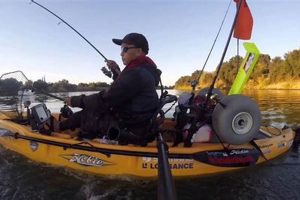
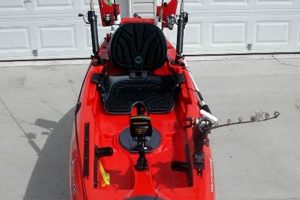
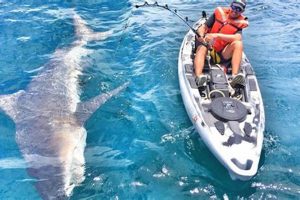
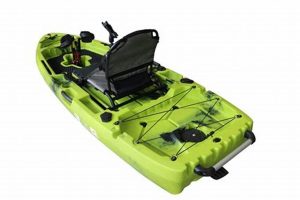
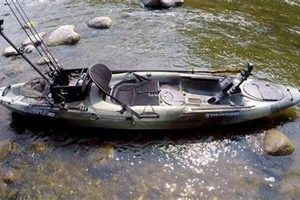
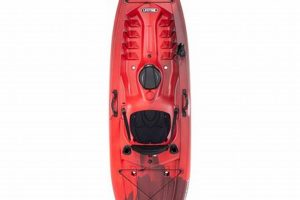
Budget-friendly fishing kayaks offer anglers an accessible entry point into kayak fishing. These vessels are typically designed with core fishing features while minimizing costs through material selection and streamlined manufacturing. An example would be a sit-on-top kayak constructed from high-density polyethylene, equipped with basic rod holders and storage compartments.
Affordability significantly expands participation in the sport, allowing more individuals to experience the tranquility and excitement of fishing from a kayak. This accessibility contributes to the growing popularity of kayak fishing and fosters a deeper appreciation for natural waterways. Historically, specialized fishing kayaks were a significant investment, limiting participation. Advances in manufacturing and materials have driven down costs, making kayak fishing more inclusive.
This article will explore various aspects of acquiring and utilizing affordable fishing kayaks, including selection criteria, essential accessories, maintenance tips, and recommended fishing locations suitable for beginners.
Tips for Acquiring a Budget-Friendly Fishing Kayak
Careful consideration of various factors can ensure a successful and cost-effective purchase of a fishing kayak. The following tips offer guidance for navigating the selection process.
Tip 1: Prioritize Stability over Speed: Wider, shorter kayaks offer greater stability, which is crucial for fishing activities, especially for beginners. While longer kayaks are faster, stability is paramount for casting, reeling, and landing fish.
Tip 2: Consider Used Kayaks: The pre-owned market can provide significant savings. Thoroughly inspect used kayaks for damage or excessive wear before purchase.
Tip 3: Opt for Essential Features: Focus on crucial features like rod holders, storage compartments, and a comfortable seat. Avoid unnecessary extras that inflate the price.
Tip 4: Explore Package Deals: Retailers often offer bundled packages that include paddles, life vests, and other essential accessories at a discounted price.
Tip 5: Research Weight Capacity: Ensure the kayak’s weight capacity accommodates the angler’s weight plus gear and potential catch.
Tip 6: Choose Durable Materials: High-density polyethylene (HDPE) offers a good balance of durability and affordability.
Tip 7: Factor in Transportation and Storage: Consider the kayak’s size and weight regarding transportation and storage limitations.
By following these guidelines, anglers can acquire a functional and affordable fishing kayak suitable for their needs and budget, enabling enjoyable and productive fishing excursions.
These tips provide a solid foundation for making informed decisions when selecting a budget-friendly fishing kayak. The next section will explore essential accessories to enhance the fishing experience.
1. Stability

Stability is a paramount consideration when selecting a budget-friendly fishing kayak. A stable platform is essential for casting, reeling, and landing fish, as well as for general safety on the water. Compromising stability for cost savings can negatively impact the fishing experience and potentially create hazardous situations.
- Hull Design:
Wider, flatter hulls generally offer greater primary stability (initial resistance to tipping). While less efficient for paddling long distances, this design is ideal for fishing activities where anglers frequently shift their weight. A wider hull provides a more secure feeling platform for casting and retrieving lines. Conversely, narrower, V-shaped hulls, while faster, are less stable and therefore less suitable for fishing, particularly for beginners. Budget kayaks often prioritize wider hulls for stability due to manufacturing simplicity.
- Center of Gravity:
A lower center of gravity contributes significantly to stability. Sit-on-top kayaks generally have a lower center of gravity compared to sit-inside kayaks, making them more stable. This design is prevalent in budget-friendly fishing kayaks. Adding weight to the lower portion of the kayak further enhances stability. Anglers can achieve this by storing heavier items like tackle boxes closer to the bottom of the hull.
- Water Conditions:
Calm, flat water requires less stability than choppy or windy conditions. When selecting a budget-friendly kayak, anglers should consider the typical water conditions they will encounter. A kayak stable enough for calm lakes might be unsuitable for larger bodies of water or rivers with currents. Assessing anticipated water conditions influences stability requirements and subsequent kayak selection.
- Angler Experience:
Experienced anglers often have better balance and can handle less stable kayaks. Beginners, however, should prioritize stability until they develop their skills and confidence on the water. Budget-friendly kayaks designed for beginners typically prioritize stability over speed and maneuverability. As angler skill progresses, they may choose a less stable kayak optimized for other performance characteristics.
The interplay between hull design, center of gravity, water conditions, and angler experience directly impacts kayak stability. Prioritizing stability, particularly for beginners or those fishing in challenging conditions, ensures a safe and enjoyable experience, even with a budget-friendly kayak. By carefully evaluating these factors, anglers can select a stable platform that enhances their fishing endeavors without exceeding their budget.
2. Durability
Durability is a critical factor influencing the long-term value of budget-friendly fishing kayaks. While cost savings are attractive, compromising durability can lead to premature wear and tear, ultimately requiring costly repairs or replacements. A durable kayak withstands regular use, transportation, and storage, maximizing its lifespan and minimizing overall expenses.
Material selection significantly impacts a kayak’s durability. High-density polyethylene (HDPE) is a common material for budget-friendly kayaks due to its impact resistance and UV stability. While less expensive than other materials like fiberglass or composites, HDPE offers sufficient durability for recreational fishing in various environments. For example, an HDPE kayak can tolerate minor collisions with rocks or logs without sustaining significant damage, unlike less durable materials prone to cracking or puncturing. Understanding the properties of different construction materials allows informed decisions balancing cost and durability.
Manufacturing processes also influence durability. Rotational molding, a common technique for producing HDPE kayaks, creates a seamless, one-piece hull inherently stronger than multi-piece constructions. This construction method minimizes weak points susceptible to leaks or structural failure. Thorough inspection of welds and seams is crucial, especially in less expensive kayaks, to ensure manufacturing quality does not compromise durability. Investing in a well-constructed kayak, even within a budget, minimizes the risk of future repairs and ensures long-term enjoyment on the water.
3. Storage

Storage capacity is a crucial consideration when selecting a budget-friendly fishing kayak. Effective storage solutions directly impact organization, accessibility, and overall fishing experience. While minimizing cost is a priority, inadequate storage can hinder fishing efficiency and enjoyment. Balancing cost with practical storage needs ensures a successful and productive outing.
- Built-in Storage Compartments:
Many budget-friendly fishing kayaks incorporate molded-in storage compartments, offering designated spaces for tackle boxes, gear, and personal items. These compartments often include hatches or lids to secure contents and prevent water intrusion. Examples include recessed areas behind the seat, tank wells with bungee cords, and smaller compartments for readily accessible items like lures or tools. While larger compartments offer greater capacity, they can also increase the kayak’s overall weight. Budget-conscious anglers must balance storage volume with weight considerations, particularly if portability is a concern.
- Dry Storage:
Protecting sensitive items from water damage is crucial in a fishing environment. Budget-friendly kayaks may offer dedicated dry storage compartments featuring watertight seals or hatches. These compartments are ideal for electronics, wallets, phones, and other items vulnerable to moisture. Dry bags can also supplement built-in dry storage, providing additional protection for essential gear. While dedicated dry storage is beneficial, it can add to the overall cost of the kayak. Anglers should assess the value of dry storage relative to their specific needs and budget constraints.
- Rod Holders:
Dedicated rod holders are essential for fishing kayaks, providing secure storage for rods while paddling or when multiple rods are in use. Flush-mounted rod holders offer a streamlined profile, while adjustable rod holders provide greater flexibility in positioning. Budget-friendly kayaks typically include a few basic rod holders, although their quantity and adjustability may vary. Anglers should consider their fishing style and the number of rods they typically use when evaluating rod holder options on less expensive kayaks.
- Aftermarket Storage Solutions:
Various aftermarket accessories can enhance storage capacity on budget-friendly kayaks. Examples include crates, gear tracks, and mounting plates for attaching additional rod holders, fish finders, or other equipment. These accessories offer customization options and can significantly expand storage capabilities without requiring a larger, more expensive kayak. However, adding aftermarket accessories can incrementally increase overall costs. Anglers should prioritize essential additions based on their individual fishing needs and budgetary limitations.
Optimizing storage within a budget involves strategically selecting a kayak with sufficient built-in compartments and utilizing affordable aftermarket solutions when necessary. Balancing cost with essential storage features enhances fishing efficiency and overall enjoyment on the water. By carefully considering these storage aspects, anglers can maximize their fishing experience without exceeding their budget.
4. Accessories

Accessories play a crucial role in optimizing the functionality and enjoyment of budget-friendly fishing kayaks. While cost remains a primary concern, carefully selected accessories can significantly enhance the fishing experience without excessive expenditure. The relationship between accessories and affordability requires a strategic approach, focusing on essential items that maximize utility while minimizing cost.
Essential accessories for budget-friendly fishing kayaks include paddles, personal flotation devices (PFDs), rod holders, and basic safety gear. A comfortable and efficient paddle facilitates maneuverability and reduces fatigue. A properly fitted PFD is crucial for safety and legal compliance in many areas. Rod holders secure fishing rods, freeing hands for paddling and other tasks. Essential safety gear, such as a whistle and a bilge pump, contributes to angler safety and preparedness. For example, an angler can purchase a basic, functional paddle instead of a high-end, lightweight model, achieving necessary functionality at a lower cost. Similarly, an affordable, standard PFD provides adequate safety without the premium features of more expensive options. Prioritizing functionality over premium features allows anglers to equip their kayaks effectively while adhering to budget constraints.
Non-essential, yet beneficial, accessories include anchor systems, fish finders, and storage enhancements. Anchor systems, even simple stake-out poles, provide stability in desired fishing locations. Portable fish finders can enhance fish-finding capabilities without the cost of permanently installed units. Additional storage solutions, such as crates or dry bags, improve organization and gear protection. Anglers can strategically prioritize these accessories based on individual needs and budget limitations. For instance, an angler fishing primarily in shallow, calm waters might prioritize a simple anchor system over a more sophisticated GPS-anchoring solution. Similarly, anglers can choose budget-friendly fish finder models or explore used electronics to minimize costs. This strategic approach to accessory selection allows anglers to customize their kayak setup for specific fishing styles and preferences while maintaining budgetary control.
Understanding the interplay between accessories and affordability empowers anglers to equip their budget-friendly fishing kayaks effectively. Prioritizing essential safety and functional items ensures a safe and productive fishing experience. Strategic selection of non-essential accessories further enhances functionality without compromising affordability. By carefully evaluating needs and exploring cost-effective options, anglers can maximize the potential of their budget-friendly kayaks and fully enjoy their time on the water.
5. Used Kayaks

The used kayak market offers a significant avenue for acquiring fishing kayaks at reduced costs. This connection between used kayaks and budget-conscious kayak fishing is driven by depreciation, allowing anglers to access often lightly used vessels at a fraction of their original retail price. This affordability expands access to the sport, enabling individuals to overcome the financial barrier often associated with new kayak purchases. For example, a lightly used fishing kayak, perhaps a year or two old, might be available at 30-50% below its original price, offering significant savings for anglers seeking a cost-effective entry point. This price difference can be substantial, especially for higher-end models that offer premium features typically inaccessible to budget-conscious buyers in the new kayak market. Understanding the dynamics of the used kayak market empowers anglers to acquire suitable vessels without compromising desired features due to budgetary constraints.
Several factors influence pricing within the used kayak market, including the kayak’s age, condition, brand, and included accessories. Scratches and minor cosmetic blemishes typically have minimal impact on functionality and can provide further negotiating leverage. Conversely, significant damage, repairs, or missing components can diminish value. Researching comparable models and their typical used pricing provides a benchmark for evaluating potential purchases. Networking within local paddling communities or online forums can uncover opportunities for acquiring used kayaks directly from owners, often bypassing retailer markups. Thorough inspection, including checking for hull integrity, leaks, and functional hardware, is crucial before finalizing any purchase. This careful evaluation ensures a worthwhile investment and avoids acquiring a kayak with hidden problems that could negate the initial cost savings.
Leveraging the used kayak market requires patience, research, and a discerning eye. While inherent risks exist, the potential for significant cost savings makes exploring used options a compelling strategy for acquiring a fishing kayak. Diligent research and thorough inspection mitigate these risks, allowing anglers to acquire well-maintained kayaks at attractive prices, ultimately furthering accessibility and enjoyment of the sport. This approach significantly contributes to the growing popularity of kayak fishing by offering a viable pathway for budget-conscious individuals to experience the sport’s unique rewards.
Frequently Asked Questions
This section addresses common inquiries regarding the acquisition and utilization of budget-friendly fishing kayaks.
Question 1: What is the typical price range for a budget-friendly fishing kayak?
Pricing varies depending on features, materials, and retailer. Generally, budget-friendly fishing kayaks range from $300 to $800. Used kayaks offer even lower price points.
Question 2: Are inexpensive fishing kayaks less durable than more expensive models?
Not necessarily. Many budget-friendly kayaks utilize durable materials like high-density polyethylene (HDPE). However, construction quality and features may differ. Careful inspection and research are essential.
Question 3: What essential features should one look for in a budget-friendly fishing kayak?
Prioritize stability, sufficient storage for tackle and gear, and comfortable seating. Rod holders are essential, and a paddle typically comes standard. Other features can be added later.
Question 4: Are used kayaks a good option for budget-conscious anglers?
The used market offers significant cost savings. However, thorough inspection for damage or excessive wear is crucial before purchase.
Question 5: What safety equipment is required when using a budget-friendly fishing kayak?
Regulations vary by location, but a personal flotation device (PFD) is generally mandatory. A whistle, bilge pump, and basic first-aid kit are also recommended.
Question 6: How does one transport a budget-friendly fishing kayak?
Roof racks are a common transportation method. Smaller kayaks may fit inside a truck bed or SUV. Consider the kayak’s weight and dimensions relative to available transportation options.
Careful consideration of these frequently asked questions equips prospective buyers with the knowledge necessary for making informed purchasing decisions aligned with individual needs and budgetary constraints.
The next section will delve into specific kayak models suitable for budget-conscious anglers.
Kayaks for Fishing Cheap
Acquiring a fishing kayak on a budget requires careful consideration of several interconnected factors. Prioritizing stability and durability ensures a safe and long-lasting vessel. Adequate storage accommodates essential fishing gear, while strategically selected accessories enhance functionality without undue expense. Exploring the used kayak market offers significant cost savings, further expanding access to the sport. By understanding these elements, anglers can make informed decisions that align with both budgetary constraints and individual fishing requirements. Addressing common concerns regarding cost, durability, features, and safety provides prospective buyers with the knowledge necessary to confidently navigate the selection process.
The increasing accessibility of kayak fishing through budget-friendly options promises continued growth and diversification within the sport. Empowering anglers with the knowledge to make informed purchasing decisions strengthens the connection between affordability and enjoyment, fostering a deeper appreciation for the rewarding experience of fishing from a kayak. This accessibility ultimately benefits the broader angling community by welcoming a wider range of participants to experience the unique challenges and rewards of kayak fishing.