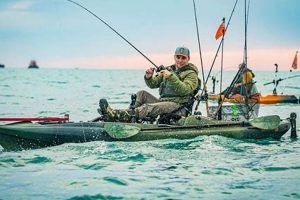
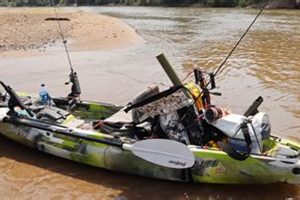
Competitive angling from human-powered vessels offers a unique blend of physical exertion, sporting challenge, and connection with nature. Across the state, events cater to various skill levels, from novice participants to seasoned professionals. These competitions typically involve specified target species, boundaries, and time limits, with winners determined by factors like total weight or length of fish caught.
Such events promote conservation awareness through catch-and-release practices, bolster local economies through tourism and related spending, and foster a sense of community among outdoor enthusiasts. The growth in popularity reflects a broader trend toward accessible, eco-conscious recreation, building upon a longstanding tradition of sport fishing in the region. This historical connection adds a layer of cultural significance to these modern competitions.
The following sections will delve deeper into specific aspects of competitive kayak angling, including popular species, prominent locations, regulations, essential gear, and strategies for success. Readers will gain a comprehensive understanding of the sport’s nuances and the factors contributing to its increasing popularity.
Tips for Competitive Kayak Angling
Success in competitive kayak fishing requires careful planning, strategic execution, and an understanding of both the target species and the specific waterway. The following tips offer guidance for anglers seeking to improve their performance and overall tournament experience.
Tip 1: Pre-Fishing Scouting: Thorough pre-tournament scouting is essential. Identifying productive fishing spots, understanding prevailing water conditions, and observing fish behavior significantly increases the odds of success. This allows anglers to develop a targeted game plan.
Tip 2: Tackle and Gear Preparation: Ensure all equipment is in optimal condition. Sharp hooks, fresh line, and properly functioning reels are crucial. Organize tackle boxes for efficient access to lures and other necessary gear during the limited competition time.
Tip 3: Species-Specific Strategies: Tailor fishing techniques to the target species. Research preferred habitats, feeding patterns, and effective lures. Adaptability is key, as conditions can change rapidly during a tournament.
Tip 4: Efficient Time Management: Maximize fishing time by minimizing travel between spots and streamlining processes like lure changes and fish landing. Every minute counts in a competitive setting.
Tip 5: Weather Awareness: Monitor weather forecasts closely and adapt strategies accordingly. Wind, rain, and temperature fluctuations can influence fish behavior and impact angler safety. Be prepared for changing conditions.
Tip 6: Respectful Angling Practices: Adhere to all tournament rules and regulations, including catch-and-release guidelines. Respect fellow competitors and the environment by practicing ethical angling and minimizing disturbance to the ecosystem.
Tip 7: Safety First: Wear a personal flotation device (PFD) at all times. Carry a first-aid kit and essential safety gear. Be aware of potential hazards like changing water levels, boat traffic, and submerged obstacles.
By implementing these strategies, anglers can significantly improve their performance, enhance their enjoyment of the sport, and contribute to a positive and sustainable tournament environment.
The insights provided throughout this discussion aim to equip anglers with the knowledge and tools necessary for successful competitive kayak fishing. A combination of preparation, strategic thinking, and respect for the sport will ultimately lead to a rewarding experience.
1. Tournament Formats
Tournament formats significantly influence the strategic approach and overall experience within Tennessee kayak fishing tournaments. Understanding the nuances of various formats is crucial for effective competition. These formats dictate factors such as duration, scoring methods, and eligible waters, shaping angler preparation and on-the-water tactics.
- Open vs. Invitational:
Open tournaments welcome all participants, fostering inclusivity and diverse competition. Invitational tournaments, by contrast, restrict participation based on qualifying criteria, often featuring elite anglers or specific affiliations. This distinction creates varying levels of competitive intensity and prestige.
- Single-Day vs. Multi-Day:
Single-day events offer a concentrated burst of competition, requiring anglers to maximize their efforts within a limited timeframe. Multi-day tournaments demand greater endurance, strategic resource management, and adaptability to changing conditions over an extended period. These formats test different skill sets and introduce strategic depth.
- Big Bass vs. Total Weight:
Big bass formats prioritize the single heaviest fish caught, encouraging anglers to target trophy-sized specimens. Total weight formats emphasize cumulative weight, rewarding consistency and the ability to locate multiple productive areas. The chosen format dictates target fish size and influences location selection.
- Catch-Photo-Release (CPR) vs. Weigh-In:
CPR tournaments emphasize conservation, requiring anglers to photograph their catches alongside a measuring device before releasing them. Traditional weigh-in formats involve bringing fish to a designated location for official weighing. Each format presents logistical considerations and impacts fish handling procedures.
The chosen tournament format shapes angler strategy and contributes significantly to the character of Tennessee kayak fishing events. Understanding these diverse formats provides valuable insights into the dynamics of competitive kayak angling, enhancing both participant preparation and spectator appreciation of the sport.
2. Target Species

Target species selection significantly influences the structure and strategy within Tennessee kayak fishing tournaments. The chosen species dictates appropriate tackle, preferred fishing locations, and ultimately, the overall competitive landscape. Understanding the characteristics and behaviors of common target species is crucial for tournament success.
- Largemouth Bass:
Largemouth bass, a popular game fish known for its aggressive strikes and spirited fights, frequently serves as a primary target species. Their prevalence in Tennessee waters, coupled with their sporting qualities, makes them a tournament favorite. Anglers often employ techniques like flipping and pitching, targeting shallow cover and structure where these bass ambush prey. Tournament regulations often include minimum size limits to protect younger fish and ensure sustainable populations.
- Smallmouth Bass:
Smallmouth bass, while closely related to largemouth, present unique challenges and require different angling approaches. Preferring clearer, rockier habitats and often found in deeper water, they demand finesse fishing techniques. Lighter lines, smaller lures, and precise presentations are crucial for enticing these often wary fish. Their presence in specific Tennessee river systems adds diversity to tournament options.
- Crappie:
Crappie, prized for their abundance and table fare, provide an alternative target species for kayak anglers. Their schooling behavior allows for efficient targeting, and their responsiveness to various techniques, from jigging to trolling, adds to their appeal. Tournaments focused on crappie often emphasize total weight, rewarding anglers who locate large schools and consistently land fish.
- Catfish:
Catfish, known for their size and strength, present a distinct angling challenge. Targeting these bottom-dwelling species requires specialized gear and techniques, such as using heavy lines, strong hooks, and odorous baits. Their presence in Tennessee’s diverse waterways expands tournament opportunities beyond traditional game fish and caters to anglers seeking a different competitive experience.
The selection of target species shapes the overall character of Tennessee kayak fishing tournaments. Understanding the specific behaviors and preferred habitats of these species is essential for anglers seeking competitive success. The diversity of target species in Tennessee contributes to a vibrant and dynamic tournament scene, catering to a wide range of angling preferences and skill levels.
3. Location Variety

The diverse range of locations available for kayak fishing tournaments in Tennessee contributes significantly to the sport’s appeal and complexity. From sprawling reservoirs to intimate rivers and streams, each venue presents unique challenges and opportunities, influencing angler strategies and tournament outcomes. Understanding the characteristics of these varied locations is crucial for competitive success.
- Reservoirs:
Large reservoirs like Chickamauga Lake and Kentucky Lake offer vast expanses of open water, deep channels, and submerged structure. These expansive environments demand strategic navigation and the use of fish-finding electronics to locate productive areas. Tournaments held on reservoirs often require longer travel distances between fishing spots, emphasizing boat control and efficient time management.
- Rivers:
Rivers like the Tennessee River and Clinch River present dynamic environments characterized by flowing water, current breaks, and diverse habitats. Anglers must consider current patterns, water levels, and seasonal changes when selecting fishing locations. River tournaments often involve targeting specific species that thrive in flowing water, such as smallmouth bass and catfish.
- Streams:
Smaller streams and creeks offer intimate angling experiences, requiring stealth and precise casting techniques. These environments often hold diverse fish populations, but access can be limited, requiring careful planning and navigation. Stream tournaments typically emphasize lighter tackle and finesse presentations, rewarding anglers who can effectively navigate tight quarters and present lures accurately.
- Lakes:
Natural lakes and smaller impoundments provide a balance between the vastness of reservoirs and the intimacy of streams. These locations offer diverse shoreline structures, vegetation, and depth variations, creating opportunities for a variety of fishing techniques. Tournaments held on lakes often involve targeting specific areas based on seasonal fish behavior and prevailing weather conditions.
The variety of locations available for Tennessee kayak fishing tournaments contributes significantly to the sport’s dynamic nature. Each venue presents unique challenges and rewards, demanding adaptability and strategic thinking from anglers. This diversity ensures a consistently engaging and competitive landscape, attracting anglers of all skill levels and preferences.
4. Regulations & Safety
Regulations and safety protocols are integral components of Tennessee kayak fishing tournaments, ensuring fair competition, resource conservation, and participant well-being. These guidelines, often established by governing bodies like the Tennessee Wildlife Resources Agency (TWRA), influence tournament structure and angler behavior, shaping the overall experience. Adherence to regulations fosters a sustainable tournament environment and promotes responsible angling practices.
Regulations typically encompass areas such as permitted fishing locations, allowable tackle and bait, size and creel limits for target species, and tournament boundaries. For example, specific areas within a reservoir might be designated as off-limits during spawning seasons to protect vulnerable fish populations. Similarly, restrictions on live bait usage can prevent the introduction of invasive species. These rules maintain the integrity of the fishery and ensure equitable competition among participants. Safety protocols mandate the use of personal flotation devices (PFDs), establish communication procedures in case of emergencies, and address navigation rules in shared waterways. These measures minimize risks associated with on-the-water activities, promoting angler safety and responsible tournament operation. Ignoring safety regulations can lead to disqualifications or, more seriously, accidents or injuries.
Understanding and adhering to regulations and safety guidelines are fundamental responsibilities of tournament organizers and participants. Compliance fosters a culture of respect for the environment and fellow anglers, contributing to the long-term health of the fishery and the sustainability of competitive kayak angling in Tennessee. These practices ensure fair competition, protect natural resources, and prioritize participant safety, ultimately enhancing the overall tournament experience and contributing to the positive growth of the sport.
5. Essential Equipment

Specialized equipment plays a crucial role in competitive kayak angling within Tennessee. The selection and effective utilization of essential gear directly influence angler performance and contribute significantly to tournament outcomes. Appropriate equipment choices reflect specific target species, chosen fishing locations, and prevailing conditions. This intricate relationship between equipment and competitive strategy underscores the importance of informed gear selection for success in Tennessee kayak fishing tournaments.
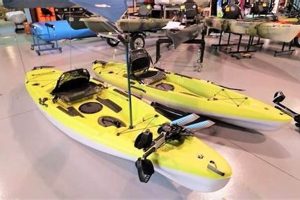
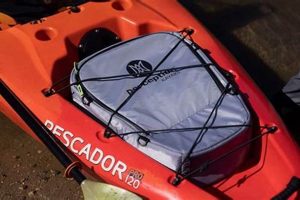
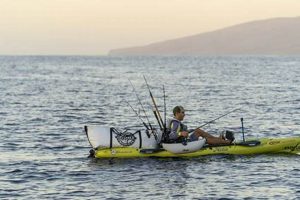
A well-equipped kayak angler in Tennessee typically utilizes a fishing kayak designed for stability and maneuverability, equipped with features like rod holders, storage compartments, and anchor systems. Rod and reel combinations are selected based on target species and preferred fishing techniques, ranging from lighter setups for finesse fishing to heavier gear for larger game fish. A variety of lures, tailored to attract specific species and adapt to varying water conditions, comprise an essential component of the angler’s arsenal. Fish finders and GPS units provide crucial information about water depth, bottom structure, and fish location, enabling strategic navigation and efficient targeting. Safety equipment, including personal flotation devices (PFDs) and communication devices, are paramount for ensuring angler well-being throughout the tournament. Appropriate attire, including sun protection and waterproof gear, enhances angler comfort and endurance during potentially challenging weather conditions.
The strategic deployment of this essential equipment distinguishes successful competitive anglers. For example, utilizing a fish finder to locate submerged structure in a reservoir can significantly increase the odds of encountering largemouth bass. Similarly, employing a finesse spinning rod and light line allows for precise presentations of small lures, enhancing the chances of catching wary smallmouth bass in a riverine environment. Failure to utilize appropriate equipment can hinder performance and limit an angler’s ability to effectively target specific species or adapt to changing conditions. Understanding the nuances of essential equipment selection and application is, therefore, a critical factor for achieving competitive success in Tennessee kayak fishing tournaments. The appropriate equipment provides a platform for strategic execution and enhances the overall tournament experience.
6. Community & Growth

A thriving community plays a vital role in the growth and sustainability of Tennessee kayak fishing tournaments. The sense of camaraderie among participants fosters a welcoming environment that attracts new anglers and encourages continued engagement within the sport. This positive feedback loop contributes to the overall expansion of competitive kayak angling throughout the state. Social connections forged through shared experiences create a supportive network where knowledge and techniques are exchanged, promoting skill development and enhancing the overall tournament experience. Established anglers often mentor newcomers, sharing insights on effective strategies, preferred locations, and responsible angling practices. This mentorship fosters a culture of learning and contributes to the retention of participants within the competitive landscape.
Organized kayak fishing clubs and online forums serve as central hubs for community interaction. These platforms facilitate communication among anglers, enabling the sharing of tournament information, fishing reports, and equipment recommendations. They also provide avenues for organizing group fishing trips, promoting camaraderie and fostering a sense of collective identity. The growth of these communities translates directly into increased participation in tournaments, generating greater interest and support for the sport. For instance, the Tennessee Kayak Anglers Association, with its active membership base and regular events, exemplifies the positive impact of community organization on tournament participation. Similarly, online forums dedicated to kayak fishing in Tennessee provide valuable resources and connect anglers across the state, fostering a sense of shared passion and encouraging participation in competitive events.
The symbiotic relationship between community and growth within Tennessee kayak fishing tournaments underscores the importance of fostering a welcoming and inclusive environment. Strong community bonds contribute to increased participation, enhanced skill development, and the overall advancement of the sport. Continued growth relies on nurturing these connections and promoting a culture of shared passion and responsible angling practices. This focus on community building ensures the long-term health and sustainability of competitive kayak angling in Tennessee, solidifying its position as a prominent recreational activity and fostering a vibrant and supportive network of anglers.
Frequently Asked Questions
This section addresses common inquiries regarding competitive kayak angling in Tennessee, providing clarity on key aspects of the sport and offering valuable insights for both prospective participants and interested observers.
Question 1: How does one locate information about upcoming tournaments?
Information regarding upcoming events is typically disseminated through online platforms, social media groups dedicated to kayak fishing, and local tackle shops. Statewide angling organizations often maintain calendars of events, providing comprehensive listings of scheduled competitions.
Question 2: Are there specific licensing requirements for tournament participation?
A valid Tennessee fishing license is generally required for tournament participation. Specific requirements may vary depending on the event and the waters being fished. It’s essential to verify licensing requirements with tournament organizers or consult the Tennessee Wildlife Resources Agency (TWRA) for clarification.
Question 3: What types of kayaks are suitable for tournament fishing?
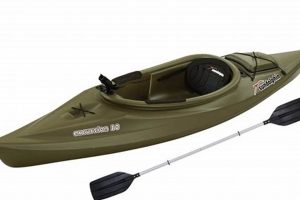
Kayaks designed specifically for fishing offer enhanced stability, maneuverability, and storage capacity, making them ideal for tournament use. Features like rod holders, anchor systems, and comfortable seating contribute to angler performance and overall experience. Sit-on-top kayaks are particularly popular due to their self-bailing capabilities and ease of entry and exit.
Question 4: What is the typical cost associated with entering a kayak fishing tournament?
Entry fees vary considerably depending on the tournament’s scale, duration, and potential prize payouts. Smaller, local events may have modest entry fees, while larger, multi-day tournaments can command higher fees. Potential participants should consult specific tournament details for cost information.
Question 5: What conservation practices are employed in these tournaments?
Catch-photo-release (CPR) formats are increasingly prevalent in kayak fishing tournaments, prioritizing fish conservation. These formats require anglers to photograph their catches alongside a measuring device before releasing them back into the water. This practice minimizes fish handling stress and promotes healthy fish populations.
Question 6: How can one improve competitive performance in kayak fishing tournaments?
Pre-tournament scouting, strategic location selection, effective fish-finding techniques, and efficient time management contribute significantly to competitive performance. Understanding target species behavior, adapting to prevailing conditions, and utilizing appropriate tackle are also crucial factors for success. Participating in local clubs and seeking guidance from experienced anglers can provide valuable insights and accelerate skill development.
Careful consideration of these frequently asked questions enhances understanding of Tennessee kayak fishing tournaments, providing valuable information for both participants and enthusiasts. Informed participation and adherence to regulations contribute to the responsible growth and sustainability of this dynamic sport.
The subsequent section will delve into advanced strategies and techniques employed by seasoned kayak anglers in competitive settings.
Tennessee Kayak Fishing Tournaments
Competitive kayak angling in Tennessee represents a dynamic intersection of athleticism, sporting prowess, and environmental stewardship. This exploration has highlighted the multifaceted nature of these events, encompassing tournament formats, target species, diverse locations, essential equipment, and the importance of regulations and safety protocols. The growth and sustainability of these competitions are intrinsically linked to a vibrant and supportive community, fostering camaraderie, knowledge sharing, and responsible angling practices. This analysis underscores the sport’s significance within the broader context of Tennessee’s recreational landscape.
The future of competitive kayak angling in Tennessee rests upon continued adherence to conservation principles, ethical angling practices, and the cultivation of a welcoming and inclusive environment. Active participation, informed decision-making, and a shared commitment to preserving Tennessee’s aquatic ecosystems will ensure the enduring vitality and positive impact of these tournaments for generations to come. The evolving landscape of competitive kayak fishing presents both challenges and opportunities, demanding adaptability, innovation, and a continued dedication to the sport’s core values. These factors will shape the future trajectory of competitive kayak angling, ensuring its continued growth and positive contribution to Tennessee’s outdoor recreational heritage.