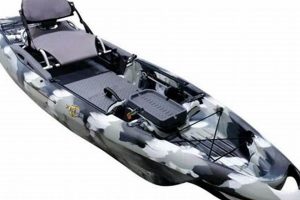
Competitive angling from human-powered vessels is a growing sport within the broader fishing community. In the Bluegrass State, these events offer participants the chance to test their skills against other anglers, targeting a variety of freshwater species in lakes and rivers across the Commonwealth. Typically, these competitions involve specific rules and regulations, including permitted fishing locations, tackle restrictions, and scoring systems based on species, size, and often, catch-and-release practices.
These contests provide a unique blend of outdoor recreation, sporting competition, and environmental stewardship. They promote camaraderie among anglers, contribute to local economies through tourism and related spending, and often support conservation efforts through partnerships with environmental organizations. The rising popularity of this niche angling segment reflects a broader trend towards accessible and environmentally conscious outdoor activities. A rich history of angling in Kentucky provides fertile ground for this sport’s continued growth.
This article will delve into the specifics of competitive kayak angling within Kentucky, exploring topics such as prominent tournament circuits, popular fishing destinations, essential gear and techniques, and the evolving regulations that govern this exciting pursuit.
Tips for Competitive Kayak Angling in Kentucky
Success in tournament kayak fishing requires preparation, strategic thinking, and adaptability. These tips offer guidance for anglers seeking a competitive edge on Kentucky waters.
Tip 1: Pre-Fishing is Crucial: Thoroughly scouting potential fishing locations prior to the tournament is essential. Understanding water depth, structure, and prevalent forage species significantly improves the odds of locating target fish.
Tip 2: Master Kayak Control: Precise boat handling is paramount. Anglers should practice maneuvering efficiently in various conditions, including wind and current, to maintain optimal casting positions and minimize disturbance.
Tip 3: Tackle Selection and Organization: Selecting the appropriate rods, reels, lines, and lures based on target species and fishing conditions is key. Maintaining a well-organized tackle system allows for quick and efficient lure changes.
Tip 4: Weather Awareness: Kentucky weather can be unpredictable. Monitoring forecasts and adapting fishing strategies accordingly is essential for safety and maximizing fishing time.
Tip 5: Rules and Regulations: Thorough knowledge of tournament rules and state fishing regulations is mandatory. Compliance ensures fair competition and avoids penalties.
Tip 6: Conservation Practices: Respectful handling and prompt release of fish are crucial for maintaining healthy fish populations. Employing proper catch-and-release techniques contributes to the long-term sustainability of the sport.
Tip 7: Network and Learn: Engaging with fellow anglers and participating in local fishing communities can provide valuable insights and enhance angling skills.
By focusing on these key areas, tournament anglers can increase their chances of success while contributing to the responsible enjoyment of Kentucky’s aquatic resources.
These tips offer a starting point for those looking to excel in competitive kayak angling. Further exploration of specific techniques, tournament strategies, and local knowledge will contribute to continued growth and enjoyment of the sport.
1. Competition

The competitive element is central to kayak fishing tournaments in Kentucky. It provides the driving force behind angler participation, encouraging skill development, strategic thinking, and a deeper engagement with the sport. Understanding the various facets of competition within this context is crucial for appreciating the dynamics of these events.
- Skill Assessment:
Tournaments offer a structured environment for anglers to test their abilities against their peers. Success hinges on a combination of factors, including fish location, presentation techniques, and efficient handling. These events often reveal subtle differences in angling prowess, highlighting expertise in specific techniques or knowledge of particular waterways. For instance, an angler skilled in using topwater lures in shallow, weedy areas may excel in a tournament held on a small lake, while another angler’s expertise in deep-water jigging might prove advantageous on a larger reservoir like Kentucky Lake. This direct comparison of skills fosters continuous improvement and learning within the angling community.
- Strategic Decision-Making:
Competitive kayak fishing necessitates strategic planning and in-tournament adjustments. Anglers must consider factors like weather patterns, water conditions, and competitor behavior when deciding where to fish and what techniques to employ. A pre-tournament strategy might focus on targeting specific species in a particular area, but changing conditions or the observed success of other competitors may require a shift in approach during the event. This dynamic decision-making process adds a layer of complexity and excitement to the competition.
- Format and Rules:
Tournament formats and rules significantly influence competitive dynamics. Variations in scoring systems, target species, and permitted fishing areas shape angler strategies and determine the outcome of the competition. A tournament focused solely on largemouth bass over 15 inches will encourage anglers to employ techniques and target locations that favor larger fish, while a multi-species format might promote a more diverse approach. Understanding the specific rules and format is crucial for effective competition.
- Sportsmanship and Camaraderie:
While competition drives individual performance, a strong sense of sportsmanship and camaraderie often pervades these events. Anglers share information, offer assistance, and celebrate each other’s successes. This collaborative spirit fosters a positive and supportive community within the competitive landscape. Respect for fellow competitors and adherence to ethical angling practices are fundamental elements of these tournaments.
These interconnected aspects of competition contribute to the unique character of kayak fishing tournaments in Kentucky. They elevate the sport beyond simply catching fish, transforming it into a test of skill, strategy, and sportsmanship played out on the beautiful waters of the Commonwealth. The competitive environment provides a platform for personal growth, fosters community engagement, and ultimately contributes to the overall enjoyment and sustainability of the sport.
2. Kayak Angling

Kayak angling forms the foundational element of kayak fishing tournaments in Kentucky. The sport’s increasing popularity stems from its unique blend of accessibility, affordability, and close-to-the-water experience. This intimate interaction with the aquatic environment provides distinct advantages and challenges for tournament competitors. Kayaks grant access to shallow, secluded waters often inaccessible to larger boats, expanding the range of fishable locations. This advantage is particularly relevant in Kentucky, where numerous smaller lakes, rivers, and streams offer prime habitat for various fish species. However, kayak angling also demands specialized skills. Maneuvering a kayak while simultaneously casting and retrieving requires balance, coordination, and an understanding of how wind and current affect boat control. These skills are essential for effective tournament performance.
The connection between general kayak angling and tournament participation is symbiotic. Regular kayak fishing hones the skills crucial for competitive success, including precise casting, efficient fish landing from a smaller platform, and strategic navigation. Tournament participation, in turn, elevates angling skills through the pressure of competition and observation of other anglers’ techniques. For example, an angler regularly fishing Elkhorn Creek from a kayak develops intimate knowledge of its currents, depth changes, and likely fish-holding spots, providing a competitive edge in a local tournament. Conversely, observing a winning angler’s strategic use of specific lures or techniques during a tournament can inform and improve an individual’s broader kayak angling approach. This reciprocal relationship fosters skill development and enriches the overall kayak angling experience.
Understanding the nuances of kayak angling is fundamental to successful tournament participation in Kentucky. The ability to effectively navigate diverse water bodies, adapt to changing conditions, and precisely present lures from a kayak platform distinguishes skilled tournament anglers. While the competitive aspect introduces strategic elements and performance pressures, the core skills remain rooted in the fundamental principles of kayak angling. This intimate connection between recreational kayak fishing and tournament competition reinforces the importance of continuous skill development, responsible angling practices, and a deep appreciation for the aquatic resources that support this growing sport.
3. Kentucky Waters

Kentucky’s diverse aquatic ecosystems play a crucial role in the success and appeal of kayak fishing tournaments. The state’s extensive network of lakes, rivers, and streams provides a rich tapestry of angling opportunities, each presenting unique challenges and rewards for tournament competitors. The specific characteristics of these waters significantly influence tournament strategies, target species, and overall angler experience. Understanding this connection is essential for both participants and those seeking a deeper understanding of competitive kayak angling in the Commonwealth.
- Lake Dynamics:
Kentucky boasts numerous large reservoirs, such as Kentucky Lake, Lake Barkley, and Dale Hollow Lake, which offer expansive areas for tournament competition. These impoundments feature diverse habitats, including deep channels, shallow flats, and submerged timber, attracting a variety of game fish species. Tournament organizers often leverage this habitat diversity by setting boundaries that encompass multiple areas, requiring anglers to adapt their strategies based on location. For instance, a tournament on Kentucky Lake might necessitate techniques ranging from deep-water trolling for crappie to shallow-water flipping for bass, challenging anglers to demonstrate versatility.
- River Systems:
Kentucky’s rivers, including the Ohio, Cumberland, and Kentucky Rivers, present unique challenges and opportunities for kayak anglers. Current, depth fluctuations, and seasonal changes in water clarity influence fish behavior and dictate angler approaches. Tournaments held on river systems often require specialized techniques like drift fishing or anchoring near structure. The Cumberland River, for example, offers excellent smallmouth bass fishing, but its rocky bottom and fluctuating currents demand precise boat control and specialized tackle. These factors contribute to a distinctive tournament experience, rewarding anglers who understand riverine dynamics.
- Accessibility and Launch Points:
The availability of suitable launch points and access areas significantly impacts tournament logistics and angler accessibility. Kentucky’s waterways offer a range of launch options, from developed boat ramps to more remote bank access points. Tournament organizers consider these factors when selecting locations, aiming to balance accessibility with the desire to explore diverse fishing grounds. A tournament on a smaller lake with limited launch access may necessitate staggered start times or designated launch areas, adding a logistical element to the competition.
- Conservation and Regulations:
The health and sustainability of Kentucky’s waters are paramount to the long-term viability of kayak fishing tournaments. State fishing regulations, including size and creel limits, play a crucial role in conserving fish populations and maintaining ecological balance. Tournament organizers often incorporate conservation practices, such as mandatory catch-and-release protocols and educational initiatives, promoting responsible angling. This focus on conservation ensures that tournament activities contribute to the preservation of Kentucky’s aquatic resources for future generations.
The interplay between these facets of Kentucky’s waters and the structure of kayak fishing tournaments creates a dynamic and engaging competitive landscape. The diversity of aquatic habitats, the challenges posed by different water bodies, and the emphasis on conservation collectively shape the character of these events. Understanding these interconnected elements is essential for appreciating the unique appeal and enduring popularity of kayak fishing tournaments in the Bluegrass State. This intricate relationship between the natural environment and the sport underscores the importance of responsible angling practices and the continued stewardship of Kentucky’s valuable aquatic resources.
4. Regulations and Rules

Regulations and rules form the backbone of organized kayak fishing tournaments in Kentucky, ensuring fair competition, promoting safety, and contributing to the long-term sustainability of the sport and the state’s aquatic resources. These guidelines, encompassing both state fishing regulations and tournament-specific rules, provide a framework within which anglers compete, shaping participant behavior and influencing tournament outcomes. Understanding these regulations is crucial for both tournament organizers and participants.
- State Fishing Regulations:
Adherence to Kentucky Department of Fish and Wildlife Resources regulations is paramount. These regulations cover aspects such as licensing requirements, size and creel limits for various species, permitted fishing methods, and seasonal closures. For example, a tournament targeting black bass might adhere to state-mandated size limits, ensuring that only fish exceeding a certain length are eligible for weigh-in, protecting younger breeding populations. Compliance with these statewide regulations is a fundamental requirement for all tournament participants.
- Tournament-Specific Rules:
Individual tournaments often implement specific rules tailored to the event’s format, target species, and location. These rules might address permitted fishing areas, boundaries, allowed tackle and bait types, and scoring methods. For instance, a tournament focused on promoting artificial lure fishing might prohibit the use of live bait, encouraging specific angling techniques. These specialized rules contribute to the unique character of individual tournaments and require careful review by participants.
- Safety Protocols:
Safety is a primary concern in kayak fishing tournaments. Regulations and rules often mandate the use of personal flotation devices (PFDs), require participants to carry specific safety equipment, and outline procedures for emergency situations. These safety protocols are designed to mitigate risks associated with on-the-water activities, ensuring participant well-being. For example, a tournament held during colder months might require anglers to wear immersion suits or carry signaling devices, enhancing safety in the event of capsizing.
- Conservation Practices:
Increasingly, kayak fishing tournaments incorporate conservation-focused rules. Mandatory catch-and-release practices, restrictions on fish handling techniques, and the use of specific weigh-in procedures contribute to minimizing stress on fish populations and promoting healthy ecosystems. Tournaments may also partner with conservation organizations to promote responsible angling practices and educate participants on the importance of resource stewardship. These initiatives reflect a growing awareness of the role tournaments play in protecting Kentucky’s aquatic resources.
The interplay between state regulations and tournament-specific rules creates a comprehensive framework for ethical and sustainable competitive kayak angling in Kentucky. These guidelines ensure fair competition while simultaneously prioritizing angler safety and resource conservation. Understanding and adhering to these regulations is not merely a requirement for participation but a demonstration of commitment to the long-term health and viability of the sport and the aquatic ecosystems it depends upon. This intricate balance between competition, safety, and conservation underscores the responsible approach that characterizes the evolution of kayak fishing tournaments in Kentucky.
5. Prizes and Recognition

Prizes and recognition constitute significant motivating factors within the competitive landscape of Kentucky kayak fishing tournaments. These rewards, ranging from tangible prizes to the less tangible but equally valuable acknowledgement of skill and achievement, contribute to the overall appeal and sustained growth of the sport. They serve not only to incentivize participation and elevate the competitive spirit but also to highlight angler accomplishments and foster a sense of community within the kayak fishing fraternity. Understanding the role and structure of these reward systems offers valuable insights into the dynamics of tournament kayak fishing.
- Types of Prizes:
Prizes awarded in Kentucky kayak fishing tournaments vary widely, reflecting the scale and sponsorship levels of individual events. They can range from cash awards, often determined by placement and total weight of fish caught, to merchandise prizes, such as fishing gear, kayaks, or outdoor equipment. Some tournaments also offer prizes for specific achievements, such as catching the largest fish of a particular species, adding an element of specialized competition. The diversity of prize structures caters to different angler motivations and contributes to the overall excitement and anticipation surrounding tournament outcomes.
- Recognition and Prestige:
Beyond tangible prizes, recognition within the angling community holds significant value. Winning a tournament, achieving a high ranking, or consistently performing well can enhance an angler’s reputation and standing within the sport. This recognition can lead to sponsorship opportunities, invitations to elite events, and increased visibility within the kayak fishing community. For some anglers, the prestige associated with competitive success is as motivating as the tangible prizes offered. This intangible reward system fosters a sense of achievement and drives continuous improvement.
- Sponsorship and Industry Involvement:
The prize structures of many kayak fishing tournaments are significantly influenced by sponsorships from businesses within the fishing and outdoor recreation industries. These sponsorships provide financial support for tournament operations and contribute to the prize pool, often showcasing their products and services to a targeted audience of passionate anglers. This symbiotic relationship benefits both the tournament organizers and the sponsoring companies, fostering growth within the kayak fishing industry. The level of sponsorship often reflects the prestige and popularity of a tournament.
- Impact on Angler Motivation:
The prospect of prizes and recognition undoubtedly influences angler motivation and participation. While the inherent enjoyment of fishing and the challenge of competition are primary drivers, the potential for tangible rewards and the pursuit of recognition add another layer of incentive. This combination of intrinsic and extrinsic motivation contributes to the intensity and dedication observed in competitive kayak angling. The structure and value of prizes can influence the level of competition and attract anglers of varying skill levels.
The system of prizes and recognition within Kentucky kayak fishing tournaments plays a vital role in shaping the sport’s competitive landscape. The variety of prize structures, the pursuit of prestige, the influence of sponsorships, and the impact on angler motivation collectively contribute to the dynamism and growth of competitive kayak angling. These reward systems not only incentivize participation and celebrate achievement but also reflect the broader economic and social dynamics of the sport, solidifying its place within the wider fishing community and Kentucky’s outdoor recreational landscape. The ongoing evolution of these systems will undoubtedly continue to shape the future of kayak fishing tournaments in the Commonwealth.
6. Conservation Efforts

Conservation efforts are increasingly integral to kayak fishing tournaments in Kentucky, reflecting a growing awareness of the sport’s environmental impact and the importance of sustainable angling practices. These initiatives aim to minimize the impact of tournament activities on fish populations and aquatic ecosystems, ensuring the long-term health and viability of the sport. The integration of conservation principles into tournament structures represents a significant shift towards responsible angling and underscores the commitment of the kayak fishing community to environmental stewardship.
- Catch-and-Release Practices:
Catch-and-release is a cornerstone of conservation in tournament kayak fishing. Many tournaments mandate immediate release of all caught fish, minimizing handling stress and maximizing survival rates. Specific techniques, such as the use of rubberized nets and proper fish handling procedures, are often promoted and enforced to further reduce fish mortality. For example, tournaments may require anglers to carry and utilize specialized weigh-in bags or implement live-release weigh stations to minimize the time fish are out of the water. This focus on catch-and-release ensures that tournaments contribute to the preservation of fish populations.
- Habitat Preservation and Restoration:
Kayak fishing tournaments sometimes incorporate habitat preservation and restoration initiatives. Partnering with local conservation organizations, tournaments may organize pre- or post-tournament cleanup events, removing debris and invasive vegetation from shorelines and waterways. Some tournaments contribute financially to habitat restoration projects, supporting efforts to improve water quality and enhance fish spawning areas. These initiatives demonstrate a commitment to improving the overall health of Kentucky’s aquatic ecosystems.
- Education and Awareness:
Tournaments provide a platform for educating anglers about conservation best practices. Pre-tournament briefings, informational materials, and partnerships with environmental agencies offer opportunities to disseminate information about responsible angling techniques, the importance of habitat preservation, and the impacts of invasive species. Raising awareness among tournament participants contributes to broader adoption of conservation principles within the kayak fishing community. This educational component strengthens the link between competitive angling and environmental responsibility.
- Data Collection and Research:
Some kayak fishing tournaments contribute to scientific research by collecting data on fish populations and aquatic ecosystems. Information gathered during tournaments, such as species composition, size distribution, and catch rates, can provide valuable insights for fisheries management and conservation efforts. This data can inform decisions regarding stocking programs, habitat restoration projects, and fishing regulations, contributing to a science-based approach to resource management. The integration of data collection into tournament activities enhances the value and impact of these events beyond the competitive sphere.
These multifaceted conservation efforts demonstrate the evolving relationship between competitive kayak fishing and environmental stewardship in Kentucky. By integrating catch-and-release practices, supporting habitat preservation, promoting education and awareness, and contributing to scientific research, kayak fishing tournaments are actively working to minimize their environmental impact and ensure the long-term health of Kentucky’s aquatic resources. This commitment to conservation not only benefits the environment but also enhances the overall value and sustainability of the sport, fostering a responsible and engaged kayak fishing community. The continued evolution of these conservation initiatives will play a crucial role in shaping the future of kayak fishing tournaments in Kentucky.
Frequently Asked Questions
This section addresses common inquiries regarding competitive kayak angling in Kentucky, providing concise and informative responses to clarify key aspects of the sport.
Question 1: How does one locate information on upcoming kayak fishing tournaments in Kentucky?
Information regarding scheduled tournaments can be found through various online resources, including dedicated kayak fishing websites, social media groups, and local fishing forums. Additionally, some tackle shops and outfitters specializing in kayak fishing often maintain calendars of local events.
Question 2: Are there specific licensing requirements for participating in these tournaments?
A valid Kentucky fishing license is mandatory for participation in any fishing tournament held within the state. Specific license requirements may vary depending on angler residency and age. It is crucial to consult the Kentucky Department of Fish and Wildlife Resources for current licensing regulations.
Question 3: What types of kayaks are typically used in these competitions?
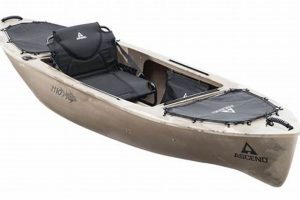
While specific kayak choices vary based on individual angler preferences and fishing styles, sit-on-top kayaks are generally favored for their stability, ease of entry and exit, and ample storage capacity for fishing gear. Specialized fishing kayaks often feature integrated rod holders, fish finders, and other accessories designed for angling.
Question 4: What are the typical target species in Kentucky kayak fishing tournaments?
Kentucky’s diverse fish populations offer a variety of target species for tournament anglers. Common targets include largemouth bass, smallmouth bass, crappie, and catfish. Specific target species may be designated for individual tournaments based on location, season, and the goals of the event.
Question 5: How are tournament results typically determined and prizes awarded?
Most kayak fishing tournaments utilize a weigh-in system to determine results. Anglers present their catches at designated times and locations, with total weight often being the primary determinant of placement. Some tournaments may also incorporate length-based scoring or award prizes for specific achievements, such as catching the largest fish of a particular species. Prize structures vary depending on the tournament’s scale and sponsorship levels.
Question 6: What role do conservation practices play in these tournaments?
Conservation is increasingly emphasized in Kentucky kayak fishing tournaments. Many events mandate catch-and-release practices, promote responsible fish handling techniques, and partner with conservation organizations to support habitat restoration initiatives. This focus on conservation reflects a growing awareness of the importance of protecting Kentucky’s aquatic resources and ensuring the long-term sustainability of the sport.
Understanding these fundamental aspects of kayak fishing tournaments in Kentucky provides a foundation for prospective participants and those seeking a deeper appreciation of the sport. Further exploration of specific regulations, tournament formats, and local resources can enhance angler knowledge and contribute to a more informed and enjoyable experience.
This FAQ section serves as a starting point for understanding the key aspects of kayak fishing tournaments in Kentucky. Further exploration of specific topics and engagement with local angling communities can provide more in-depth insights and enhance tournament preparation.
Kayak Fishing Tournaments Kentucky
This exploration of competitive kayak angling within Kentucky has highlighted the multifaceted nature of this rapidly growing sport. From the strategic intricacies of tournament competition to the crucial role of Kentucky’s diverse waterways, the analysis has underscored the unique blend of skill, strategy, and environmental consciousness that defines this angling pursuit. The examination of regulations, prize structures, and conservation efforts has revealed a commitment to fair play, responsible angling practices, and the long-term sustainability of aquatic resources. The information provided offers a comprehensive overview of the key elements shaping the landscape of competitive kayak fishing in the Commonwealth.
The future of kayak fishing tournaments in Kentucky appears promising, driven by increasing angler participation, ongoing advancements in kayak and fishing technology, and a growing emphasis on conservation. Continued growth hinges on responsible resource management, adherence to ethical angling practices, and the collaborative efforts of tournament organizers, anglers, and conservation stakeholders. The ongoing evolution of this dynamic sport promises exciting opportunities for both seasoned competitors and those seeking to experience the unique challenge and reward of competitive kayak angling in Kentucky.