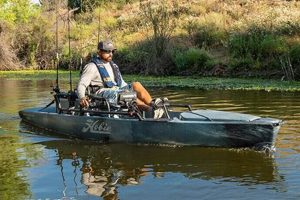
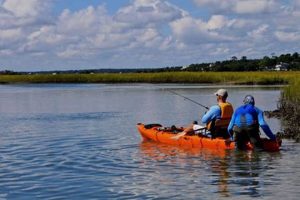
Low-temperature angling from a small, human-powered vessel presents unique challenges and rewards. This specialized activity requires careful preparation and specialized equipment to ensure safety and success. Imagine a serene winter landscape reflected in still water, punctuated by the occasional splash of a hooked fish. This serene image captures the essence of the experience, but belies the meticulous planning required.
This pursuit offers access to otherwise unreachable fishing grounds during colder months when many species are at their peak. Historically, small boat fishing in colder conditions provided sustenance in times when other food sources were scarce. Today, it continues to attract dedicated anglers seeking both solitude and the thrill of the catch in unique environmental conditions. The distinct advantages of stealth and maneuverability offered by kayaks allows anglers to approach fish with minimal disturbance, increasing the chances of success.
The subsequent sections will explore essential safety precautions, recommended gear and clothing, ideal locations, and effective fishing techniques for this demanding yet rewarding activity. Understanding the nuances of low-temperature aquatic environments is key to a safe and successful experience.
Tips for Low-Temperature Kayak Angling
Careful planning and preparation are crucial for a safe and successful experience when fishing from a kayak in cold conditions. The following tips offer guidance for mitigating risks and maximizing the enjoyment of this demanding activity.
Tip 1: Dress in Layers: Multiple thin layers of insulating clothing provide better protection than single thick garments. This approach allows anglers to regulate body temperature effectively as conditions change. Prioritize moisture-wicking base layers to avoid chills caused by perspiration.
Tip 2: Check Weather Forecasts: Consult detailed marine weather forecasts before embarking on any trip. Pay close attention to wind speed, air temperature, and water temperature. Postpone trips if conditions are unfavorable.
Tip 3: Wear a Personal Flotation Device (PFD): A PFD is essential safety equipment. Ensure it fits correctly and is worn at all times while on the water. Consider a PFD designed specifically for paddling, offering greater range of motion.
Tip 4: Carry Safety Gear: Pack a waterproof bag with essential safety items, including a whistle, signaling device, first-aid kit, and communication device. Inform someone of the planned trip route and estimated return time.
Tip 5: Choose Appropriate Locations: Opt for sheltered waters with minimal current or waves, particularly when starting out. Avoid areas known for strong winds or sudden changes in weather. Familiarize oneself with local water conditions and potential hazards.
Tip 6: Pack Extra Clothing and Food: Conditions can change rapidly. Packing extra layers of warm, dry clothing can prevent hypothermia. High-energy snacks provide sustenance and help maintain body temperature.
Tip 7: Be Aware of Cold Water Risks: Cold water immersion can lead to rapid loss of body heat and decreased dexterity. Understand the symptoms and treatment of hypothermia and cold water shock.
Adherence to these precautions significantly enhances safety and enjoyment during low-temperature kayak angling excursions. Careful planning and appropriate gear selection are paramount to a successful experience.
By following these guidelines, anglers can enjoy the unique challenges and rewards of this specialized activity while minimizing risks. The next section will delve further into specific gear recommendations for cold weather kayak fishing.
1. Safety Gear

Safety gear plays a vital role in mitigating the inherent risks of cold weather kayak fishing. Low water temperatures pose a significant threat of hypothermia and cold water shock, necessitating specialized equipment beyond standard fishing gear. A properly fitted personal flotation device (PFD) is paramount. Should an angler capsize, a PFD provides essential buoyancy, increasing survival time in frigid water. A reliable communication device, such as a waterproof VHF radio or a personal locator beacon (PLB), enables summoning assistance in emergencies. A first-aid kit equipped to address cold-water injuries, including hypothermia and lacerations, is also crucial. Consider a dry bag containing extra layers of warm clothing. Even a brief immersion can lead to rapid heat loss, making a change of dry clothes essential for preventing hypothermia.
Beyond these essentials, additional safety gear enhances preparedness for cold weather conditions. A float plan filed with a trusted individual ensures someone is aware of the planned route and expected return time. Carrying a signaling device, such as a whistle or flares, increases visibility in case of distress. A bilge pump or bailing device can address water accumulation in the kayak, improving stability. Investing in a reliable waterproof GPS unit aids navigation and can be invaluable in low visibility conditions like fog or snow. Carrying chemical hand warmers offers a simple yet effective way to maintain dexterity in extreme cold. These precautions are particularly critical given the reduced response times of rescue services in remote or sparsely populated areas, often frequented by kayak anglers.
Understanding the critical relationship between safety gear and cold weather kayak fishing empowers anglers to make informed decisions and prioritize personal safety. Comprehensive preparation mitigates risks, ensuring a more enjoyable and ultimately safer experience. The potential consequences of inadequate safety precautions in a cold-water environment underscore the importance of thorough planning and equipping oneself with the right tools for survival. Diligence in this area allows anglers to focus on the sport while minimizing the potential for serious incidents.
2. Layered Clothing

Effective thermal regulation is paramount in cold weather kayak fishing. Layered clothing provides superior adaptability to fluctuating conditions and varying levels of exertion compared to single, thick garments. This approach allows anglers to adjust insulation as needed, maximizing comfort and preventing both overheating and hypothermia.
- Base Layer: Moisture Management
The base layer serves as the foundation of a layering system, directly against the skin. Moisture-wicking fabrics, such as merino wool or synthetic polyester blends, draw perspiration away from the body, preventing chills and maintaining a dry, comfortable microclimate. This function is crucial during periods of high exertion, such as paddling against wind or current.
- Mid Layer: Insulation
Mid-layers provide the primary insulation, trapping warm air close to the body. Fleece jackets, lightweight down vests, or synthetic insulated jackets are effective choices. The thickness and type of insulation can be adjusted based on the expected temperature range. Multiple thinner mid-layers offer greater versatility than a single bulky layer.
- Outer Layer: Protection
The outer layer shields against wind, rain, and spray. Waterproof and breathable fabrics are ideal, allowing moisture vapor to escape while preventing external moisture from entering. Durable water repellent (DWR) coatings enhance water resistance. A well-designed outer layer also minimizes wind penetration, a significant factor in heat loss.
- Extremities: Hands, Feet, and Head
Protecting extremities is essential in cold weather kayak fishing. Waterproof insulated gloves or mittens maintain dexterity while preserving warmth. Neoprene booties or waterproof insulated boots keep feet dry and warm. A hat covering the head significantly reduces heat loss, as a substantial portion of body heat escapes through the head. Consider a neck gaiter or buff for additional protection in windy conditions.
By strategically combining these layers, anglers create a customizable system that effectively regulates body temperature, optimizing comfort and safety during cold weather kayak fishing excursions. The ability to add or remove layers as needed provides crucial adaptability to the often unpredictable conditions encountered on the water. Prioritizing function over fashion in layering choices ultimately contributes to a more successful and enjoyable experience.
3. Stable Kayak

Kayak stability is paramount in cold-weather fishing due to the increased risks associated with cold-water immersion. A stable platform minimizes the chances of capsizing, a critical factor in frigid conditions where even brief exposure can lead to rapid heat loss and potentially life-threatening situations. Choosing a kayak with inherent stability features is essential for a safe and successful experience.
- Hull Design:
Wider, flatter hulls generally offer greater primary stability, meaning they resist tipping initially. This characteristic is crucial for activities like casting and reeling, which can shift the angler’s center of gravity. Specialized kayak designs, such as pontoon-style hulls or those with pronounced chines (edges where the bottom and sides meet), further enhance stability. However, these designs often come at the expense of maneuverability and tracking performance.
- Kayak Length and Width:
Longer kayaks tend to track straighter and glide more efficiently, but shorter, wider kayaks offer superior stability. The optimal length-to-width ratio depends on the intended fishing environment and the angler’s experience level. For cold-water conditions, prioritizing stability over speed and maneuverability is generally advisable.
- Center of Gravity:
A lower center of gravity contributes significantly to stability. Sitting lower in the kayak brings the weight closer to the waterline, reducing the likelihood of tipping. Kayaks with a lower seat position or those designed specifically for fishing often provide enhanced stability in this regard. Proper weight distribution within the kayak is also essential. Keeping heavier items low and centered enhances stability, while uneven weight distribution can compromise balance and increase the risk of capsizing.
- Water Conditions:
While inherent kayak stability is crucial, water conditions play a significant role in overall stability. Calm, sheltered waters present fewer challenges than open water with wind, waves, or currents. Understanding the limitations of the chosen kayak design in various water conditions is essential for safe cold-weather kayak fishing. Avoiding conditions that exceed the kayak’s stability capabilities is crucial. Even the most stable kayak can capsize in rough or unpredictable water.
Selecting a stable kayak is crucial for mitigating risks and ensuring a positive experience in cold weather kayak fishing. Prioritizing stability contributes significantly to angler safety, allowing focus to remain on the fishing experience rather than constantly battling to maintain balance. The interplay between hull design, kayak dimensions, center of gravity, and water conditions determines overall stability. Careful consideration of these factors empowers anglers to make informed choices suited to the specific demands of cold-water environments.
4. Cold Water Knowledge

Comprehensive understanding of cold water dynamics is crucial for safe and successful cold weather kayak fishing. Cold water presents specific physiological challenges and alters aquatic ecosystems in ways that directly impact angler safety and fishing strategies. Ignoring these factors can lead to dangerous situations and unsuccessful fishing trips.
Cold water immersion poses significant risks. Hypothermia, a dangerous drop in core body temperature, can occur rapidly in cold water. Understanding the symptoms of hypothermia confusion, shivering, loss of coordination allows for early recognition and prompt intervention. Cold water shock, an involuntary gasp reflex triggered by sudden immersion, can lead to inhalation of water and rapid incapacitation. Knowledge of this phenomenon underscores the importance of wearing a personal flotation device (PFD) at all times. Furthermore, cold water significantly reduces dexterity, making essential tasks like re-entering a kayak after a capsize more challenging. Practicing self-rescue techniques in a controlled environment before venturing into cold water is highly recommended. Beyond immediate safety concerns, cold water also affects fish behavior. Many species become less active in colder temperatures, impacting feeding patterns and requiring adjustments in fishing techniques. Understanding the specific temperature preferences and seasonal movements of target species in the local environment is crucial for successful cold-weather angling.
Cold water knowledge is not merely theoretical; its practical application is directly linked to angler safety and fishing success. For example, recognizing the early signs of hypothermia in oneself or a fishing companion allows for timely action, potentially preventing a life-threatening situation. Adapting fishing techniques based on the known effects of cold water on fish behavior increases the likelihood of a successful catch. Equipping oneself with the appropriate safety gear, including a PFD, dry suit, or immersion suit, reflects a practical understanding of cold water’s potential dangers. Ultimately, a thorough understanding of cold water dynamics empowers anglers to make informed decisions that prioritize safety and enhance the overall fishing experience. This knowledge base allows for better preparation, more effective strategies, and a greater appreciation of the unique challenges and rewards of cold-weather kayak fishing.
5. Fish Species Awareness

Success in cold-weather kayak fishing hinges significantly on understanding the target species’ behavior in low-temperature environments. Fish species exhibit varying responses to cold water, impacting their activity levels, feeding patterns, and preferred locations. Awareness of these behavioral changes is crucial for adapting fishing techniques and maximizing catch rates during colder months. Ignoring this crucial aspect can lead to unproductive fishing trips and missed opportunities.
- Temperature Preferences:
Different fish species have specific temperature ranges within which they thrive. Some species, like trout, prefer colder water and remain active throughout the winter. Others, like bass, become less active as water temperatures drop, seeking deeper, thermally stable areas. Understanding these preferences allows anglers to target specific species based on the prevailing water temperature and choose locations where target species are likely to congregate.
- Seasonal Movements:
Many fish species undergo seasonal migrations in response to changing water temperatures. Some species move to deeper water during winter, while others seek out areas with warmer microclimates, such as springs or thermal discharges. Awareness of these movements informs location selection and allows anglers to intercept migrating fish.
- Feeding Patterns:
Cold water affects fish metabolism, influencing their feeding patterns. Some species reduce their feeding activity significantly during winter, while others continue to feed, albeit at a slower rate. Understanding these changes necessitates adjustments in lure presentation and retrieval speed. Slower, more subtle presentations often prove more effective in cold water.
- Preferred Habitats:
Cold water alters preferred habitats for many fish species. Structures that retain heat, such as deep holes, submerged logs, or rocky areas, become attractive holding areas for fish seeking thermal refuge. Anglers aware of these preferred habitats can focus their efforts in these areas, increasing the likelihood of encountering fish.
Understanding the interplay between fish species awareness and cold weather kayak fishing is essential for a successful and rewarding experience. By considering the specific temperature preferences, seasonal movements, feeding patterns, and preferred habitats of target species, anglers can adapt their strategies and maximize their chances of success in cold-water environments. This knowledge allows anglers to make informed decisions about location selection, lure choices, and presentation techniques, ultimately leading to a more productive and enjoyable fishing trip. Ignoring these factors, however, can lead to frustration and wasted time on the water.
Frequently Asked Questions
This section addresses common inquiries regarding low-temperature kayak angling, providing concise yet informative responses to facilitate informed decision-making and enhance safety practices.
Question 1: What are the primary dangers of cold-weather kayak fishing?
The primary dangers include hypothermia, cold water shock, and reduced dexterity due to cold exposure. Capsizing in cold water presents a significant risk, as even brief immersion can lead to rapid heat loss and incapacitation.
Question 2: What essential safety gear should one carry?
Essential safety gear includes a properly fitted personal flotation device (PFD), a communication device (VHF radio or PLB), a first-aid kit, and a dry bag containing extra layers of warm clothing. A signaling device, such as a whistle or flares, is also recommended.
Question 3: How should one dress for cold-weather kayak fishing?
Layering is crucial. A moisture-wicking base layer, insulating mid-layers, and a waterproof, breathable outer layer provide optimal protection and temperature regulation. Protecting extremities with waterproof gloves, boots, and a hat is essential.
Question 4: What type of kayak is best suited for cold-water conditions?
Stable kayaks with wider hulls and lower centers of gravity are preferred. Sit-on-top kayaks often offer advantages in terms of self-rescue in cold water, though sit-inside kayaks can provide better protection from the elements.
Question 5: How does cold water affect fish behavior?
Cold water slows fish metabolism, impacting their activity levels and feeding patterns. Many species seek deeper, thermally stable water or areas with warmer microclimates. Adjusting fishing techniques to account for these changes is crucial for success.
Question 6: What are the essential skills for cold weather kayak fishing?
Essential skills include proficient paddling technique, self-rescue skills, knowledge of cold-water safety procedures, and an understanding of fish behavior in cold-water environments. Practicing these skills in a controlled environment before venturing into cold water is highly recommended.
Prioritizing safety and understanding the unique challenges of cold-water environments are paramount for a successful and enjoyable experience. Careful preparation and adherence to safety guidelines significantly mitigate risks and enhance the overall experience.
This information provides a foundation for safe and productive cold weather kayak fishing. Further research and consultation with experienced anglers are encouraged to refine skills and knowledge.
Conclusion
Low-temperature kayak angling presents unique challenges and rewards. Safe and successful participation requires diligent preparation, specialized equipment, and a thorough understanding of cold-water environments. Prioritizing safety through appropriate gear, layered clothing, and a stable kayak platform is paramount. Knowledge of cold-water hazards, such as hypothermia and cold water shock, empowers informed decision-making and risk mitigation. Adapting fishing techniques to the behavioral changes of target species in cold water enhances angling success.
The allure of serene winter landscapes and the pursuit of cold-hardy fish species draw dedicated anglers to this demanding yet rewarding activity. Continued learning, skill development, and a steadfast commitment to safety practices ensure the future enjoyment and preservation of this specialized form of angling.