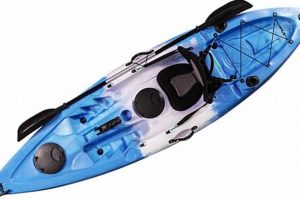
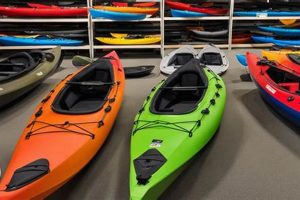
The price range for a two-person kayak varies significantly based on several factors, including the kayak’s type (sit-on-top, sit-inside, inflatable, tandem), materials (plastic, fiberglass, composite), features (rudder, storage, seating), and brand reputation. Entry-level recreational models can often be found for a few hundred dollars, while high-end fishing or touring kayaks can reach several thousand dollars. Used kayaks present a more affordable option, but require careful inspection for wear and tear.
Understanding the potential investment required for this type of watercraft allows consumers to budget effectively and select a vessel appropriate for their needs and intended use. Recreational paddling offers physical activity and enjoyment of the outdoors, while more specialized kayaks facilitate fishing, exploring, or longer expeditions. Historically, kayaks were developed by indigenous peoples of the Arctic regions for hunting and transportation. Modern iterations retain core design elements but utilize advanced materials and construction techniques for increased performance and durability.
Further exploration will cover specific kayak types and their associated price ranges, discuss the features influencing cost, and offer guidance on choosing the appropriate vessel based on budget and intended usage. Additional topics include where to purchase kayaks, maintenance considerations, and essential safety equipment.
Tips for Determining Two-Person Kayak Costs
Several factors influence the overall cost of a two-person kayak. Careful consideration of these elements will aid consumers in making informed purchasing decisions.
Tip 1: Define Intended Use: Recreational kayaking demands different features than fishing or touring. Clarifying the intended use helps narrow the search and establish a realistic budget.
Tip 2: Research Kayak Types: Sit-on-top kayaks are generally less expensive than sit-inside models. Inflatable kayaks offer portability and lower cost, but may compromise performance. Tandem kayaks are purpose-built for two paddlers.
Tip 3: Consider Materials: Plastic kayaks offer durability and affordability. Fiberglass and composite materials provide enhanced performance but come at a premium.
Tip 4: Evaluate Features: Rudders, storage compartments, adjustable seating, and other features contribute to the overall cost. Prioritize essential features based on intended use.
Tip 5: Compare Brands: Research reputable brands known for quality and durability. Consider brand reputation when evaluating price differences.
Tip 6: Explore Used Kayaks: Purchasing a used kayak can significantly reduce costs. However, thorough inspection for damage and wear is crucial.
Tip 7: Factor in Accessories: Paddles, life vests, and other essential accessories add to the total cost. Budget for these items alongside the kayak purchase.
Tip 8: Set a Realistic Budget: Establishing a budget beforehand helps avoid overspending and focuses the search on appropriate options.
By carefully considering these tips, consumers can effectively evaluate their needs, explore available options, and ultimately select a two-person kayak that aligns with their budget and intended use.
The following section will provide specific examples of two-person kayaks within various price ranges and highlight key features to consider.
1. Type

Kayak type significantly influences cost. Different types cater to various paddling styles and needs, impacting design, materials, and features, all of which contribute to the overall price. Understanding the relationship between kayak type and cost is essential for informed purchasing decisions.
- Recreational
Recreational kayaks prioritize stability and ease of use, often featuring shorter lengths and wider beams. They are typically constructed from durable, less expensive materials like high-density polyethylene (HDPE). Their simplicity and focus on affordability make them a popular choice for casual paddling and represent the lower end of the price spectrum for two-person kayaks.
- Touring
Touring kayaks are designed for longer journeys and open water conditions. They are typically longer, narrower, and built for speed and efficiency. Construction often involves higher-grade materials like fiberglass or composites for enhanced performance and durability. The specialized design and materials contribute to a higher price point compared to recreational models.
- Inflatable
Inflatable kayaks offer portability and convenience. They can be deflated and packed for easy transport and storage. While generally less expensive than hard-shell kayaks, material quality and construction significantly affect pricing. Higher-quality inflatable kayaks with durable materials and advanced features can rival the cost of some recreational hard-shell models.
- Tandem (Fishing/Specialized)
Tandem kayaks designed for specific activities, such as fishing, often incorporate specialized features like rod holders, extra storage, and enhanced stability. These features, along with the larger size to accommodate two paddlers and gear, contribute to a higher cost. Fishing kayaks, in particular, can represent the higher end of the price range for two-person models due to their specialized features.
The choice of kayak type directly correlates with the expected expenditure. By carefully considering paddling needs and desired features, consumers can effectively navigate the various types and associated price points to select the optimal two-person kayak.
2. Material

Kayak material significantly influences cost and performance. Material choice represents a trade-off between durability, weight, performance, and price. Understanding the properties and associated costs of various kayak materials empowers informed purchasing decisions.
Polyethylene (HDPE): High-density polyethylene offers durability and affordability, making it a common choice for recreational kayaks. HDPE kayaks withstand impacts and abrasion well, requiring less maintenance. However, HDPE is heavier than other materials, impacting portability and performance. Its lower cost makes it accessible to a wider range of consumers.
Fiberglass: Fiberglass kayaks offer enhanced performance due to their lighter weight and stiffer construction. This translates to improved speed and efficiency on the water. Fiberglass kayaks are more expensive than HDPE models but offer a higher level of performance. They require more careful handling and maintenance due to their susceptibility to scratches and cracks.
Composite Materials (Carbon Fiber, Kevlar): Composite materials represent the premium end of kayak construction. These materials provide exceptional strength, stiffness, and lightweight properties, resulting in superior performance. However, composite kayaks come at a significantly higher cost and demand meticulous care and maintenance. They are often the choice of serious kayakers and racers seeking optimal performance.
Inflatable Materials (PVC, Hypalon): Inflatable kayaks utilize materials like polyvinyl chloride (PVC) or Hypalon. PVC is generally less expensive but less durable than Hypalon. Hypalon offers superior resistance to abrasion and UV degradation, resulting in a longer lifespan but a higher price. Inflatable kayak costs vary significantly depending on material quality, construction, and features.
Material selection directly impacts the final cost of a two-person kayak. Balancing performance requirements, durability needs, and budget constraints is crucial when choosing a kayak material. The intended use and paddling environment further inform material selection, as certain materials excel in specific conditions.
Selecting the appropriate material ensures optimal performance and longevity while aligning with budgetary considerations. Understanding the inherent trade-offs among materials empowers consumers to make informed decisions, maximizing the value and enjoyment of their kayaking experience. Recognizing the long-term cost implications of material choice, including maintenance and potential repairs, contributes to a comprehensive cost assessment.
3. Features

Features play a substantial role in determining a two-person kayak’s cost. Added features increase manufacturing complexity and material requirements, directly impacting the final price. Understanding the relationship between features and cost allows for informed decisions aligned with budgetary constraints and desired functionality. A basic recreational kayak without additional features will typically command a lower price than a similarly sized model equipped with fishing rod holders, adjustable seating, or a rudder system. These additions, while enhancing functionality, contribute to increased production costs and a higher retail price. The presence of integrated storage compartments, advanced seating systems, or specialized hull designs further exemplifies how features influence cost.
Consider a two-person recreational kayak intended for calm lake paddling. A basic model with molded seats and minimal storage might suffice, keeping the cost lower. Conversely, a two-person fishing kayak requires specialized features like rod holders, tackle storage, and often a rudder system for maneuverability. These additions increase manufacturing complexity and material requirements, driving up the cost. Similarly, a touring kayak designed for longer expeditions benefits from features like adjustable seating for comfort, dry storage compartments for gear protection, and deck rigging for securing equipment. These features enhance functionality and contribute to a higher price point.
Balancing desired features with budgetary constraints is crucial. Prioritizing essential features based on intended use allows for cost optimization. A comprehensive understanding of how features impact price empowers consumers to make informed decisions, selecting a kayak that provides necessary functionality without unnecessary expense. Recognizing the value proposition of various features and their associated costs allows for a balanced approach to kayak selection, maximizing utility while respecting budgetary limitations. This informed approach ensures that the chosen kayak aligns with both practical needs and financial considerations.
4. Brand
Brand reputation significantly influences the cost of a two-person kayak. Established brands often command higher prices due to perceived quality, advanced manufacturing techniques, innovative designs, and robust warranties. Understanding the relationship between brand and cost allows consumers to make informed decisions based on budget and desired value.
- Perceived Quality
Brands known for high-quality materials, meticulous construction, and rigorous testing procedures often command higher prices. This reflects the expectation of superior durability, performance, and longevity. Consumers often associate a premium price with enhanced reliability and a reduced risk of manufacturing defects.
- Manufacturing Techniques
Established brands frequently invest in advanced manufacturing technologies, resulting in more refined products with enhanced performance characteristics. These investments translate to higher production costs, which are reflected in the retail price. Consumers choosing these brands often prioritize performance gains and innovative design elements.
- Innovation and Design
Brands known for innovative designs and cutting-edge features often command premium prices. Research and development efforts, along with proprietary technologies, contribute to increased costs. Consumers willing to pay a premium for innovative features often prioritize enhanced functionality and performance advantages.
- Warranty and Customer Support
Comprehensive warranties and responsive customer support contribute to brand value and influence cost. Brands offering robust warranties and readily available assistance instill consumer confidence, justifying a higher price point. Consumers prioritizing peace of mind and reliable post-purchase support often opt for brands with strong reputations in these areas.
Evaluating brand reputation alongside features, materials, and intended use provides a comprehensive approach to kayak selection. While lesser-known brands might offer comparable features at lower prices, established brands frequently provide intangible benefits such as enhanced quality assurance, advanced technologies, and reliable customer support. Understanding these factors empowers consumers to make informed purchasing decisions aligned with their individual priorities and budget constraints.
5. Condition
Condition significantly impacts the cost of a two-person kayak. A kayak’s state of repair, wear and tear, and overall appearance directly influence its market value. A pristine, unused kayak commands a higher price than a used kayak exhibiting signs of wear, scratches, or repairs. Understanding the relationship between condition and cost enables informed purchasing decisions, allowing buyers to assess value and negotiate effectively.
Consider a new, unused kayak. Its pristine condition reflects its full retail value, commanding the highest price point. Conversely, a used kayak, even with minor cosmetic imperfections like scratches or scuffs, experiences a decrease in value. More significant wear, such as deep gouges, faded colors from sun exposure, or repaired damage, further diminishes the kayak’s market price. The extent of wear and tear directly correlates to the price reduction. Functional defects, such as leaks, damaged seats, or a malfunctioning rudder system, substantially impact the price, reflecting necessary repairs and potential replacement costs.
Recognizing the impact of condition on cost allows prospective buyers to assess value accurately. Inspecting a used kayak for signs of wear, damage, and repairs provides crucial information for price negotiation. A thorough assessment empowers buyers to determine a fair market value based on the kayak’s condition. This understanding benefits both buyers and sellers, facilitating informed decisions and fair transactions. Evaluating condition alongside other factors, such as brand, features, and materials, contributes to a comprehensive understanding of a kayak’s overall value.
6. Retailer

Retailer choice significantly influences the final cost of a two-person kayak. Different retail channels offer varying pricing structures, impacting the overall expenditure. Understanding the retail landscape empowers consumers to make informed decisions, optimizing cost savings while ensuring a reliable purchasing experience.
- Specialty Outdoor Retailers
Specialty outdoor retailers often offer a curated selection of kayaks, expert advice, and potential fitting services. These advantages often come at a slightly higher price point compared to larger, more general retailers. However, the specialized knowledge, personalized service, and access to higher-end models can justify the potential price premium for consumers seeking expert guidance and specialized equipment.
- Large Sporting Goods Chains
Large sporting goods chains typically offer a wider selection of kayaks at competitive prices. While specialized expertise might be less readily available, the broader inventory and competitive pricing can appeal to budget-conscious consumers. These retailers often cater to a wider range of recreational activities, potentially offering bundled deals or discounts on related equipment.
- Online Marketplaces
Online marketplaces provide access to a vast inventory of kayaks from various sellers, often at competitive prices. However, the lack of in-person inspection and potential shipping costs require careful consideration. Comparing prices, reading reviews, and verifying seller reputations are essential for navigating online marketplaces effectively.
- Direct-to-Consumer Brands
Purchasing directly from the manufacturer can sometimes offer cost savings by eliminating intermediary markups. Direct-to-consumer brands often offer detailed product information and responsive customer support. However, the lack of in-person demonstrations or fitting services necessitates careful consideration of specifications and potential return policies.
Selecting the appropriate retail channel requires balancing cost considerations, desired service levels, and access to specific brands or models. Specialty retailers offer expertise and curated selections, while larger chains prioritize competitive pricing and broader inventory. Online marketplaces provide extensive choices but necessitate careful due diligence. Direct-to-consumer brands offer potential cost savings but require thorough research. Recognizing the advantages and disadvantages of each retail channel empowers consumers to make informed decisions aligned with their individual needs and budgetary constraints.
Frequently Asked Questions
This section addresses common inquiries regarding the cost of two-person kayaks, providing concise and informative responses to facilitate informed purchasing decisions.
Question 1: What is the average price range for a two-person kayak?
The price range varies significantly, from a few hundred dollars for basic recreational models to several thousand dollars for high-end fishing or touring kayaks. Factors such as material, features, and brand significantly influence cost.
Question 2: Are inflatable two-person kayaks cheaper than hard-shell kayaks?
Generally, inflatable kayaks are less expensive than comparable hard-shell models. However, high-quality inflatable kayaks with durable materials and advanced features can approach the cost of some recreational hard-shell kayaks.
Question 3: Do more expensive kayaks necessarily offer better quality?
While price often reflects quality, it’s essential to consider specific features, materials, and brand reputation. A higher price doesn’t always guarantee superior performance or durability. Careful research and comparison shopping are crucial.
Question 4: How does the intended use affect the cost of a two-person kayak?
Kayaks designed for specific activities, such as fishing or touring, often incorporate specialized features that contribute to a higher price. Recreational kayaks intended for calm water typically cost less due to simpler designs and fewer features.
Question 5: Can purchasing a used kayak significantly reduce costs?
Purchasing a used kayak can offer substantial savings. However, thorough inspection for wear, tear, and potential damage is crucial. Balancing cost savings with potential repair costs requires careful assessment.
Question 6: What additional costs should be considered beyond the kayak itself?
Essential accessories, such as paddles, life vests, and storage solutions, contribute to the overall cost. Transportation costs, storage fees, and potential maintenance or repair expenses should also be factored into the budget.
Careful consideration of these frequently asked questions empowers consumers to navigate the complexities of kayak pricing and make informed purchasing decisions aligned with individual needs and budgetary constraints.
The subsequent section will provide a comparative analysis of various two-person kayak models, highlighting key features, performance characteristics, and associated costs.
How Much Does a 2 Person Kayak Cost
Navigating the kayak market requires a comprehensive understanding of the factors influencing cost. Type, material, features, brand, condition, and retailer all contribute to the final price. Recreational kayaks generally represent the most affordable option, while specialized fishing or touring kayaks command higher prices due to enhanced features and design. Material selection presents a trade-off between cost, durability, and performance. Brand reputation often reflects quality and innovation, influencing price accordingly. Condition significantly impacts cost, with used kayaks offering potential savings balanced against potential repair needs. Retailer choice provides a spectrum of pricing and service levels, impacting overall expenditure.
Ultimately, informed purchasing decisions hinge on a thorough assessment of individual needs, budgetary constraints, and desired kayak characteristics. Careful consideration of these factors ensures a well-matched kayak, optimizing value and maximizing enjoyment on the water. Further research and comparison shopping remain crucial steps in the purchasing process, empowering consumers to make informed choices aligned with their specific requirements and paddling aspirations.