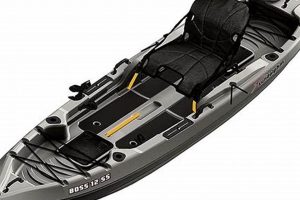
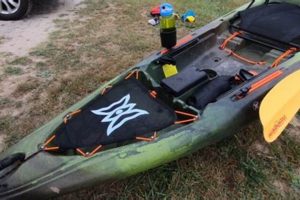
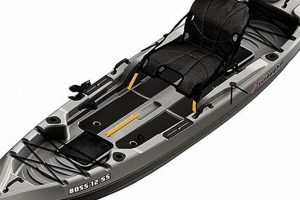
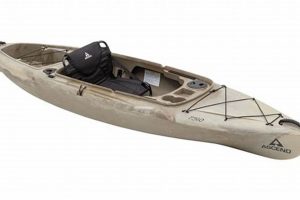
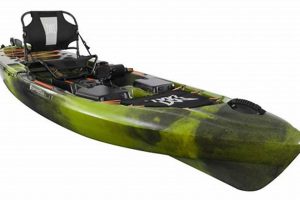
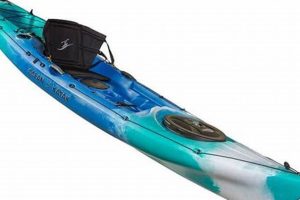
Anglers seeking a stable and versatile watercraft often consider self-propelled, above-deck vessels designed specifically for angling. These specialized boats offer an open design allowing for easy casting and movement, along with features like rod holders and storage compartments tailored to the needs of fishermen. The availability of these watercraft in the marketplace provides consumers with a range of options to suit varying budgets and preferences.
The elevated seating position in these open-deck kayaks affords improved visibility and maneuverability, advantageous for spotting fish and navigating shallow waters. Their inherent stability makes them ideal for casting lines and reeling in catches. Specialized features such as built-in rod holders, tackle storage, and even livewells further enhance the angling experience. The open design facilitates quick entry and exit, a valuable safety feature. The increasing popularity of this style of kayak for fishing has driven manufacturers to innovate and improve designs, leading to a wider selection and increased availability for purchase.
This article will explore various aspects of acquiring such specialized fishing kayaks, including factors to consider before purchasing, different types available, popular features and accessories, and tips for finding the best deals.
Tips for Selecting a Fishing Kayak
Choosing the right fishing kayak requires careful consideration of several factors to ensure optimal performance and enjoyment on the water. The following tips offer guidance for making an informed purchase decision.
Tip 1: Consider Hull Design: Kayak hull design significantly impacts stability and maneuverability. A wider, flatter hull provides greater stability, while a longer, narrower hull offers better tracking and speed. Anglers fishing in calm, shallow waters may prioritize stability, while those venturing into open water or rivers might prefer a design optimized for tracking and speed.
Tip 2: Evaluate Weight Capacity: Ensure the kayak’s weight capacity accommodates the angler’s weight, along with gear and any potential catch. Exceeding the weight capacity can compromise stability and performance.
Tip 3: Assess Storage Options: Ample storage space is essential for carrying fishing gear, tackle boxes, and personal items. Look for dedicated compartments, hatches, and bungee cords to secure belongings effectively.
Tip 4: Examine Seating Comfort: Long hours on the water necessitate a comfortable and supportive seat. Adjustable seating systems and breathable materials can enhance comfort during extended fishing trips.
Tip 5: Prioritize Stability and Maneuverability: Consider the fishing environment. Calm waters may allow for less stable but more maneuverable designs, while open water or rivers require greater stability. Test the kayak’s stability before purchasing, if possible.
Tip 6: Research Features Specific to Angling: Features like rod holders, paddle parks, and anchor trolleys can significantly enhance the fishing experience. Consider which features are most important based on individual fishing style and preferences.
Tip 7: Set a Realistic Budget: Fishing kayaks range in price depending on features, materials, and brand. Determine a budget beforehand to narrow down the options and avoid overspending.
By considering these factors, anglers can select a fishing kayak that meets their specific needs and enhances their overall fishing experience. A well-chosen kayak provides a stable, efficient, and enjoyable platform for pursuing their passion on the water.
This information should provide a solid foundation for making an informed decision. The next section will delve into specific kayak models and manufacturers.
1. Stability

Stability represents a critical factor in the design and functionality of fishing sit-on-top kayaks. A stable platform is essential for anglers to cast lines, reel in fish, and perform other fishing-related activities safely and effectively. Compromised stability can lead to capsizing, equipment loss, and potentially dangerous situations, particularly in challenging water conditions. The inherent design of sit-on-top kayaks, with their wider beam and higher center of gravity compared to traditional sit-inside kayaks, contributes to their enhanced stability. Manufacturers often incorporate design features like pontoon hulls or flared sides to further improve stability, catering specifically to the needs of anglers.
Consider an angler standing to cast in a sit-on-top kayak. A stable platform allows for comfortable and balanced movement, enabling accurate casting and retrieval. Conversely, an unstable kayak would hinder casting accuracy and potentially lead to a loss of balance. Similarly, when battling a strong fish, a stable kayak provides the necessary platform to resist the fish’s pull and successfully land the catch. In rough water conditions, stability becomes paramount for safety, preventing capsizing and ensuring the angler can maintain control of the vessel. The connection between stability and angler safety is undeniable, impacting not only fishing success but also overall well-being on the water. For those venturing into ocean environments or navigating areas with strong currents, the importance of stability is magnified.
Understanding the importance of stability in fishing sit-on-top kayaks is crucial for informed purchasing decisions. Anglers should consider factors like hull design, weight capacity, and intended fishing environment when evaluating stability. Prioritizing stability contributes significantly to a safe, enjoyable, and successful fishing experience. While maneuverability and speed are also important considerations, stability remains a fundamental requirement for anglers seeking optimal performance and safety on the water.
2. Maneuverability

Maneuverability plays a crucial role in the effectiveness of fishing sit-on-top kayaks. The ability to navigate efficiently through various water conditions, including tight spaces, shallow areas, and moving currents, directly impacts an angler’s success. Kayaks designed for maneuverability allow anglers to access prime fishing spots often inaccessible to larger vessels. Consider navigating a narrow, winding creek or approaching a secluded cove shrouded by overhanging branches. A highly maneuverable kayak allows anglers to explore these areas effectively, increasing the likelihood of finding productive fishing grounds. Conversely, a less maneuverable kayak may restrict access to these promising locations, limiting fishing opportunities.
Several design elements contribute to kayak maneuverability. Shorter kayaks generally turn more quickly than longer ones due to their reduced waterline length. Wider kayaks, while offering stability, can be less responsive to turning forces. Hull shape also plays a significant role; a kayak with a pronounced keel or tracking fin will track straighter but turn less readily than one with a flatter hull. Features like rudders or skegs can enhance directional control, particularly in windy conditions or moving water. The choice of paddle also affects maneuverability. Shorter paddles with wider blades provide greater leverage for quick turns, while longer, narrower blades are better suited for sustained paddling and straight-line tracking. Understanding these factors allows anglers to select a kayak best suited to their specific fishing environment.
Selecting a fishing kayak requires careful consideration of the balance between maneuverability and stability. While maneuverability is essential for navigating challenging waters and accessing prime fishing spots, stability remains crucial for maintaining balance and safety, especially when standing to cast or fighting a fish. The ideal kayak balances these two attributes based on the intended fishing environment. Anglers fishing in calm, open water might prioritize stability, while those fishing in rivers, creeks, or areas with dense vegetation will benefit from enhanced maneuverability. By understanding the interplay between maneuverability and other design factors, anglers can make informed decisions, leading to a more productive and enjoyable fishing experience.
3. Storage Capacity

Storage capacity is a critical consideration when selecting a fishing sit-on-top kayak. Adequate storage directly impacts an angler’s ability to carry essential gear, including tackle boxes, rods, safety equipment, and personal items. Insufficient storage can limit fishing range, compromise safety, and detract from the overall experience. A well-designed storage system allows anglers to organize gear effectively, maximizing space and ensuring easy access to essential items.
- Dedicated Tackle Storage
Purpose-built compartments for tackle boxes keep lures, hooks, and other small items organized and protected. These compartments often feature waterproof seals or lids to prevent water damage. Easy access to tackle is crucial for efficient lure changes and adjustments during fishing. Consider an angler needing a specific lure quickly; readily accessible tackle storage saves valuable time and prevents frustration. Some kayaks offer removable tackle trays for convenient pre-trip organization.
- Rod Holders
Securely mounted rod holders allow anglers to transport and store rods safely while paddling or fishing. Flush-mounted rod holders keep rods close to the kayak’s deck, minimizing interference while paddling. Adjustable rod holders offer flexibility for different fishing techniques. Recessed rod holders protect rod tips during transport and storage. The number and placement of rod holders should align with the angler’s preferred fishing style and the types of fish they target. For instance, trolling requires different rod holder configurations than still-water fishing.
- Dry Storage Compartments
Waterproof hatches and compartments provide secure storage for sensitive items like phones, wallets, and cameras, protecting them from water damage. These compartments are essential for maintaining the functionality of electronic devices and preserving valuable personal belongings. Larger dry storage areas can accommodate extra clothing, food, or safety gear for longer trips. The size and location of dry storage compartments influence the kayak’s overall balance and stability. Consider a multi-day fishing excursion; ample dry storage becomes crucial for carrying sufficient supplies.
- Bungee Cords and Deck Rigging
Bungee cord systems on the deck provide convenient storage for items requiring quick access, such as a paddle float, landing net, or extra paddle. Deck rigging allows for customization and the addition of accessories like anchor trolleys or fish finders. Securely fastened gear prevents loss in rough conditions or during unexpected maneuvers. Consider an angler needing to quickly deploy a landing net; readily accessible storage via bungee cords ensures a smooth and efficient landing. The strategic placement of deck rigging optimizes space utilization and gear accessibility.
Careful consideration of storage capacity is essential when selecting a fishing kayak. The type, size, and location of storage features significantly impact the kayak’s functionality and the angler’s overall fishing experience. Evaluating storage needs based on intended fishing style, target species, and trip duration ensures an efficient and enjoyable time on the water. Prioritizing storage capacity contributes to a well-organized and prepared fishing excursion, maximizing the angler’s chances of success and enhancing overall comfort and safety.
4. Comfort and Ergonomics

Comfort and ergonomics are essential factors influencing the overall fishing experience, particularly during extended outings on the water. A comfortable and ergonomically designed kayak enables anglers to focus on fishing rather than physical discomfort, maximizing enjoyment and minimizing fatigue. Choosing a kayak that prioritizes these elements directly contributes to a more productive and satisfying fishing experience. The connection between comfort, ergonomics, and angler performance underscores the importance of these considerations when evaluating fishing sit-on-top kayaks available for purchase.
- Seat Design and Adjustability
Proper seat design is paramount for long-term comfort. Adjustable features, such as backrests, seat height, and leg support, accommodate individual body types and preferences. High-quality padding and breathable materials minimize pressure points and enhance comfort during extended periods on the water. Consider an angler with back pain; an adjustable backrest with lumbar support can significantly improve comfort and prevent further discomfort during a fishing trip. Conversely, a poorly designed seat can lead to discomfort, fatigue, and even pain, detracting from the fishing experience.
- Footrests and Leg Support
Adjustable footrests or foot braces provide essential leg support and contribute to overall body posture. Proper leg positioning improves paddling efficiency and reduces fatigue, especially during long paddling sessions. Adjustable footrests accommodate varying leg lengths and allow for customization based on individual preferences. Consider an angler paddling against a strong current; secure and adjustable footrests provide crucial leverage and support, enhancing paddling power and control. The lack of adequate foot support can lead to leg cramps, discomfort, and reduced paddling efficiency.
- Deck Height and Legroom
Sufficient legroom and a comfortable deck height contribute to a more relaxed and natural seating position. Ample space allows for stretching and shifting positions, reducing stiffness and discomfort during long fishing trips. Consider an angler needing to stand up to cast or retrieve a fish; adequate deck height and legroom provide the necessary space for comfortable and safe movement. Restricted legroom can lead to cramped conditions, discomfort, and limited mobility.
- Paddle Ergonomics and Length
A properly sized and ergonomically designed paddle minimizes strain on wrists, arms, and shoulders. Paddle length should be appropriate for the angler’s height and the kayak’s width. Comfortable grips and lightweight materials reduce fatigue during extended paddling. Consider an angler paddling for several hours; an ergonomic paddle with a comfortable grip reduces strain and prevents blisters, enhancing overall paddling comfort and efficiency. An improperly sized or designed paddle can lead to fatigue, pain, and reduced paddling performance.
Investing in a comfortable and ergonomically sound fishing sit-on-top kayak enhances the overall fishing experience, promoting better posture, reducing fatigue, and allowing anglers to focus on what matters most: enjoying their time on the water and pursuing their passion for fishing. By prioritizing comfort and ergonomics during the selection process, anglers can significantly improve their fishing performance and overall well-being on the water. A comfortable angler is a more focused and successful angler.
5. Specialized Features
Specialized features distinguish fishing sit-on-top kayaks from recreational models, enhancing angling effectiveness and overall experience. These features directly influence a kayak’s suitability for fishing, impacting its value and appeal to potential buyers. The presence and quality of specialized features significantly influence purchasing decisions within this niche market. Consider rod holders; their inclusion transforms a standard kayak into a fishing-specific platform. Similarly, integrated fish finders elevate the angling experience, providing real-time data about underwater conditions and fish locations. These specialized features are pivotal selling points within the market of fishing sit-on-top kayaks.
Examples of specialized features include integrated rod holders, offering secure rod storage and hands-free fishing; specialized storage compartments designed for tackle boxes and fishing gear, maximizing organization and accessibility; anchor trolleys enabling controlled drift fishing; and pre-installed transducer mounts facilitating fish finder integration. Consider a scenario where an angler is trolling; strategically placed rod holders allow for multiple lines in the water, increasing the chances of a catch. Similarly, an integrated livewell keeps caught fish fresh, enhancing the overall fishing experience. The incorporation of these specialized features demonstrates a manufacturer’s understanding of angler needs and significantly impacts the market value and appeal of fishing kayaks.
Understanding the significance of specialized features is crucial for both buyers and sellers in the fishing kayak market. Buyers can make informed purchasing decisions based on their specific fishing needs and preferences. Sellers can effectively highlight these features to demonstrate a product’s value and attract target consumers. The evolution of specialized features continues to drive innovation within the fishing kayak industry, resulting in more efficient, comfortable, and successful angling experiences. The ongoing development and refinement of specialized features directly influence the future of fishing sit-on-top kayak design and the experiences they offer to anglers.
6. Price and Availability
Price and availability significantly influence purchasing decisions regarding fishing sit-on-top kayaks. These factors represent key market dynamics affecting both consumer access and manufacturer production strategies. Fluctuations in price and availability can be attributed to various factors, including seasonal demand, material costs, manufacturing capacity, and economic conditions. Understanding the interplay between these factors is crucial for consumers seeking the best value and for manufacturers aiming to optimize market share. For example, kayaks constructed from premium materials like rotomolded polyethylene often command higher prices due to their durability and longevity. Conversely, kayaks manufactured using less expensive materials might be more readily available but potentially compromise on performance or lifespan. Seasonal demand also plays a crucial role; prices tend to increase during peak fishing seasons when availability may decrease due to higher demand.
Availability encompasses various aspects, including distribution networks, retail partnerships, and online marketplaces. A well-established distribution network ensures efficient delivery to retail outlets, making kayaks readily accessible to consumers. Online marketplaces offer broader product visibility and potential price comparisons, empowering consumers with more choices. Limited availability can drive prices upward, particularly for sought-after models or during peak seasons. Conversely, readily available models may experience price reductions to incentivize sales. Geographic location also influences availability; certain kayak models may be more prevalent in regions with established paddling communities or specific fishing environments. For instance, kayaks designed for ocean fishing might be more readily available in coastal regions compared to inland areas. Understanding these regional variations in availability informs purchasing decisions and allows consumers to locate specific kayak models efficiently.
Navigating the market effectively requires consumers to consider the interconnectedness of price and availability. Researching different brands, models, and retail options empowers consumers to make informed decisions aligned with their budget and desired kayak specifications. Monitoring market trends, seasonal sales, and online marketplaces can reveal opportunities for acquiring high-quality kayaks at competitive prices. Ultimately, recognizing the dynamic relationship between price and availability empowers consumers to make strategic purchasing decisions, maximizing value and ensuring a satisfying kayak acquisition experience. Manufacturers, in turn, must adapt to these market dynamics, balancing production capacity with consumer demand to maintain competitive pricing and ensure product availability. This interplay between consumer demand and manufacturer supply shapes the overall landscape of the fishing sit-on-top kayak market.
Frequently Asked Questions
This section addresses common inquiries regarding the selection and purchase of fishing sit-on-top kayaks.
Question 1: What are the primary advantages of a sit-on-top kayak for fishing?
Sit-on-top kayaks offer enhanced stability, ease of entry and exit, and superior maneuverability in shallow water, making them ideal for fishing. Their open design allows for greater freedom of movement and easier casting.
Question 2: How does one choose the correct size and weight capacity for individual needs?
Kayak size and weight capacity should accommodate the angler’s weight, plus gear and potential catch. Longer kayaks offer better tracking, while wider kayaks provide greater stability. Weight capacity should never be exceeded.
Question 3: What key features should be considered when selecting a fishing kayak?
Essential features include rod holders, storage compartments for tackle and gear, comfortable seating, and features specific to the target fishing style, such as anchor trolleys or rudder systems.
Question 4: What is the typical price range for fishing sit-on-top kayaks?
Prices vary based on features, materials, and brand. Entry-level models can start around several hundred dollars, while high-end fishing kayaks can reach several thousand dollars. Researching different brands and models is recommended.
Question 5: Where can these kayaks be purchased?
Fishing kayaks are available from various retailers, including specialty paddling shops, sporting goods stores, and online marketplaces. Comparing prices and availability across different vendors is advisable.
Question 6: What safety precautions should be taken when using a fishing kayak?
Always wear a personal flotation device (PFD), carry essential safety gear like a whistle and signaling device, and inform someone of your fishing plans and expected return time. Check weather conditions before embarking and avoid fishing in hazardous conditions.
Careful consideration of these frequently asked questions assists potential buyers in making well-informed decisions aligned with their fishing needs, budget, and safety considerations.
Further sections will explore specific kayak models, popular brands, and advanced fishing techniques from a sit-on-top kayak.
Conclusion
Careful evaluation of factors like stability, maneuverability, storage, comfort, specialized features, price, and availability is crucial when considering the acquisition of fishing-specific, sit-on-top kayaks. Understanding these elements empowers informed purchasing decisions, ensuring angler needs are met and maximizing the overall fishing experience. Specialized features like rod holders, storage compartments, and transducer mounts directly impact angling effectiveness. Balancing performance characteristics with budget considerations is essential for obtaining a kayak suited to individual requirements and financial constraints. The marketplace offers diverse options catering to various fishing styles and preferences. A well-chosen vessel provides a stable, efficient, and enjoyable platform for pursuing angling endeavors.
The evolution of fishing kayak design continues to improve angling experiences. Technological advancements and innovative features enhance performance, comfort, and safety on the water. Potential buyers are encouraged to research available options thoroughly, comparing features, prices, and manufacturer reputations. A considered purchase ensures long-term satisfaction and supports successful fishing excursions. Investing in a quality fishing sit-on-top kayak enhances enjoyment and contributes to memorable experiences on the water. Prioritizing informed decision-making ultimately leads to successful and fulfilling fishing adventures.