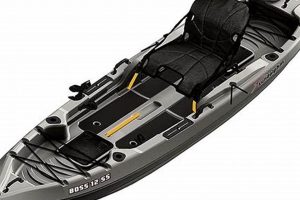
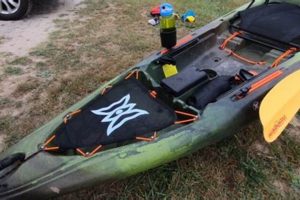
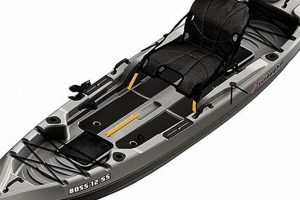
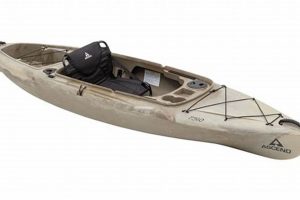
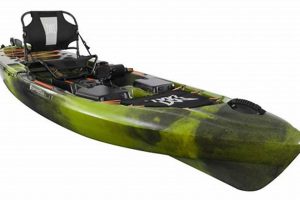
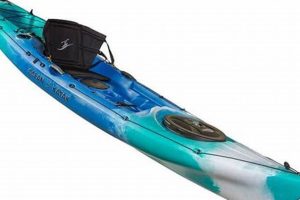
A premium river fishing kayak built for stability, maneuverability, and angler-specific features offers a unique platform for accessing shallow waters and navigating currents effectively. These vessels, designed for atop seating, commonly incorporate rod holders, tackle storage, and often anchor systems. A high-quality design promotes hands-free fishing, enhancing both safety and the overall angling experience.
Selecting an appropriate river-running kayak contributes significantly to a successful fishing trip. Stability in moving water is paramount for safety and casting accuracy. Maneuverability allows anglers to access prime fishing locations, navigate tight turns, and respond effectively to changing river conditions. Integrated features like rod holders and storage contribute to efficiency and organization, optimizing time spent fishing. Historically, anglers relied on less specialized craft, but the evolution of kayak design has resulted in highly specialized vessels that cater directly to the demands of river fishing.
Factors influencing the selection of a suitable river fishing kayak include hull design, length, weight capacity, and included features. Subsequent sections will explore these considerations in detail to provide a comprehensive understanding of choosing the optimal vessel for diverse river environments and fishing styles.
Tips for Selecting a River Fishing Kayak
Choosing the right kayak for river fishing requires careful consideration of several factors. The following tips offer guidance for selecting a vessel optimized for performance, safety, and angling success.
Tip 1: Prioritize Stability: A wider, flatter hull provides greater stability in moving water, crucial for casting, reeling, and landing fish safely. Consider a pontoon-style hull for maximum stability.
Tip 2: Consider Maneuverability: Shorter kayaks generally offer better maneuverability in tight turns and rapids. A rockered hull (curved upwards at bow and stern) also enhances maneuverability.
Tip 3: Evaluate Length and Weight Capacity: Longer kayaks track better in currents, while shorter kayaks are easier to maneuver. Ensure the kayak’s weight capacity accommodates the angler, gear, and potential catch.
Tip 4: Assess Storage Options: Ample storage for tackle, rods, and safety equipment is essential. Consider models with dry hatches, tank wells, and integrated rod holders.
Tip 5: Check for Comfort and Adjustability: A comfortable seat with good back support is crucial for longer fishing trips. Adjustable footrests enhance paddling efficiency and control.
Tip 6: Consider River Conditions: Fast-moving rivers require kayaks with excellent tracking and stability. Slower, calmer rivers allow for more maneuverable, shorter options.
Tip 7: Think About Transportation: Consider the kayak’s weight and length relative to transportation capabilities. Lighter kayaks are easier to load and unload.
By carefully evaluating these factors, anglers can select a kayak that enhances their river fishing experience and contributes to a safe and successful outing.
Ultimately, the optimal kayak selection hinges on a thorough understanding of individual needs and anticipated river conditions. The following section provides concluding remarks and reinforces the importance of informed decision-making.
1. Stability

Stability stands as a cornerstone of a successful river fishing experience. A stable kayak allows anglers to focus on fishing, rather than constantly battling to stay upright. This is especially crucial in dynamic river environments where currents, obstacles, and the act of casting and reeling can compromise balance. Selecting a kayak optimized for stability significantly enhances safety and fishing effectiveness.
- Hull Design and Stability
Hull design plays a pivotal role in kayak stability. Wider, flatter hulls generally offer greater primary stability (initial resistance to tipping). Pontoon-style hulls maximize stability, providing a secure platform even in challenging conditions. Conversely, narrower hulls, while offering speed advantages, sacrifice some stability.
- Center of Gravity and Balance
A lower center of gravity contributes significantly to stability. Sitting closer to the waterline enhances balance. Proper weight distribution within the kayak, avoiding overloading or uneven loading, also plays a crucial role in maintaining stability.
- Impact of Water Conditions
River conditions directly impact kayak stability. Faster currents and turbulent water require kayaks with enhanced stability characteristics. Calm, slow-moving rivers allow for greater flexibility in hull design. Anglers should choose a kayak appropriate for the anticipated water conditions.
- Stability Enhancements
Various features and accessories can enhance kayak stability. Outriggers, stabilizers, and wider platforms offer additional support. Anglers can also improve stability by adjusting their seating position and using proper paddling techniques.
Ultimately, a stable platform allows for confident casting, reeling, and landing fish, maximizing the enjoyment and success of river fishing. Careful consideration of hull design, center of gravity, water conditions, and potential stability enhancements ensures selection of the optimal kayak for a safe and productive river angling experience. Prioritizing stability ultimately contributes significantly to an angler’s safety and effectiveness on the water.
2. Maneuverability

Maneuverability represents a critical characteristic of optimal river fishing kayaks. Navigating dynamic river environments, often characterized by tight turns, overhanging branches, and swift currents, necessitates a highly responsive vessel. Kayak maneuverability directly impacts an angler’s ability to access prime fishing locations, avoid obstacles, and efficiently reposition in changing currents. A highly maneuverable kayak empowers anglers to effectively target fish in diverse river settings. For instance, navigating a narrow, winding creek demands a kayak capable of sharp turns, while fishing in faster currents requires precise control to maintain position and presentation.
Several factors influence kayak maneuverability. Shorter kayaks generally exhibit greater agility, enabling quicker turns and enhanced responsiveness. A rockered hull, curved upwards at the bow and stern, facilitates pivoting and turning. The kayak’s width also plays a role; narrower hulls tend to be more nimble than wider, more stable designs. Finally, lighter kayaks require less effort to maneuver, reducing fatigue during extended fishing trips. Consider a scenario where an angler encounters a submerged log. A highly maneuverable kayak allows for swift, precise adjustments to avoid collision, preserving both angler and equipment.
Understanding the factors contributing to kayak maneuverability empowers informed purchasing decisions. Evaluating hull design, length, width, and weight in relation to anticipated river conditions ensures selection of a vessel optimized for performance. Prioritizing maneuverability translates to enhanced angling effectiveness, improved safety in challenging river environments, and ultimately, a more rewarding fishing experience. This attribute, while sometimes overlooked, significantly contributes to the overall performance and suitability of a river fishing kayak, proving essential for navigating complex waterways and maximizing fishing success.
3. Storage Capacity

Ample and well-designed storage is a critical feature differentiating a standard kayak from the best sit-on-top fishing kayak for rivers. Effective storage solutions directly impact an angler’s organization, efficiency, and overall fishing experience. Sufficient storage capacity allows anglers to carry essential gear, including tackle boxes, rods, safety equipment, and personal items, contributing to a prepared and productive outing. A well-organized kayak promotes efficient access to equipment, minimizing time spent searching and maximizing time spent fishing.
- Types of Storage
River fishing kayaks offer various storage solutions, including front and rear tank wells, dry hatches, and specialized compartments. Tank wells, often secured with bungee cords, provide accessible storage for frequently used items. Dry hatches offer waterproof protection for sensitive gear like electronics and extra clothing. Specialized compartments cater to specific needs, such as rod storage or tackle organization.
- Accessibility and Organization
Easy access to stored gear is paramount. Well-placed hatches and compartments, coupled with efficient organization systems, streamline the retrieval of necessary items. Consider a scenario where an angler needs to quickly change lures. Easily accessible tackle storage minimizes disruption and maximizes fishing time.
- Capacity and Weight Distribution
Sufficient storage capacity is crucial, but proper weight distribution is equally important. Evenly distributing weight within the kayak enhances stability and performance. Overloading or uneven loading can negatively impact maneuverability and safety. Anglers must consider the combined weight of their gear and themselves when assessing storage capacity.
- Integration with Fishing Features
Integrated fishing features, such as rod holders and tackle management systems, complement ample storage. Rod holders secure rods while paddling or landing fish, freeing up hands and enhancing safety. Dedicated tackle storage systems maintain organization and facilitate quick lure changes. These integrated features optimize the fishing experience and contribute to an efficient and enjoyable outing.
In summary, adequate storage capacity is essential for a successful river fishing experience. The best sit-on-top fishing kayaks for rivers prioritize well-designed, accessible, and appropriately sized storage solutions. Evaluating these factors ensures anglers can carry essential gear, maintain organization, and optimize their time on the water. Ultimately, prioritizing effective storage solutions contributes significantly to a productive and enjoyable river fishing adventure.
4. Comfort
Comfort plays a pivotal role in the overall enjoyment and effectiveness of river fishing excursions. A comfortable kayak enables anglers to focus on fishing, minimizing distractions caused by discomfort and fatigue. Extended periods on the water demand a supportive and ergonomic design that prioritizes angler well-being. This directly impacts endurance, concentration, and ultimately, fishing success. Selecting a kayak optimized for comfort is paramount, particularly for longer trips or challenging river conditions. Optimal comfort features contribute significantly to a positive and productive river fishing experience.
- Seat Design and Support
Seat design significantly impacts long-term comfort. Features like adjustable backrests, padded seating, and breathable materials contribute to proper posture and support, reducing strain and fatigue. High-quality seating enables anglers to maintain focus and comfort throughout extended fishing sessions. A poorly designed seat can lead to back pain, stiffness, and decreased enjoyment, underscoring the importance of ergonomic seat design in a river fishing kayak.
- Legroom and Adjustability
Adequate legroom and adjustable footrests are crucial for comfort and paddling efficiency. Proper leg positioning enhances circulation and reduces cramping, particularly during long trips. Adjustable footrests accommodate varying leg lengths and paddling styles, promoting efficient power transfer and control. Ample legroom also allows for changes in position, mitigating discomfort and promoting overall well-being.
- Stability and its Impact on Comfort
Kayak stability indirectly contributes to comfort. A stable platform reduces the physical and mental strain associated with constantly correcting balance. This enhanced stability allows anglers to relax and focus on fishing, minimizing anxiety and promoting a more comfortable experience. In challenging river conditions, a stable kayak becomes particularly crucial for maintaining comfort and minimizing fatigue.
- Accessibility and Ease of Entry/Exit
Easy entry and exit contribute to overall comfort, especially for anglers with mobility limitations. Features like wider cockpits and strategically placed handles facilitate seamless transitions into and out of the kayak. This ease of access minimizes strain and enhances the overall user experience, making the kayak more accessible and enjoyable for a wider range of anglers. A comfortable entry and exit process also reduces the risk of slips and falls, contributing to angler safety.
In conclusion, comfort features significantly impact the overall river fishing experience. Prioritizing ergonomic design, adjustability, and stability contributes to angler well-being, reduces fatigue, and enhances enjoyment on the water. Selecting a kayak optimized for comfort enables anglers to focus on fishing, maximizing their time and enjoyment on the river. The interplay of these comfort elements contributes holistically to a more productive and satisfying river fishing experience, highlighting the crucial role of comfort in selecting the best sit-on-top fishing kayak for rivers.
5. Durability
Durability represents a critical factor in evaluating sit-on-top fishing kayaks designed for river use. River environments present unique challenges, including rocks, submerged obstacles, and abrasive currents. A durable kayak withstands these rigors, ensuring longevity and reliable performance over extended periods. Investing in a durable kayak minimizes repair costs and ensures consistent performance in demanding conditions. This characteristic directly influences the kayak’s lifespan and overall value.
- Material Selection
Kayak construction materials directly influence durability. High-density polyethylene (HDPE) offers excellent impact resistance and UV protection, making it a popular choice for river kayaks. Thermoformed ABS and rotomolded polyethylene also provide robust durability, though with varying performance characteristics. Material selection should align with anticipated river conditions and usage intensity. For example, kayaks navigating rocky rivers benefit from highly impact-resistant materials like HDPE.
- Construction Quality
Manufacturing processes and construction techniques significantly impact a kayak’s ability to withstand stress. Well-executed welds, reinforced seams, and robust hull designs contribute to overall durability. Careful inspection of construction quality can reveal potential weaknesses and inform purchasing decisions. Examining joint integrity and stress points helps assess long-term durability.
- UV Resistance
Exposure to sunlight degrades many materials, compromising structural integrity over time. UV-resistant coatings and materials protect against sun damage, extending the kayak’s lifespan. Kayaks stored outdoors require robust UV protection. Regularly inspecting for signs of UV degradation, like fading or cracking, can help mitigate long-term damage.
- Impact and Abrasion Resistance
River environments often involve contact with rocks, branches, and other obstacles. A durable kayak resists impacts and abrasion, maintaining structural integrity despite regular contact with these elements. Reinforced keels and impact-resistant hulls minimize damage from collisions. Considering the specific river environment, like rocky rapids versus calmer waters, helps determine the necessary level of impact and abrasion resistance.
A durable kayak represents a long-term investment, providing reliable performance and minimizing maintenance costs over its lifespan. Careful consideration of materials, construction quality, UV resistance, and impact/abrasion resistance ensures the kayak withstands the demands of river environments, contributing to a safe and enjoyable fishing experience for years to come. Selecting a durable kayak directly correlates with long-term value and sustained performance in challenging river conditions.
6. Weight Capacity
Weight capacity is a critical factor when selecting a sit-on-top fishing kayak for rivers. This specification, often overlooked, directly impacts safety, performance, and the overall fishing experience. A kayak’s weight capacity represents the maximum combined weight of the angler, gear, and any potential catch it can safely support. Exceeding this limit compromises stability, reduces freeboard (the distance between the waterline and the top edge of the kayak), and increases the risk of capsizing, especially in challenging river conditions. Consider an angler equipped with fishing gear and anticipating a substantial catch. A kayak with insufficient weight capacity sits lower in the water, reducing maneuverability and increasing susceptibility to swamping in rough conditions or rapids. Conversely, a kayak with ample weight capacity provides a stable and responsive platform, even with a full load of gear and a heavy catch.
Understanding weight capacity’s practical implications empowers informed decision-making. Manufacturers provide weight capacity ratings for each kayak model. Anglers should calculate their total anticipated weight, including all gear, personal items, and a realistic estimate of potential catch weight. Choosing a kayak with a weight capacity exceeding this calculated value ensures safe and optimal performance. For instance, an angler weighing 175 pounds with 50 pounds of gear should select a kayak with a weight capacity exceeding 225 pounds. This buffer accommodates unexpected weight increases, like a large fish or accumulated water from splashes or rain, and maintains a safe margin for stability. Furthermore, anglers planning extended trips with additional gear, like camping equipment, must factor this additional weight into their calculations.
In conclusion, selecting a river fishing kayak with adequate weight capacity is crucial for safety, performance, and overall fishing success. Careful consideration of anticipated weight loads, including angler weight, gear, and potential catch, ensures optimal performance and a safe margin for stability. Ignoring this critical factor can lead to compromised stability, reduced maneuverability, and increased risk, particularly in dynamic river environments. Understanding and respecting weight capacity ultimately contributes to a more enjoyable and safe river fishing experience.
7. River Suitability
River suitability forms a cornerstone of selecting the best sit-on-top fishing kayak for a given environment. Different river characteristics demand specific kayak features for optimal performance and safety. A mismatch between kayak design and river conditions can lead to instability, reduced maneuverability, and a compromised fishing experience. Understanding the interplay between river characteristics and kayak design empowers informed decision-making, ensuring a safe and productive outing. Factors such as river flow rate, width, presence of obstacles, and typical water conditions significantly influence kayak selection.
For instance, slow-moving, narrow rivers with abundant obstacles, such as fallen trees or submerged rocks, necessitate a highly maneuverable kayak. A shorter kayak with a rockered hull excels in these environments, enabling quick turns and precise navigation around obstacles. Conversely, wider, faster-flowing rivers demand a kayak prioritizing stability and tracking. A longer kayak with a flatter hull provides the necessary stability in currents and tracks efficiently, minimizing the need for constant course correction. In Class III rapids, a shorter, more maneuverable whitewater kayak becomes essential for navigating complex currents and avoiding obstacles, while a longer, more stable kayak is better suited to calmer stretches where tracking and stability are paramount. Choosing a kayak designed for the intended river conditions maximizes both safety and fishing effectiveness.
In summary, river suitability represents a critical factor in selecting a fishing kayak. Careful consideration of river characteristics, including flow rate, width, obstacles, and water conditions, informs appropriate kayak selection. Matching kayak design to the intended river environment optimizes performance, enhances safety, and ultimately contributes to a more successful and enjoyable fishing experience. Failing to consider river suitability compromises both safety and fishing effectiveness, highlighting the crucial role of this factor in selecting the best sit-on-top fishing kayak for rivers.
Frequently Asked Questions
This section addresses common inquiries regarding the selection and use of sit-on-top fishing kayaks designed for river environments. Clear and concise answers provide practical guidance for informed decision-making.
Question 1: How does hull design impact river kayak performance?
Hull design significantly influences stability and maneuverability. Wider, flatter hulls maximize stability, while narrower, rockered hulls enhance maneuverability. The optimal hull design depends on the specific river characteristics and intended fishing style.
Question 2: What are the advantages of sit-on-top kayaks for river fishing?
Sit-on-top kayaks offer inherent advantages in river environments, including self-bailing capabilities, ease of entry and exit, and enhanced stability. These features contribute to safety and convenience, particularly in dynamic river conditions.
Question 3: How does kayak length influence river performance?
Kayak length impacts tracking and maneuverability. Longer kayaks track efficiently in currents but sacrifice maneuverability in tight spaces. Shorter kayaks offer enhanced maneuverability but may be less stable in fast-moving water. Selecting the appropriate length requires consideration of river characteristics and fishing style.
Question 4: What safety precautions should one take when river fishing from a kayak?
Essential safety precautions include wearing a personal flotation device (PFD), carrying a whistle or other signaling device, informing someone of the fishing plan, and checking weather conditions before embarking. Understanding river dynamics and potential hazards, such as strainers and rapids, is crucial for safe river navigation.
Question 5: How does one choose the appropriate weight capacity for a river fishing kayak?
Calculating total anticipated weight, including angler weight, gear, and potential catch, is essential. Selecting a kayak with a weight capacity exceeding this calculated value ensures safe and optimal performance. Adequate weight capacity preserves stability and maneuverability, particularly in challenging river conditions.
Question 6: What essential features should one look for in a river fishing kayak?
Essential features include ample storage for tackle and gear, comfortable seating for extended trips, rod holders for secure rod storage, and a durable hull design capable of withstanding river environments. Integrated features like anchor trolleys and rudder systems further enhance fishing effectiveness and control.
Careful consideration of these frequently asked questions empowers informed decisions, ensuring selection of the optimal river fishing kayak for individual needs and intended river environments. Prioritizing safety, performance, and comfort contributes significantly to a positive and successful river fishing experience.
Further exploration of specific kayak models and their suitability for various river types follows in the next section.
Conclusion
Careful selection of a river fishing kayak hinges upon a comprehensive understanding of individual needs and anticipated river conditions. Factors such as stability, maneuverability, storage capacity, comfort, durability, weight capacity, and river suitability play crucial roles in determining the optimal vessel. Prioritizing these elements ensures a safe, comfortable, and productive fishing experience. A thorough assessment of these factors, coupled with an understanding of personal fishing style and target river environments, empowers informed purchasing decisions.
Informed decision-making optimizes angler safety, efficiency, and overall enjoyment on the water. Investing in a suitable river fishing kayak provides a platform for accessing diverse fishing locations, navigating challenging currents, and ultimately, maximizing angling success. The ideal kayak becomes an extension of the angler, facilitating seamless integration with the river environment and enhancing the overall fishing experience. Choosing wisely ensures years of rewarding river fishing adventures.