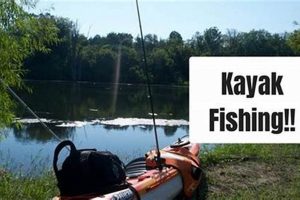
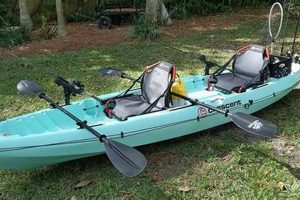
A top-tier tandem fishing kayak designed for two anglers offers enhanced stability, ample storage for gear, and specialized features like rod holders and comfortable seating. Such vessels typically prioritize stability and weight capacity to accommodate two adults, their equipment, and potential catches. They represent a significant advancement in kayak fishing, allowing for shared experiences and collaborative angling.
Tandem fishing kayaks provide several advantages. Sharing a kayak can strengthen bonds between fishing partners, dividing the paddling effort and enabling longer excursions. The increased stability compared to single-person kayaks is particularly beneficial in challenging conditions or when landing larger fish. Furthermore, sharing the cost of a higher-quality vessel can make premium features, like advanced seating systems and built-in coolers, more accessible. Historically, fishing from kayaks has evolved from solo endeavors in basic vessels to sophisticated, purpose-built platforms designed for shared experiences and maximized angling success.
This article will explore key factors for selecting a high-quality tandem fishing kayak, including hull design, materials, features, and top models currently available. Further sections will cover essential accessories, safety considerations, and tips for a successful two-person fishing trip.
Tips for Selecting and Using a Tandem Fishing Kayak
Choosing and utilizing a tandem fishing kayak effectively requires careful consideration of several factors. The following tips offer guidance for maximizing comfort, performance, and safety on the water.
Tip 1: Consider Weight Capacity: Payload capacity is crucial. Total weight, including passengers, gear, and potential catches, must not exceed the kayak’s limit. Exceeding this limit compromises stability and safety.
Tip 2: Evaluate Hull Design: Different hull designs offer varying performance characteristics. A wider, flatter hull provides greater stability, while a longer, narrower hull offers better tracking and speed. Consider fishing conditions and personal preferences when making a selection.
Tip 3: Prioritize Comfort and Adjustability: Long fishing trips necessitate comfortable seating. Look for adjustable seats with adequate back support. Consider features like adjustable footrests and thigh braces for enhanced paddling efficiency and comfort.
Tip 4: Assess Storage Options: Ample storage is essential for carrying tackle, safety equipment, and personal belongings. Evaluate storage compartments, hatches, and bungee systems to ensure they meet individual needs.
Tip 5: Inspect Rod Holders and Other Fishing Features: Dedicated rod holders, fish finders, and anchor trolleys enhance the fishing experience. Consider the types of fishing pursued when evaluating these features.
Tip 6: Practice Paddling and Maneuvering: Tandem kayaks require coordinated paddling. Practice launching, landing, and maneuvering the kayak with a partner before venturing into challenging waters. Familiarize oneself with basic rescue techniques.
Tip 7: Distribute Weight Evenly: Proper weight distribution maximizes stability and performance. Distribute gear and passengers evenly throughout the kayak to maintain balance and prevent tipping.
By considering these factors, anglers can select a tandem fishing kayak that best suits their needs and ensures a safe and enjoyable experience on the water. Careful planning and preparation contribute significantly to a successful fishing trip.
This information provides a framework for making informed decisions about tandem fishing kayaks. Subsequent sections will offer a detailed analysis of specific models and accessories.
1. Stability

Stability is a paramount consideration when selecting a tandem fishing kayak. It directly impacts safety, comfort, and angling effectiveness. A stable platform provides a secure base for casting, reeling, and landing fish, especially in challenging conditions or when battling larger catches. This section explores the key facets contributing to stability in these kayaks.
- Hull Design
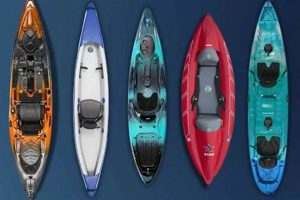
Hull design significantly influences stability. Wider, flatter hulls offer greater initial stability, resisting tipping and providing a secure feeling for anglers. Conversely, narrower hulls, while offering better tracking and speed, are generally less stable. Pontoon hulls, with their multiple contact points with the water, offer exceptional stability, particularly beneficial for stand-up fishing. Choosing the right hull design depends on the intended fishing environment and angler preferences. For example, a wider hull is better suited for calm lakes or slow-moving rivers, whereas a narrower hull may be preferable for open water or covering longer distances.
- Weight Distribution
Proper weight distribution plays a crucial role in maintaining stability. Evenly distributing gear and passengers throughout the kayak optimizes balance and prevents tipping. Positioning heavier items lower in the kayak lowers the center of gravity, further enhancing stability. For instance, storing tackle boxes and coolers closer to the center of the kayak, rather than at the ends, improves overall balance.
- Kayak Width and Length
The kayak’s dimensions also contribute to stability. Wider kayaks generally provide more stability than narrower ones, offering a larger platform and greater resistance to tipping. Length also plays a role, with longer kayaks generally tracking better in a straight line but potentially being less maneuverable. A shorter, wider kayak will typically be more stable than a longer, narrower one, although this can vary depending on other design factors.
- Water Conditions
Water conditions significantly impact stability. Calm, flat water presents fewer challenges compared to choppy or rough conditions. Wind, currents, and wakes from other boats can all affect stability. Anglers should choose a kayak with a stability level appropriate for the anticipated water conditions. For instance, a kayak designed for ocean fishing will prioritize stability due to the potential for rougher waters.
Ultimately, choosing a stable tandem fishing kayak is fundamental for safety and enjoyment on the water. Considering factors like hull design, weight distribution, dimensions, and intended water conditions enables informed decision-making and contributes to a successful and secure fishing experience.
2. Comfort
Comfort is a critical factor in determining the quality of a tandem fishing kayak experience. Extended fishing trips necessitate well-designed seating and ample space to minimize fatigue and maximize enjoyment. Discomfort can detract from the focus required for successful angling and potentially curtail the duration of outings. A comfortable kayak promotes better posture, reduces strain, and allows anglers to fully immerse themselves in the fishing experience. For example, adjustable seating allows individuals of varying heights and body types to find a comfortable and supportive position, while ample legroom prevents cramping and allows for shifts in position throughout the day. This focus on comfort contributes significantly to overall satisfaction and the ability to fish effectively for extended periods.
Several elements contribute to comfort in a two-person fishing kayak. High-quality, adjustable seating systems with appropriate lumbar support are essential. Features such as adjustable footrests and thigh braces allow for customized positioning and enhanced paddling efficiency, reducing strain on the legs and back. Adequate space within the cockpit allows for freedom of movement and prevents a feeling of confinement. Padding and cushioning in key areas further enhance comfort. A comfortable environment allows anglers to concentrate on fishing rather than physical discomfort, leading to a more enjoyable and productive experience. For instance, a well-designed seat back can alleviate pressure points and prevent lower back pain during long hours on the water. The ability to customize seating and footrest positions allows each individual to optimize their comfort and maintain an ergonomic posture.
The link between comfort and a positive fishing experience is undeniable. Investing in a kayak with superior comfort features translates to longer, more enjoyable, and ultimately more successful fishing trips. While other factors like stability and performance are crucial, neglecting comfort can significantly compromise the overall experience. Addressing comfort needs upfront maximizes the potential for a rewarding time on the water. The difference between a cramped, uncomfortable kayak and one designed with ergonomic principles in mind can mean the difference between a short, frustrating trip and a long, successful day of fishing.
3. Durability

Durability is a crucial factor in evaluating a tandem fishing kayak, directly impacting its lifespan and long-term value. A durable kayak withstands the rigors of regular use, including impacts, abrasion, and exposure to the elements. This resilience ensures the kayak remains functional and safe over time, minimizing the need for repairs and replacements. Investing in a durable kayak represents a sound financial decision, providing reliable performance and extended usability. A robust construction allows anglers to focus on the fishing experience rather than worrying about potential damage to the vessel.
- Material Selection
The choice of materials significantly influences a kayak’s durability. High-density polyethylene (HDPE) is a common material known for its impact resistance and affordability. Higher-end kayaks may utilize more robust materials like cross-linked polyethylene or thermoformed ABS, offering increased stiffness and durability. For instance, a kayak constructed from rotomolded HDPE can withstand considerable impacts without cracking or deforming, crucial for navigating rocky shorelines or shallow waters. Selecting the right material is paramount for ensuring long-term durability and minimizing the risk of damage from regular use or unexpected impacts.
- Construction Quality
The quality of construction significantly impacts a kayak’s ability to withstand wear and tear. Well-constructed kayaks feature robust seams, reinforced stress points, and quality hardware. These details contribute to overall structural integrity and resistance to leaks and damage. For example, properly sealed seams prevent water intrusion, which can compromise buoyancy and lead to long-term structural issues. Evaluating the quality of construction provides valuable insights into the kayak’s long-term durability and resistance to potential damage.
- UV Resistance
Kayaks are frequently exposed to sunlight, which can degrade certain materials over time. UV resistance is critical for preventing fading, cracking, and weakening of the hull. Kayaks constructed with UV-resistant materials retain their structural integrity and aesthetic appeal for extended periods. This protection minimizes the detrimental effects of sun exposure, ensuring the kayak remains functional and visually appealing over its lifespan. A UV-resistant kayak retains its color and strength, even after prolonged exposure to sunlight.
- Maintenance Requirements
The ease of maintenance contributes to a kayak’s overall durability and lifespan. Kayaks requiring minimal maintenance are more likely to receive proper care, preventing premature wear and tear. Features like smooth, easy-to-clean surfaces and readily accessible hardware simplify maintenance tasks. For example, a kayak with a smooth hull is easier to clean and less likely to accumulate dirt and grime, which can contribute to material degradation over time. Ease of maintenance promotes consistent care, contributing to long-term durability and preserving the kayak’s value.
A durable tandem fishing kayak offers a reliable platform for anglers, ensuring years of enjoyable and productive fishing trips. Prioritizing durability during the selection process translates to a sound investment and minimizes the need for costly repairs or replacements. By considering factors such as material selection, construction quality, UV resistance, and maintenance requirements, anglers can choose a kayak built to withstand the demands of regular use and the elements, ensuring a long-lasting and dependable vessel.
4. Storage Capacity
Ample storage capacity is a defining characteristic of a high-quality tandem fishing kayak. The ability to transport essential gear, including tackle boxes, rods, safety equipment, and personal items, directly impacts the practicality and enjoyment of fishing excursions. Insufficient storage can limit fishing options, necessitate multiple trips, or compromise safety by requiring anglers to leave essential items behind. For instance, anglers targeting different species may require a variety of rods and lures, necessitating substantial storage space. Similarly, longer expeditions require sufficient space for food, water, and additional safety equipment. Adequate storage capacity contributes to a well-prepared and ultimately more successful fishing trip.
Several storage solutions contribute to a practical and efficient tandem fishing kayak. Dedicated compartments for tackle boxes ensure organized storage and easy access to frequently used items. Rod holders, both flush-mounted and adjustable, secure rods during transport and while fishing. Dry storage hatches protect sensitive items like electronics and personal belongings from water damage. Bungee systems offer convenient storage for readily accessible items like jackets or water bottles. The strategic placement and design of these storage solutions contribute to a well-organized and efficient fishing platform. For example, strategically placed rod holders allow anglers to quickly switch rods without disrupting their fishing position, while easily accessible dry storage ensures essential items remain protected from splashes and rain.
The relationship between storage capacity and a positive fishing experience is fundamental. Adequate storage allows anglers to focus on the task at hand without the distraction of managing gear or concerns about space limitations. This preparedness contributes to a more relaxed, enjoyable, and ultimately more productive fishing trip. Choosing a tandem fishing kayak with ample and well-designed storage directly enhances the overall experience. An organized and well-equipped kayak empowers anglers to focus on their technique and enjoy the experience, rather than managing logistical challenges. Investing in sufficient storage capacity is a crucial factor in maximizing the enjoyment and success of tandem fishing excursions.
5. Maneuverability

Maneuverability is a critical performance attribute in tandem fishing kayaks, significantly influencing angling effectiveness and overall experience. A highly maneuverable kayak allows anglers to navigate tight spaces, swiftly change directions, and precisely position the vessel for optimal casting angles. This agility is particularly advantageous in environments like shallow creeks, mangrove tunnels, or areas with dense vegetation. The ability to effortlessly maneuver the kayak enhances fishing opportunities and reduces frustration associated with navigating challenging waters. For instance, navigating a narrow, winding creek requires a kayak capable of sharp turns and precise adjustments to avoid obstacles and maintain an advantageous fishing position. Similarly, quickly repositioning the kayak in response to changing currents or fish movement maximizes fishing success.
Several factors influence the maneuverability of a tandem fishing kayak. Shorter kayaks generally turn more quickly than longer ones, offering increased agility in confined spaces. Hull design also plays a significant role. A kayak with a moderate rocker (upward curve of the hull) will turn more easily than one with a flatter hull. The placement and design of fins or rudders further impact maneuverability, providing directional stability and control. Understanding the interplay of these factors enables informed decisions regarding kayak selection. For example, a shorter kayak with a moderate rocker and well-placed fins is ideal for navigating tight, twisty waterways, whereas a longer kayak with a flatter hull and a rudder system may be preferable for open water paddling and tracking in a straight line.
The connection between maneuverability and a successful tandem fishing experience is undeniable. A highly maneuverable kayak empowers anglers to exploit a wider range of fishing opportunities, efficiently navigate challenging waters, and ultimately maximize their chances of success. While stability and comfort are essential considerations, neglecting maneuverability can compromise the ability to effectively fish in certain environments. Prioritizing maneuverability during the selection process enhances versatility and ensures a more dynamic and rewarding fishing experience. Choosing a kayak with appropriate maneuverability characteristics for the intended fishing environment is a crucial step in optimizing on-the-water performance and enjoyment.
6. Fishing Features
Specialized fishing features distinguish a purpose-built tandem fishing kayak from recreational models. These features enhance angling efficiency, organization, and overall success on the water. A well-equipped fishing kayak provides anglers with the tools and functionalities necessary to maximize their time on the water and improve their chances of landing a catch. The following facets illustrate key fishing features that contribute to a superior angling experience.
- Rod Holders
Integrated rod holders secure fishing rods, freeing hands for other tasks like paddling, adjusting tackle, or landing fish. Multiple rod holders allow anglers to employ different fishing techniques simultaneously or carry spare rods. Various types of rod holders exist, including flush-mounted, adjustable, and rotating holders. The number, type, and placement of rod holders significantly impact fishing efficiency. For example, adjustable rod holders allow for customized positioning to accommodate different fishing styles and target species.
- Tackle Storage
Dedicated tackle storage compartments keep essential gear organized and readily accessible. These compartments may include removable trays, dividers, and specialized storage for lures, hooks, and other small items. Well-designed tackle storage minimizes time spent searching for gear, maximizing fishing time. For instance, a kayak with a designated compartment for leader lines and hooks prevents tangling and streamlines the process of changing rigs. Efficient tackle storage contributes directly to a more organized and productive fishing experience.
- Fish Finders and Electronics Mounts
Mounting systems for fish finders and other electronics provide valuable insights into underwater terrain and fish location. These systems often include transducer mounts and wiring channels for seamless integration of electronic devices. Access to real-time data enhances fishing strategy and increases the likelihood of success. A stable mounting platform ensures clear readings and prevents damage to sensitive electronic equipment. Integrated electronics mounts are crucial for anglers who rely on technology to locate fish and understand underwater environments.
- Anchor Trolleys and Systems
Anchor trolleys allow anglers to control the kayak’s position in relation to the current or wind. This controlled positioning is crucial for techniques like drift fishing or maintaining a specific location near structure or cover. Anchor trolleys simplify anchor deployment and retrieval, minimizing disruption to the fishing process. Effective anchor systems are essential for maintaining position and maximizing fishing efficiency in various conditions. For instance, an anchor trolley allows an angler to hold position in a flowing river, presenting bait or lures naturally in the current.
These specialized fishing features significantly enhance the capabilities of a tandem fishing kayak. Investing in a kayak equipped with these features contributes to a more organized, efficient, and ultimately more successful fishing experience. The selection of specific features should align with the intended fishing style and target species. A well-equipped tandem fishing kayak empowers anglers to focus on their technique and maximize their enjoyment on the water. The inclusion of thoughtfully designed fishing features distinguishes a high-quality fishing kayak from a standard recreational model and significantly enhances the overall angling experience.
7. Weight Capacity

Weight capacity is a critical factor in defining a high-performing two-person fishing kayak. This specification dictates the maximum combined weight of passengers, gear, and any potential catch the vessel can safely carry. Exceeding this limit compromises stability, potentially leading to capsizing or significantly hindering performance. The relationship between weight capacity and kayak selection involves careful consideration of individual needs and intended use. A kayak with insufficient weight capacity restricts gear options, limits passenger size, and reduces safety margins. For example, two larger adults carrying substantial fishing gear require a kayak with significantly higher weight capacity than two smaller individuals with minimal equipment. Understanding this relationship is fundamental for making informed purchasing decisions.
Several real-world scenarios illustrate the practical significance of weight capacity. Consider a fishing trip involving two adults, each weighing approximately 200 pounds, along with 50 pounds of combined fishing gear and a potential 20-pound fish. This total weight of 470 pounds necessitates a kayak with a weight capacity exceeding this value. Choosing a kayak with a lower capacity would jeopardize stability and safety. Conversely, selecting a kayak with excessive weight capacity for lighter individuals and minimal gear may result in a less maneuverable and responsive vessel. Matching weight capacity to anticipated load requirements is essential for optimal performance and safety. Overlooking weight capacity can lead to dangerous situations, especially in challenging water conditions.
Careful consideration of weight capacity is essential for selecting an appropriate tandem fishing kayak. Accurately estimating the combined weight of passengers, gear, and potential catch allows for informed decision-making. Prioritizing weight capacity ensures safe operation, optimal performance, and peace of mind on the water. This understanding contributes to a positive and secure fishing experience. Neglecting this crucial aspect can compromise safety and limit the enjoyment of fishing excursions.
Frequently Asked Questions
This section addresses common inquiries regarding the selection and use of tandem fishing kayaks. Clear and concise answers provide practical guidance for informed decision-making.
Question 1: What are the primary advantages of a tandem fishing kayak over two single kayaks?
Tandem kayaks generally offer greater stability and increased storage capacity compared to two single kayaks. They can also be more cost-effective than purchasing two separate vessels.
Question 2: How does hull design influence the performance of a tandem fishing kayak?
Hull design significantly affects stability, speed, and maneuverability. Wider hulls enhance stability, while longer, narrower hulls prioritize speed. Specialized hull designs like pontoon hulls maximize stability for stand-up fishing.
Question 3: What key features should one consider when choosing a tandem fishing kayak?
Essential features include comfortable and adjustable seating, ample storage compartments, strategically placed rod holders, and compatibility with fish finders and other electronics.
Question 4: How is weight capacity determined, and why is it important?
Weight capacity represents the maximum combined weight of passengers, gear, and potential catch the kayak can safely support. Exceeding this limit compromises stability and safety.
Question 5: What safety precautions should be taken when using a tandem fishing kayak?
Essential safety measures include wearing personal flotation devices, carrying a whistle or other signaling device, informing someone of the planned fishing location and estimated return time, and checking weather conditions before embarking.
Question 6: What maintenance is required for a tandem fishing kayak?
Regular maintenance includes rinsing the kayak with fresh water after each use, storing it out of direct sunlight, and periodically inspecting and lubricating moving parts.
Careful consideration of these frequently asked questions equips individuals with the knowledge necessary for making informed decisions regarding tandem fishing kayaks. Selecting the right kayak enhances safety, performance, and overall enjoyment on the water.
The following section will delve into a detailed comparison of popular tandem fishing kayak models currently available.
Conclusion
Optimal selection hinges on careful evaluation of key attributes: stability, comfort, durability, storage, maneuverability, specialized fishing features, and weight capacity. Each attribute contributes significantly to on-the-water performance, safety, and overall fishing experience. Prioritizing these factors ensures informed decision-making aligned with individual angler requirements and preferences. For example, prioritizing stability and a higher weight capacity benefits anglers targeting larger fish or navigating challenging waters, while those focused on covering distance may prioritize speed and maneuverability. Balancing these elements is crucial for maximizing enjoyment and success.
Investing in a premium tandem fishing kayak unlocks shared angling experiences, enhances fishing success, and creates lasting memories. Careful consideration of the discussed factors empowers informed decisions, leading to a vessel that delivers dependable performance and lasting value. The ideal tandem fishing kayak transforms fishing trips into shared adventures, fostering camaraderie and maximizing angling opportunities. Ultimately, a well-chosen vessel enhances enjoyment on the water and contributes to memorable fishing experiences for years to come.