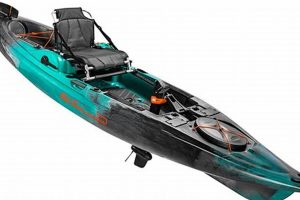
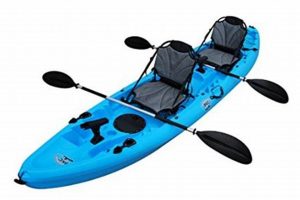
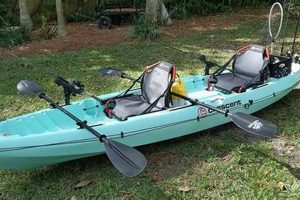
Top-rated kayaks for the 2024 season are determined by several factors, including performance, features, materials, and intended use. These factors are evaluated through expert reviews, consumer feedback, and rigorous testing. For example, a high-performing fishing kayak might be lauded for its stability, storage capacity, and specialized features like rod holders, while a recreational kayak might be praised for its comfort, tracking, and ease of use.
Selecting a suitable watercraft is essential for a safe and enjoyable paddling experience. Choosing from among the top-performing models for a given year allows consumers to leverage the latest innovations in design and technology. Historically, kayak design has evolved significantly, incorporating advancements in materials like rotomolded polyethylene and lighter composites, as well as improved hull designs for better speed, stability, and maneuverability. Focusing on current, highly-rated models enables consumers to benefit from these advancements.
The subsequent sections will explore various categories of top-performing kayaks for 2024, providing detailed analyses of their key features, advantages, and disadvantages to assist consumers in making informed purchasing decisions.
Tips for Choosing Among the Top Kayaks of 2024
Selecting a kayak requires careful consideration of various factors to ensure the chosen model aligns with individual needs and paddling styles. The following tips offer guidance for navigating the selection process.
Tip 1: Define the intended use. Kayaks are designed for specific purposes, such as fishing, recreation, touring, or whitewater paddling. Clarifying the primary use will narrow the selection considerably.
Tip 2: Consider hull design. Different hull designs offer varying degrees of stability, speed, and maneuverability. Flat hulls offer excellent stability, while rounded or V-shaped hulls provide better speed and tracking.
Tip 3: Evaluate kayak length and width. Longer kayaks generally track better and offer more storage, while shorter kayaks are more maneuverable. Wider kayaks offer increased stability, while narrower kayaks are faster.
Tip 4: Assess weight capacity. Ensure the kayak’s weight capacity accommodates the paddler’s weight plus any gear or equipment.
Tip 5: Examine seating and comfort features. Adjustable seats, backrests, and foot braces enhance comfort, especially during longer paddling trips.
Tip 6: Research storage options. Consider the amount and type of gear that needs to be carried and choose a kayak with appropriate storage compartments, such as hatches, bungee cords, or tank wells.
Tip 7: Factor in portability and transportation. The kayak’s weight and size should be manageable for transportation and storage.
By carefully considering these factors, consumers can select a kayak that optimizes performance, comfort, and safety on the water.
The concluding section will provide a summary of key considerations and reiterate the importance of selecting a kayak tailored to individual needs.
1. Hull Design

Hull design significantly influences a kayak’s performance characteristics and plays a crucial role in determining suitability for specific paddling activities. Understanding the nuances of various hull designs is essential for selecting among the top-performing kayaks of 2024.
- Flat Hull
Flat hulls provide excellent primary stability, making them ideal for calm waters and activities like fishing or recreational paddling. They are stable and easy to maneuver, but sacrifice speed and tracking ability. This design is prevalent in recreational kayaks and sit-on-top models.
- Rounded Hull
Rounded hulls offer a balance between stability and maneuverability. They are less stable than flat hulls but provide better speed and efficiency. This design is often found in touring kayaks designed for covering longer distances.
- V-Shaped Hull
V-shaped hulls excel in tracking and speed, making them suitable for open water and touring. They cut through the water efficiently but offer less stability than flatter hull designs. Sea kayaks and performance touring kayaks often feature V-shaped hulls.
- Pontoon Hull
Pontoon hulls offer exceptional stability, surpassing even flat hulls. They are characterized by two separate hulls connected by a platform, creating a wide and stable base. This design is common in fishing kayaks and recreational models designed for maximum stability, particularly for activities like stand-up fishing.
Careful consideration of hull design, combined with an understanding of intended use, allows for informed selection among the best kayaks of 2024. Matching hull design to specific paddling needs ensures optimal performance, stability, and overall enjoyment on the water.
2. Stability and Tracking

Stability and tracking are fundamental performance characteristics that significantly influence kayak selection, especially when considering the best kayaks of 2024. A kayak’s ability to remain upright and maintain a desired course impacts paddling efficiency, comfort, and safety. Understanding the interplay between these two factors is crucial for informed decision-making.
- Primary Stability
Primary stability refers to a kayak’s initial resistance to tipping. Wider kayaks with flatter hulls generally exhibit higher primary stability, making them ideal for beginners and activities requiring a stable platform, such as fishing or photography. Top-rated kayaks in 2024 demonstrate a careful balance of primary stability for their intended use, ensuring users feel secure and confident on the water.
- Secondary Stability
Secondary stability describes a kayak’s ability to resist tipping at greater angles of lean. Kayaks designed for maneuvering in rougher waters or for more advanced paddling techniques often prioritize secondary stability. This characteristic allows for dynamic movements and edge control without compromising safety. Among the best kayaks of 2024, models designed for touring or sea kayaking often exhibit superior secondary stability.
- Tracking
Tracking describes a kayak’s ability to maintain a straight course with minimal corrective strokes. Longer, narrower kayaks with defined keels or tracking fins typically track better than shorter, wider kayaks. Efficient tracking is crucial for covering longer distances and conserving energy. Kayaks recognized as best in 2024 often incorporate design features that enhance tracking performance without sacrificing maneuverability.
- Maneuverability
While not directly part of stability and tracking, maneuverability plays a crucial role in the overall performance of a kayak. Highly maneuverable kayaks respond quickly to paddle strokes, allowing for efficient turns and adjustments in direction. This characteristic is particularly important in dynamic environments like rivers or surf zones. The best kayaks in 2024 balance maneuverability with tracking and stability to offer optimal performance in their intended environments.
The interplay between stability, tracking, and maneuverability significantly influences paddling experience. Top kayaks for 2024 demonstrate a thoughtful balance of these characteristics, offering optimal performance for specific paddling styles and water conditions. Evaluating these factors in conjunction with intended use is essential for selecting the best kayak.
3. Weight Capacity

Weight capacity is a critical factor in kayak selection and directly influences performance, safety, and suitability among the best kayaks of 2024. This specification, typically provided by manufacturers, represents the maximum combined weight of the paddler, gear, and any additional cargo the kayak can safely support. Exceeding this limit compromises stability, reduces freeboard (the distance between the waterline and the deck), and increases the risk of capsizing. Understanding weight capacity is essential for making informed decisions aligned with individual needs and intended usage.
For example, a smaller recreational kayak might have a weight capacity of 250 pounds, suitable for a single paddler with minimal gear. Conversely, a larger tandem kayak designed for touring might have a weight capacity exceeding 500 pounds, accommodating two paddlers and substantial gear for extended trips. Consider a fishing kayak designed for stability. Even with a higher weight capacity, overloading it with gear can reduce maneuverability and responsiveness, impacting the fishing experience. This underscores the importance of selecting a kayak with ample weight capacity, not just for safety but also for optimal performance in its intended activity.
Selecting a kayak with appropriate weight capacity is fundamental for safe and enjoyable paddling. This factor becomes even more critical when evaluating top-performing kayaks for 2024, as design advancements may prioritize features like speed or maneuverability over sheer capacity. Therefore, carefully assessing weight capacity alongside other key performance indicators ensures a kayak not only meets performance expectations but also prioritizes user safety and overall paddling experience. Overlooking this crucial aspect can lead to decreased performance, compromised stability, and potentially dangerous situations on the water. Prioritizing weight capacity in the selection process is vital for optimizing performance and ensuring a safe and enjoyable paddling experience.
4. Comfort and Features
Comfort and features significantly influence the overall kayaking experience, especially when evaluating the best kayaks of 2024. These elements, often overlooked in favor of performance metrics, contribute significantly to enjoyment and endurance on the water. A well-designed kayak prioritizes user comfort and integrates features that enhance functionality and convenience, catering to various paddling styles and preferences.
- Seating Systems
Seating systems play a pivotal role in comfort, particularly during longer paddling excursions. Ergonomic designs incorporating adjustable backrests, thigh supports, and breathable fabrics enhance comfort and reduce fatigue. High-end kayaks often feature customizable seating systems that cater to individual preferences. In the context of best kayaks 2024, advanced seating designs contribute significantly to overall paddling enjoyment and performance.
- Footrests and Braces
Proper foot bracing and adjustable footrests are crucial for efficient paddling and maintaining stability. These features allow paddlers to leverage leg power for increased stroke efficiency and control. Among the best kayaks of 2024, adjustable footrests cater to diverse body types and paddling styles, enhancing comfort and performance.
- Storage Options
Storage options, including hatches, tank wells, and bungee systems, are essential for carrying gear and supplies. Well-designed storage enhances convenience and keeps essential items secure and accessible. Top kayaks in 2024 often incorporate innovative storage solutions that maximize capacity and organization, catering to diverse paddling needs, from day trips to extended expeditions.
- Deck Rigging and Accessories
Deck rigging, including D-rings, bungee cords, and paddle holders, provides convenient attachment points for gear and accessories. This feature allows for customization and easy access to essential items. Among the best kayaks of 2024, well-designed deck rigging enhances functionality and versatility, catering to specific paddling activities such as fishing or photography.
Comfort and features, though often secondary to performance metrics, are integral aspects of the overall kayaking experience. Top kayaks for 2024 demonstrate a thoughtful integration of these elements, enhancing user comfort, convenience, and versatility on the water. A comprehensive assessment of these factors, in conjunction with performance characteristics, provides a holistic evaluation framework for selecting the best kayak to meet individual needs and paddling preferences.
5. Storage Capacity
Storage capacity is a crucial factor differentiating leading kayaks in 2024. Adequate storage directly impacts the feasibility of various kayaking activities, from short recreational paddles to multi-day expeditions. Kayaks designed for fishing often prioritize specialized storage for tackle and rods, while touring kayaks require ample space for camping gear and supplies. Insufficient storage can limit trip duration and compromise safety by requiring gear to be stored insecurely on the deck, potentially affecting stability. Conversely, well-designed storage enhances organization and accessibility, contributing to a more efficient and enjoyable paddling experience.
Consider a scenario involving a multi-day kayaking trip. A kayak with limited storage might necessitate multiple trips to shore for gear retrieval or force paddlers to leave essential items behind. This compromises safety and convenience. Conversely, a kayak with ample, well-organized storage, including dry hatches and deck rigging, allows paddlers to carry necessary supplies, safety equipment, and personal belongings securely and efficiently. This enhanced capacity facilitates longer trips and contributes to a more comfortable and enjoyable experience. Another scenario involves a fishing kayak. Dedicated storage for rods, tackle boxes, and other fishing-specific gear enhances efficiency and organization, allowing anglers to focus on the activity rather than managing equipment.
Optimal storage solutions differ based on kayak type and intended use. Recreational kayaks benefit from smaller, easily accessible storage compartments, while touring and sea kayaks prioritize larger, watertight hatches for protecting gear during extended trips. Evaluating storage capacity within the context of intended use is critical for selecting among the best kayaks of 2024. Prioritizing adequate and appropriate storage contributes significantly to safety, convenience, and overall enjoyment on the water, ultimately defining a superior kayaking experience.
6. Portability
Portability significantly influences the overall kayak ownership experience and plays a crucial role in determining suitability among the best kayaks of 2024. Transporting a kayak from storage to launch point requires consideration of factors such as weight, length, and available transportation methods. A kayak’s portability directly impacts accessibility and convenience, influencing the frequency and ease with which it can be used. Evaluating portability alongside performance characteristics ensures alignment with individual lifestyles and transportation limitations, maximizing enjoyment and utility.
- Weight and Length
A kayak’s weight and length directly correlate with portability. Lighter, shorter kayaks are generally easier to transport and maneuver than longer, heavier models. Consider transporting a 10-foot, 30-pound recreational kayak compared to a 16-foot, 70-pound touring kayak. The former can be easily car-topped or carried short distances by a single person, while the latter might require a trailer or specialized roof rack system and assistance for loading and unloading. Among the best kayaks of 2024, manufacturers often prioritize lightweight materials and design innovations to enhance portability without compromising performance.
- Transportation Methods
Available transportation methods influence portability considerations. Access to a vehicle with roof racks or a trailer expands kayak options, while reliance on public transport or manual carrying necessitates prioritizing lighter, more compact models. Inflatable kayaks offer a significant advantage in portability, as they can be deflated and packed into a manageable size for transport. Evaluating transportation logistics in conjunction with kayak dimensions is crucial for seamless transitions from storage to water.
- Storage Considerations
Storage space limitations influence kayak selection. Garages, sheds, or apartments with limited storage necessitate choosing compact kayaks or utilizing specialized storage solutions like wall mounts or ceiling hoists. Inflatable kayaks, again, offer a significant advantage in this context, as they require minimal storage space when deflated. Integrating storage considerations into the selection process ensures long-term practicality and convenience.
- Launch Point Accessibility
Launch point accessibility influences portability requirements. Kayaks transported to remote locations with limited vehicle access necessitate lighter, more easily carried models. Conversely, kayaks launched from readily accessible boat ramps or docks allow for greater flexibility in size and weight. Considering launch point logistics alongside kayak dimensions optimizes portability and ensures seamless transitions from transport to water.
Portability, often an overlooked factor, significantly influences the practical utility of a kayak. The best kayaks of 2024 demonstrate a thoughtful balance of portability and performance, catering to various lifestyles and transportation limitations. Prioritizing portability ensures convenient access to diverse paddling environments, maximizing enjoyment and utility on the water.
7. Intended Use (Fishing, Recreation, Touring)
Intended use serves as a critical filter when evaluating the best kayaks of 2024. Kayak design inherently reflects its intended purpose, resulting in specialized features and performance characteristics optimized for specific activities. Understanding these specializations allows for informed selection, ensuring alignment between kayak capabilities and paddling objectives. A kayak optimized for fishing differs significantly from one designed for recreational paddling or extended touring, influencing hull design, stability, storage, and integrated features. The “best” kayak designation becomes meaningless without contextualizing it within specific usage scenarios.
Consider the practical implications. A fishing kayak prioritizes stability, specialized storage for tackle and rods, and often includes features like rod holders and anchor trolleys. These elements are essential for a successful fishing experience but might be superfluous for a recreational paddler prioritizing speed and maneuverability. Conversely, a touring kayak emphasizes speed, tracking, and ample storage for gear and supplies necessary for multi-day excursions. These features, while beneficial for extended trips, might compromise the stability and maneuverability desired by anglers. Selecting a kayak without considering intended use can lead to a mismatch between kayak capabilities and paddling objectives, compromising performance, comfort, and overall enjoyment.
Choosing among the best kayaks of 2024 requires a thorough understanding of how intended use shapes design and influences performance. Evaluating kayaks based solely on general performance metrics overlooks critical specialized features that cater to specific paddling disciplines. Recognizing the inherent connection between intended use and optimal kayak design empowers informed decision-making, maximizing the likelihood of a positive and productive paddling experience. Ignoring this critical aspect risks compromising performance and diminishing overall satisfaction with the chosen kayak.
Frequently Asked Questions about Top Kayaks of 2024
This section addresses common inquiries regarding the selection and evaluation of top-performing kayaks for the 2024 season. Clarity on these points facilitates informed purchasing decisions aligned with individual paddling needs and preferences.
Question 1: What differentiates the top kayaks of 2024 from previous models?
Advancements in materials, design, and technology contribute to ongoing improvements in kayak performance. 2024 models may incorporate lighter yet stronger materials, refined hull designs for enhanced speed and stability, and innovative features for improved comfort and functionality. Specific advancements vary across manufacturers and kayak categories.
Question 2: How does one determine the appropriate kayak type for specific needs?
Intended use serves as the primary determinant. Fishing kayaks prioritize stability and specialized storage, touring kayaks emphasize speed and cargo capacity, and recreational kayaks focus on versatility and ease of use. Clarifying paddling objectives is crucial for selecting the appropriate kayak type.
Question 3: What role does budget play in selecting a top-performing kayak?
Budget considerations significantly influence available options. Top-performing kayaks span a wide price range, reflecting varying materials, features, and construction quality. Establishing a budget beforehand helps narrow the selection and focus on models offering optimal value within the defined price range.
Question 4: How significant are online reviews and expert opinions in kayak selection?
Online reviews and expert opinions provide valuable insights into real-world performance and user experiences. Consulting reputable sources and considering multiple perspectives contributes to a comprehensive understanding of a kayak’s strengths and weaknesses. However, individual paddling styles and preferences ultimately determine the best fit.
Question 5: What maintenance is required for a top-performing kayak?
Regular maintenance ensures optimal performance and longevity. Rinsing the kayak after each use, storing it properly protected from the elements, and periodically inspecting and addressing any wear and tear are essential maintenance practices. Specific maintenance requirements may vary based on kayak materials and construction.
Question 6: Where can one purchase or demo the best kayaks of 2024?
Reputable kayak retailers, both online and brick-and-mortar, offer opportunities to purchase and often demo top-performing kayaks. Visiting local retailers allows for hands-on experience and personalized guidance. Online retailers often offer broader selections and competitive pricing. Thorough research and comparison shopping are recommended.
Careful consideration of these frequently asked questions, combined with thorough product research, facilitates informed decision-making. Selecting a kayak aligned with individual needs and paddling preferences ensures a rewarding and enjoyable experience on the water.
The following section delves into a comparative analysis of specific top-performing kayaks for 2024, providing detailed insights into their respective strengths and weaknesses.
Best Kayaks 2024
Navigating the selection process for top-performing kayaks in 2024 requires careful consideration of various factors. Hull design, stability, tracking, weight capacity, comfort features, storage options, portability, and intended use all contribute significantly to the overall paddling experience. Prioritizing these elements ensures alignment between kayak capabilities and individual needs, optimizing performance, comfort, and enjoyment on the water.
The pursuit of the “best” kayak remains a subjective endeavor, ultimately defined by the paddler’s specific requirements and paddling style. Careful research, informed decision-making, and a thorough understanding of these key factors empower consumers to select a kayak that enhances their connection with the water and facilitates exploration for years to come.