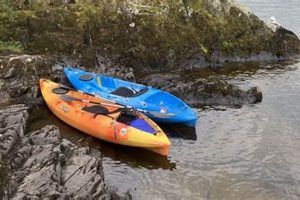
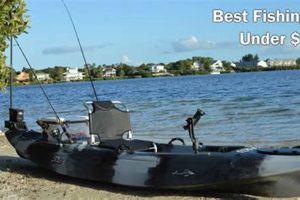
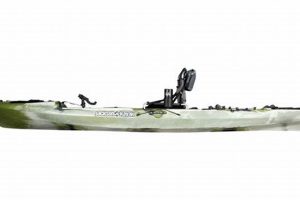
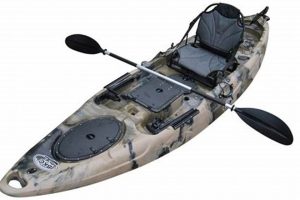
A top-tier beginner fishing kayak represents the optimal blend of stability, features, and affordability for individuals new to angling from a kayak. Such a vessel typically prioritizes a wider hull for enhanced balance, comfortable seating for extended trips, and ample storage for essential gear. An example might include a sit-on-top model with built-in rod holders and a spacious tank well.
Selecting an appropriate introductory kayak significantly impacts the overall fishing experience. A stable and well-equipped watercraft allows novices to focus on angling techniques rather than managing balance or equipment. This facilitates a smoother learning curve and increases the likelihood of enjoyment, potentially fostering a lifelong passion for kayak fishing. Historically, fishing from small, human-powered vessels has been a practical means of sustenance and transportation. Modern kayak fishing builds upon this tradition, incorporating specialized designs and materials to enhance performance and comfort.
Understanding the criteria for choosing a suitable beginner kayak is paramount. Factors such as hull design, weight capacity, storage options, and included features all contribute to the vessel’s suitability for a novice angler. The following sections will delve into these aspects in detail, providing prospective buyers with the knowledge necessary to make an informed decision.
Tips for Selecting an Ideal Beginner Fishing Kayak
Choosing a first fishing kayak can be daunting. These tips offer guidance for navigating the selection process effectively.
Tip 1: Prioritize Stability: A wider, flatter hull provides greater initial stability, crucial for novice kayakers. Look for designs specifically engineered for stability.
Tip 2: Consider Weight Capacity: Ensure the kayak’s weight capacity accommodates the angler’s weight, plus gear and potential catches. Exceeding the limit compromises stability and performance.
Tip 3: Evaluate Storage Options: Ample storage space is essential for tackle boxes, fishing rods, and other equipment. Consider dedicated compartments and bungee systems for secure storage.
Tip 4: Examine Seating Comfort: Extended fishing trips require comfortable seating. Look for adjustable backrests and ample legroom for sustained comfort.
Tip 5: Assess Included Features: Built-in rod holders, paddle clips, and anchor trolleys enhance convenience and functionality. Evaluate these features based on individual fishing styles.
Tip 6: Explore Sit-on-Top vs. Sit-Inside Designs: Sit-on-top kayaks offer greater stability and ease of entry/exit, often preferred by beginners. Sit-inside kayaks provide better protection from the elements but require more experience.
Tip 7: Set a Realistic Budget: Determine a comfortable price range beforehand to narrow the selection process. Quality beginner kayaks are available at various price points.
Adhering to these guidelines enhances the likelihood of selecting a kayak conducive to a positive and productive fishing experience. A well-chosen vessel promotes skill development and enjoyment on the water.
By considering these factors and conducting thorough research, individuals can embark on their kayak fishing journey with confidence.
1. Stability

Stability stands as a cornerstone in the selection of an ideal first fishing kayak. A stable platform allows novice anglers to focus on the intricacies of fishing rather than constantly battling to maintain balance. This is particularly crucial during activities like casting, reeling, and landing fish, where unexpected shifts in weight distribution can easily destabilize a less stable craft. A kayak prone to tipping significantly diminishes the enjoyment and effectiveness of the fishing experience. For example, a wider, flatter hull design inherently provides greater primary stability, making it more resistant to initial tipping. This characteristic is particularly beneficial in calmer waters where maintaining a stationary position for casting is desirable.
The importance of stability extends beyond mere comfort. It directly impacts safety. A stable kayak provides a secure platform for re-entry in the event of an accidental capsize, a crucial consideration for beginners still developing their kayaking skills. Furthermore, enhanced stability allows for more confident movement within the kayak, facilitating tasks like reaching for gear or adjusting fishing lines without fear of tipping. Consider scenarios such as hooking a larger fish or encountering unexpected waves. A stable kayak significantly improves the angler’s ability to manage these situations safely and effectively.
In summary, stability should be a paramount concern when choosing a first fishing kayak. It forms the foundation for a safe, enjoyable, and successful fishing experience, enabling novice anglers to build confidence and develop their skills without the constant worry of capsizing. Prioritizing stability ultimately translates to a more positive and productive introduction to the rewarding pursuit of kayak fishing.
2. Comfort

Comfort plays a pivotal role in the selection of a best first fishing kayak. Extended periods on the water, inherent in fishing expeditions, necessitate a comfortable seating arrangement to prevent fatigue and discomfort. Discomfort can detract significantly from the enjoyment of the experience, potentially shortening trips and hindering focus on fishing. An uncomfortable kayak can transform a leisurely pursuit into an ordeal, undermining the overall experience. Consider the impact of an improperly positioned backrest or inadequate legroom on an angler’s ability to concentrate on casting and reeling. Physical discomfort can lead to distraction and frustration, diminishing the likelihood of a successful and enjoyable outing.
A comfortable kayak enables anglers to remain on the water longer, maximizing fishing opportunities. Features like adjustable backrests, padded seats, and sufficient legroom contribute significantly to overall comfort. An adjustable backrest allows individuals to customize the seating position, accommodating varying body types and preferences. Adequate padding minimizes pressure points and enhances support, reducing fatigue over extended periods. Sufficient legroom allows for changes in posture and reduces stiffness. For example, an angler targeting specific species in a particular location might spend several hours in a relatively stationary position. A comfortable seating arrangement becomes crucial in such scenarios to maintain focus and stamina.
Prioritizing comfort in kayak selection contributes directly to a positive and productive fishing experience. A comfortable angler is a more focused and effective angler. By mitigating physical discomfort, individuals can fully immerse themselves in the activity, enhancing their chances of success and enjoyment. Investing in a comfortable kayak ultimately represents an investment in the overall quality of the fishing experience, particularly for novice anglers embarking on their kayak fishing journey. A well-designed, comfortable kayak fosters a positive association with the activity, encouraging continued participation and the development of a lifelong passion.
3. Storage Capacity

Adequate storage capacity represents a critical factor in selecting a best first fishing kayak. Effective organization and accessibility of essential gear directly influence fishing success and overall enjoyment. Insufficient storage can lead to cluttered decks, tangled lines, and lost opportunities. A well-designed storage system allows anglers to focus on the task at hand rather than managing equipment. This is particularly crucial for beginners who are still developing their fishing techniques and may require more readily accessible gear.
- Dedicated Tackle Storage
Designated compartments for tackle boxes maintain organization and protect sensitive equipment from the elements. Secure storage prevents spills and ensures quick access to lures, hooks, and other necessities. For example, a waterproof, recessed tackle box compartment keeps gear dry and readily available, minimizing disruptions during fishing. This allows for efficient lure changes and adjustments, maximizing fishing time.
- Rod Holders and Management Systems
Secure rod holders, whether flush-mounted or adjustable, keep rods organized and protected while not in use. Efficient rod management prevents tangling and damage, preserving valuable equipment. Multiple rod holders allow anglers to switch between different setups quickly, adapting to changing fishing conditions. For instance, dedicated rod holders positioned within easy reach allow for seamless transitions between techniques, maximizing fishing versatility.
- Dry Storage Compartments
Dry storage compartments safeguard essential items like phones, wallets, and keys from water damage. Protecting these valuables provides peace of mind and ensures their functionality throughout the trip. A dedicated dry hatch offers secure storage for sensitive electronics and documents, safeguarding them from unexpected splashes or capsizing. This added security enhances the overall experience by minimizing concerns about potential damage.
- Bungee Systems and Tank Wells
Bungee systems and tank wells provide versatile storage for larger items like coolers, dry bags, and extra gear. These open storage areas accommodate bulky items that may not fit within dedicated compartments. Secure bungee cords prevent gear from shifting or falling overboard, especially in rougher waters. A spacious tank well can accommodate a cooler for food and drinks, enhancing the overall comfort and enjoyment of the fishing trip.
The strategic integration of these storage solutions contributes significantly to the functionality and overall effectiveness of a best first fishing kayak. Ample and well-organized storage enhances efficiency, reduces stress, and allows novice anglers to focus on developing their skills and enjoying the experience. A clutter-free deck and readily accessible gear contribute to a more positive and productive fishing outing, fostering a deeper appreciation for the sport.
4. Maneuverability

Maneuverability represents a crucial factor in determining the suitability of a kayak for novice anglers. A highly maneuverable vessel allows for efficient navigation through diverse water conditions, from narrow creeks to open lakes. Effortless control enables beginners to focus on fishing techniques rather than struggling to control the kayak’s movement. This characteristic becomes particularly relevant when navigating challenging environments or targeting specific fish species that require precise boat positioning.
- Hull Design and Tracking
Hull design significantly influences a kayak’s tracking and turning performance. Longer, narrower hulls generally track straighter, while shorter, wider hulls offer enhanced maneuverability. For beginners, a moderately wide hull often provides an optimal balance between stability and maneuverability. Consider a scenario where an angler needs to navigate through dense vegetation or around submerged obstacles. A kayak with a shorter turning radius provides a distinct advantage in such situations. Conversely, a kayak designed for straight-line tracking excels in open water scenarios where maintaining a consistent course is paramount.
- Paddle Length and Blade Shape
Paddle length and blade shape contribute to paddling efficiency and maneuverability. A properly sized paddle allows for comfortable and effective strokes, while the blade shape influences the kayak’s responsiveness to turning commands. Wider blades provide more power for acceleration and turning, while narrower blades offer efficiency for sustained paddling. For beginners, a paddle with a moderate blade width and length appropriate for their height and kayak width often provides a versatile solution. This allows for efficient paddling over longer distances while maintaining sufficient control for maneuvering in tighter spaces.
- Rudder and Skeg Systems
Rudder and skeg systems enhance directional control, particularly in windy conditions or strong currents. A rudder provides active steering control, while a skeg improves tracking by minimizing yaw. These features can be particularly helpful for beginners navigating challenging environments. For instance, a rudder allows for precise adjustments to maintain course in crosswinds, while a skeg enhances stability in following seas. These systems contribute to a more controlled and predictable paddling experience, increasing confidence and reducing fatigue.
- Weight and Distribution
A kayak’s weight and weight distribution influence its responsiveness and maneuverability. Lighter kayaks generally require less effort to maneuver, while proper weight distribution enhances stability and control. For beginners, a lighter kayak with a balanced weight distribution often proves easier to handle, particularly in varying water conditions. Consider the scenario of needing to quickly change direction to pursue a fish or avoid an obstacle. A lighter, well-balanced kayak responds more readily to such commands, increasing the angler’s effectiveness and safety.
These facets of maneuverability contribute significantly to the overall suitability of a kayak for beginners. A maneuverable kayak enhances control, reduces fatigue, and increases confidence on the water, allowing novice anglers to focus on developing their fishing skills and enjoying the experience. Choosing a kayak with appropriate maneuverability characteristics contributes directly to a more positive and productive introduction to kayak fishing.
5. Durability
Durability stands as a critical attribute in the evaluation of a best first fishing kayak. Kayaks inevitably encounter various environmental stressors, including impacts with rocks, submerged debris, and transportation-related wear and tear. A durable construction ensures the vessel withstands these challenges, minimizing the risk of damage and maximizing its lifespan. This resilience translates to a more reliable and cost-effective investment for novice anglers, allowing them to focus on developing their skills without the constant concern of potential damage. For example, a kayak constructed from high-density polyethylene (HDPE) exhibits superior impact resistance and durability compared to less robust materials. This resilience proves particularly valuable in rocky environments or shallow waters where contact with submerged obstacles is more likely.
The practical significance of durability extends beyond mere longevity. A durable kayak maintains its structural integrity over time, ensuring consistent performance and safety. This reliability fosters confidence, allowing anglers to venture into more challenging environments without fear of equipment failure. Consider the scenario of navigating through strong currents or encountering unexpected waves. A durable kayak provides a secure and dependable platform, enhancing safety and minimizing the risk of damage in demanding conditions. Furthermore, a well-maintained, durable kayak retains its resale value, offering a potential return on investment should the angler decide to upgrade in the future.
In summary, prioritizing durability in the selection of a first fishing kayak represents a prudent investment. A durable construction safeguards against environmental wear and tear, ensuring consistent performance, enhancing safety, and maximizing the kayak’s lifespan. This resilience translates to a more reliable and cost-effective platform for novice anglers, fostering confidence and promoting long-term enjoyment of the sport. Understanding the critical role of durability empowers individuals to make informed decisions, selecting a kayak that will withstand the rigors of the environment and provide years of reliable service.
6. Affordability

Affordability represents a significant consideration for individuals entering the realm of kayak fishing. A “best first fishing kayak” balances performance and features with a reasonable price point, making the sport accessible to a wider audience. Overspending on a first kayak can be financially burdensome and may not align with the needs of a novice angler still developing their skills and preferences. A judicious approach to budgeting allows individuals to explore the sport without a substantial initial investment, fostering long-term engagement without financial strain.
- Initial Purchase Price
The initial purchase price represents the most immediate financial consideration. Beginner kayaks span a wide price range, influenced by factors such as size, material, features, and brand reputation. Conducting thorough research and comparing models within a predetermined budget allows prospective buyers to identify kayaks offering optimal value. For instance, a less expensive kayak constructed from durable high-density polyethylene (HDPE) might offer comparable performance to a more expensive fiberglass model, representing a cost-effective entry point for beginners.
- Essential Accessories and Gear
Beyond the kayak itself, essential accessories contribute to the overall cost. Paddles, personal flotation devices (PFDs), rod holders, and storage solutions represent additional expenses that must be factored into the budget. Prioritizing essential accessories and gradually acquiring additional gear as needed can mitigate initial costs. For example, starting with a basic paddle and PFD and gradually adding specialized fishing accessories allows for a phased approach to equipment acquisition, minimizing initial financial outlay.
- Maintenance and Storage Costs
Ongoing maintenance and storage represent long-term financial considerations. Kayaks require periodic cleaning, inspections, and potential repairs. Storage solutions, whether at home or in a dedicated facility, also contribute to the overall cost of ownership. Factoring these expenses into the budget ensures responsible financial planning. For example, storing a kayak at home eliminates storage fees but requires appropriate space and protection from the elements. Choosing a durable kayak minimizes potential repair costs, contributing to long-term affordability.
- Resale Value
Considering the potential resale value of a kayak can influence the long-term cost of ownership. Kayaks from reputable brands in good condition generally retain a reasonable resale value. This allows anglers to recoup a portion of their initial investment should they decide to upgrade or transition to a different type of kayak in the future. Opting for a popular model with a proven track record of reliability can enhance resale potential, mitigating long-term costs.
By carefully considering these facets of affordability, individuals can identify a best first fishing kayak that aligns with their financial constraints without compromising essential features or performance. A balanced approach to budgeting enables novice anglers to enter the sport with confidence, focusing on developing their skills and enjoying the experience without undue financial burden. This thoughtful approach fosters long-term engagement with kayak fishing, establishing a sustainable foundation for continued enjoyment and exploration.
Frequently Asked Questions
This section addresses common inquiries regarding the selection and use of beginner fishing kayaks.
Question 1: What is the most important factor to consider when choosing a first fishing kayak?
Stability is paramount. A stable platform ensures safety and comfort, allowing novice anglers to focus on fishing rather than balance.
Question 2: What type of hull design is best for beginners?
Wider, flatter hulls generally offer greater stability, making them suitable for calmer waters and novice kayakers.
Question 3: How important is storage space on a fishing kayak?
Ample storage is crucial for organizing tackle, rods, and other equipment. Dedicated compartments and secure storage systems enhance efficiency and enjoyment on the water.
Question 4: What is the difference between a sit-on-top and a sit-inside kayak for fishing?
Sit-on-top kayaks offer greater stability and ease of entry/exit, often preferred by beginners. Sit-inside kayaks provide more protection from the elements but can feel less stable initially.
Question 5: What is a reasonable budget for a best first fishing kayak?
Quality beginner kayaks are available at various price points. Establishing a realistic budget beforehand helps narrow the selection and ensures a financially responsible purchase.
Question 6: How does one maintain a fishing kayak?
Regular cleaning, inspections, and proper storage contribute to a kayak’s longevity and performance. Rinsing with fresh water after each use and storing the kayak in a protected environment minimizes wear and tear.
Careful consideration of these frequently asked questions aids in the selection of a suitable kayak, promoting a positive and productive introduction to kayak fishing. Choosing wisely enhances enjoyment and fosters long-term engagement with the sport.
Further exploration of specific kayak models and features will provide additional insights for prospective buyers. The subsequent sections will delve into specific recommendations based on various needs and budgets.
Conclusion
Selecting an optimal first fishing kayak requires careful evaluation of several key criteria. Stability, comfort, storage capacity, maneuverability, durability, and affordability all contribute significantly to a positive and productive initial experience. Prioritizing these factors ensures a safe, comfortable, and efficient platform for novice anglers to develop their skills and cultivate a passion for the sport. A well-chosen vessel empowers beginners to focus on the intricacies of fishing rather than managing equipment or struggling with an unstable craft. Investing time and effort in the selection process ultimately leads to a more rewarding and sustainable engagement with kayak fishing.
The pursuit of kayak fishing offers a unique blend of recreation, exploration, and connection with nature. A thoughtfully chosen first kayak serves as a gateway to these experiences, fostering a deeper appreciation for aquatic environments and the challenge of angling. Careful consideration of individual needs and preferences, combined with a thorough understanding of key kayak characteristics, empowers prospective buyers to make informed decisions. This informed approach lays the foundation for countless rewarding hours on the water, transforming a simple purchase into a lifelong pursuit.