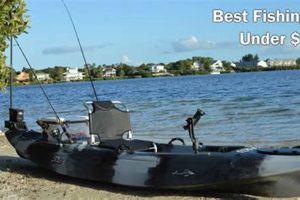
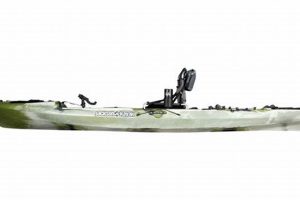
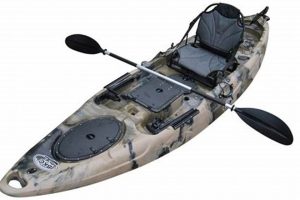
A kayak designed for fishing by a heavier individual requires specific considerations. Factors such as weight capacity, width, stability, and features like rod holders and storage compartments are crucial for a safe and enjoyable fishing experience. Selecting a suitable vessel involves balancing comfort, performance, and specialized features to accommodate the angler’s size and fishing style.
Choosing the right watercraft for anglers of higher weights is paramount for safety and on-the-water performance. A kayak with insufficient capacity can lead to instability and potential capsizing. A properly sized and equipped kayak allows anglers to confidently navigate various water conditions and focus on fishing. Historically, options for larger anglers were limited, but advancements in kayak design and materials have led to a wider selection of robust and stable fishing platforms.
This article will further explore key factors in selecting a fishing kayak appropriate for heavier individuals, including capacity ratings, hull design, materials, and essential features to consider before making a purchase. It will also cover important safety considerations and offer recommendations based on different fishing styles and budgets.
Tips for Selecting a Fishing Kayak for Heavier Anglers
Choosing a suitable fishing kayak requires careful consideration of several factors, especially for individuals of higher weight. These tips offer guidance for making an informed decision and ensuring a safe and enjoyable fishing experience.
Tip 1: Prioritize Capacity: Never exceed the manufacturer’s stated weight capacity. Consider the combined weight of the angler, gear, and any potential catch. A margin of safety is recommended.
Tip 2: Evaluate Width and Stability: Wider kayaks generally offer greater stability. Look for a kayak with a wider beam and a flat or pontoon-style hull for enhanced stability.
Tip 3: Consider Sit-on-Top vs. Sit-Inside: Sit-on-top kayaks are generally easier to enter and exit, and offer more stability. Sit-inside kayaks provide better protection from the elements but can be more challenging for larger individuals.
Tip 4: Examine Construction and Materials: Durable, high-quality materials like polyethylene are essential for supporting higher weights. Consider the thickness and density of the kayak’s construction.
Tip 5: Assess Comfort and Ergonomics: A comfortable seat with ample back support is crucial for longer fishing trips. Adjustable footrests and other ergonomic features can enhance comfort and paddling efficiency.
Tip 6: Evaluate Storage Capacity: Ample storage space is essential for fishing gear, tackle boxes, and other equipment. Consider the size and location of storage compartments.
Tip 7: Think About Fishing Style: Different fishing styles may require specific features, such as rod holders, anchor trolleys, and fish finders. Consider how the kayak will be used and choose features accordingly.
By following these guidelines, anglers can select a kayak that provides stability, comfort, and functionality for a successful and enjoyable fishing experience.
These tips are designed to help prospective buyers make informed decisions. The following section will offer specific kayak recommendations categorized by budget and intended use.
1. Weight Capacity

Weight capacity stands as a critical factor when selecting a kayak, particularly for heavier individuals. This specification, determined by the manufacturer, represents the maximum combined weight the kayak can safely support. This includes the angler’s weight, plus all gear, equipment, and any potential catch. Exceeding this limit compromises stability, increases the risk of capsizing, and can even damage the kayak. For a 300-pound individual, a kayak with a significantly higher weight capacity than 300 pounds is essential. This buffer ensures safe operation even with added gear and potential catches. For instance, a kayak with a 400-pound capacity provides a 100-pound margin for equipment and fish, ensuring stability and preventing submersion.
The practical significance of understanding weight capacity cannot be overstated. It directly impacts safety and performance. A kayak with insufficient capacity sits lower in the water, reducing maneuverability and increasing the likelihood of water ingress. Conversely, a kayak with ample capacity provides a higher freeboard, enhancing stability and dryness. Consider a scenario where a 300-pound angler uses a kayak with a 350-pound capacity. Adding 50 pounds of gear leaves no margin for error, increasing the risk of capsizing, especially in challenging conditions. Choosing a kayak with a 450-pound or 500-pound capacity offers a greater margin of safety and improved performance.
In conclusion, weight capacity is a non-negotiable factor in kayak selection. Anglers must accurately assess their total weight, including gear, and select a kayak with ample capacity. This ensures both safety and optimal performance on the water. Prioritizing weight capacity contributes significantly to a positive and secure kayaking experience. Neglecting this critical aspect can lead to hazardous situations and compromise the structural integrity of the kayak. Therefore, careful consideration of weight capacity is paramount for enjoyable and safe kayaking.
2. Width and Stability

Width and stability are inextricably linked, playing a crucial role in kayak selection, especially for heavier individuals. A wider kayak generally offers greater initial stability, meaning it resists tipping more effectively when at rest. This characteristic is paramount for anglers, particularly those of higher weight, as it provides a secure platform for casting, reeling, and landing fish. A wider hull provides a larger base of support, reducing the likelihood of capsizing, even when shifting weight or encountering unexpected movements. Consider two kayaks: one 30 inches wide and another 36 inches wide. The wider kayak will exhibit significantly greater initial stability, offering a more secure feeling for a 300-pound angler.
However, stability encompasses more than just width. Hull design also contributes significantly. Flat-bottomed hulls provide excellent initial stability, ideal for calm waters and stationary fishing. Pontoon-style hulls offer exceptional stability due to their wider base, making them suitable for larger individuals and rougher conditions. Conversely, V-shaped hulls, while less stable initially, offer better tracking and maneuverability, suitable for paddling longer distances and navigating currents. For a 300-pound angler prioritizing stability, a flat-bottomed or pontoon-style hull would be more appropriate than a V-shaped hull.
Understanding the relationship between width, hull design, and stability is crucial for selecting a kayak appropriate for individual needs. While a wider kayak generally provides better stability, it can also compromise maneuverability and speed. Therefore, a balanced approach is required, considering the intended fishing environment and the angler’s priorities. For a 300-pound angler fishing in calm lakes or slow-moving rivers, prioritizing stability with a wider, flat-bottomed kayak makes sense. However, for an angler planning to navigate faster currents or cover longer distances, a slightly narrower kayak with a modified V-hull might offer a better compromise between stability and performance. Selecting the optimal balance requires careful consideration of individual needs and intended usage.
3. Comfort and Ergonomics

Comfort and ergonomics are paramount when selecting a fishing kayak, especially for heavier individuals. Extended periods on the water necessitate a comfortable and supportive environment to minimize fatigue and maximize enjoyment. Proper ergonomics promote efficient paddling and reduce the risk of physical strain or injury. For a 300-pound individual, these factors are particularly crucial, as proper support and adjustability alleviate pressure points and ensure a stable and comfortable fishing experience.
- Seat Design and Adjustability
Seat design plays a pivotal role in overall comfort. A wide, well-padded seat with adjustable back support is essential for accommodating larger frames and providing adequate support during long hours on the water. Adjustable straps and lumbar support allow for customization based on individual preferences and physical needs. A poorly designed seat can lead to discomfort, back pain, and a diminished fishing experience. For heavier anglers, features like higher seat backs and reinforced construction are particularly beneficial.
- Footrest Systems
Adjustable footrests are crucial for maintaining proper posture and paddling efficiency. They provide leverage and stability, allowing for effective power transfer during paddling. For larger individuals, ample footrest spacing and robust construction are essential to ensure comfort and prevent slippage. Adjustable footrests accommodate varying leg lengths and paddling styles, contributing to a more comfortable and efficient kayaking experience. Inadequate foot support can lead to leg fatigue and reduced paddling power.
- Cockpit Dimensions
Cockpit dimensions significantly influence comfort and ease of entry and exit. A larger cockpit opening provides more room for movement and facilitates easier entry and exit, which is especially important for individuals with mobility limitations. Sufficient legroom within the cockpit is crucial for comfort and prevents cramping during extended trips. For heavier anglers, a spacious cockpit is essential for a comfortable and accessible experience.
- Weight Distribution and Balance
Proper weight distribution is vital for stability and comfort. Evenly distributing weight throughout the kayak prevents tipping and ensures a balanced feel on the water. For heavier individuals, proper weight distribution is particularly important for maintaining stability and preventing the kayak from feeling sluggish or unresponsive. Features like adjustable seating positions and strategically placed storage compartments can assist in optimizing weight distribution and enhancing overall balance.
These elements of comfort and ergonomics significantly influence the overall kayaking experience for heavier individuals. A well-designed kayak with appropriate features ensures comfort, reduces fatigue, and promotes efficient paddling, allowing anglers to focus on fishing rather than physical discomfort. Neglecting these considerations can lead to a less enjoyable and potentially painful experience, highlighting the importance of prioritizing comfort and ergonomics when selecting a fishing kayak, particularly for larger individuals. Proper consideration of these factors ensures not only comfort but also enhances safety and performance on the water.
4. Storage Capacity

Storage capacity is a crucial factor influencing the suitability of a fishing kayak, particularly for larger individuals. Ample storage directly impacts the practicality and enjoyment of fishing trips. Heavier anglers often carry more gear, including larger tackle boxes and potentially specialized equipment. Insufficient storage can lead to a cluttered cockpit, hindering movement and compromising safety. A well-designed storage system allows for organized gear stowage, promoting efficient access and a more comfortable fishing experience. This section explores key facets of storage capacity relevant to selecting a fishing kayak for a heavier person.
- Tankwell Storage
Tankwells, typically located at the rear of the kayak, offer spacious storage for larger items like tackle crates and coolers. A large, open tankwell provides flexibility for carrying bulky gear and securing it with bungee cords. For a 300-pound individual, a spacious tankwell is essential for accommodating larger items and maintaining a clutter-free cockpit. A smaller tankwell might prove inadequate for storing larger tackle boxes or coolers, limiting the angler’s capacity to carry essential gear. The tankwell’s size and accessibility directly impact the practicality of the kayak for longer fishing trips and diverse fishing styles.
- Dry Storage Compartments
Dry storage compartments provide waterproof protection for sensitive items like phones, wallets, and cameras. These compartments, often sealed with hatches, prevent water damage and ensure valuable belongings remain dry. Their presence is crucial for maintaining the integrity of essential gear, especially in wet conditions or during accidental submersion. For any angler, but particularly those carrying electronic devices or important documents, dry storage is not just a convenience but a necessity. The size and number of dry storage compartments influence the kayak’s overall practicality and suitability for different fishing environments.
- Side Storage and Rod Holders
Side storage pockets and integrated rod holders offer convenient access to frequently used items like pliers, lures, and fishing rods. These readily accessible storage options streamline the fishing process, eliminating the need to rummage through larger compartments. Dedicated rod holders secure rods during paddling and transport, preventing damage and freeing up the angler’s hands. The number and placement of rod holders influence the kayak’s versatility for different fishing techniques. Easy access to essential tools and equipment enhances efficiency and enjoyment on the water.
- Weight Capacity and Storage Distribution
Weight capacity and storage distribution are interconnected factors influencing stability and performance. Distributing weight evenly throughout the kayak is crucial for maintaining balance and preventing tipping. Overloading the rear of the kayak can negatively impact tracking and maneuverability. For a 300-pound individual, proper weight distribution is paramount, as uneven loading can exacerbate stability issues. Strategic placement of gear within various storage compartments contributes to a balanced and stable kayak, enhancing overall control and maneuverability.
Sufficient and well-designed storage significantly enhances the functionality and enjoyment of a fishing kayak, especially for larger individuals. Ample storage capacity accommodates essential gear, promotes organization, and contributes to a more comfortable and efficient fishing experience. By carefully evaluating storage options, anglers can select a kayak that meets their specific needs and enhances their time on the water. Prioritizing storage capacity alongside weight capacity, stability, and comfort ensures a well-rounded and enjoyable fishing experience.
5. Specialized Features
Specialized features distinguish a standard kayak from a purpose-built fishing platform, particularly for heavier individuals. These features directly influence functionality, efficiency, and overall fishing success. For a 300-pound angler, specialized features are not mere add-ons but essential components contributing to a safe, comfortable, and productive fishing experience. The interplay between these features and the angler’s physical requirements dictates the suitability of the kayak. Consider, for instance, the importance of robust rod holders capable of securely holding heavier rods and reels. Flimsy rod holders might break or bend under the stress of larger fish, leading to equipment loss and potentially compromising the angler’s balance. Similarly, a sturdy anchor trolley system allows for precise anchor positioning, crucial for maintaining position in currents or wind, particularly important for larger kayaks carrying more weight.
Several specialized features merit particular consideration for heavier anglers. Recessed rod holders positioned strategically within the cockpit offer convenient access without compromising stability. Multiple rod holders cater to diverse fishing techniques and allow for carrying spare rods. Tracks and mounting points provide versatility for attaching fish finders, GPS units, and other accessories, enhancing navigational capabilities and fishing effectiveness. A well-designed rudder system assists in maneuvering larger kayaks, especially in windy conditions, and compensates for the added weight of the angler and gear. Ample storage compartments, including dry storage for sensitive electronics and tackle, contribute to organization and prevent clutter within the cockpit. These features, tailored to the specific needs of fishing, transform a standard kayak into a specialized fishing platform capable of accommodating heavier individuals and enhancing their on-the-water experience. Consider a scenario where a 300-pound angler is fishing in a windy estuary. A rudder system becomes essential for maintaining control and navigating efficiently, preventing the kayak from being blown off course and ensuring the angler can focus on fishing rather than constantly battling the wind.
Selecting a kayak equipped with the appropriate specialized features is paramount for maximizing fishing success and overall enjoyment. These features contribute significantly to efficiency, safety, and comfort, particularly for heavier individuals. A well-equipped kayak provides a stable and functional platform for anglers to pursue their passion, unhindered by limitations imposed by weight or physical constraints. Understanding the importance of specialized features empowers anglers to make informed decisions, ensuring their chosen kayak aligns perfectly with their individual needs and fishing style. The interplay between these features and the angler’s physical requirements cannot be overstated; it ultimately dictates the kayak’s suitability and determines the overall success and enjoyment of the fishing experience.
Frequently Asked Questions
This section addresses common inquiries regarding kayak selection for heavier individuals, focusing on practical considerations and safety guidelines.
Question 1: What is the most important factor to consider when choosing a fishing kayak for a heavier person?
Weight capacity is paramount. The kayak’s stated capacity must exceed the combined weight of the angler, all gear, and potential catch. A safety margin is recommended.
Question 2: Are sit-on-top kayaks more suitable for heavier individuals?
Sit-on-top kayaks generally offer greater stability and easier entry/exit, making them preferable for many heavier anglers. However, individual preferences and fishing styles should also be considered.
Question 3: How does kayak width affect stability?
Wider kayaks generally provide greater initial stability. A wider beam creates a larger base of support, reducing the likelihood of tipping, particularly important for heavier anglers.
Question 4: What features should a heavier angler look for in a kayak seat?
A wide, well-padded, adjustable seat with robust back support is essential for comfort and proper weight distribution. Reinforced construction and adjustable straps are beneficial for heavier individuals.
Question 5: How does weight distribution affect kayak performance?
Even weight distribution is crucial for maintaining balance and preventing tipping. Overloading the rear can negatively impact tracking and maneuverability. Heavier anglers should distribute gear evenly throughout the kayak.
Question 6: Are there specific kayak features that benefit heavier anglers?
Features like a rudder system, multiple rod holders, ample storage compartments, and sturdy construction are particularly beneficial for heavier anglers, enhancing control, functionality, and overall fishing experience.
Careful consideration of these frequently asked questions empowers informed decision-making, ensuring a safe, comfortable, and enjoyable kayaking experience for heavier individuals.
For further information and specific product recommendations, please consult the following section on recommended kayaks.
Finding the Best Fishing Kayak for a 300-Pound Person
Selecting a fishing kayak for a heavier individual requires careful evaluation of various factors. Weight capacity, width, stability, comfort, storage, and specialized features contribute significantly to a safe and enjoyable fishing experience. Prioritizing capacity ensures safe operation, while a wider beam and stable hull design enhance balance. Comfortable seating and adjustable footrests minimize fatigue during longer trips. Ample storage accommodates essential gear, and specialized features like rod holders and rudder systems enhance functionality. The interplay of these elements dictates a kayak’s suitability for heavier anglers.
Careful consideration of these factors empowers informed purchasing decisions, fostering confident and successful fishing experiences. A well-chosen kayak becomes an extension of the angler, facilitating seamless integration with the aquatic environment. This informed selection process promotes not only enjoyable fishing but also safe and responsible engagement with the outdoors.