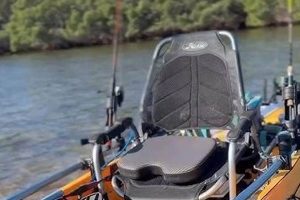
Evaluations of kayaks manufactured by Wilderness Systems specifically designed for fishing provide valuable information for anglers. These assessments typically cover aspects such as stability, maneuverability, features, and overall performance in various fishing environments. Example topics might include an analysis of hull design, storage capacity, accessory compatibility, and comfort. A thorough evaluation will consider the kayak’s suitability for different fishing styles, from stillwater angling to navigating moving currents.
Objective analyses of these specialized kayaks empower potential buyers to make informed decisions. Understanding the strengths and weaknesses of specific models allows anglers to choose a craft that best suits their individual needs and fishing preferences. This ultimately contributes to a more enjoyable and successful fishing experience. The growing popularity of kayak fishing has led to a corresponding increase in the demand for comprehensive and reliable reviews of fishing-specific kayaks.
The following sections will delve deeper into specific criteria used to evaluate Wilderness Systems fishing kayaks, offering a detailed guide for anglers researching their next purchase. Topics covered will include construction materials, performance on the water, and a comparison of popular models.
Tips for Researching Fishing Kayaks
Thorough research is essential for selecting a fishing kayak that aligns with individual needs and preferences. These tips offer guidance for navigating the process effectively.
Tip 1: Define Fishing Style: Consider the intended fishing environment (rivers, lakes, oceans) and target species. This informs the necessary kayak features, such as stability for stillwater fishing or maneuverability for navigating currents.
Tip 2: Prioritize Stability and Capacity: Evaluate the kayak’s stability, especially when standing to cast or reel. Assess weight capacity to ensure it accommodates the angler, gear, and potential catch.
Tip 3: Examine Hull Design: Research different hull designs (e.g., pontoon, sit-on-top, sit-inside) and their impact on stability, speed, and tracking. Consider the intended water conditions.
Tip 4: Evaluate Storage Options: Ample storage is crucial for fishing gear. Assess the type, size, and accessibility of storage compartments, including hatches, tank wells, and rod holders.
Tip 5: Consider Comfort and Ergonomics: A comfortable seat and adjustable footrests are vital for long hours on the water. Evaluate seat design, padding, and adjustability for optimal support.
Tip 6: Research Accessory Compatibility: Determine the compatibility of the kayak with essential fishing accessories, such as fish finders, GPS units, anchors, and rod holders.
Tip 7: Read Reviews and Seek Expert Advice: Consult reputable sources for objective evaluations and user feedback. Seek advice from experienced kayak anglers or retail specialists.
By following these guidelines, prospective buyers can gather the necessary information to make informed decisions and select a fishing kayak optimized for their specific requirements.
Careful consideration of these factors will ultimately contribute to a more rewarding and successful fishing experience on the water.
1. Hull Design

Hull design plays a pivotal role in wilderness systems fishing kayak reviews, significantly influencing performance and user experience. The hull’s shape dictates stability, maneuverability, and tracking, critical factors for diverse fishing environments. A flat-bottomed hull, for example, offers exceptional primary stability ideal for stillwater fishing and stand-up casting, while compromising maneuverability and speed. Conversely, a V-shaped hull enhances tracking and speed in open water but sacrifices stability. Wilderness Systems employs various hull designs, including tunnel hulls for enhanced stability and shallow-water performance, and multi-chine hulls for a balance between stability and maneuverability. Reviews often analyze these design choices in relation to specific fishing applications, providing valuable insights for potential buyers.
Consider a fishing kayak designed for navigating rivers and streams. A hull with a pronounced keel and defined chines will track effectively in currents, enabling precise maneuvering through challenging waterways. Conversely, a kayak intended for calm lakes or ponds may prioritize stability over tracking. A wider, flatter hull design provides a stable platform for stand-up fishing, enhancing casting accuracy and overall angler comfort. Reviews often compare and contrast these design elements across different Wilderness Systems models, helping anglers identify the ideal kayak for their intended use.
Understanding the impact of hull design empowers informed purchasing decisions. Thorough reviews dissect the nuances of each design, considering its advantages and disadvantages in specific fishing scenarios. This analysis provides potential buyers with the knowledge required to select a kayak optimized for their individual needs and fishing style, ultimately contributing to a more satisfying and productive on-the-water experience. The interplay between hull design and intended use remains a central theme in evaluating Wilderness Systems fishing kayaks, highlighting the importance of this critical design element.
2. Stability
Stability forms a cornerstone of wilderness systems fishing kayak reviews, directly influencing angler safety, comfort, and fishing effectiveness. Analyses of stability consider primary and secondary stability. Primary stability refers to the kayak’s initial resistance to tipping, crucial for maintaining balance while at rest. Secondary stability describes the kayak’s ability to remain upright when leaned or tilted, essential for maneuvering and retrieving fish. Kayak reviewers often conduct practical tests to assess stability, such as leaning the kayak to various angles or attempting to stand and cast. These assessments provide objective data on the kayak’s performance under realistic fishing conditions. For example, a kayak with a wide, flat hull exhibits high primary stability, making it ideal for beginners or anglers who prefer to stand while fishing. Conversely, a kayak with a narrower hull and rounded chines prioritizes secondary stability, allowing experienced paddlers to lean into turns and maintain balance in rougher water. Reviews often correlate stability characteristics with specific fishing styles and environments, aiding consumers in selecting the most suitable kayak.
The practical implications of stability extend beyond simple balance. Enhanced stability allows anglers to focus on fishing rather than constantly correcting their position, reducing fatigue and increasing enjoyment on the water. Moreover, stable kayaks facilitate stand-up fishing, enabling greater casting distance and improved visibility. Conversely, inadequate stability can lead to anxiety, discomfort, and even capsizing, especially in challenging conditions. Reviews often highlight the importance of stability for anglers with specific needs, such as those with mobility limitations or those fishing in open water prone to wind and waves. Consider a scenario where an angler hooks a large fish. A stable kayak provides a secure platform to fight the fish without the risk of capsizing, enhancing the angler’s chances of a successful landing. Reviews may also explore how different features, such as outriggers or stabilizers, can enhance stability and broaden the kayak’s suitability for diverse fishing environments.
In conclusion, stability plays a critical role in wilderness systems fishing kayak evaluations. Reviews analyze stability characteristics using objective tests and real-world scenarios, offering valuable insights for prospective buyers. Understanding the nuances of stability empowers informed decision-making, connecting kayak performance with individual fishing styles and needs. This ultimately contributes to a safer, more comfortable, and more productive fishing experience on the water. Choosing a kayak with appropriate stability can be the difference between a relaxing day of fishing and a challenging, potentially dangerous experience.
3. Storage Capacity

Storage capacity is a critical factor in wilderness systems fishing kayak reviews, directly impacting an angler’s ability to carry essential gear and manage catches effectively. Adequate storage facilitates organized transport of tackle, rods, safety equipment, and personal items, contributing to a more efficient and enjoyable fishing experience. Evaluations of storage capacity consider factors such as compartment size, accessibility, and design features that enhance organization and waterproof protection.
- Front Hatch Storage
Front hatch storage typically provides ample space for larger items like tackle boxes, dry bags, and extra clothing. Reviews often assess the hatch’s size, ease of access, and sealing effectiveness. A spacious front hatch allows anglers to store bulky gear securely, maximizing deck space for fishing activities. For example, a well-designed front hatch allows easy access to essential gear without requiring the angler to leave their seat, minimizing disruption during fishing. Reviews often highlight the importance of a watertight seal to protect gear from splashes and submersion, a critical factor in maintaining equipment integrity and safety.
- Rear Tank Well Storage
The rear tank well offers open storage, ideal for items requiring quick access or those too large for hatches. Reviews evaluate the tank well’s size, security features like bungee cords, and compatibility with crates or other storage solutions. A spacious tank well can accommodate coolers, livewells, or even a small motor. For instance, secure attachment points within the tank well allow anglers to fasten gear securely, preventing loss or damage during transit or rough water conditions. Reviews may also consider the tank well’s design in relation to the kayak’s overall stability, particularly when loaded with heavier items.
- Side Storage Compartments
Smaller side compartments offer convenient storage for frequently used items like pliers, lures, and sunscreen. Reviews assess their accessibility, waterproofing, and impact on deck space. Easy-to-reach side compartments allow anglers to access essential tools without interrupting their fishing rhythm. For example, dedicated compartments designed for specific items, such as leader line or fishing tools, enhance organization and efficiency. Reviews may also consider the durability and water resistance of these compartments, ensuring they protect contents from the elements.
- Rod Holders
Integrated rod holders are essential for securing fishing rods during paddling and while not in use. Reviews analyze the number, placement, and type of rod holders, considering their practicality and convenience. Flush-mounted rod holders minimize line tangling, while adjustable rod holders accommodate different fishing styles. Multiple rod holders allow anglers to carry a variety of rods rigged for different techniques, enhancing versatility on the water. Reviews may also consider the rod holders’ construction and durability, ensuring they can withstand the stress of heavy use and exposure to saltwater environments.
Storage capacity significantly influences a fishing kayak’s practicality and overall effectiveness. Reviews of Wilderness Systems kayaks often emphasize the importance of a well-designed storage system, analyzing how various compartments and features contribute to an organized and efficient fishing experience. The strategic placement and accessibility of storage options impact an angler’s ability to manage gear and respond quickly to changing fishing conditions, highlighting the connection between storage capacity and on-the-water success. Comparing storage solutions across different Wilderness Systems models empowers informed decision-making, enabling anglers to choose a kayak tailored to their specific storage needs and fishing style.
4. Comfort Features

Comfort features constitute a critical aspect of wilderness systems fishing kayak reviews, directly influencing angler endurance, focus, and overall enjoyment on the water. Extended fishing trips necessitate a comfortable and supportive environment to minimize fatigue and maximize fishing effectiveness. Analyses of comfort features consider elements such as seating design, adjustability, and integration of ergonomic principles to enhance the overall paddling and fishing experience.
- Seating System
The seating system plays a pivotal role in angler comfort. Reviews evaluate seat design, padding, breathability, and adjustability. A well-designed seat provides ample support for extended periods, minimizing pressure points and promoting proper posture. High-back seats with lumbar support contribute to spinal alignment and reduce back strain. Breathable fabrics enhance comfort in warm weather, preventing overheating and moisture buildup. Adjustable features, such as forward/backward positioning and reclining mechanisms, allow anglers to customize the seat to their individual preferences and fishing styles. For example, a kayak designed for sight fishing might benefit from a higher seat position for improved visibility, while a kayak intended for paddling long distances might prioritize a more reclined and relaxed seating posture. Reviews often compare different seating systems across Wilderness Systems models, highlighting the benefits and drawbacks of each design in relation to specific fishing applications.
- Footrests and Leg Support
Adjustable footrests or foot braces provide essential leg support, enhancing paddling efficiency and overall comfort. Reviews assess the adjustability, stability, and comfort of these systems. Proper leg support allows anglers to maintain a balanced and biomechanically efficient paddling stroke, reducing fatigue and maximizing power transfer. Adjustable footrests accommodate varying leg lengths and paddling styles, ensuring a customized fit for optimal comfort and control. For instance, a kayak designed for rough water might prioritize secure and adjustable footrests to enhance stability and control in challenging conditions. Reviews often consider the durability and ease of adjustment of footrest systems, ensuring they can withstand regular use and exposure to the elements.
- Deck Padding and Layout
Deck padding and layout contribute to overall comfort and functionality. Reviews analyze the type, placement, and effectiveness of padding, considering its impact on standing, kneeling, and seated fishing positions. Anti-slip padding enhances traction and stability, reducing the risk of slips and falls. Strategically placed padding cushions sensitive areas like knees and elbows, improving comfort during prolonged fishing sessions. A well-designed deck layout maximizes usable space and provides convenient access to essential gear and accessories. For example, recessed areas or molded-in cup holders can enhance comfort and convenience. Reviews often consider the durability and ease of cleaning of deck padding, ensuring it can withstand the rigors of regular use and exposure to saltwater and UV radiation.
- Ergonomic Considerations
Ergonomic considerations encompass the design and integration of features that promote natural body posture and minimize strain during paddling and fishing. Reviews evaluate aspects like cockpit design, paddle holder placement, and the overall layout of controls and accessories. A well-designed cockpit provides ample legroom and allows for easy entry and exit. Conveniently placed paddle holders and readily accessible controls enhance efficiency and reduce the need for awkward reaching or stretching. For instance, adjustable thigh braces can enhance control and comfort, particularly in challenging paddling conditions. Reviews often consider the overall ergonomic design of the kayak, assessing how well it accommodates the angler’s body mechanics and promotes a comfortable and efficient fishing experience. This analysis may include considerations for different body types and sizes, ensuring the kayak provides adequate support and comfort for a wide range of users.
Comfort features play a crucial role in the overall assessment of wilderness systems fishing kayaks. Reviews analyze these features through the lens of ergonomics, functionality, and long-term comfort, providing valuable insights for prospective buyers. The interplay between comfort and performance is often highlighted, emphasizing the importance of a supportive and comfortable environment for maximizing fishing effectiveness and enjoyment. Choosing a kayak with well-designed comfort features can significantly enhance the overall fishing experience, transforming long hours on the water from a tiring ordeal into a relaxing and rewarding pursuit. Thorough evaluations of comfort features empower informed decision-making, enabling anglers to select a kayak optimized for their individual needs and preferences, ultimately contributing to a more satisfying and productive time on the water.
5. Maneuverability

Maneuverability represents a critical performance attribute in wilderness systems fishing kayak reviews, significantly impacting an angler’s ability to navigate diverse water environments and effectively target fish. Evaluations of maneuverability consider factors such as hull design, length, width, and the presence of specialized features like rudders or skegs. The interplay between these elements dictates how efficiently a kayak responds to paddle input and its capacity to navigate tight spaces, swift currents, and challenging obstacles. A kayak’s turning radius, tracking ability, and responsiveness to paddle strokes are key indicators of its maneuverability. For instance, a shorter, wider kayak generally offers enhanced maneuverability in tight quarters, such as navigating through dense vegetation or along narrow creek beds. Conversely, a longer, narrower kayak might excel in tracking straight lines and covering greater distances efficiently but may be less agile in confined areas.
The practical implications of maneuverability extend beyond simple navigation. Enhanced maneuverability allows anglers to position themselves precisely for optimal casting angles, approach fish stealthily, and respond quickly to changing currents or fish movements. Consider a scenario where an angler needs to navigate around submerged logs or rocks in a fast-moving river. A highly maneuverable kayak allows for quick adjustments and precise control, minimizing the risk of collision or capsizing. Conversely, a less maneuverable kayak might struggle in such conditions, hindering the angler’s ability to reach prime fishing spots or react effectively to unexpected obstacles. Reviews often analyze how specific design features, such as a retractable skeg or rudder system, enhance maneuverability and adapt the kayak’s performance to diverse water conditions. A retractable skeg, for example, can improve tracking in open water while being easily retracted for enhanced maneuverability in shallows or tight spaces.
In summary, maneuverability plays a pivotal role in evaluating wilderness systems fishing kayaks. Reviews analyze maneuverability through practical on-the-water assessments, considering its impact on various fishing scenarios and environments. Understanding the relationship between design features and maneuverability empowers informed decision-making, enabling anglers to select a kayak optimized for their targeted fishing style and the specific challenges of their chosen waterways. A kayak’s maneuverability can significantly influence fishing success, impacting an angler’s ability to reach desired locations, position effectively, and respond efficiently to changing conditions on the water. This understanding underscores the importance of maneuverability as a key criterion in wilderness systems fishing kayak reviews.
6. Accessory Integration
Accessory integration constitutes a significant factor in wilderness systems fishing kayak reviews, directly influencing an angler’s ability to customize their kayak for specific fishing needs and enhance on-the-water effectiveness. Seamless integration of essential accessories, such as fish finders, GPS units, rod holders, and anchor systems, contributes to a more organized, efficient, and productive fishing experience. Evaluations of accessory integration consider factors like compatibility, ease of installation, and the impact on the kayak’s overall performance and stability.
- Fish Finder and GPS Integration
Integrating fish finders and GPS units enhances an angler’s ability to locate fish, navigate effectively, and mark productive fishing spots. Reviews assess the kayak’s compatibility with various transducer mounts and power sources, as well as the availability of dedicated mounting locations for displays. Practical considerations include cable management solutions and the impact of transducer placement on hull performance. For example, a kayak with pre-installed transducer scuppers simplifies installation and minimizes interference with the hull’s hydrodynamic properties. Reviews may also examine the integration of GPS systems for charting courses, marking waypoints, and ensuring safe navigation, particularly in unfamiliar waters or challenging conditions.
- Rod Holder Placement and Functionality
Rod holders are essential for securing fishing rods during paddling and while not in use. Reviews analyze the number, placement, and type of rod holders, considering their practicality and convenience for different fishing techniques. Flush-mounted rod holders minimize line tangling, while adjustable rod holders accommodate various rod lengths and fishing styles. Multiple rod holders allow anglers to carry a selection of rods rigged for diverse techniques, enhancing versatility on the water. Reviews may also consider the rod holders’ construction and durability, ensuring they can withstand the stress of heavy use and exposure to saltwater environments. The strategic placement of rod holders influences casting efficiency and access, impacting the angler’s ability to react quickly to fish activity.
- Anchor System Compatibility and Deployment
Anchor systems provide essential stability in windy conditions or when fishing in currents. Reviews assess the kayak’s compatibility with various anchor trolley systems, anchor cleats, and anchor deployment mechanisms. Practical considerations include ease of deployment and retrieval, as well as the anchor system’s impact on the kayak’s stability and maneuverability. A well-designed anchor trolley system allows anglers to position the anchor efficiently for optimal boat control, minimizing drift and maximizing fishing effectiveness. Reviews may also analyze the integration of anchor cleats or other secure attachment points for anchor lines, ensuring reliable anchoring and preventing line entanglement.
- Gear Track Systems and Customization
Gear track systems provide versatile mounting points for a wide range of accessories, enabling anglers to customize their kayaks to meet specific fishing needs. Reviews evaluate the placement, length, and compatibility of gear tracks with various mounts and accessories. The presence of multiple gear tracks offers flexibility in positioning rod holders, fish finders, cameras, and other essential gear, optimizing the kayak’s layout for individual fishing styles and preferences. Reviews often highlight the versatility of gear track systems in adapting the kayak to different fishing environments and techniques, enhancing its overall utility and value.
Accessory integration directly impacts the functionality and versatility of wilderness systems fishing kayaks. Thorough reviews analyze the integration of key accessories, evaluating their impact on fishing effectiveness and overall user experience. The seamless integration of these features can significantly enhance an angler’s ability to customize their kayak for specific fishing scenarios, optimize on-the-water performance, and maximize their chances of success. Choosing a kayak with well-integrated accessory options empowers anglers to create a personalized and efficient fishing platform tailored to their individual needs and preferences. This ultimately contributes to a more productive and enjoyable fishing experience.
Frequently Asked Questions
This FAQ section addresses common inquiries regarding Wilderness Systems fishing kayaks, providing concise and informative responses based on objective evaluations and user experiences.
Question 1: How do Wilderness Systems fishing kayaks compare to other leading brands in terms of stability?
Wilderness Systems kayaks are generally recognized for their stability, often incorporating design features like wider hulls and flatter bottoms to enhance stability, particularly for stand-up fishing. However, stability varies across models, and comparisons with other brands depend on specific model comparisons and individual angler preferences. Objective stability tests and user reviews offer valuable insights for comparison.
Question 2: What is the typical weight capacity of a Wilderness Systems fishing kayak, and how is it determined?
Weight capacity varies across Wilderness Systems models but generally ranges from 325 to 500 pounds. Manufacturers determine weight capacity through rigorous testing, considering factors like hull design and material strength. Exceeding the recommended weight capacity compromises stability and performance and may void the warranty.
Question 3: Are Wilderness Systems fishing kayaks suitable for both freshwater and saltwater environments?
Most Wilderness Systems fishing kayaks are designed for use in both freshwater and saltwater environments. However, regular rinsing with fresh water after saltwater use is essential to prevent corrosion and maintain the kayak’s longevity. Specific model specifications should be consulted for material compatibility and recommended usage guidelines.
Question 4: How do different hull designs within the Wilderness Systems range influence paddling performance and fishing applications?
Wilderness Systems utilizes various hull designs, each impacting paddling performance and suitability for different fishing styles. For example, pontoon hulls provide exceptional stability, while tunnel hulls offer enhanced shallow-water performance. V-shaped hulls prioritize speed and tracking, while multi-chine hulls balance stability and maneuverability. Understanding these design characteristics informs model selection based on individual fishing needs and preferences.
Question 5: What factors should be considered when choosing between a sit-on-top and sit-inside Wilderness Systems fishing kayak?
Choosing between sit-on-top and sit-inside kayaks depends on individual preferences and fishing styles. Sit-on-tops offer enhanced stability, ease of entry and exit, and self-bailing capabilities, ideal for warmer climates and calmer waters. Sit-inside kayaks provide greater protection from the elements and enhanced paddling efficiency, often preferred for colder conditions or longer paddling distances. Specific model characteristics and user reviews provide valuable insights for informed decision-making.
Question 6: What are the recommended maintenance practices for ensuring the longevity of a Wilderness Systems fishing kayak?
Regular maintenance is crucial for preserving the longevity of a Wilderness Systems fishing kayak. Recommended practices include rinsing the kayak with fresh water after each use, especially in saltwater environments, storing the kayak out of direct sunlight, and inspecting and addressing any damage promptly. Following manufacturer guidelines for storage, cleaning, and maintenance ensures optimal performance and extends the kayak’s lifespan.
Careful consideration of these frequently asked questions, combined with thorough research and consultation of reputable reviews, empowers informed purchasing decisions and contributes to a satisfying and productive fishing kayak experience.
The following section delves into specific Wilderness Systems kayak models, offering detailed analyses of their features, performance, and suitability for diverse fishing applications. This comprehensive overview will assist anglers in selecting the ideal kayak to meet their individual needs and preferences.
Conclusion
Comprehensive wilderness systems fishing kayak reviews provide crucial insights for anglers seeking optimal performance and value. Analyses of hull design, stability, storage capacity, comfort features, maneuverability, and accessory integration empower informed purchasing decisions. Objective evaluations, coupled with practical on-the-water assessments, illuminate the strengths and weaknesses of various models, aligning kayak selection with individual fishing styles, target species, and environmental conditions. Thorough reviews consider the interplay between these factors, emphasizing the importance of a holistic approach to kayak evaluation.
The evolving landscape of kayak fishing necessitates continuous innovation and refinement. Future wilderness systems fishing kayak reviews will undoubtedly incorporate advancements in materials, design, and technology. Anglers are encouraged to remain informed about these developments and utilize comprehensive reviews as essential tools for navigating the diverse and dynamic world of fishing kayaks. Ultimately, informed decision-making based on thorough reviews contributes to enhanced on-the-water experiences, fostering greater enjoyment and success in the pursuit of angling excellence.