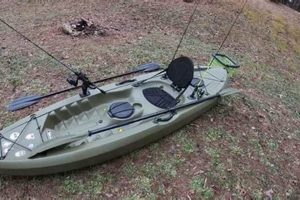
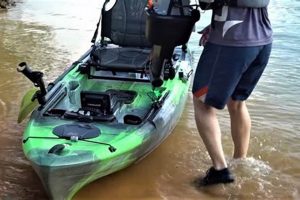
Florida offers diverse opportunities for angling from small, human-powered vessels in non-coastal waterways. This activity involves pursuing various fish species in lakes, rivers, and springs using specialized kayaks designed for stability and equipment storage. Examples include targeting largemouth bass in the vegetated shallows of Lake Okeechobee or pursuing panfish in the cypress-lined creeks of the Everglades.
This pursuit provides numerous advantages. It allows access to otherwise unreachable fishing grounds, offering a closer connection with nature and a quiet, non-motorized approach that minimizes disturbance to aquatic life. Historically, small boats have been integral to fishing practices in Florida’s inland waters, evolving from traditional dugout canoes to modern, purpose-built kayaks. This evolution reflects the ongoing adaptation of fishing techniques to the state’s unique environment and diverse fish populations.
The subsequent sections will delve into specific aspects of this activity, including suitable locations, appropriate gear, targeted species, effective techniques, and relevant regulations.
Tips for Freshwater Kayak Fishing in Florida
Successful angling from a kayak in Florida’s freshwater environments requires careful planning and execution. The following tips offer guidance for a safe and productive experience.
Tip 1: Prioritize Safety. Always wear a personal flotation device. Check weather forecasts before embarking and be aware of changing conditions. Carry a communication device and inform someone of the planned fishing location and return time.
Tip 2: Choose the Right Kayak. Select a kayak designed for stability and fishing, featuring ample storage for gear and accessories. Consider factors such as hull design, weight capacity, and seating comfort.
Tip 3: Research Fishing Locations. Explore maps, online resources, and local fishing reports to identify productive areas. Consider factors such as water clarity, vegetation, and the presence of target species.
Tip 4: Pack Essential Gear. Carry appropriate rods, reels, lines, lures, and tackle suited to the target species. Include essential safety equipment, such as a first-aid kit, whistle, and signaling device.
Tip 5: Employ Effective Techniques. Adapt fishing methods to the specific environment and target species. Techniques might include casting artificial lures, drifting live bait, or trolling. Quiet paddling and anchoring minimize disturbance to fish.
Tip 6: Respect Wildlife and the Environment. Practice catch-and-release whenever possible. Properly dispose of fishing line and other waste. Adhere to all applicable fishing regulations.
Tip 7: Learn Basic Kayak Handling Skills. Practice paddling, maneuvering, and launching/landing techniques before venturing into challenging waters. Understand how wind and currents affect kayak control.
By adhering to these guidelines, anglers can maximize their chances of success while ensuring a safe and enjoyable experience on Florida’s diverse freshwater systems.
The following section will offer a concluding perspective on the value and appeal of this increasingly popular activity.
1. Diverse Fish Species

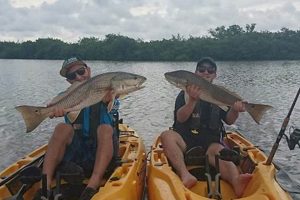
Florida’s freshwater environments support a remarkable diversity of fish species, a key factor contributing to the popularity of kayak angling. This biodiversity provides anglers with opportunities to target a wide range of species, each with unique characteristics and habitat preferences. Largemouth bass, perhaps Florida’s most iconic freshwater gamefish, thrive in vegetated areas of lakes and rivers. Other popular targets include panfish such as bluegill and redear sunfish, often found in calmer waters near submerged structures. Chain pickerel, known for their aggressive strikes, inhabit weedy shallows and tributaries. This variety enhances the angling experience, allowing for specialized techniques and the pursuit of different challenges.
The presence of diverse fish species influences angler choices regarding location, tackle, and strategy. Anglers seeking largemouth bass might focus on areas with abundant cover, employing lures and techniques that mimic the bass’s prey. Those targeting panfish may opt for lighter tackle and smaller baits, fishing near docks, lily pads, or submerged brush. Understanding the specific habitat preferences and feeding habits of target species is crucial for success. For example, targeting black crappie, known for their schooling behavior, might involve using small jigs or live minnows near deeper drop-offs or submerged trees.
The diversity of fish species in Florida’s freshwater ecosystems contributes significantly to the recreational and ecological value of kayak fishing. This variety provides a dynamic and engaging angling experience, encouraging exploration of different habitats and the development of specialized techniques. Respectful angling practices, such as catch-and-release, and adherence to fishing regulations are essential for preserving this valuable resource and ensuring the continued enjoyment of future generations.
2. Scenic Waterways

Florida’s scenic freshwater waterways are intrinsically linked to the appeal of kayak fishing. The aesthetic quality of the environment significantly enhances the overall experience. Paddling through cypress-lined creeks, across crystal-clear springs, or along the shores of pristine lakes adds a dimension of enjoyment beyond the pursuit of fish. These visually appealing surroundings offer a sense of tranquility and connection with nature, fostering a deeper appreciation for the state’s ecological diversity. The visual appeal of a location can influence angler choice, with many drawn to areas renowned for their natural beauty. For example, the Weeki Wachee River, with its clear, spring-fed waters and abundant wildlife, attracts kayakers seeking both angling opportunities and scenic beauty. Similarly, the Juniper Springs Run, located within the Ocala National Forest, offers a captivating paddling experience through a canopy of lush vegetation.
The scenic quality of these waterways also contributes to the overall health of the ecosystem. Healthy aquatic vegetation, clear water, and diverse riparian habitats not only provide aesthetic value but also support thriving fish populations and other wildlife. The presence of submerged vegetation, for example, offers cover for fish and provides habitat for invertebrates, contributing to the food web. These interconnected elements demonstrate the importance of preserving the scenic integrity of Florida’s freshwater ecosystems. Efforts to maintain water quality, protect shoreline vegetation, and minimize human impact are essential for sustaining both the aesthetic and ecological value of these waterways. Protecting these scenic resources ensures continued opportunities for kayak fishing and other recreational activities while safeguarding the ecological health of these valuable natural assets.
The scenic beauty of Florida’s freshwater environments plays a crucial role in the overall appeal of kayak fishing. The aesthetic qualities of these waterways enhance the angling experience, contributing to a sense of tranquility and connection with nature. Maintaining the scenic integrity of these ecosystems through conservation efforts is essential for preserving both the recreational opportunities and the ecological health of Florida’s unique freshwater resources. This understanding underscores the interconnectedness of aesthetics, recreation, and ecological well-being within these valuable natural systems.
3. Quiet Approach

In the context of freshwater kayak fishing in Florida, a quiet approach is paramount for success. Kayaks, by their nature, offer a stealthy mode of transportation, allowing anglers to access shallow, vegetated areas with minimal disturbance to fish. This advantage distinguishes kayak fishing from motorized boating, where engine noise can spook fish, particularly in clear, shallow waters. The following facets delve deeper into the components, examples, and implications of a quiet approach.
- Reduced Noise Pollution
Minimizing noise is crucial for successful angling. The absence of a combustion engine eliminates a significant source of noise pollution that can deter fish. Paddling strokes, while generating some sound, are considerably quieter and less disruptive than a motor. This allows anglers to approach fish more closely, increasing the chances of a successful presentation. For instance, in spring-fed rivers where water clarity is exceptional, a quiet approach is essential for sight fishing, a technique requiring minimal disturbance to observe and target individual fish.
- Stealthy Maneuverability
Kayaks offer exceptional maneuverability in tight spaces, enabling anglers to navigate through complex aquatic vegetation and shallow areas without creating excessive noise or disturbance. This precise control allows for targeted casting near submerged logs, overhanging branches, or lily pads prime ambush points for predatory fish like bass. For example, navigating through narrow mangrove tunnels in coastal estuaries, or approaching shallow flats in the Everglades, requires a stealthy approach to avoid spooking fish.
- Enhanced Wildlife Observation
A quiet approach enhances not only fishing success but also the overall experience by allowing for closer observation of wildlife. Birds, turtles, and other aquatic creatures are less likely to be disturbed by a quietly paddled kayak, providing opportunities for unique wildlife encounters. Birdwatchers often utilize kayaks for this very reason, capitalizing on the quiet approach to observe avian species in their natural habitats. In Florida, this might include observing wading birds stalking prey in shallow marshes or raptors perched along riverbanks.
- Improved Angling Success
The culmination of reduced noise pollution, stealthy maneuverability, and minimized disturbance contributes directly to improved angling success. Fish are more likely to strike a lure or bait presented in a natural, undisturbed setting. This advantage is particularly significant in clear water scenarios, where fish have heightened awareness of their surroundings. In heavily pressured fisheries, where fish are accustomed to boat traffic, a quiet approach can be the deciding factor in enticing wary fish.
The quiet approach inherent in freshwater kayak fishing in Florida is integral to both the angling experience and its success. It allows for greater interaction with the environment, increases the chances of catching fish, and fosters a deeper appreciation for the subtle nuances of the aquatic world. This emphasis on quietude underscores the importance of respecting the natural environment and minimizing human impact while pursuing recreational activities.
4. Accessible Locations
The accessibility of diverse locations is a defining characteristic of freshwater kayak fishing in Florida. The extensive network of rivers, lakes, springs, and canals provides numerous entry points for anglers. This ease of access, combined with the kayak’s portability, opens up a wealth of fishing opportunities not readily available to other boaters. The following facets explore the components, examples, and implications of accessible locations within this context.
- Launch Points and Public Access
Florida offers an abundance of public boat ramps, kayak launches, and fishing piers, providing convenient entry points to various freshwater systems. Many state parks, wildlife management areas, and county-maintained sites provide designated kayak launch areas. For example, the St. Johns River Water Management District maintains numerous public access points along the St. Johns River, facilitating kayak fishing in various sections of this extensive waterway. Similarly, the Florida Fish and Wildlife Conservation Commission (FWC) provides online resources mapping public access points throughout the state, simplifying trip planning.
- Small Waterways and Shallow Access
Kayaks excel in accessing smaller creeks, streams, and shallow-water habitats often inaccessible to larger vessels. Their shallow draft allows navigation through narrow passages and over submerged vegetation, opening up prime fishing grounds often overlooked by other anglers. This advantage is particularly relevant in areas like the Everglades, where shallow-water fishing is paramount, or in the numerous small creeks and tributaries feeding into larger rivers. This accessibility expands the range of fishable water significantly.
- Portability and Transportation
Kayaks are easily transported on vehicle roof racks or trailers, enabling anglers to reach remote or less-trafficked fishing spots. This portability expands the range of accessible locations, removing the limitations imposed by larger boats requiring boat ramps or marinas. Anglers can easily transport their kayaks to smaller lakes, ponds, or secluded sections of rivers accessible only by carrying the kayak a short distance. This facilitates exploration and the discovery of less-pressured fishing areas.
- Urban and Suburban Fishing Opportunities
Accessible locations extend beyond wilderness areas. Many urban and suburban areas contain canals, ponds, and lakes that offer excellent kayak fishing opportunities. These locations provide convenient access for anglers residing in populated areas, reducing travel time and expanding recreational options. For example, many retention ponds in residential developments contain healthy populations of bass and panfish, providing readily accessible fishing opportunities close to home. City parks often provide kayak launch points onto urban waterways, integrating recreational fishing into the urban landscape.
The accessibility of diverse fishing locations significantly contributes to the popularity of freshwater kayak fishing in Florida. The combination of numerous public access points, the ability to navigate shallow waters, the portability of kayaks, and the presence of fishing opportunities in urban and suburban areas creates a uniquely accessible and versatile angling experience. This accessibility fosters a sense of exploration and allows anglers to connect with Florida’s diverse aquatic ecosystems in a readily accessible and meaningful way.
5. Specialized Equipment

Specialized equipment plays a crucial role in the effectiveness and enjoyment of freshwater kayak fishing in Florida. The unique demands of this activity necessitate gear tailored to both the environment and the target species. From the kayak itself to the rods, reels, and tackle employed, specialized equipment enhances angler performance and contributes to a more productive and comfortable experience.
- Kayak Selection and Modification
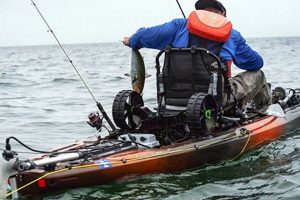
Kayaks designed specifically for fishing offer features that enhance stability, maneuverability, and storage capacity. Sit-on-top kayaks are popular choices due to their self-bailing design and ease of entry and exit. Modifications such as rod holders, anchor trolleys, and fish finder mounts further customize the kayak for angling. Choosing a kayak appropriate for the intended fishing environmentrivers, lakes, or estuariesis essential. For example, a shorter, wider kayak might be preferable for maneuverability in tight creeks, while a longer, more stable kayak might be better suited for open-water lake fishing.
- Rods, Reels, and Tackle
Rod and reel selection depends on the target species and fishing techniques employed. Lighter spinning tackle is often preferred for panfish and smaller bass, while heavier baitcasting gear is suitable for larger species or techniques requiring heavier lures. Specialized rods designed for kayak fishing are typically shorter for easier handling in the confined space of a kayak. Terminal tackle, such as hooks, weights, and lures, should be selected based on the target species and the prevailing conditions. For example, fishing for bass in heavy vegetation might necessitate weedless hooks and lures designed to penetrate dense cover.
- Safety and Navigation Equipment
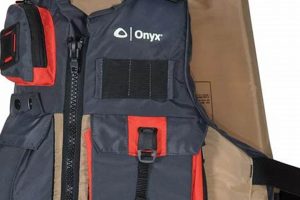
Safety equipment is paramount in kayak fishing. Personal flotation devices (PFDs) are essential and should be worn at all times. A whistle, signaling device, and first-aid kit are also crucial safety items. Navigation tools such as GPS units or chartplotters aid in route planning and location awareness, particularly in larger bodies of water or unfamiliar areas. Carrying a dry bag protects essential items like phones and wallets from water damage. A paddle leash prevents accidental loss of the paddle in the event of a capsize.
- Fish Handling and Storage
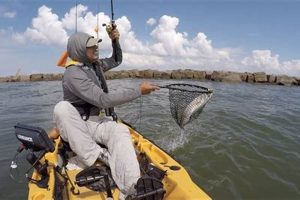
Specialized equipment for handling and storing fish contributes to ethical angling practices. A landing net facilitates safe and efficient retrieval of fish, minimizing stress on the animal. Lip grips or fish-handling gloves aid in securely holding fish for hook removal or weighing. A cooler or livewell keeps catches fresh for later consumption or allows for live release. For catch-and-release fishing, proper handling techniques and tools are essential for ensuring the survival of released fish.
The specialized equipment employed in freshwater kayak fishing directly influences angling success, safety, and overall enjoyment. Investing in appropriate gear tailored to the specific demands of this activity enhances angler performance and promotes responsible angling practices. The careful selection and utilization of specialized equipment contribute to a more rewarding and sustainable approach to experiencing Floridas diverse freshwater ecosystems.
6. Sustainable Practices

Sustainable practices are essential for preserving Florida’s freshwater ecosystems and ensuring the long-term viability of kayak fishing. Responsible angling methods minimize environmental impact and contribute to the health of fish populations and their habitats. Integrating these practices into kayak fishing ensures the continued enjoyment of this activity for future generations.
- Catch-and-Release Fishing
Catch-and-release is a cornerstone of sustainable fishing, promoting the conservation of fish populations. Proper handling techniques, including minimizing air exposure and using appropriate hooks, maximize the survival rate of released fish. In Florida, catch-and-release is particularly important for species like largemouth bass, contributing to the health of trophy fisheries. Utilizing barbless hooks or crushing barbs on existing hooks further reduces injury to fish during hook removal.
- Respectful Habitat Interaction
Minimizing disturbance to aquatic habitats is crucial for maintaining their ecological integrity. Kayak anglers should avoid paddling through sensitive vegetation beds or disturbing spawning areas. Proper anchoring techniques, such as using sand anchors or avoiding anchoring in vegetation, prevent damage to underwater habitats. Adhering to designated waterway trails and respecting marked no-entry zones contributes to habitat preservation. For example, avoiding shallow grass flats during spawning season protects vulnerable fish populations.
- Proper Waste Disposal
Discarded fishing line poses a significant threat to wildlife and water quality. Anglers should carry all trash and used fishing line off the water for proper disposal. Utilizing reusable containers and avoiding single-use plastics minimizes waste generation. Participating in local cleanup events further contributes to maintaining healthy waterways. Proper disposal of old fishing gear, such as lures and hooks, prevents these items from becoming environmental hazards.
- Invasive Species Awareness
Invasive plant and animal species pose a significant threat to Florida’s freshwater ecosystems. Anglers should clean their kayaks and gear thoroughly after each trip to prevent the spread of invasive species between different water bodies. Learning to identify and report invasive species aids in early detection and management efforts. For example, removing hydrilla or other invasive plants from a kayak and disposing of them properly prevents their spread to new locations. Reporting sightings of invasive fish species, such as lionfish or tilapia, to the FWC assists in managing these populations.
Sustainable practices are integral to the long-term health of Florida’s freshwater ecosystems and the continued enjoyment of kayak fishing. By incorporating these practices into their angling routines, kayak anglers contribute to the preservation of these valuable resources, ensuring that future generations can experience the unique rewards of freshwater kayak fishing in Florida. This commitment to sustainability strengthens the connection between anglers and the environment, fostering a sense of stewardship and responsibility for the ecological well-being of Florida’s waterways.
7. Safety Considerations

Safety considerations are paramount in freshwater kayak fishing in Florida, directly impacting angler well-being and the overall experience. The unique characteristics of the Florida environment, combined with the inherent risks associated with on-water activities, necessitate careful planning and preparation. Ignoring safety protocols can lead to preventable accidents, injuries, or even fatalities. Understanding and mitigating potential hazards is crucial for a safe and enjoyable fishing trip. For example, neglecting to wear a personal flotation device (PFD) can have life-threatening consequences in the event of a capsize, especially in colder water or strong currents. Similarly, failing to check weather forecasts before embarking can expose anglers to sudden storms or hazardous conditions on the water, potentially leading to dangerous situations.
Several factors contribute to potential safety concerns in Florida’s freshwater environments. Weather conditions can change rapidly, from calm sunny skies to thunderstorms with high winds and lightning. Navigating waterways with submerged obstacles, such as logs or rocks, presents risks of capsizing or hull damage. Encounters with wildlife, including alligators, snakes, and insects, require caution and awareness. Dehydration and sun exposure can also pose health risks, particularly during extended fishing trips in hot weather. Practical applications of safety considerations include carrying a communication device, such as a waterproof cell phone or VHF radio, to summon assistance in emergencies. Informing someone of the planned fishing location and estimated return time allows for timely response if an angler fails to return as scheduled. Carrying a first-aid kit and knowing basic first-aid procedures can address minor injuries or provide initial care in more serious situations.
Addressing safety concerns proactively enhances the overall fishing experience. Wearing a PFD, checking weather forecasts, and being aware of potential hazards allows anglers to focus on fishing with greater peace of mind. Proper planning and preparation mitigate risks, promoting a safer and more enjoyable outing. Understanding the importance of safety considerations contributes to a culture of responsible angling, fostering respect for the environment and promoting personal well-being. This proactive approach benefits individual anglers and contributes to the overall safety of the kayaking community within Florida’s freshwater environments.
Frequently Asked Questions
This section addresses common inquiries regarding freshwater kayak fishing in Florida, providing concise and informative responses.
Question 1: What are the licensing requirements for freshwater kayak fishing in Florida?
A valid Florida freshwater fishing license is required for residents and non-residents. Exemptions apply to certain individuals, such as seniors and those fishing from licensed fishing piers. Consult the Florida Fish and Wildlife Conservation Commission (FWC) website for detailed information and licensing options.
Question 2: Where can suitable kayaks for freshwater fishing be purchased or rented in Florida?
Numerous retailers throughout Florida specialize in kayaks suitable for fishing. Local outfitters near popular fishing destinations often offer rentals, providing convenient access to appropriate equipment. Online resources and local fishing forums can provide additional guidance.
Question 3: What are the primary target species for freshwater kayak anglers in Florida?
Largemouth bass, various panfish species (bluegill, redear sunfish), and black crappie are among the most popular targets. Other species, including chain pickerel, catfish, and striped bass, also provide angling opportunities in specific locations.
Question 4: Are there specific regulations regarding kayak fishing in certain Florida waterways?
Regulations vary depending on the specific location and may include restrictions on motor size, allowable fishing methods, or designated no-fishing zones. Consulting the FWC website or local authorities before fishing in a new area ensures compliance with applicable regulations.
Question 5: What safety precautions should be taken when kayak fishing in Florida’s freshwater environments?
Wearing a personal flotation device (PFD), checking weather forecasts before embarking, carrying a communication device, and informing someone of the fishing plan are crucial safety measures. Awareness of potential hazards, such as alligators and changing weather conditions, is also essential.
Question 6: What resources are available for learning more about freshwater kayak fishing in Florida?
The FWC website offers comprehensive information on fishing regulations, licensing, and access points. Local fishing clubs, online forums, and guide services provide valuable insights into local fishing conditions, techniques, and recommended locations.
Understanding these fundamental aspects of freshwater kayak fishing in Florida contributes to a safe, enjoyable, and sustainable experience. Thorough preparation, responsible angling practices, and respect for the environment enhance the overall experience for individual anglers and contribute to the preservation of Florida’s valuable aquatic resources.
The following section will offer a concluding perspective on the value and appeal of this increasingly popular activity.
Freshwater Kayak Fishing Florida
Freshwater kayak fishing in Florida offers a unique blend of recreation, exploration, and connection with nature. This activity provides access to diverse ecosystems teeming with fish species, from trophy bass in expansive lakes to panfish in secluded creeks. The quiet, non-motorized approach of kayak fishing minimizes disturbance to aquatic life, enhancing angling success and fostering a deeper appreciation for the natural environment. Specialized equipment, including fishing kayaks, rods, reels, and tackle, caters to the specific demands of this pursuit. Prioritizing safety considerations and adhering to sustainable fishing practices ensures both angler well-being and the preservation of Florida’s valuable freshwater resources.
The future of freshwater kayak fishing in Florida relies on the continued commitment to responsible angling practices and environmental stewardship. Protecting water quality, preserving natural habitats, and promoting sustainable fishing methods are crucial for sustaining healthy fish populations and ensuring the continued enjoyment of this activity for generations to come. Freshwater kayak fishing represents more than just a recreational pursuit; it embodies a connection with Florida’s natural heritage, fostering a sense of responsibility for the ecological well-being of its unique aquatic ecosystems. Engaging in this activity carries an inherent obligation to preserve these resources, ensuring their vitality for future anglers and contributing to the overall health of Florida’s environment.