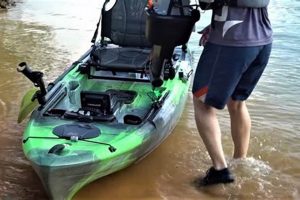
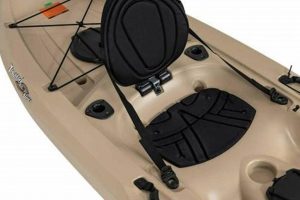
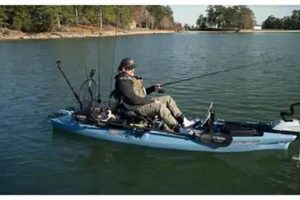
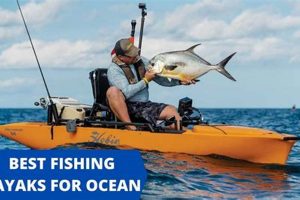
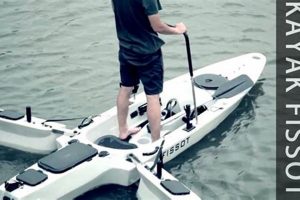
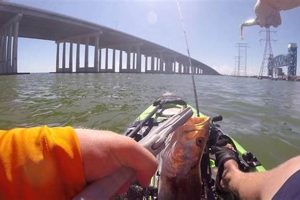
A large sporting goods retailer formerly offered a selection of kayaks designed for angling. These vessels typically featured specialized designs and accessories, such as rod holders, storage compartments for tackle, and comfortable seating conducive to long hours on the water. A hypothetical example would be a sit-on-top kayak constructed from durable plastic, equipped with multiple rod holders and a spacious cargo well.
Retailers specializing in sporting goods played a significant role in making specialized kayaks more accessible to a wider audience. This increased accessibility likely contributed to the growth of kayak fishing’s popularity. Convenient access to a range of options, from entry-level models to more advanced designs, allowed individuals to find a suitable vessel based on their budget and fishing style. This democratization of the sport likely fostered growth within the fishing community.
While the specific retailer mentioned no longer exists, exploring the evolution and features of fishing kayaks remains relevant. Understanding the features that make a kayak suitable for fishing can help anglers choose the best vessel for their needs, whether purchased from a local outfitter, a large retailer, or the secondhand market. Considerations such as stability, maneuverability, storage capacity, and comfort are crucial for a successful and enjoyable fishing experience. The following sections delve further into these key aspects.
Essential Kayak Fishing Tips
Proper preparation and technique are crucial for a safe and productive kayak fishing experience. These tips offer guidance for anglers of all skill levels.
Tip 1: Prioritize Stability: Select a kayak designed for stability, especially in challenging conditions. Wider hulls generally offer greater stability than narrower designs. Consider a sit-on-top kayak for enhanced stability and ease of re-entry if capsized.
Tip 2: Master Paddle Strokes: Efficient paddling conserves energy and allows for precise maneuvering. Practice forward, reverse, and sweep strokes to navigate effectively and maintain position in currents or wind.
Tip 3: Organize Tackle Strategically: Keep essential gear within easy reach using readily accessible storage solutions. Utilize tackle boxes, trays, and gear tracks to organize lures, lines, and tools, minimizing clutter and maximizing fishing time.
Tip 4: Choose Appropriate Safety Gear: Always wear a personal flotation device (PFD) and carry essential safety equipment, including a whistle, signaling device, and first-aid kit. Check local regulations for required safety equipment.
Tip 5: Understand Local Regulations: Obtain necessary fishing licenses and familiarize oneself with local fishing regulations, including size and catch limits. Respect protected species and adhere to designated fishing areas.
Tip 6: Practice Catch and Release Techniques: Handle fish with care, minimizing their time out of the water. Use appropriate hooks and tools to facilitate quick and safe release. Revive fish if necessary before releasing them.
Tip 7: Check Weather Conditions: Monitor weather forecasts before heading out and avoid fishing in hazardous conditions such as strong winds, lightning storms, or extreme temperatures. Be prepared to adjust plans if conditions change unexpectedly.
By following these guidelines, anglers can enhance their safety, improve their fishing success, and contribute to the responsible enjoyment of the sport.
These essential tips provide a foundation for a rewarding kayak fishing experience. Further research and practice will refine skills and foster a deeper understanding of this unique and engaging angling discipline.
1. Kayak Stability

Kayak stability was a crucial factor for anglers seeking suitable fishing kayaks from sporting goods retailers. A stable platform allows for comfortable casting, reeling, and landing fish, minimizing the risk of capsizing, especially in challenging conditions such as wind, currents, or the movement of a hooked fish. A stable kayak enables anglers to focus on fishing rather than constantly correcting balance. For example, a wider, flatter-bottomed hull design inherently provides greater primary stability (initial resistance to tipping) compared to a narrower, V-shaped hull. This stability is particularly important for stand-up fishing, a technique gaining popularity among kayak anglers. Retailers likely emphasized stability as a key selling point, recognizing its importance for angler safety and confidence.
Beyond primary stability, secondary stability (the kayak’s ability to resist capsizing once tilted beyond its initial stability point) also contributes to a secure fishing platform. Kayaks designed for fishing often incorporate features that enhance secondary stability, such as flared hull shapes and strategically placed chines (edges where the hull sides meet the bottom). Understanding the interplay between primary and secondary stability allows anglers to select a kayak appropriate for their intended fishing style and environment. For instance, an angler fishing in calm lakes or slow-moving rivers might prioritize primary stability for a comfortable casting platform, while an angler fishing in rougher coastal waters might prioritize secondary stability for enhanced safety in challenging conditions.
The emphasis on kayak stability underscores the importance of selecting a vessel appropriate for the intended fishing environment and the angler’s skill level. While stability contributes significantly to a positive fishing experience, it must be balanced against other factors such as maneuverability and speed. Understanding the nuances of kayak stability empowers anglers to make informed decisions and enhances their safety and enjoyment on the water.
2. Fishing Features

Specialized features distinguish fishing kayaks from recreational models, enhancing angler performance and convenience. These features were key selling points for retailers offering fishing kayaks, catering to the specific needs of anglers. Examining these features provides valuable insight into selecting appropriate equipment, regardless of the retailer.
- Rod Holders
Integrated rod holders secure fishing rods, freeing hands for paddling, landing fish, or other tasks. Flush-mounted rod holders offer a streamlined profile, minimizing line entanglement. Adjustable rod holders accommodate various fishing techniques and rod lengths. For example, a kayak might feature two rear-mounted rod holders for trolling and two forward-mounted rod holders for casting. The availability and placement of rod holders significantly impact an angler’s ability to manage multiple lines and techniques effectively.
- Tackle Storage
Dedicated storage compartments keep tackle organized and accessible. Dry storage hatches protect sensitive gear from water damage. Open storage wells accommodate larger items like tackle boxes or bait buckets. A well-designed tackle storage system maximizes fishing time by minimizing the need to search for equipment. For instance, a kayak might feature a central storage hatch for tackle boxes and smaller side compartments for frequently used lures or tools. This organized approach improves efficiency and reduces clutter on the fishing platform.
- Anchor Systems
Anchoring systems maintain position in currents or wind, allowing anglers to target specific fishing spots. Recessed anchor trolleys manage anchor lines efficiently, preventing interference with fishing activities. Deployable anchors provide stability in various water depths and bottom types. The inclusion of an anchor system enhances fishing precision and reduces drift in challenging conditions. For example, a kayak might include a retractable anchor trolley system allowing the anchor point to be adjusted along the length of the kayak, providing optimal positioning for various fishing scenarios.
- Paddle Holders/Leashes
Secure paddle storage prevents loss or interference while fishing. Paddle holders or leashes keep the paddle within easy reach when needed. Dedicated paddle parks free up deck space for other activities. For instance, side-mounted paddle holders keep the paddle secure yet readily accessible without cluttering the cockpit. This allows for unobstructed casting and reeling while ensuring the paddle is always within reach.
These specialized fishing features contribute significantly to the functionality and effectiveness of a fishing kayak. Understanding their purpose and application empowers anglers to select a kayak that best suits their individual needs and fishing style. By considering these features, anglers can maximize their time on the water and enhance their fishing experience, irrespective of where the kayak was purchased. The strategic selection and utilization of these features ultimately translate to increased fishing success and enjoyment.
3. Storage Capacity

Storage capacity played a significant role in the appeal of fishing kayaks offered by sporting goods retailers. Ample storage space directly impacts an angler’s ability to carry essential gear, including tackle boxes, safety equipment, and personal items. Furthermore, sufficient storage allows for the convenient transport of catches, contributing to a successful and enjoyable fishing experience. For example, a kayak with a large rear tank well can accommodate a cooler for keeping catches fresh, while smaller compartments within the cockpit can hold tackle boxes, tools, and personal belongings like sunscreen or a waterproof camera. The availability of adequate storage contributes to a well-organized and efficient fishing platform, allowing anglers to focus on the task at hand rather than managing gear. Retailers likely highlighted storage capacity as a key feature, recognizing its practical importance for anglers.
Beyond the simple volume of storage space, the type and configuration of storage compartments also influenced a fishing kayak’s practicality. Dry storage hatches protect sensitive items from water damage, essential for electronics, phones, and wallets. Bungee cord systems secure larger items like coolers or crates, preventing loss in rough conditions. Rod holders and paddle parks contribute to efficient gear management, keeping essential equipment readily accessible while minimizing clutter. A well-designed storage system considers the specific needs of anglers, providing designated spaces for different types of gear. For instance, a kayak might feature a dedicated compartment for a fish finder battery and transducer cables, separate from the main storage area for tackle and personal items. This thoughtful organization maximizes efficiency and contributes to a more enjoyable and productive fishing experience.
The importance of storage capacity in a fishing kayak underscores the need for careful consideration of individual angler needs and fishing style. Anglers targeting larger species or embarking on longer expeditions require significantly more storage capacity than those fishing for smaller fish in calmer waters. Evaluating storage needs based on anticipated fishing activities ensures adequate space for all essential gear and potential catches. Understanding the practical implications of storage capacity empowers anglers to make informed decisions when selecting a fishing kayak, contributing to a more comfortable, organized, and ultimately, successful fishing experience.
4. Durable Construction

Durable construction formed a cornerstone of fishing kayaks offered by sporting goods retailers. These kayaks frequently endured harsh conditions, including exposure to sunlight, saltwater, and impacts from rocks or other obstacles. Robust construction ensured longevity and reliable performance, allowing anglers to confidently navigate diverse environments. For example, kayaks constructed from high-density polyethylene (HDPE) offered excellent impact resistance and UV protection, essential for withstanding the rigors of regular use in challenging environments. Retailers likely emphasized durability as a key selling point, recognizing that anglers demanded reliable equipment capable of withstanding the demands of the sport.
The materials used in kayak construction directly influenced durability and overall performance. HDPE provided a balance of affordability, impact resistance, and UV protection, making it a popular choice for fishing kayaks. Other materials, such as fiberglass or thermoformed composites, offered increased stiffness and lighter weight but often at a higher price point. The choice of material affected not only the kayak’s ability to withstand impacts and abrasion but also its long-term resistance to fading and degradation from sunlight exposure. Reinforcements in high-stress areas, such as the keel or the areas around rod holders and hatches, further enhanced durability and prevented damage from impacts or stress cracking. Understanding the properties of different construction materials allowed anglers to select a kayak appropriate for their intended usage and budget. A kayak intended for use in rocky rivers, for example, would benefit from a more robust construction than one intended for calm lakes.
The emphasis on durable construction in fishing kayaks underscores the importance of investing in equipment built to withstand the demands of the sport. A durable kayak provides not only longevity but also enhanced safety and reliability on the water. While the specific retailer mentioned no longer exists, the principles of durable kayak construction remain relevant. Anglers should consider the materials, construction techniques, and reinforcements when selecting a fishing kayak, ensuring it meets their specific needs and intended usage. This understanding empowers informed decisions, contributing to a safer, more enjoyable, and ultimately more productive fishing experience.
5. Appropriate Size

Appropriate kayak size significantly influenced angler comfort and performance, a crucial consideration for sporting goods retailers offering fishing kayaks. Selecting the correct size ensured efficient paddling, maneuverability within the intended fishing environment, and adequate storage capacity. Understanding the relationship between kayak size and angler needs remains relevant for informed decision-making, regardless of the retailer.
- Length and Water Conditions
Kayak length influences tracking (the ability to paddle straight) and maneuverability. Longer kayaks generally track better in open water, beneficial for covering distance and maintaining direction in currents or wind. Shorter kayaks offer enhanced maneuverability in tight spaces, such as narrow creeks or shallow, obstacle-filled waters. A 12-foot kayak might excel in open lakes, while a 10-foot kayak proves more agile in mangrove tunnels or small rivers. Matching kayak length to the intended fishing environment optimizes performance.
- Width and Stability
Kayak width directly affects stability. Wider kayaks provide a more stable platform, essential for casting, reeling, and landing fish, especially in challenging conditions. Narrower kayaks offer increased speed and efficiency but compromise stability. A wider kayak, perhaps 32 inches wide, suits anglers prioritizing stability for stand-up fishing or fishing in rougher waters. A narrower kayak, around 28 inches wide, benefits anglers prioritizing speed and efficiency for covering long distances.
- Weight Capacity and Gear Storage
Weight capacity dictates the maximum load a kayak can safely carry, encompassing the angler’s weight, gear, and potential catches. Exceeding the weight capacity compromises stability and performance. A kayak with a higher weight capacity accommodates larger anglers, additional gear, or larger catches. An angler planning extended trips with camping gear requires a higher weight capacity than an angler fishing for a few hours near the launch point. Considering weight capacity ensures safe and efficient operation.
- Angler Height and Comfort
Kayak dimensions influence angler comfort, particularly during extended fishing trips. Cockpit size and legroom must accommodate the angler’s physique. Adjustable seating systems enhance comfort and support. A taller angler requires more legroom and a larger cockpit opening than a shorter angler. Proper fit minimizes fatigue and maximizes enjoyment on the water. Testing different kayak sizes and configurations allows anglers to determine the optimal fit for their body type and paddling style.
Considering these factors related to appropriate kayak size ensures angler comfort, safety, and efficient performance on the water. Selecting a kayak suited to the angler’s physique, intended fishing environment, and anticipated gear load contributes significantly to a positive fishing experience. While the context of a specific retailer no longer applies, the principles of selecting an appropriately sized kayak remain crucial for anglers seeking to maximize their time on the water. Understanding these principles empowers informed decisions, contributing to a more enjoyable and productive fishing experience, irrespective of where the kayak is purchased.
Frequently Asked Questions
This section addresses common inquiries regarding fishing kayaks, focusing on factors relevant to selection, usage, and maintenance.
Question 1: What key features should one consider when selecting a fishing kayak?
Essential features include stability for casting and reeling, specialized storage for tackle and gear, rod holders, and an appropriate size for the angler’s physique and intended fishing environment. Durability and comfortable seating also contribute to a positive fishing experience.
Question 2: How does kayak length affect performance on the water?
Longer kayaks generally track straighter and offer greater speed in open water, while shorter kayaks provide enhanced maneuverability in tight spaces or shallow areas. Selecting the appropriate length depends on the intended fishing environment.
Question 3: What are the primary differences between sit-on-top and sit-inside kayaks for fishing?
Sit-on-top kayaks offer superior stability and ease of entry and exit, beneficial for anglers who prefer stand-up fishing or value ease of recovery if capsized. Sit-inside kayaks provide greater protection from the elements and often offer more storage space within the hull.
Question 4: How does one maintain a fishing kayak to ensure its longevity?
Regular rinsing with fresh water after each use, especially in saltwater environments, helps prevent corrosion and damage from UV exposure. Proper storage in a shaded area further protects the kayak’s hull and components. Periodic inspections for damage and timely repairs contribute significantly to extending the kayak’s lifespan.
Question 5: What safety precautions should anglers observe when kayak fishing?
Always wear a personal flotation device (PFD). Check weather conditions before heading out and avoid fishing in hazardous conditions. Inform someone of your fishing plans, including location and expected return time. Carry essential safety equipment, such as a whistle, signaling device, and first-aid kit. Familiarize oneself with local boating regulations and adhere to safe paddling practices.
Question 6: What are the advantages of using a kayak for fishing compared to other fishing platforms?
Kayaks offer access to shallow or otherwise inaccessible fishing areas, providing a stealthy approach that minimizes disturbance to fish. They provide a cost-effective and environmentally friendly alternative to motorized boats, promoting a closer connection with nature. The physical activity inherent in kayaking enhances the overall fishing experience.
Careful consideration of these frequently asked questions prepares anglers to select, use, and maintain fishing kayaks effectively and safely, enhancing their fishing experience and contributing to responsible enjoyment of the sport.
For further information on specific kayak models and accessories, consult local retailers or reputable online resources specializing in fishing kayaks.
Conclusion
Specialized fishing kayaks, once readily available through large sporting goods retailers, provided anglers with enhanced access to a unique and rewarding pursuit. This exploration highlighted the essential features that define a fishing kayak, emphasizing stability, specialized design elements such as rod holders and storage compartments, durable construction, and the importance of selecting an appropriately sized vessel. Understanding these factors empowers anglers to make informed decisions when choosing a kayak, regardless of the retailer or purchasing avenue.
While the specific retail landscape may evolve, the fundamental principles of kayak fishing remain constant. Prioritizing safety, responsible angling practices, and continued learning ensures a rewarding experience on the water. Through careful selection and thoughtful utilization of appropriate equipment, anglers can connect with nature, refine their skills, and contribute to the preservation of aquatic environments for future generations.