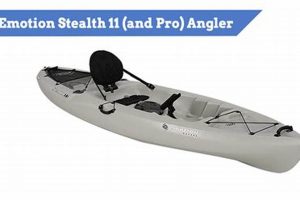
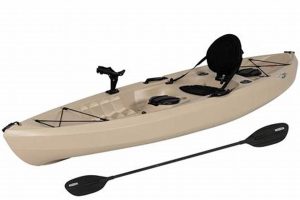
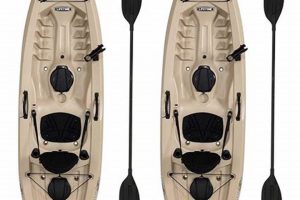
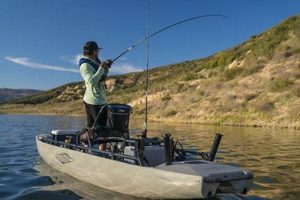
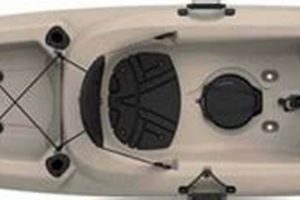
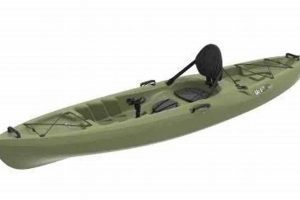
This specific kayak package offers a comprehensive setup for anglers. It combines a stable and maneuverable platform designed for fishing in various water conditions with essential accessories to enhance the fishing experience. The vessel itself features a sit-on-top design for easy entry and exit, along with ample storage for gear and equipment. Its construction emphasizes durability and performance. The included accessories typically encompass items like paddles, rod holders, and perhaps even a fish finder, providing a ready-to-fish solution.
Such pre-configured packages benefit anglers by streamlining the purchasing process and ensuring compatibility between the kayak and its accessories. They can also offer cost savings compared to purchasing each component individually. The popularity of kayak fishing has risen steadily, driven by factors such as affordability, accessibility, and the intimate connection it provides with nature. These comprehensive packages contribute to that popularity by reducing the barrier to entry for newcomers and providing a convenient option for experienced anglers. They represent a significant advancement in making fishing more accessible and enjoyable.
Further exploration will delve into the specific features of the kayak’s design, the included accessories, its performance in various fishing scenarios, and its overall value proposition within the broader context of the kayak fishing market.
Tips for Kayak Fishing Success
Preparation and technique are crucial for a successful and enjoyable kayak fishing experience. These tips offer guidance for maximizing effectiveness and safety on the water.
Tip 1: Plan and Research: Thorough planning is essential. Research potential fishing locations, considering factors like water conditions, species present, and access points. Check weather forecasts and tides before departure.
Tip 2: Prioritize Safety: Always wear a personal flotation device (PFD). Inform someone of your fishing plans, including your intended location and return time. Carry a whistle or other signaling device for emergencies.
Tip 3: Organize and Secure Gear: Proper gear organization is key for efficient fishing from a kayak. Utilize storage compartments effectively and secure loose items to prevent loss or interference during paddling and casting.
Tip 4: Master Basic Paddling Strokes: Efficient paddling conserves energy and allows for precise maneuvering. Practice basic strokes like the forward stroke, reverse stroke, and sweep stroke for optimal control.
Tip 5: Practice Casting Techniques: Casting from a kayak requires adjustments compared to shore fishing. Practice casting while seated and maintain a low center of gravity to maintain balance and accuracy.
Tip 6: Understand Fish Behavior and Habitats: Knowledge of fish behavior and preferred habitats increases the chances of success. Research target species and adapt fishing techniques accordingly.
Tip 7: Respect the Environment: Practice Leave No Trace principles. Pack out all trash, avoid disturbing wildlife, and respect other anglers and boaters.
By following these guidelines, anglers can enhance their kayak fishing experience, improve their chances of success, and ensure their safety on the water. Preparation and practice are key elements for a rewarding outing.
These tips provide a foundational understanding of essential kayak fishing practices, setting the stage for a more detailed exploration of advanced techniques and specific fishing scenarios.
1. Sit-on-top Design

The sit-on-top design is a defining feature of the Vibe Yellowfin 120 and significantly influences its suitability for fishing. This design choice impacts stability, accessibility, and overall angler experience. Understanding its implications is crucial for evaluating the kayak’s performance and intended use.
- Enhanced Stability:
Sit-on-top kayaks generally offer greater primary stability (initial resistance to tipping) compared to sit-inside designs. The wider hull and higher center of gravity contribute to this stability, making them less likely to capsize, a critical factor for anglers frequently changing positions or casting. This inherent stability makes the Yellowfin 120 suitable for less experienced kayakers.
- Self-Bailing System:
Scupper holes in the hull allow water to drain continuously, preventing water accumulation and maintaining buoyancy. This self-bailing feature is advantageous in fishing scenarios where waves or splashes are common, contributing to the angler’s safety and comfort. The Yellowfin 120 benefits from this drainage system, allowing anglers to focus on fishing rather than bailing water.
- Ease of Entry and Exit:
The open design simplifies entering and exiting the kayak, particularly beneficial for anglers who might need to re-enter the kayak after a swim or when fishing in shallow water. This accessibility enhances the overall fishing experience, particularly for those with mobility limitations. The Yellowfin 120’s sit-on-top configuration caters to anglers of varying physical abilities.
- Gear Accessibility and Storage:
Sit-on-top designs typically provide more readily accessible storage options for fishing gear. Gear tracks, rod holders, and open deck space allow anglers to keep essential equipment within easy reach. The Yellowfin 120 capitalizes on this design by offering ample storage and designated areas for fishing-specific gear.
These facets of the sit-on-top design collectively contribute to the Vibe Yellowfin 120’s suitability as a fishing platform. Its stability, self-bailing capability, ease of access, and gear storage options enhance the overall angler experience, making it a practical choice for various fishing environments and angler skill levels. The design directly addresses the needs and priorities of anglers seeking a stable, accessible, and functional fishing kayak.
2. Fishing-Specific Features

Fishing-specific features distinguish the Vibe Yellowfin 120 from recreational kayaks, transforming it into a dedicated angling platform. These features enhance functionality, efficiency, and overall fishing success. Their presence directly addresses the unique needs of anglers, underscoring the kayak’s purpose-built design.
Examples of such features include multiple rod holders, strategically positioned for easy access and diverse fishing techniques. Flush-mounted rod holders allow anglers to troll or maintain multiple lines, while adjustable rod holders cater to specific casting preferences. Gear tracks provide modularity, enabling customization with fish finders, GPS units, and other accessories. These features represent a significant departure from standard kayak designs, highlighting the Yellowfin 120’s focus on fishing practicality. Consider a scenario where an angler needs to switch quickly between a casting rod and a trolling setup; the multiple rod holders and gear tracks facilitate this transition seamlessly. A large, open tank well provides ample storage for tackle boxes, coolers, and other essential gear. This dedicated storage space keeps equipment organized and accessible, streamlining the fishing experience. An angler carrying live bait, for example, benefits from the tank well’s capacity and accessibility, ensuring bait remains readily available.
The inclusion of these fishing-specific features demonstrates the Yellowfin 120’s commitment to angler needs. These features are not mere add-ons but integral components that contribute to the overall fishing experience. They enhance efficiency by keeping essential gear organized and within reach, improve fishing success by facilitating diverse techniques, and contribute to angler comfort and enjoyment on the water. The strategic placement and thoughtful design of these features highlight the Yellowfin 120’s value proposition as a purpose-built fishing kayak, catering directly to the demands and preferences of anglers. This focus differentiates it within the kayak market, establishing its position as a dedicated fishing platform rather than a multi-purpose recreational vessel.
3. Stability and Maneuverability

Stability and maneuverability are critical performance characteristics for fishing kayaks, directly impacting angler safety, comfort, and fishing effectiveness. These attributes are particularly relevant for the Vibe Yellowfin 120, a kayak designed for diverse fishing environments. Examining how this kayak balances stability with maneuverability provides crucial insights into its suitability for various fishing scenarios and angler skill levels.
- Primary Stability:
Primary stability refers to a kayak’s initial resistance to tipping. The Yellowfin 120’s wide hull and sit-on-top design contribute to high primary stability. This is crucial for anglers who need to stand occasionally for casting, sight fishing, or retrieving gear. High primary stability minimizes the risk of capsizing, promoting angler confidence and safety. For example, an angler standing to cast in choppy water benefits significantly from the enhanced stability. However, this stability can sometimes come at the expense of maneuverability.
- Secondary Stability:
Secondary stability describes a kayak’s ability to remain upright when leaned. While the Yellowfin 120 prioritizes primary stability, its hull design still provides a reasonable degree of secondary stability. This allows anglers to lean into turns and navigate tight spaces without feeling overly precarious. This balance between primary and secondary stability is essential for navigating diverse water conditions. Anglers maneuvering through dense vegetation or shallow, winding streams benefit from the Yellowfin 120’s blend of stability and maneuverability.
- Tracking and Turning:
The Yellowfin 120’s hull design, while prioritizing stability, still allows for reasonable tracking (ability to maintain a straight course) and turning performance. The inclusion of a skeg can enhance tracking in open water. The relatively shorter length contributes to maneuverability, allowing anglers to navigate tight turns and quickly change directions. This is beneficial in environments requiring frequent course adjustments, such as rivers or areas with obstacles. An angler navigating around submerged logs or rocks, for instance, appreciates the Yellowfin 120’s responsiveness.
- Impact of Water Conditions:
Performance characteristics related to both stability and maneuverability are influenced by water conditions. Calm lakes and slow-moving rivers provide optimal conditions for leveraging the Yellowfin 120’s stability, enabling anglers to stand and fish comfortably. In choppy waters or faster currents, the kayak’s inherent stability remains advantageous, but maneuverability might require more effort. Understanding these dynamics is crucial for making informed decisions about where and how to use the kayak effectively. An angler venturing into rougher waters, for example, should anticipate adjustments in paddling technique and maintain a lower center of gravity to maximize stability.
The Vibe Yellowfin 120 prioritizes stability, a critical factor for angler safety and confidence, particularly in fishing scenarios requiring standing or frequent position changes. While its design favors stability, it retains sufficient maneuverability for navigating diverse environments, making it a versatile option for various fishing situations and angler skill levels. The balance between these two characteristics ultimately contributes to the kayak’s overall suitability as a stable and functional fishing platform.
4. Included Accessories

The included accessories within the Vibe Yellowfin 120 package significantly contribute to its value proposition as a complete fishing kayak system. These accessories enhance convenience, functionality, and overall fishing readiness, distinguishing this package from purchasing a kayak and components separately. The careful selection of included accessories directly impacts the angler’s experience, streamlining preparation and maximizing time on the water. This integrated approach simplifies the process for newcomers and provides a comprehensive solution for experienced anglers seeking a convenient and efficient setup. For example, the inclusion of a paddle eliminates the need for a separate purchase and ensures compatibility with the kayak. Similarly, pre-installed rod holders save time and effort compared to aftermarket installations.
Typical inclusions, such as paddles and rod holders, are essential for basic kayak fishing functionality. More advanced packages might include features like fish finders, further enhancing the angler’s ability to locate and target fish. The presence of these accessories directly influences the kayak’s overall utility and its suitability for specific fishing techniques. An angler targeting specific species, for example, benefits from a fish finder’s ability to identify underwater structures and fish concentrations. Furthermore, the inclusion of a comfortable seat enhances endurance, allowing for longer fishing trips without fatigue. This consideration underscores the package’s focus on angler comfort and its aim to maximize fishing time and enjoyment.
The strategic inclusion of accessories within the Vibe Yellowfin 120 package represents a significant advantage. It streamlines the purchasing process, ensures compatibility between components, and enhances overall fishing readiness. This integrated approach simplifies the transition into kayak fishing for beginners and offers a convenient solution for seasoned anglers. The selection and quality of included accessories directly influence the angler’s experience, impacting comfort, efficiency, and overall fishing success. This understanding highlights the importance of considering included accessories when evaluating kayak fishing packages, emphasizing their role in maximizing functionality and optimizing the angler’s time on the water.
5. Target Angler

The Vibe Yellowfin 120 sit-on-top angler fishing kayak package’s suitability for beginner-intermediate anglers stems from a deliberate combination of design features, included accessories, and overall performance characteristics. This targeting reflects a strategic market positioning, aiming to cater to a specific segment of the angling community. Understanding this connection is crucial for evaluating the kayak’s strengths and limitations within the broader context of kayak fishing. The kayak’s stability, derived from its sit-on-top design and wide hull, fosters confidence in less experienced kayakers. This stability is particularly advantageous during casting, reeling, and landing fish, where balance can be critical. A beginner angler, for example, benefits from this stability when learning to cast from a seated position or when managing a hooked fish alongside the kayak. Similarly, the included accessories streamline the learning curve by providing essential gear without requiring extensive research and separate purchases. A novice angler can readily utilize the included paddle and rod holders, focusing on developing fundamental fishing techniques rather than assembling equipment.
The Yellowfin 120’s maneuverability, while not its primary strength, remains sufficient for navigating calmer waters typically frequented by beginner and intermediate anglers. Lakes, ponds, and slow-moving rivers provide suitable environments where maneuverability demands are less intense. An intermediate angler exploring different fishing locations, for instance, can comfortably navigate these waters while focusing on refining fishing skills. Furthermore, the kayak’s price point often aligns with the budget constraints of those entering the sport or progressing from entry-level equipment. This affordability expands accessibility, making kayak fishing a more attainable pursuit. Someone transitioning from shore fishing, for example, can find the Yellowfin 120 package an accessible entry point into kayak fishing without a significant financial investment. The package’s comprehensive nature also contributes to its appeal for this target audience. Having all essential components bundled together simplifies the initial setup and reduces the potential for compatibility issues. This streamlined approach allows anglers to focus on the experience rather than equipment assembly and configuration.
The focus on beginner-intermediate anglers influences design choices, features, and overall value proposition of the Vibe Yellowfin 120 package. This targeting emphasizes stability, ease of use, and affordability, making it an appealing option for those entering the sport or progressing to the next level. While experienced anglers seeking specialized performance characteristics might explore other options, the Yellowfin 120’s deliberate focus on accessibility and functionality effectively serves its intended audience. This understanding highlights the importance of aligning kayak selection with individual skill levels and fishing preferences to maximize enjoyment and success on the water.
Frequently Asked Questions
This FAQ section addresses common inquiries regarding the Vibe Yellowfin 120 sit-on-top angler fishing kayak package. The information provided aims to clarify key features, address potential concerns, and offer insights for prospective purchasers.
Question 1: What weight capacity does the kayak support?
Weight capacity varies depending on the specific model year, but generally falls within the 400-450 lb range, encompassing angler weight, gear, and any additional cargo.
Question 2: What materials are used in its construction?
The kayak typically utilizes rotomolded polyethylene, known for durability and impact resistance. This material contributes to the kayak’s robust construction and its ability to withstand various environmental conditions.
Question 3: How does the kayak perform in different water conditions?
Designed for stability, it performs well in calm lakes and slow-moving rivers. Performance in rougher conditions, such as choppy waters or strong currents, requires additional caution and paddling experience. Its stability remains advantageous even in challenging conditions.
Question 4: What are the dimensions and weight of the kayak?
Typical dimensions are approximately 12 feet in length and 32-34 inches in width. Weight generally ranges between 60-70 lbs. These dimensions influence transportability and storage considerations.
Question 5: What is included in the standard package?
Standard package contents typically include the kayak itself, a paddle, and pre-installed fishing-specific features like rod holders. Specific inclusions can vary based on retailer or promotional offers. Confirmation of included accessories is recommended prior to purchase.
Question 6: Is the seat adjustable and comfortable for extended periods?
The kayak generally features an adjustable seat designed for comfort during prolonged fishing trips. Specific seat features, such as adjustability and padding, might vary depending on the model year. Reviewing seat specifications can inform decisions based on individual comfort preferences.
Understanding these commonly asked questions informs potential purchasers about key aspects of the Vibe Yellowfin 120 package. Thorough research and consideration of individual needs and preferences remain essential for selecting the most suitable kayak fishing platform.
The following section will delve into user reviews and experiences with the Vibe Yellowfin 120, offering real-world perspectives on its performance and overall value.
Conclusion
Analysis of the Vibe Yellowfin 120 sit-on-top angler fishing kayak package reveals a platform designed for accessibility and functionality in the realm of kayak fishing. Its sit-on-top design promotes stability, enhancing angler confidence and facilitating various fishing techniques. Fishing-specific features, including rod holders and gear tracks, cater directly to angler needs. While prioritizing stability, the kayak maintains sufficient maneuverability for navigating diverse environments. Included accessories, such as the paddle, enhance convenience and overall value. This package particularly suits beginner and intermediate anglers seeking a comprehensive and user-friendly entry point into kayak fishing.
The comprehensive nature of this package reflects a growing trend in the kayak fishing market: providing complete, ready-to-fish solutions that streamline the purchasing process and minimize setup complexity. As kayak fishing’s popularity continues to rise, such integrated packages offer a compelling option for anglers seeking convenient and functional access to the water. The future of kayak fishing likely involves further refinement of such package offerings, driving innovation in design, features, and overall angler experience. Careful consideration of individual needs and preferences remains crucial for selecting the most appropriate kayak fishing platform. Such informed decisions maximize enjoyment and contribute to safe and successful fishing excursions.