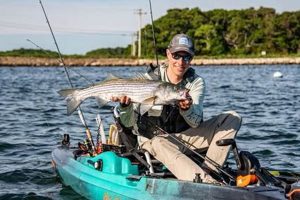
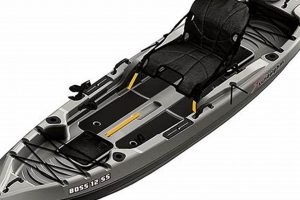
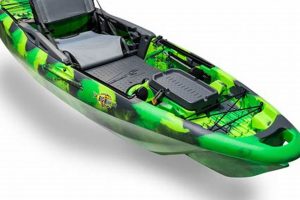
Competitive angling events from non-motorized watercraft are scheduled throughout the Lone Star State in the year 2025. These events typically involve participants competing for prizes and recognition based on the size and quantity of fish caught within set rules and boundaries. These competitions often attract diverse skill levels, from amateur enthusiasts to seasoned professionals.
Such competitions offer a unique blend of sporting challenge and environmental appreciation. They promote skill development in angling techniques, encourage camaraderie among participants, and often contribute to conservation efforts through partnerships with local organizations. Historically, competitive fishing has evolved alongside advancements in equipment and a growing awareness of responsible angling practices. The increasing popularity of kayak fishing reflects a desire for closer engagement with nature and a more sustainable approach to the sport.
Further exploration will cover relevant topics such as specific tournament locations and dates, registration information, species targeted, rules and regulations, and the broader impact of these events on the Texas fishing community and ecosystem.
Tips for Competitive Kayak Fishing in Texas (2025)
Success in competitive kayak angling requires meticulous preparation and strategic execution. The following tips offer guidance for maximizing performance and enhancing the overall tournament experience.
Tip 1: Pre-Fishing Scouting: Thoroughly research potential fishing locations before the tournament. Identifying key areas holding target species is crucial for efficient time management during competition.
Tip 2: Tackle and Equipment Optimization: Ensure all fishing gear is in optimal condition. Line should be fresh, hooks sharp, and kayak properly outfitted for stability and accessibility. Rod and reel selection should align with target species and fishing techniques.
Tip 3: Efficient Kayak Control: Mastering kayak maneuvering, especially in challenging conditions like wind or current, conserves energy and allows precise positioning for optimal casting.
Tip 4: Weather Awareness: Monitoring weather forecasts and adapting strategies accordingly is essential. Wind direction, temperature fluctuations, and precipitation can significantly impact fish behavior and angler comfort.
Tip 5: Species-Specific Techniques: Understanding the preferred habitat and feeding patterns of targeted fish species is critical. Employing appropriate lures, bait, and retrieval methods maximizes catch potential.
Tip 6: Tournament Rules and Regulations: Familiarization with all tournament rules, including size and bag limits, boundary lines, and permitted fishing methods, ensures compliance and avoids penalties.
Tip 7: Safety First: Prioritizing safety through wearing a personal flotation device, carrying essential safety equipment, and informing others of fishing plans is paramount.
Adhering to these guidelines enhances preparedness, improves on-the-water performance, and contributes to a positive and productive tournament experience.
These preparatory measures lay the groundwork for a successful tournament outing. The next section will discuss strategies for maximizing efficiency during the competition itself.
1. Locations

Tournament locations play a pivotal role in shaping the character of competitive kayak fishing events in Texas during 2025. The chosen venue directly influences target species, angling techniques, and overall participant experience. Coastal saltwater environments, such as the Laguna Madre or Galveston Bay, present distinct challenges and opportunities compared to inland freshwater lakes like Fork or Falcon. Factors such as water salinity, tidal currents, vegetation density, and prevalent forage species vary significantly across locations, necessitating specific adaptations in angler strategies and equipment choices. For instance, tournaments held in the shallow flats of the Texas coast might prioritize sight-fishing techniques for redfish and speckled trout, while deep, clear reservoirs could favor finesse tactics targeting largemouth bass.
The specific location also dictates logistical considerations for tournament organizers and participants. Accessibility, boat ramp availability, parking facilities, and proximity to lodging and amenities influence event planning and angler convenience. Furthermore, local regulations concerning fishing licenses, size and bag limits, and permitted fishing methods vary across different bodies of water, adding another layer of complexity to tournament organization and angler preparation. Choosing a location with a healthy and sustainable fish population is also crucial for ensuring the long-term viability of the sport and minimizing environmental impact.
In summary, location serves as a foundational element of Texas kayak fishing tournaments in 2025, impacting everything from target species and angling techniques to logistical planning and regulatory compliance. Careful consideration of location-specific factors is paramount for both tournament organizers seeking to create successful and engaging events and for anglers aiming to maximize their competitive performance while respecting the natural environment.
2. Regulations
Regulations form the backbone of ethical and sustainable competitive fishing practices within Texas kayak fishing tournaments in 2025. These rules ensure fair competition, promote conservation, and align with state fishing guidelines. Understanding and adhering to these regulations is crucial for all tournament participants.
- Licensing Requirements
Possession of a valid Texas fishing license is mandatory for participation. Specific license types, such as freshwater or saltwater endorsements, might be required depending on tournament location. Verification of license validity is typically part of the registration process. Non-compliance can result in disqualification and potential legal penalties.
- Size and Bag Limits
Regulations dictate minimum and maximum size limits for eligible fish species. Bag limits restrict the number of each species an angler can retain during the tournament. These limits are designed to protect fish populations and promote sustainable angling practices. Tournament organizers typically enforce these rules through weigh-in procedures and on-the-water monitoring.
- Permitted Fishing Methods
Regulations often stipulate allowable fishing methods, such as rod and reel, artificial lures, or live bait. Restrictions on certain methods, like trotlines or jug fishing, are common to ensure fair competition and prevent overfishing. Clarity on permitted fishing methods is usually provided in tournament rules and pre-tournament briefings.
- Restricted Areas and Boundaries
Designated areas, such as fish spawning zones or protected habitats, might be off-limits during tournaments. Tournament boundaries define the permitted fishing area within a given body of water. GPS technology is increasingly utilized to monitor angler locations and ensure compliance with boundary restrictions. Violation of these spatial regulations can lead to penalties, including disqualification.
Adherence to these regulations safeguards the integrity of competitive kayak fishing, protects aquatic resources, and ensures the longevity of the sport. Familiarization with and respect for these rules is essential for all participants in Texas kayak fishing tournaments in 2025, fostering a culture of responsible angling and fair competition.
3. Competition Formats
Competition formats significantly influence angler strategy and overall tournament dynamics within Texas kayak fishing tournaments in 2025. Understanding the nuances of each format is crucial for successful competitive performance. These formats dictate how catches are measured, scored, and ultimately determine the tournament victor.
- Catch and Release (with Length Measurement)
This format emphasizes conservation and minimizes fish handling stress. Anglers photograph their catch alongside a measuring device and submit the images for verification. Total accumulated length across eligible species determines the winner. This format promotes ethical angling practices and allows for rapid tournament turnaround.
- Weigh-In (Total Weight)
The traditional weigh-in format involves bringing caught fish to a designated location for official weighing. Total accumulated weight across eligible species determines the winner. This format requires careful fish handling and preservation techniques to ensure accurate weight measurements. Live wells or specialized coolers are often employed to maintain fish health during the tournament.
- Slot Limits and Bonus Points
Some tournaments incorporate slot limits, where fish within specific size ranges are ineligible for scoring. This encourages the release of larger breeding fish. Bonus points might be awarded for catching certain target species or achieving specific milestones, adding another layer of strategic complexity.
- Time-Based Challenges
Certain formats introduce time-based challenges, such as rewarding the first angler to catch a specific species or awarding points for the largest fish caught within a designated timeframe. This format adds an element of speed and efficiency to the competition.
The chosen competition format significantly shapes angler preparation and on-the-water strategies. Understanding the scoring system, size and bag limits, and any specific rules associated with the chosen format is essential for maximizing competitive performance in Texas kayak fishing tournaments in 2025.
4. Target Species

Target species play a crucial role in shaping tournament structures, angler strategies, and overall ecological impact within Texas kayak fishing tournaments in 2025. The specific species pursued influence tournament location selection, fishing techniques employed, and regulations implemented. Understanding the characteristics and behaviors of target species is essential for competitive success and responsible angling.
- Largemouth Bass
Largemouth bass represent a popular target species in Texas freshwater tournaments. Their prevalence in diverse habitats, aggressive feeding behavior, and sporting qualities make them a highly sought-after game fish. Anglers often employ techniques like flipping, pitching, and crankbait fishing to target bass in vegetation, submerged structures, and open water. Specific regulations regarding size limits and allowable fishing methods aim to maintain healthy bass populations.
- Redfish (Red Drum)
Redfish are a prized target in Texas coastal saltwater tournaments. Their hard-fighting nature, accessibility in shallow-water environments, and distinct bronze coloration make them a favorite among kayak anglers. Sight-fishing with lures, fly fishing, and drift fishing with bait are common techniques employed to target redfish. Conservation efforts and regulations regarding size limits and slot restrictions aim to protect this valuable species.
- Speckled Trout (Spotted Seatrout)
Speckled trout, another popular saltwater target, often share habitats with redfish along the Texas coast. Their elusive nature, preference for grassy flats and oyster reefs, and culinary appeal make them a challenging and rewarding target. Anglers commonly use topwater lures, soft plastics, and live bait to entice speckled trout. Regulations, including size and bag limits, aim to maintain sustainable populations.
- Flounder (Southern Flounder)
Flounder present a unique angling challenge due to their bottom-dwelling, camouflaged nature. Found in coastal bays and estuaries, flounder are targeted using techniques like drift fishing with live bait or jigging along the bottom. Regulations related to size limits contribute to the conservation of this valuable flatfish species.
The diversity of target species within Texas kayak fishing tournaments contributes to the richness and complexity of the sport. Understanding the specific characteristics, habitats, and regulations associated with each target species is paramount for successful tournament participation and responsible angling practices. This targeted approach enhances the angler’s connection with the aquatic environment while promoting sustainable fisheries management.
5. Kayak Specifications

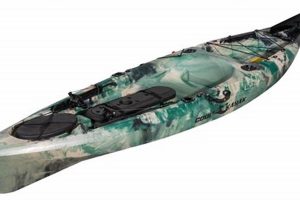
Kayak specifications hold significant implications for performance and competitiveness within Texas kayak fishing tournaments in 2025. These specifications, encompassing factors like length, width, weight capacity, and propulsion systems, directly influence an angler’s mobility, stability, and overall fishing effectiveness. The connection between kayak specifications and tournament outcomes is multifaceted, impacting factors such as speed, maneuverability, and equipment storage capacity. For instance, a longer, narrower kayak might excel in speed and tracking across open water, proving advantageous in tournaments covering vast distances. Conversely, a shorter, wider kayak offers enhanced stability, a crucial attribute in challenging conditions like strong winds or currents, particularly relevant in coastal tournaments.
Weight capacity also plays a crucial role, dictating the amount of gear, including tackle boxes, fish finders, and safety equipment, an angler can comfortably and safely carry. Exceeding weight capacity compromises stability and maneuverability, potentially hindering performance. Propulsion systems, whether paddle, pedal, or electric motor driven, further influence kayak selection. Paddle kayaks offer a balance of affordability and exercise, while pedal-powered kayaks provide increased speed and hands-free fishing opportunities, advantageous in tournaments requiring extensive coverage. Electric motors, while offering maximum speed and range, may face restrictions in certain tournament settings due to environmental or fairness considerations. Choosing a kayak optimized for the specific tournament environment and target species is paramount for maximizing competitive potential. For example, a stable kayak with ample storage might be preferred for bass fishing in a large reservoir, whereas a nimble, paddle-powered kayak might prove more suitable for navigating shallow flats while targeting redfish.
In summary, understanding the interplay between kayak specifications and tournament dynamics is crucial for informed decision-making and optimized performance. Careful consideration of factors like length, width, weight capacity, and propulsion system, aligned with specific tournament requirements and target species, allows anglers to select the most suitable kayak, enhancing their competitive edge while ensuring a safe and efficient fishing experience. This strategic approach to kayak selection reflects the growing sophistication and specialization within competitive kayak fishing in Texas.
Frequently Asked Questions
This section addresses common inquiries regarding competitive kayak angling in Texas during 2025. The information provided aims to clarify key aspects of tournament participation, regulations, and preparation.
Question 1: What are the typical registration costs for these tournaments?
Registration fees vary depending on the tournament’s scope, duration, and prize structure. Costs can range from nominal fees for local events to higher entry fees for larger, more prestigious competitions. Details regarding specific costs are typically available on tournament websites or through organizing bodies.
Question 2: Are there specific kayak specifications or modifications required for tournament participation?
While most tournaments allow a wide range of kayaks, some may have restrictions regarding maximum length, propulsion systems (e.g., no gas-powered motors), or required safety equipment. Checking specific tournament regulations beforehand is crucial.
Question 3: How are tournament boundaries enforced, and what are the penalties for boundary violations?
Tournament boundaries are often defined using GPS coordinates. Many events require anglers to carry GPS devices for tracking and verification. Boundary violations can lead to penalties ranging from point deductions to disqualification.
Question 4: What conservation measures are implemented during these tournaments?
Many tournaments prioritize catch-and-release practices, emphasizing careful fish handling and minimizing stress on released fish. Some events partner with conservation organizations for data collection or habitat restoration initiatives.
Question 5: What resources are available for individuals new to competitive kayak fishing?
Local kayak fishing clubs, online forums, and experienced anglers offer valuable resources and mentorship opportunities for newcomers. Attending smaller, local tournaments can provide valuable experience and insights into competitive angling.
Question 6: How can one stay informed about upcoming tournaments and registration deadlines?
Following Texas kayak fishing organizations, subscribing to relevant online forums, and checking local fishing publications are effective ways to stay informed about upcoming tournament schedules and registration details.
Thorough preparation and adherence to regulations are key for a positive tournament experience. Consulting official tournament resources and engaging with experienced anglers can further enhance preparedness and promote responsible angling practices.
The subsequent section delves into the future of competitive kayak angling in Texas.
Conclusion
Texas kayak fishing tournaments in 2025 represent a convergence of competitive angling, outdoor recreation, and environmental stewardship. This exploration has highlighted key aspects of these events, encompassing tournament formats, target species, kayak specifications, and the importance of adherence to regulations. The interplay between angler skill, strategic preparation, and respect for aquatic ecosystems shapes the landscape of competitive kayak fishing in Texas.
The future of these tournaments rests on the continued commitment to sustainable angling practices, fostering a culture of responsible participation, and promoting conservation efforts. Supporting these events through participation, sponsorship, or advocacy contributes to the growth of the sport and the preservation of Texas’s valuable aquatic resources. Continued engagement ensures the vitality of competitive kayak fishing for future generations.