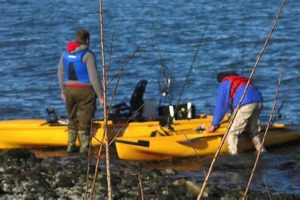
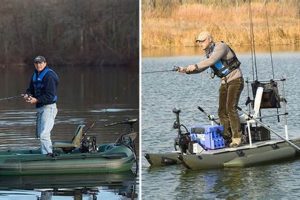
Personal flotation devices (PFDs) designed for kayak anglers are specialized garments engineered for comfort, safety, and utility on the water. These PFDs often feature high-visibility colors, multiple pockets for tackle and accessories, and designs that allow for unrestricted paddling and casting motions. They typically incorporate durable, quick-drying materials and adjustable straps for a secure, customized fit.
A correctly fitted and appropriately chosen flotation aid offers essential protection in the event of capsizing or unexpected immersion. It enhances visibility to other boaters and provides convenient storage for essential equipment. The evolution of these specialized garments has paralleled the rise in popularity of kayak fishing, with designs increasingly incorporating features tailored to the specific demands of this activity. This development has significantly improved both safety and enjoyment for anglers.
This article will further explore key features to consider when selecting a PFD for kayak fishing, discuss different types available, and offer guidance on proper fit and maintenance.
Tips for Choosing and Using Kayak Fishing PFDs
Selecting and utilizing a suitable personal flotation device is crucial for safety and enhances the overall fishing experience. The following tips offer guidance on choosing and using a PFD designed for kayak angling.
Tip 1: Prioritize Fit and Comfort: A properly fitted PFD allows for unrestricted movement while providing adequate buoyancy. It should feel snug but not constricting, allowing for comfortable paddling and casting. Trying on different styles and sizes is essential for finding the optimal fit.
Tip 2: Consider Storage Needs: Kayak fishing often requires carrying various tools and accessories. Choose a PFD with strategically placed pockets and attachment points to accommodate essential gear, such as pliers, line cutters, and lures.
Tip 3: Opt for High Visibility: Bright colors and reflective elements enhance visibility on the water, improving safety in low-light conditions or crowded waterways.
Tip 4: Check for Durability and Water Resistance: Select a PFD constructed from durable, quick-drying materials designed to withstand the rigors of kayak fishing. Look for corrosion-resistant hardware and reinforced stitching.
Tip 5: Ensure Proper Adjustment and Secure Fastening: Before entering the water, ensure all straps and buckles are securely fastened and adjusted for a snug fit. A loose PFD may not provide adequate flotation in an emergency.
Tip 6: Regularly Inspect and Maintain the PFD: Periodically check for signs of wear and tear, including frayed straps, damaged buckles, or compromised flotation foam. Clean the PFD according to manufacturer instructions and store it in a cool, dry place away from direct sunlight.
Tip 7: Consider Climate and Layering: Choose a PFD that suits the expected weather conditions. In colder climates, consider a PFD that allows for layering underneath, while in warmer climates, a lightweight and breathable design is preferable.
By adhering to these guidelines, anglers can select and use a PFD that enhances both safety and enjoyment on the water, contributing to a more productive and worry-free fishing experience.
This information provides essential background for selecting and using appropriate safety equipment. Consult additional resources and manufacturer guidelines for comprehensive safety practices.
1. Safety

Safety represents a paramount concern in kayak fishing, and a properly chosen and utilized personal flotation device (PFD) plays a crucial role in mitigating inherent risks. Kayak fishing often takes place in diverse environments, including open water, swift currents, and remote locations. These conditions expose anglers to potential hazards such as capsizing, unexpected immersion, and changing weather patterns. A well-designed PFD provides essential buoyancy, keeping the angler afloat in the event of an accident. This can be particularly critical in situations where self-rescue is challenging or external assistance is delayed. Beyond basic flotation, features like high-visibility colors and reflective elements enhance visibility to other boaters, reducing the risk of collisions, especially in low-light conditions. Securely fastened straps and a snug fit are crucial for ensuring the PFD performs as intended during an emergency.
Several real-life scenarios underscore the critical safety role of PFDs. For example, an angler encountering unexpected rough water or a submerged obstacle might capsize. A properly fitted PFD provides immediate flotation, preventing submersion and potential drowning. In colder water, this can be life-saving as it helps prevent hypothermia. Similarly, a PFD can assist an injured angler in staying afloat until help arrives. Even experienced swimmers can become incapacitated due to injury, cold, or exhaustion. A reliable PFD provides essential support in such circumstances. The prevalence of these types of incidents reinforces the crucial role PFDs play in mitigating risks associated with kayak fishing.
Understanding the connection between PFD use and angler safety is fundamental for promoting responsible practices on the water. While inherent risks exist in any watersport, appropriate safety measures significantly reduce the likelihood of accidents turning tragic. Selecting a PFD specifically designed for kayak fishing, ensuring proper fit, and consistent usage contribute significantly to personal safety and overall well-being on the water. This knowledge empowers anglers to make informed decisions and prioritize safety without compromising enjoyment of the sport.
2. Comfort and Fit

Comfort and fit are critical factors influencing performance and safety in kayak fishing. A poorly fitting personal flotation device (PFD) can restrict paddling motion, hinder casting, and cause discomfort, potentially leading to premature fatigue and reduced focus. Conversely, a properly fitted, comfortable PFD allows for unrestricted movement and promotes prolonged, enjoyable fishing sessions. The following facets illustrate the importance of comfort and fit in relation to kayak fishing PFDs.
- Adjustability and Customization:
Multiple adjustment points, such as adjustable shoulder, waist, and torso straps, allow anglers to customize the PFD’s fit to their body shape. This tailored fit ensures the PFD stays securely in place during dynamic movements, preventing it from riding up or shifting. For example, an angler with a shorter torso may need to adjust the shoulder straps differently than someone with a longer torso. The ability to fine-tune these adjustments contributes significantly to both comfort and safety.
- Breathability and Ventilation:
Kayak fishing often involves strenuous physical activity in warm weather. PFDs constructed with breathable mesh panels and ventilation channels enhance airflow, reducing heat buildup and perspiration. This is particularly important during extended fishing trips in hot and humid climates. Improved breathability contributes to overall comfort and helps prevent overheating and discomfort.
- Range of Motion and Mobility:
Kayak fishing requires a wide range of upper body movements for paddling, casting, and retrieving. A properly designed PFD allows for unrestricted arm and shoulder movement, minimizing interference with these actions. For instance, a high-back PFD design can accommodate high-seat kayak configurations without restricting head movement or interfering with casting. This unrestricted mobility contributes to efficient paddling, accurate casting, and overall fishing performance.
- Lightweight Construction and Minimal Bulk:
A bulky or heavy PFD can impede movement and contribute to fatigue. Lightweight designs using advanced materials minimize bulk and maximize comfort, especially during long days on the water. This reduced weight and bulk allow for greater freedom of movement and reduce strain on the angler’s body, contributing to a more enjoyable and less tiring fishing experience.
These combined factors contribute to the overall effectiveness and enjoyment of kayak fishing. Prioritizing comfort and fit in PFD selection ensures anglers can focus on fishing without distractions caused by ill-fitting equipment, enhancing both performance and safety on the water.
3. Storage Capacity

Ample storage capacity is a defining feature of personal flotation devices (PFDs) designed for kayak angling. Unlike recreational PFDs, fishing-specific models incorporate multiple pockets, attachment points, and specialized compartments tailored to the needs of anglers. This enhanced storage capacity directly impacts efficiency and safety on the water. Easy access to essential tools and gear, such as pliers, line cutters, lures, and leader material, streamlines fishing processes and minimizes disruptions. Reaching for a readily accessible tool rather than rummaging through a tackle box saves valuable time and maintains focus on fishing. This efficiency can be particularly critical in dynamic fishing situations where quick reactions are required.
Consider a scenario where an angler hooks a fish near a snag-filled area. Having pliers readily available on the PFD allows for quick and efficient hook removal, minimizing stress on the fish and increasing the chances of a successful release. Similarly, immediate access to a line cutter can be crucial when a line becomes entangled in underwater obstacles, preventing lost tackle and potential safety hazards. The strategic placement of pockets and compartments on a kayak fishing PFD also contributes to weight distribution and balance, crucial factors for stability in a kayak. Distributing the weight of essential gear across the PFD rather than concentrating it in a single location enhances stability and maneuverability, especially in challenging conditions.
Effective organization of essential gear within a PFD’s pockets further optimizes efficiency. Design features like dedicated tool loops, retractable lanyards, and clear compartments allow anglers to maintain order and easily locate specific items without visual searching. This streamlined organization reduces wasted time and frustration, contributing to a more focused and enjoyable fishing experience. Furthermore, adequate storage capacity on a PFD can minimize the need for additional gear bags or boxes on the kayak, maximizing deck space and reducing clutter. This is particularly beneficial in smaller kayaks where space is limited. By integrating essential gear directly onto the PFD, anglers maintain a clear and uncluttered deck, enhancing both safety and fishing efficiency.
4. Durability
Durability represents a critical factor in the overall value and performance of kayak fishing personal flotation devices (PFDs). These garments are subjected to considerable wear and tear from exposure to the elements, contact with fishing gear, and the physical demands of paddling and angling. A durable PFD ensures long-term reliability, contributing to both safety and cost-effectiveness. The following facets illuminate the key components of durability in the context of kayak fishing PFDs.
- Material Selection and Construction:
Durable PFDs utilize high-tenacity fabrics, such as ripstop nylon or Cordura, resistant to abrasion, tearing, and punctures. Reinforced stitching and heavy-duty zippers further enhance structural integrity. For example, a PFD constructed with abrasion-resistant fabric will withstand repeated contact with rough surfaces like rocks or kayak hulls without showing significant wear. This robust construction ensures the PFD maintains its protective capabilities over extended use.
- UV Resistance and Colorfastness:
Prolonged exposure to sunlight can degrade PFD materials, causing fading and weakening. UV-resistant coatings and colorfast dyes maintain the PFD’s appearance and structural integrity, prolonging its lifespan. A PFD with robust UV resistance will retain its vibrant color and protective properties even after extended periods in direct sunlight, ensuring long-term visibility and performance.
- Corrosion-Resistant Hardware:
Kayak fishing PFDs frequently encounter saltwater and freshwater environments, increasing the risk of corrosion on metal components like buckles, zippers, and D-rings. Corrosion-resistant hardware, typically made from stainless steel or other non-corrosive materials, ensures reliable functionality and prevents premature failure. For example, stainless steel buckles and zippers will continue to function smoothly even after repeated exposure to saltwater, ensuring the PFD remains adjustable and secure.
- Reinforced Stress Points:
Areas of a PFD subject to high stress, such as shoulder straps, attachment points, and pocket seams, benefit from reinforcement. Extra stitching, bar-tacking, and reinforced webbing enhance durability in these critical areas, preventing tears and failures. This targeted reinforcement ensures the PFD can withstand the stresses of repeated use and maintain its structural integrity over time.
These elements of durability contribute significantly to the long-term reliability and value of a kayak fishing PFD. Investing in a durable PFD minimizes the need for frequent replacements, representing a cost-effective approach to essential safety equipment. Furthermore, a well-maintained, durable PFD ensures consistent performance and provides reliable protection throughout its lifespan, contributing to angler safety and peace of mind on the water.
5. Breathability

Breathability is a crucial factor influencing comfort and performance in kayak fishing personal flotation devices (PFDs). Kayak fishing often involves strenuous physical exertion under varying weather conditions, potentially leading to heat buildup and discomfort. A breathable PFD mitigates these effects by promoting airflow and ventilation, enhancing angler comfort and reducing heat stress. This is particularly important during warmer months or in humid climates where overheating can significantly impact performance and safety.
The design and material selection of a PFD directly impact its breathability. PFDs incorporating mesh panels, strategically placed ventilation channels, and lightweight, breathable fabrics facilitate air circulation around the angler’s torso. This airflow helps wick away moisture and dissipate heat, keeping the angler cool and dry. For example, a PFD with mesh back panels allows for greater airflow compared to a solid construction, reducing heat buildup and improving overall comfort, especially during prolonged paddling sessions. Similarly, strategically placed ventilation channels can enhance airflow in key areas prone to perspiration, further optimizing comfort and reducing the risk of overheating. The use of lightweight and breathable fabrics also contributes to overall comfort, particularly in warmer weather conditions.
The practical significance of breathability in a kayak fishing PFD extends beyond mere comfort. Reduced heat stress and improved comfort contribute to enhanced focus and sustained performance on the water. An angler experiencing discomfort due to overheating is more likely to experience fatigue, reduced concentration, and diminished performance. A breathable PFD helps mitigate these effects, allowing anglers to maintain focus and energy throughout their fishing trip. This translates to improved casting accuracy, more efficient paddling, and a greater overall enjoyment of the sport. Furthermore, reduced heat stress contributes to overall safety by minimizing the risk of heat-related illnesses or discomfort that could compromise an angler’s ability to react effectively in an emergency.
6. Specialized Design

Specialized design differentiates kayak fishing personal flotation devices (PFDs) from those intended for general water activities. These specialized features cater to the unique demands of kayak angling, enhancing both safety and performance. High-back designs accommodate elevated seating positions common in fishing kayaks, preventing interference with seat backs and enhancing comfort. This design element allows anglers to maintain a comfortable posture and full range of motion while paddling and casting.
Integrated features, such as strategically placed pockets, attachment points for tools and accessories, and rod holders, further enhance the functionality of kayak fishing PFDs. These design elements keep essential gear readily accessible, streamlining fishing processes and minimizing disruptions. For instance, a dedicated pliers pocket allows for quick access during hook removal, while a rod holder secures the fishing rod during paddle adjustments or while landing a fish. Such specialized features contribute significantly to efficiency and safety on the water. Real-world scenarios, such as needing to quickly adjust a lure or change a line while navigating challenging waters, underscore the practical value of these design elements.
The tailored design of kayak fishing PFDs extends beyond mere convenience; it contributes directly to safety. High-visibility colors and reflective elements enhance visibility in low-light conditions or crowded waterways, reducing the risk of collisions. Specialized pockets and attachment points contribute to balanced weight distribution, enhancing kayak stability. Understanding the connection between specialized design and angler safety reinforces the importance of selecting appropriate safety equipment. Choosing a PFD specifically designed for kayak fishing contributes significantly to a safer and more productive fishing experience.
Frequently Asked Questions
This section addresses common inquiries regarding personal flotation devices (PFDs) designed for kayak fishing, providing concise and informative responses to facilitate informed decision-making.
Question 1: How important is a PFD specifically designed for kayak fishing compared to a standard life vest?
Specialized kayak fishing PFDs offer enhanced comfort, mobility, and storage capacity tailored to the unique demands of angling. Standard life vests may restrict movement and lack essential features such as specialized pockets and attachment points.
Question 2: What are the key features to prioritize when selecting a kayak fishing PFD?
Prioritize comfort, fit, storage capacity, durability, and high visibility. Consider specific features such as high-back designs, rod holders, and multiple attachment points for accessories.
Question 3: How does one ensure a proper PFD fit?
A properly fitted PFD should feel snug but not restrictive, allowing for a full range of motion. Adjust all straps and buckles securely, ensuring the PFD does not ride up or shift during movement. Consult manufacturer sizing charts and try on different models for optimal fit.
Question 4: How should a kayak fishing PFD be maintained?
Regularly rinse the PFD with fresh water after each use, especially after exposure to saltwater. Allow it to air dry completely in a shaded area away from direct sunlight. Inspect buckles, straps, and zippers for wear and tear, and replace any damaged components promptly.
Question 5: Are there specific safety regulations regarding PFD use while kayak fishing?
Regulations vary by jurisdiction. Consult local boating regulations to ensure compliance with specific PFD requirements. Regardless of local regulations, wearing a PFD is always recommended for enhanced safety.
Question 6: What are the potential consequences of not wearing a PFD while kayak fishing?
Not wearing a PFD significantly increases the risk of drowning in the event of capsizing or unexpected immersion. In addition to the inherent safety risks, some jurisdictions impose fines for non-compliance with PFD regulations.
Understanding these frequently asked questions enhances angler knowledge regarding PFD selection, usage, and maintenance. Prioritizing safety and adhering to recommended practices contributes to a more enjoyable and secure kayak fishing experience.
Further exploration of advanced kayak fishing techniques and safety practices can enhance angler proficiency and preparedness on the water.
Conclusion
This exploration of specialized personal flotation devices (PFDs) designed for kayak fishing underscores their crucial role in promoting safety, enhancing comfort, and optimizing performance on the water. Key aspects such as fit, storage capacity, durability, breathability, and specialized design features contribute significantly to the overall effectiveness of these essential safety garments. Investing in a high-quality, purpose-built PFD represents a commitment to angler safety and preparedness. Understanding the critical role these devices play empowers informed decision-making, contributing to responsible angling practices.
Prioritizing safety should remain paramount for all kayak anglers. Selecting and consistently utilizing a properly fitted and appropriately designed PFD significantly mitigates inherent risks associated with this activity. Continued education regarding best practices for PFD selection, usage, and maintenance strengthens the collective commitment to promoting safety and responsible enjoyment of the sport.