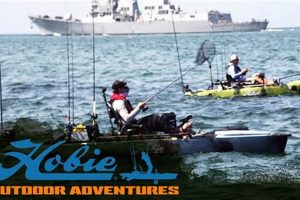
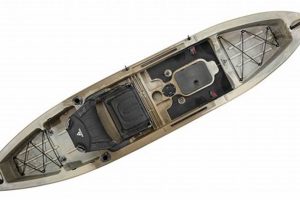
Southern California ocean kayak angling offers a unique blend of sport and recreation. Imagine paddling along the coastline, casting a line into kelp forests teeming with calico bass, or venturing offshore in pursuit of yellowtail and dorado. This accessible and engaging activity allows individuals to experience the Pacific’s diverse marine environment firsthand.
This style of fishing provides numerous advantages. Its relatively low barrier to entry, requiring less specialized equipment than boat-based angling, makes it appealing to a wider range of participants. Kayak fishing promotes physical activity, offers close contact with nature, and often yields a rewarding catch. The practice has grown significantly in popularity in recent decades, reflecting a broader societal trend toward outdoor recreation and sustainable fishing practices.
Further exploration will delve into key aspects of this pursuit, such as suitable kayak selection, essential gear, effective techniques, and popular fishing locations within Southern California’s coastal waters. Safety considerations, ethical practices, and conservation efforts will also be addressed.
Tips for Southern California Kayak Angling
Successful kayak fishing in Southern California requires preparation and adherence to best practices. The following tips offer guidance for a safe and productive experience.
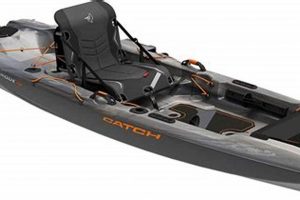
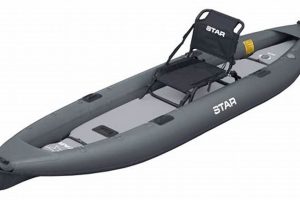
Tip 1: Choose the Right Kayak: Kayak selection depends on intended fishing locations and personal preferences. Longer kayaks offer speed and tracking for offshore excursions, while shorter, wider models provide stability for inshore fishing in calmer waters. Sit-on-top kayaks are generally preferred for their self-bailing capabilities.
Tip 2: Prioritize Safety Equipment: A personal flotation device (PFD) is essential. Other crucial safety gear includes a VHF radio, a signaling device such as a whistle or flares, and a first-aid kit. Navigation equipment, including a chart, compass, and GPS, is highly recommended.
Tip 3: Plan and Check Conditions: Before launching, consult weather forecasts and tide charts. Be aware of potential hazards such as wind, currents, and fog. Inform someone of your intended fishing location and estimated return time.
Tip 4: Employ Effective Fishing Techniques: Techniques vary depending on target species. Live bait, lures, and artificial flies can all be effective. Understanding fish behavior and habitat is key to success.
Tip 5: Respect Wildlife and the Environment: Practice catch-and-release whenever possible. Adhere to fishing regulations and size limits. Dispose of fishing line and other waste responsibly.
Tip 6: Learn Basic Kayak Handling Skills: Practice paddling, maneuvering, and launching/landing techniques in calm water before venturing into more challenging conditions. Understanding how to recover from a capsize is essential.
Tip 7: Dress Appropriately for Conditions: Wear clothing suitable for sun, wind, and water exposure. Layering allows for adjustments based on changing conditions. Consider wearing a wetsuit or drysuit during colder months.
By adhering to these guidelines, anglers can enhance their chances of a successful and enjoyable kayak fishing experience while minimizing risks and promoting responsible environmental stewardship.
The following section will detail recommended fishing locations along the Southern California coast.
1. Location Scouting
Effective location scouting is paramount for successful kayak angling in Southern California. Identifying productive fishing grounds and accessible launch sites directly influences the quality and safety of the experience. Careful consideration of several key facets optimizes scouting efforts.
- Nearshore Structures:
Kelp forests, reefs, and rocky outcroppings attract diverse fish populations and serve as prime fishing locations. Identifying these structures through nautical charts, local knowledge, or online resources significantly increases the likelihood of encountering target species. Proximity to these structures, while remaining a safe distance from potential hazards, is a key consideration.
- Water Depth and Tides:
Understanding water depth and tidal fluctuations is crucial. Certain species prefer specific depths and tidal movements. Consulting tide charts and bathymetric maps informs decisions about timing and location, maximizing fishing opportunities during optimal conditions.
- Launch Site Accessibility and Safety:
Launch sites should offer safe and convenient access to the water. Factors such as parking availability, beach conditions, and potential surf breaks should be assessed. Choosing sheltered launch points minimizes risks and ensures a smooth entry and exit.
- Local Regulations and Restrictions:
Certain areas may have restrictions on fishing activities, such as marine protected areas or seasonal closures. Researching local regulations and adhering to these guidelines is essential for responsible and legal fishing practices. Information can often be found on government websites or through local fishing organizations.
By thoroughly evaluating these facets, anglers can strategically choose locations that maximize their chances of success while prioritizing safety and environmental responsibility. This pre-trip planning contributes significantly to a more rewarding and enjoyable kayak fishing experience in the diverse waters of Southern California.
2. Kayak Selection

Appropriate kayak selection is crucial for a successful and enjoyable Southern California kayak fishing experience. The chosen vessel directly impacts stability, maneuverability, and overall fishing performance in the diverse conditions encountered along the coast. Careful consideration of key facets ensures optimal compatibility with individual needs and target fishing environments.
- Hull Design:
Hull design significantly influences kayak performance. Sit-on-top kayaks, known for self-bailing capabilities and stability, are generally preferred for ocean fishing. Within this category, hull shapes vary. Wider, flatter hulls offer enhanced stability, ideal for calmer inshore waters. Longer, narrower hulls provide increased speed and tracking, beneficial for navigating currents and covering greater distances offshore. Selecting a hull design aligned with intended fishing locations and personal preferences is essential.
- Length and Width:
Kayak dimensions directly affect maneuverability and stability. Shorter kayaks (under 12 feet) offer greater maneuverability in tight spaces, like kelp forests or rocky shorelines, but may be less stable in open water. Longer kayaks (over 12 feet) track better in open water and handle chop more effectively, but sacrifice maneuverability. Wider kayaks offer increased stability, accommodating gear and movement, while narrower kayaks are faster but less stable. Balancing these factors according to individual needs and fishing conditions is paramount.
- Weight Capacity:
Kayak weight capacity dictates the total load the vessel can safely carry, including angler weight, fishing gear, and any potential catch. Exceeding weight capacity compromises stability and performance, posing safety risks. Accurately assessing gear weight and choosing a kayak with sufficient capacity ensures safe and efficient operation.
- Features and Accessories:
Specific features enhance fishing functionality. Rod holders, paddle leashes, and anchor trolleys contribute to organization and efficiency on the water. Built-in storage compartments accommodate tackle boxes, safety equipment, and personal belongings. Evaluating available features and prioritizing those that align with individual fishing styles and preferences streamlines the angling experience.
Careful evaluation of these facets ensures the chosen kayak aligns with the specific demands of Southern California kayak fishing. A properly selected vessel enhances safety, improves fishing effectiveness, and ultimately contributes to a more rewarding experience on the water. This informed decision lays the foundation for successful angling excursions along the diverse coastline.
3. Safety Gear
Safety gear stands as a critical component of Southern California kayak fishing, directly impacting angler well-being and successful outcomes on the water. The dynamic coastal environment presents inherent risks, including changing weather conditions, vessel traffic, and potential wildlife encounters. Appropriate safety equipment mitigates these risks, allowing for a focused and enjoyable fishing experience. Neglecting safety precautions can lead to serious consequences, ranging from minor injuries to life-threatening situations.
Essential safety gear comprises several key items. A properly fitted personal flotation device (PFD) is paramount, providing buoyancy in the event of capsizing or accidental immersion. A VHF radio enables communication with emergency services and other vessels, crucial for summoning assistance if needed. Visual signaling devices, such as flares or a signal mirror, aid in attracting attention in distress situations. A first-aid kit equipped to address common injuries, including cuts, abrasions, and stings, provides immediate medical care. Navigation tools, such as a compass, chart, and GPS device, facilitate accurate positioning and safe navigation, particularly in foggy conditions or unfamiliar waters. A bilge pump and paddle leash further enhance safety, enabling efficient water removal from the kayak and preventing paddle loss in rough conditions.
Real-world examples underscore the practical significance of these precautions. A sudden shift in weather conditions can create challenging seas, increasing the risk of capsize. A functioning VHF radio becomes invaluable in such scenarios, enabling rapid communication with the Coast Guard or nearby vessels. Similarly, encountering a mechanical issue or unforeseen circumstance necessitates effective signaling devices to alert others to the situation. A well-stocked first-aid kit allows for immediate treatment of minor injuries sustained during fishing activities, preventing complications and ensuring continued enjoyment. These practical considerations highlight the direct link between safety gear and successful outcomes in Southern California kayak fishing.
4. Target Species

Target species selection significantly influences Southern California kayak fishing experiences. The region’s diverse marine ecosystem supports a wide array of fish species, each exhibiting unique behaviors and habitat preferences. Understanding these nuances informs equipment choices, fishing techniques, and location selection, directly impacting angling success. Targeting specific species necessitates tailored approaches, enhancing the likelihood of a productive and rewarding outing.
Calico bass, a popular target among kayak anglers, inhabit kelp forests and rocky reefs. Their ambush-predatory behavior necessitates lures and presentations that mimic natural prey. Yellowtail, a pelagic species often found offshore, demands heavier tackle and techniques suited to their powerful runs. Halibut, a bottom-dwelling flatfish, requires specific rigs and baits presented near the seabed. Matching fishing approaches to target species’ characteristics maximizes catch potential. Disregarding these considerations often results in diminished success, even in productive fishing grounds.
Practical implications extend beyond catch rates. Targeting specific species promotes conservation efforts by minimizing bycatch. Employing techniques and tackle appropriate for the desired species reduces the likelihood of hooking unintended fish, minimizing stress on non-target populations. Furthermore, understanding target species’ dietary preferences informs bait and lure choices, promoting responsible fishing practices. Selecting eco-friendly options minimizes environmental impact and contributes to sustainable fisheries management. In essence, careful consideration of target species enhances not only individual fishing success but also the long-term health of the marine ecosystem.
5. Fishing Techniques

Fishing techniques employed in Southern California kayak angling directly influence success rates and overall fishing experience. The diverse coastal environment, characterized by varying depths, currents, and structures, necessitates adaptable and specialized approaches. Effective techniques consider these factors, maximizing opportunities to encounter and land target species. Ignoring these nuances often leads to diminished results, even in productive fishing grounds. The connection between technique and success is paramount in this dynamic fishing environment.
Several techniques prove particularly effective in Southern California waters. Drift fishing, a method involving allowing bait or lures to drift naturally with the current, proves highly effective for targeting species such as halibut and calico bass inhabiting kelp forests or reefs. Trolling, a technique where lures are trailed behind a moving kayak, covers larger areas and targets pelagic species like yellowtail and barracuda. Casting and retrieving lures or flies proves successful for a variety of species, particularly in nearshore areas with structure. Vertical jigging, a technique involving rapidly raising and lowering a weighted lure, targets species holding deeper in the water column. Matching technique to target species behavior and habitat preferences maximizes the probability of a successful hookup. For instance, presenting live bait near the bottom effectively targets halibut, while topwater lures entice surface-feeding species during low-light conditions. Practical application of these techniques requires understanding fish behavior, water conditions, and appropriate tackle selection. Adaptability remains key, as changing tides, currents, and fish activity necessitate adjustments throughout the fishing session.
Mastery of these techniques elevates Southern California kayak angling from a recreational pursuit to a rewarding endeavor. Understanding the nuances of each approach, coupled with informed decision-making based on prevailing conditions and target species, increases catch rates and enhances overall fishing satisfaction. This proficiency translates to more frequent and memorable experiences on the water, solidifying the crucial link between technique and success in this dynamic coastal fishery.
6. Local Regulations
Adherence to local regulations is essential for responsible and sustainable kayak fishing practices in Southern California. These regulations, designed to protect marine ecosystems and ensure fair access to resources, govern various aspects of the activity, from licensing requirements to catch limits and area restrictions. Ignoring these regulations can result in penalties, damage to fish populations, and disruption of the delicate balance within the marine environment. Understanding and complying with these rules ensures the long-term health of the fishery and preserves opportunities for future generations of anglers.
- Fishing Licenses and Permits:
A valid California fishing license is mandatory for individuals 16 years and older engaging in recreational fishing, including kayak angling. Specific permits may be required for certain species or fishing methods. Obtaining the correct license and permits demonstrates legal compliance and supports conservation efforts funded by license fees. Failure to comply can result in fines and legal repercussions.
- Size and Catch Limits:
Regulations dictate minimum size and catch limits for various species. These restrictions protect younger fish, allowing them to reach maturity and contribute to healthy populations. Adhering to these limits ensures sustainable fishing practices, preventing overfishing and maintaining balanced ecosystems. Exceeding catch limits can lead to penalties and depletion of fish stocks.
- Marine Protected Areas (MPAs):
Designated MPAs restrict or prohibit fishing activities within specific boundaries. These areas safeguard sensitive habitats, allowing marine life to thrive and replenish surrounding areas. Respecting MPA boundaries contributes to the overall health of the marine environment and preserves biodiversity. Fishing within restricted MPAs can result in significant fines and legal action.
- Seasonal Closures:
Certain seasons may implement closures for specific species or fishing areas. These closures often coincide with breeding seasons, protecting vulnerable populations during critical periods. Observing seasonal closures contributes to the long-term sustainability of target species and preserves fishing opportunities for future seasons. Ignoring these closures disrupts breeding cycles and can lead to penalties.
By understanding and complying with these local regulations, kayak anglers contribute to the responsible management of Southern California’s valuable marine resources. This adherence ensures the sustainability of fish populations, protects sensitive habitats, and preserves the integrity of the coastal ecosystem for future generations. Responsible angling practices, guided by legal and ethical considerations, are essential for the continued enjoyment and preservation of this unique recreational opportunity.
7. Environmental Awareness

Environmental awareness constitutes a critical aspect of responsible Southern California kayak fishing. The coastal ecosystem, a dynamic interplay of marine life and habitats, faces numerous environmental pressures. Kayak anglers, operating within this delicate environment, possess a unique responsibility to minimize their impact and contribute to its preservation. This awareness translates into practical actions that safeguard marine resources and ensure the sustainability of the fishery. Ignoring this responsibility contributes to cumulative environmental degradation, impacting not only the health of the ecosystem but also the long-term viability of kayak fishing itself. The direct link between environmental awareness and the future of this recreational pursuit necessitates informed and conscientious practices.
Several key environmental considerations merit attention. Discarded fishing line poses a significant entanglement hazard to marine life, including seabirds, seals, and turtles. Responsible anglers retrieve and properly dispose of all fishing line, minimizing this often-fatal threat. Chemical pollutants, such as sunscreen and insect repellent, can contaminate waterways and harm marine organisms. Choosing eco-friendly alternatives minimizes chemical runoff and protects water quality. Respecting marine habitats, such as kelp forests and eelgrass beds, involves avoiding anchoring in these sensitive areas and minimizing disturbance to the seabed. These habitats provide essential nursery grounds and shelter for numerous species, contributing to overall ecosystem health. Noise pollution from motorized vessels and human activity can disrupt marine life communication and behavior. Kayak anglers, operating quieter vessels, minimize this impact by maintaining respectful distances from wildlife and avoiding excessive noise.
The practical significance of environmental awareness extends beyond immediate ecological benefits. Responsible angling practices contribute to the long-term health and productivity of the fishery, ensuring continued opportunities for future generations. Protecting water quality safeguards human health and recreational enjoyment of coastal areas. Preserving biodiversity maintains the ecological balance and resilience of the marine environment in the face of changing environmental conditions. These long-term benefits underscore the crucial role of environmental awareness in sustaining both the sport of kayak fishing and the health of the Southern California coastal ecosystem. Ultimately, responsible stewardship ensures the continued enjoyment and preservation of this valuable natural resource.
Frequently Asked Questions
This section addresses common inquiries regarding Southern California kayak fishing, providing concise and informative responses to facilitate informed decision-making and enhance on-the-water experiences.
Question 1: What are the primary safety concerns associated with kayak fishing in Southern California?
Potential hazards include changing weather conditions, vessel traffic, strong currents, and wildlife encounters. Mitigation strategies involve checking weather forecasts, wearing a PFD, carrying communication devices, and maintaining awareness of surroundings.
Question 2: What essential gear is recommended for Southern California kayak fishing?
Essential gear includes a properly fitted PFD, a VHF radio, signaling devices, a first-aid kit, navigation tools, appropriate fishing tackle, and suitable clothing for varying weather conditions. Additional accessories, such as rod holders and anchor trolleys, enhance fishing functionality.
Question 3: Where can suitable kayak launch sites be found in Southern California?
Numerous public launch sites exist along the Southern California coastline, including beaches, harbors, and protected bays. Online resources, local bait and tackle shops, and government websites provide information regarding launch site locations, accessibility, and associated fees.
Question 4: What fishing techniques are most effective in Southern California waters?
Effective techniques vary depending on target species and location. Common approaches include drift fishing, trolling, casting and retrieving lures, and vertical jigging. Adapting techniques to prevailing conditions and fish behavior maximizes success rates.
Question 5: What species are commonly targeted by kayak anglers in Southern California?
Popular target species include calico bass, yellowtail, halibut, barracuda, and various rockfish species. Understanding target species’ habitat preferences and feeding behaviors informs effective fishing strategies.
Question 6: What regulations govern kayak fishing in Southern California?
Regulations encompass licensing requirements, size and catch limits, marine protected area restrictions, and seasonal closures. Compliance with these regulations ensures sustainable fishing practices and protects the marine environment. Resources detailing specific regulations are available through the California Department of Fish and Wildlife.
Careful consideration of these frequently asked questions enhances preparedness, promotes safe practices, and contributes to successful kayak fishing experiences in Southern California’s diverse coastal waters.
The next section will provide further resources and information for those seeking to explore Southern California kayak fishing.
Conclusion
Southern California kayak angling offers a unique opportunity to engage with the coastal marine environment. This pursuit necessitates careful consideration of several key aspects, ranging from equipment selection and safety protocols to fishing techniques and environmental stewardship. Successful and responsible kayak angling requires informed decision-making, adaptability to changing conditions, and a commitment to conservation principles. Understanding local regulations, respecting marine habitats, and employing appropriate fishing techniques contribute to both individual angling success and the long-term health of the fishery. The information presented herein provides a foundation for informed participation in this rewarding recreational activity.
The future of Southern California kayak fishing hinges on the collective responsibility of those who partake in it. Continued enjoyment of this pursuit depends on prioritizing sustainable practices and advocating for responsible resource management. Through informed action and a shared commitment to conservation, the unique opportunities afforded by Southern California kayak angling can be preserved for generations to come.