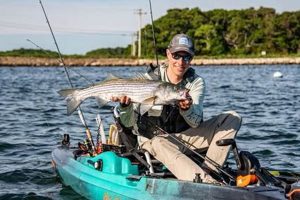
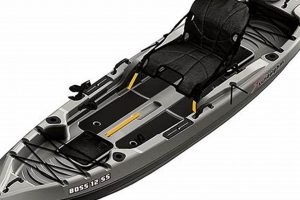
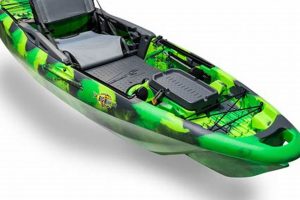
This activity involves angling from a small, human-powered watercraft in the waters surrounding Matagorda, Texas. The shallow-water access provided by kayaks opens up a diverse range of fishing opportunities in the bays, estuaries, and along the Gulf Coast. This method allows anglers to target species such as redfish, speckled trout, flounder, and even larger pelagic fish depending on the location and season.
The relatively low cost of entry, combined with the quiet, non-motorized approach, allows for a uniquely close interaction with the natural environment. This method is particularly effective in reaching areas inaccessible to larger boats, maximizing fishing potential. Furthermore, the physical exercise involved adds another dimension to the experience, offering both a recreational and sporting pursuit. Historically, small boats have been utilized for fishing in these waters, demonstrating a long-standing connection between the region and this type of angling.
Further exploration of this topic will cover key areas such as recommended equipment, ideal locations, seasonal variations in fishing, and relevant regulations. Safety considerations and responsible angling practices will also be addressed to ensure a positive and sustainable experience for all.
Tips for Kayak Fishing in Matagorda
Successful angling from a kayak in Matagorda requires careful planning and preparation. These tips offer guidance for a productive and enjoyable experience.
Tip 1: Check Weather and Tides: Before heading out, consult marine forecasts for wind speed, direction, and wave height. Tidal flows significantly impact fishing conditions and navigable areas.
Tip 2: Plan a Float Route: Pre-determine launch and landing points, considering wind and tidal currents. Mapping out a route helps ensure efficient use of time and effort.
Tip 3: Prioritize Safety Equipment: A personal flotation device is essential. Carry a whistle, signaling mirror, and communication device for emergencies. A first-aid kit and appropriate sun protection are also recommended.
Tip 4: Choose Appropriate Tackle: Rods and reels suited for target species and fishing environment optimize angling success. Select lures and bait known to be effective in the area.
Tip 5: Employ Stealth Techniques: Approach fishing spots quietly using paddles rather than a trolling motor when possible. Avoid sudden movements that may spook fish.
Tip 6: Practice Proper Kayak Handling: Understanding basic paddling strokes and maneuvering techniques helps navigate effectively and maintain stability in varying conditions.
Tip 7: Respect Local Regulations: Familiarize oneself with licensing requirements, catch limits, and any area closures before fishing.
Tip 8: Pack Light and Efficiently: Organize gear for easy access within the limited space of a kayak. Secure items to prevent loss or damage in case of capsizing.
Adhering to these guidelines increases the likelihood of a successful and enjoyable fishing trip while promoting safe and responsible practices.
By understanding these crucial aspects, anglers can enhance their experience and contribute to the preservation of this valuable resource.
1. Location Selection

Optimal location selection is paramount for successful kayak fishing in Matagorda. The diverse ecosystem offers a range of habitats, each presenting unique opportunities and challenges. Careful consideration of location factors significantly influences angling outcomes.
- Proximity to Target Species
Different fish species inhabit specific areas within the bay system. Redfish, for instance, frequent shallow grass flats, while speckled trout favor deeper channels and oyster reefs. Understanding species-specific habitat preferences informs strategic location choices.
- Water Depth and Clarity
Water depth and clarity impact fishing techniques and effectiveness. Shallow, clear flats are ideal for sight-fishing, while deeper, murky areas may require different approaches. Assessing these conditions guides location decisions.
- Tidal Flow and Currents
Tidal flows and currents influence fish behavior and movement. Incoming tides often bring baitfish and active feeding fish, while strong currents can create challenging paddling conditions. Accounting for tidal influences is crucial for location planning.
- Accessibility and Safety
Accessibility considerations include launch points, proximity to deeper water, and potential hazards. Evaluating these factors ensures safe and efficient navigation. Wind conditions and potential changes in weather also factor into safe location selection.
By carefully considering these interconnected factors, anglers can maximize their chances of success and enjoy a productive kayak fishing experience in Matagorda. Strategic location selection provides a foundational element for a rewarding trip.
2. Tidal Influences

Tidal fluctuations exert a significant influence on kayak fishing success within the Matagorda Bay system. Understanding tidal patterns and their impact on fish behavior is crucial for anglers. Tides affect water depth, current strength, and the movement of baitfish, all of which directly influence the location and feeding activity of target species. For example, incoming tides flood shallow flats, providing access to areas otherwise unreachable and concentrating baitfish, attracting predatory species like redfish and speckled trout. Conversely, outgoing tides can concentrate fish in deeper channels and guts as water recedes from the flats.
Current strength, directly linked to tidal stages, further impacts fishing strategy. Strong currents necessitate heavier tackle and adjusted drift fishing techniques. Slack tides, periods of minimal water movement between high and low tides, offer opportunities for sight fishing in calmer waters and present ideal conditions for presenting lures or bait naturally. Knowledge of tidal predictions allows anglers to anticipate optimal fishing windows and plan accordingly. Ignoring tidal influences can lead to unproductive fishing trips or even dangerous situations due to rapidly changing water levels and currents.
Successful kayak fishing in Matagorda requires adapting to the dynamic environment shaped by tidal forces. Utilizing tide charts and understanding the interplay between tides, currents, and fish behavior are essential components of a productive angling strategy. This knowledge allows anglers to optimize their time on the water, increasing the likelihood of a successful and enjoyable fishing experience.
3. Kayak Stability
Kayak stability plays a crucial role in the success and safety of fishing excursions in Matagorda Bay. The bay’s often shallow waters, combined with the potential for wind and chop, necessitate a stable platform for anglers. A stable kayak allows for comfortable casting, retrieval, and landing of fish, especially in challenging conditions. Compromised stability, conversely, increases the risk of capsizing, equipment loss, and potentially dangerous situations. Anglers frequently shift their weight within the kayak while casting, reeling, and landing fish; inherent stability minimizes the likelihood of an upset during these movements. For example, landing a large redfish in a shallow, wind-swept area requires a stable kayak to maintain balance and control during the fight.
Several factors influence kayak stability, including hull design, width, and length. Wider kayaks generally offer greater initial stability, making them suitable for calmer waters and less experienced anglers. Longer, narrower kayaks, while potentially less stable initially, often track better in wind and waves and offer greater speed. Choosing the appropriate kayak type depends on individual experience, fishing style, and the expected conditions in Matagorda Bay. Adding accessories like outriggers or stabilizers can further enhance stability, particularly for anglers new to kayak fishing or those venturing into more challenging environments. Understanding the factors contributing to kayak stability allows anglers to make informed decisions about equipment and approach, thereby enhancing safety and fishing effectiveness.
Selecting a kayak with appropriate stability characteristics for the Matagorda Bay environment is essential for both safety and fishing success. This consideration allows anglers to focus on fishing rather than constantly managing balance, maximizing enjoyment and minimizing risk. Furthermore, understanding the impact of added weight from fishing gear and potential catches on stability reinforces the importance of proper weight distribution and load management within the kayak. Ultimately, prioritizing kayak stability contributes significantly to a positive and productive Matagorda kayak fishing experience.
4. Targeted Species
The Matagorda Bay system supports a diverse fish population, making targeted species selection a key aspect of kayak fishing strategy. The primary targets for anglers often include redfish, speckled trout, flounder, and black drum. Each species exhibits distinct habitat preferences and feeding behaviors, influencing tackle choices, fishing techniques, and location selection. For instance, redfish are often found in shallow grass flats and around oyster reefs, requiring anglers to use shallow-draft lures or bait. Speckled trout, conversely, may prefer deeper channels or areas with structure, necessitating different tackle and retrieval techniques. Understanding these nuances allows anglers to optimize their approach for specific target species. Targeting specific species also requires consideration of seasonal factors. During certain times of the year, specific species may be more prevalent or actively feeding, impacting success rates. For example, during the fall, large schools of redfish may congregate in certain areas, creating excellent fishing opportunities for kayak anglers. Knowledge of seasonal patterns and migrations allows for focused efforts, increasing the likelihood of successful catches.
The choice of targeted species influences the overall kayak fishing experience in Matagorda. Anglers seeking a challenging fight might focus on larger redfish or black drum, while those preferring quantity over size might target speckled trout or flounder. Matching tackle and techniques to the specific target species significantly enhances the likelihood of success. For instance, using light tackle and finesse presentations for speckled trout may prove more effective than heavier gear designed for larger species. This targeted approach not only increases catch rates but also contributes to a more rewarding and engaging fishing experience. Understanding the feeding patterns of targeted species, such as the preferred prey and times of peak activity, further refines fishing strategy.
Effective kayak fishing in Matagorda hinges on understanding the targeted species, their habitats, and their behaviors. This knowledge allows anglers to select appropriate gear, refine fishing techniques, and choose optimal locations. Ultimately, a targeted approach, informed by knowledge of the local ecosystem and seasonal variations, contributes significantly to a successful and fulfilling kayak fishing experience in Matagorda Bay. This understanding also promotes ethical angling practices by minimizing bycatch and ensuring responsible handling of targeted species.
5. Essential Gear

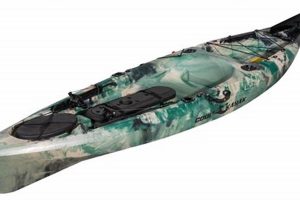
Success in Matagorda kayak fishing hinges significantly on appropriate gear selection. The environment presents unique challenges and opportunities, necessitating equipment tailored to the specific demands of this style of angling. Essential gear falls into several categories: kayak selection, safety equipment, fishing tackle, and navigational tools. The chosen kayak must balance stability, maneuverability, and storage capacity. A sit-on-top kayak is often preferred for its self-bailing properties and ease of re-entry in the event of a capsize. Stability is paramount in the shallow, often windy conditions of Matagorda Bay. Ample storage is required for tackle, safety equipment, and personal items. For example, a wider, shorter kayak might be ideal for calmer waters and shorter trips, while a longer, narrower kayak may be preferred for covering greater distances and handling choppier conditions.
Safety equipment is non-negotiable. A personal flotation device (PFD) is paramount. A whistle, signaling mirror, and a waterproof communication device are crucial in case of emergencies. Given the exposure to the elements, sun protection, including a hat, sunglasses, and sunscreen, is vital. A first-aid kit tailored to potential injuries encountered while fishing, such as hook removals and minor cuts, should also be included. Navigational tools play a critical role, especially in the expansive waters of Matagorda Bay. A GPS unit or chartplotter aids in route planning, location marking, and safe navigation, especially in changing weather or tidal conditions. Carrying a waterproof map and compass provides backup navigation in case of electronic failure. Fishing tackle selection depends on targeted species. Rods, reels, and lines should match the size and fighting strength of anticipated catches. Lures and bait should be selected based on local fish preferences and prevailing conditions. For example, targeting redfish might involve using heavier tackle and lures designed for shallow water, while targeting speckled trout might require lighter tackle and finesse presentations. A tackle box organized with essential terminal tackle, such as hooks, weights, and swivels, streamlines rig changes and maximizes fishing time.
Careful gear selection significantly contributes to a successful and safe Matagorda kayak fishing experience. The interplay between environmental factors, targeted species, and angler experience dictates the optimal gear choices. Prioritizing safety and functionality ensures a positive and productive outing, minimizing potential risks and maximizing the enjoyment of this unique angling experience. Understanding the specific demands of the Matagorda Bay environment informs equipment choices, contributing to angler safety and fishing success. Failure to adequately prepare with essential gear can compromise both safety and the likelihood of a rewarding fishing trip. Therefore, careful consideration of these elements is paramount for maximizing the enjoyment and productivity of kayak fishing in Matagorda Bay.
6. Safety Procedures

Safe practices are paramount in Matagorda kayak fishing due to the dynamic coastal environment. The combination of shallow waters, changing tides, and potential weather fluctuations necessitates careful planning and adherence to safety procedures. Neglecting these precautions can lead to hazardous situations, impacting both personal well-being and the overall fishing experience. Understanding and implementing appropriate safety measures ensures a positive and productive outing.
- Personal Flotation Devices (PFDs)
Wearing a properly fitted PFD is non-negotiable. Even strong swimmers can experience unexpected difficulties due to currents, cold water, or unforeseen events like capsizing. A PFD provides essential buoyancy, increasing survival chances in the event of an accident. Selecting a comfortable, Coast Guard-approved PFD ensures proper fit and functionality.
- Weather Monitoring and Awareness
Checking marine weather forecasts before embarking is crucial. Sudden changes in wind speed and direction, along with unexpected storms, can create hazardous conditions on the water. Monitoring weather radar and having a plan for seeking shelter in case of inclement weather are essential safety practices. Postponing trips if conditions are unfavorable prioritizes safety and prevents potentially dangerous situations.
- Communication and Signaling Devices
Carrying a waterproof communication device, such as a VHF radio or a charged mobile phone in a waterproof case, enables contact with emergency services or other boaters if needed. A whistle and signaling mirror provide additional means of attracting attention in case of distress. Informing someone on shore of the planned fishing route and estimated return time provides an added layer of safety.
- Navigation and Trip Planning
Careful trip planning, including route mapping and identification of potential hazards, minimizes risks. Understanding navigational markers and using a GPS unit or chartplotter aids in maintaining course and avoiding shallow areas or obstructions. Carrying a waterproof map and compass serves as a backup in case of electronic failure. Planning the trip around tidal flows and currents reduces paddling effort and ensures safe navigation.
Adherence to these safety procedures enhances the overall Matagorda kayak fishing experience by minimizing risks and allowing anglers to focus on enjoying their time on the water. Prioritizing safety fosters a responsible approach to kayak fishing, ensuring both personal well-being and the preservation of this valuable natural resource. By integrating these practices into every fishing outing, anglers contribute to a culture of safety within the Matagorda kayak fishing community.
7. Environmental Awareness

Environmental awareness is integral to sustainable kayak fishing practices within the Matagorda Bay ecosystem. The delicate balance of this coastal environment necessitates a mindful approach from anglers to minimize impact and preserve its health for future generations. Understanding the interconnectedness of the bay’s flora, fauna, and water quality fosters responsible angling practices. Direct impacts from kayak fishing, though generally less significant than motorized boating, still warrant consideration. Improper disposal of fishing line, for example, poses entanglement risks to marine life and birds. Discarded hooks can injure wildlife and contribute to pollution. Kayak anglers, due to their closer proximity to the water and shoreline, have a heightened responsibility to minimize these impacts.
Indirect impacts, such as disturbing nesting sites or sensitive habitats through careless navigation, also require attention. The shallow-water access afforded by kayaks allows anglers to reach areas otherwise inaccessible, increasing the potential for disturbance if not approached cautiously. Respecting designated no-access zones and minimizing noise pollution contribute to preserving critical habitats. Furthermore, understanding the role of seagrass beds and oyster reefs in maintaining water quality and supporting marine life underscores the importance of avoiding damage from kayaks or anchors. For example, dragging a kayak across a seagrass bed can uproot the plants, disrupting the habitat and impacting water clarity. Choosing designated anchoring areas or using appropriate anchoring techniques minimizes damage to these sensitive ecosystems. Promoting catch-and-release practices, especially for vulnerable species, contributes to maintaining healthy fish populations. Proper handling techniques minimize stress on fish and increase their chances of survival upon release. Educating fellow anglers about responsible angling practices amplifies positive impact, fostering a culture of environmental stewardship within the Matagorda kayak fishing community.
The long-term health of the Matagorda Bay ecosystem directly impacts the future of kayak fishing opportunities within it. Environmental awareness, coupled with responsible angling practices, ensures the sustainability of this valuable resource. Challenges such as pollution, habitat degradation, and overfishing require ongoing attention and collaborative efforts to mitigate their effects. Integrating environmental awareness into every aspect of Matagorda kayak fishing ensures the continued enjoyment of this activity for generations to come. This awareness transforms anglers into stewards of the environment, contributing actively to the preservation of this unique coastal ecosystem.
Frequently Asked Questions
This section addresses common inquiries regarding kayak fishing in Matagorda, Texas. The information provided aims to clarify potential uncertainties and provide practical guidance for anglers.
Question 1: What are the typical costs associated with kayak fishing in Matagorda?
Costs vary depending on equipment ownership. Kayak rental, if required, typically ranges from $50 to $150 per day. Fishing licenses, bait, and tackle incur additional expenses. Owning a kayak eliminates rental fees but necessitates initial investment and maintenance.
Question 2: Are guided fishing trips available in Matagorda for kayak anglers?
Numerous local guides offer specialized kayak fishing trips. Guided excursions provide expertise on optimal fishing locations, techniques, and local regulations. Costs for guided trips vary based on duration and inclusions.
Question 3: What are the primary target species for kayak anglers in Matagorda?
Redfish, speckled trout, flounder, and black drum are common targets. Seasonal variations influence species availability and preferred fishing locations within the bay system.
Question 4: What safety precautions are essential for kayak fishing in Matagorda?
Wearing a personal flotation device (PFD), checking weather forecasts, carrying communication devices, and informing someone of trip plans are crucial safety measures. Understanding tidal currents and potential hazards enhances safety.
Question 5: What are the licensing requirements for fishing in Matagorda?
A valid Texas fishing license is required. Specific regulations regarding catch limits, size restrictions, and permitted fishing methods should be reviewed prior to any fishing activity.
Question 6: What impact do tides have on fishing conditions in Matagorda Bay?
Tidal flows significantly influence water depth, current strength, and fish behavior. Understanding tidal patterns and their impact on target species enhances fishing success. Consulting tide charts aids in planning optimal fishing times.
Understanding these aspects contributes to a safer, more informed, and ultimately more successful kayak fishing experience in Matagorda. Preparation, awareness, and respect for the environment are key to enjoying this unique angling opportunity.
For further information, the following sections offer detailed guidance on specific aspects of kayak fishing in Matagorda.
Conclusion
Matagorda kayak fishing offers a unique and rewarding angling experience, characterized by close interaction with nature and access to productive shallow-water habitats. Successful excursions require careful consideration of several key factors. Equipment selection, informed by an understanding of targeted species and environmental conditions, is paramount. Prioritizing safety procedures, including weather awareness and appropriate gear, ensures a positive experience. Respect for the environment, manifested through responsible angling practices and adherence to regulations, preserves this valuable resource for future generations. Effective preparation and a mindful approach maximize both angling success and the overall enjoyment of this distinct coastal fishing experience.
The dynamic interplay between angler, environment, and target species defines the Matagorda kayak fishing experience. Adaptability, informed decision-making, and a commitment to conservation ensure the continued vitality of this unique angling pursuit. The future of this activity relies on the collective responsibility of anglers to prioritize safety, ethical practices, and environmental stewardship, ensuring the preservation of this exceptional coastal fishery.