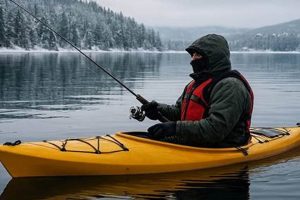
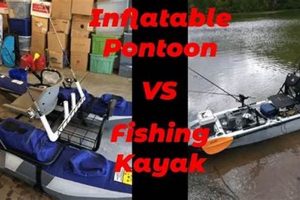
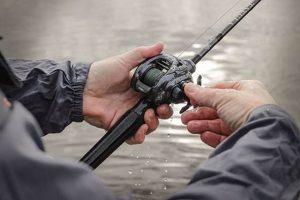
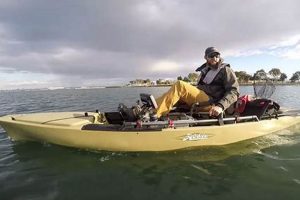
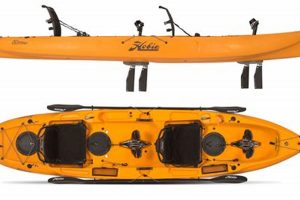
These specialized vessels are designed with features that cater specifically to anglers. Rod holders, often flush-mounted or adjustable, keep fishing gear organized and accessible. Ample storage space accommodates tackle boxes, bait, and other equipment. Stability is paramount, with wider hulls and specialized seating configurations contributing to a secure platform for casting and reeling. Common materials include durable, lightweight plastics like polyethylene and more robust composites.
Anglers benefit from increased access to secluded fishing spots often unreachable by larger boats. The low profile and quiet operation allow for a stealthy approach, minimizing disturbance to fish. Hands-free fishing is facilitated by specialized features like anchor trolleys and pedal-powered propulsion systems, leaving anglers free to focus on their technique. Historically, adapted canoes and other small craft served similar purposes. The evolution of purpose-built fishing kayaks reflects the growing popularity of this specialized fishing method.
This article will explore various aspects of fishing kayaks, including design considerations, material selection, essential features, popular models, and maintenance tips.
Essential Tips for Fishing Kayak Selection and Use
Careful consideration of several factors contributes significantly to a successful and enjoyable fishing kayak experience. These tips offer guidance for both novice and experienced anglers.
Tip 1: Prioritize Stability: Hull design directly impacts stability. Wider, flatter hulls offer greater initial stability, ideal for calmer waters and stand-up fishing. Longer, narrower hulls provide better tracking and speed but require more experience to balance.
Tip 2: Consider Propulsion: Paddle kayaks offer a traditional experience and excellent exercise. Pedal-driven systems allow for hands-free fishing and greater speed, while motorized kayaks cover larger distances with ease. Evaluate individual needs and preferences.
Tip 3: Evaluate Storage Capacity: Ample storage is crucial for carrying tackle, safety gear, and personal items. Consider the type and duration of fishing trips when assessing storage needs.
Tip 4: Choose Appropriate Seating: Comfortable seating enhances endurance and enjoyment, especially during longer outings. Adjustable seating positions cater to diverse paddling styles and physical requirements.
Tip 5: Assess Rod Holder Options: Dedicated rod holders are essential. Consider the number and placement of rod holders needed for preferred fishing techniques.
Tip 6: Factor in Weight Capacity: Ensure the kayak’s weight capacity accommodates the angler’s weight, plus all gear and potential catches.
Tip 7: Plan for Transportation and Storage: Kayak size and weight influence transportation and storage requirements. Roof racks, trailers, or dedicated storage solutions may be necessary.
Tip 8: Practice Essential Safety Measures: Always wear a personal flotation device (PFD) and inform someone of fishing plans. Carry essential safety gear, including a whistle, signaling device, and first-aid kit.
By considering these tips, anglers can choose a vessel tailored to their individual needs and enhance both safety and enjoyment on the water. Proper selection and preparation contribute significantly to successful fishing excursions.
This concluding section will summarize key takeaways and reinforce the benefits of choosing the right fishing kayak.
1. Stability

Stability is a critical factor in fishing kayaks, directly influencing angler safety and fishing effectiveness. A stable platform allows for comfortable casting, reeling, and landing fish, while minimizing the risk of capsizing. Different hull designs and features contribute to stability, catering to various fishing styles and water conditions.
- Primary Stability (Initial Stability):
This refers to a kayak’s resistance to tipping when at rest. A wider, flatter hull provides higher initial stability, making it ideal for beginners and anglers who prefer to stand while fishing. These designs are well-suited to calmer waters. A kayak with high primary stability feels very secure and less likely to tip unexpectedly with small movements. This is crucial for activities like changing lures or landing fish.
- Secondary Stability:
Secondary stability describes how a kayak behaves when leaning or tilted. Kayaks with rounded or “V” shaped hulls typically have lower initial stability but higher secondary stability. This design allows the kayak to lean into turns and handle rougher water conditions more effectively. Experienced anglers often prefer this type of stability for paddling in challenging environments.
- Contributing Factors:
Beyond hull design, other factors influence stability. Kayak width, length, and weight distribution play significant roles. Features like outriggers and stabilizers can enhance stability, particularly for smaller kayaks. Angler behavior, such as weight shifting and proper paddling technique, also impacts overall stability. Understanding these contributing factors allows for informed decision-making when selecting a fishing kayak.
- Impact on Fishing Activities:
Stability directly impacts various fishing activities. A stable kayak allows for more confident and accurate casting, especially in windy conditions or when using heavier lures. Fighting and landing fish becomes easier and safer with a stable platform. Standing to sight fish or gain a better casting angle requires a kayak with excellent primary stability. The overall fishing experience is significantly enhanced by a kayak that provides the appropriate level of stability for the intended fishing style and water conditions.
Ultimately, choosing a fishing kayak with the right type and level of stability is crucial for maximizing both safety and enjoyment on the water. Balancing initial and secondary stability based on individual needs and intended use ensures a comfortable and effective fishing platform.
2. Storage

Effective storage solutions are essential for fishing kayaks, enabling anglers to organize and access gear efficiently while maximizing space utilization. Adequate storage contributes significantly to a successful and enjoyable fishing experience by keeping essential equipment readily available and preventing clutter.
- Types of Storage:
Fishing kayaks offer diverse storage options, including hatches, tank wells, recessed compartments, and bungee cord systems. Hatches provide secure, waterproof storage for valuable items like electronics and tackle boxes. Tank wells, typically located behind the seat, accommodate larger items like crates or coolers. Recessed compartments offer convenient storage for smaller items, keeping them within easy reach. Bungee systems secure paddles and rods when not in use. The choice of storage type depends on the specific gear and personal preferences.
- Capacity and Organization:
Storage capacity is a crucial consideration, particularly for longer fishing trips or when carrying specialized equipment. Anglers should assess their typical gear requirements, including tackle boxes, rods, reels, safety equipment, and personal items, to determine the necessary storage volume. Organizational features, such as dividers, trays, and pockets, enhance efficiency by keeping items separated and easily accessible. Proper organization minimizes time spent searching for gear, allowing for more focused fishing.
- Accessibility and Ergonomics:
Easy access to stored gear is paramount. Well-placed hatches and compartments allow anglers to retrieve items quickly and safely without compromising balance or stability. Ergonomic design considerations, such as the location and size of openings, minimize strain and awkward reaching. Features like hinged lids and sliding trays further enhance accessibility. Efficient access contributes to a smoother and more enjoyable fishing experience.
- Material and Construction:
Durable, weather-resistant materials are essential for protecting stored gear. Waterproof hatches and seals prevent water intrusion, safeguarding sensitive electronics and tackle from damage. Robust construction ensures that storage compartments can withstand the rigors of fishing trips, including impacts and exposure to the elements. High-quality materials and construction contribute to the longevity and reliability of the kayak’s storage system.
The effective integration of these storage facets directly contributes to the overall functionality and enjoyment of a fishing kayak. By carefully considering storage needs and selecting a kayak with appropriate features, anglers can maximize their time on the water, focusing on the pursuit of fish rather than managing gear. Well-designed storage solutions contribute significantly to a more organized, efficient, and ultimately successful fishing experience.
3. Propulsion
Propulsion systems significantly impact the functionality and effectiveness of fishing kayaks. The choice of propulsion directly influences an angler’s ability to reach fishing grounds, maneuver effectively, and conserve energy for the activity itself. Several propulsion methods cater to diverse fishing styles, water conditions, and angler preferences.
Paddle propulsion remains a popular and versatile option. Traditional paddles offer excellent control and maneuverability, particularly in shallow water or tight spaces. They require physical exertion, providing exercise and promoting a direct connection with the water. However, paddling can be tiring, especially during long trips or against strong currents. Furthermore, it occupies the hands, potentially limiting fishing activities. Modern paddle designs incorporate lightweight materials and ergonomic shapes to enhance efficiency and reduce fatigue.
Pedal-powered kayaks offer hands-free operation, enabling anglers to focus on fishing rather than paddling. Foot-controlled systems propel the kayak using fins or propeller systems, leaving hands free for casting, reeling, and other fishing tasks. Pedal drives offer greater speed and efficiency compared to paddling, particularly over longer distances. This propulsion method allows anglers to cover more ground and access distant fishing spots. However, pedal-driven kayaks are typically more expensive and can be more complex to maintain. Their effectiveness in shallow water or areas with submerged obstacles can also be limited.
Motorized kayaks provide the greatest range and speed. Electric motors offer quiet operation and minimal environmental impact, allowing anglers to reach distant fishing grounds quickly and effortlessly. Motors facilitate fishing in challenging conditions, such as strong currents or windy weather. However, motorized kayaks require batteries and charging systems, adding weight and complexity. Regulations regarding motorized watercraft vary by location and should be considered before use. The cost of motorized kayaks is generally higher than paddle or pedal-powered options.
Understanding the characteristics and trade-offs associated with each propulsion method allows anglers to select the most appropriate system based on individual needs and fishing preferences. Factors such as fishing location, target species, physical capabilities, and budget influence the optimal choice. Choosing the right propulsion system contributes significantly to a successful and enjoyable fishing experience.
4. Rod Holders

Rod holders constitute an integral component of kayaks designed for fishing, profoundly influencing angling efficacy and overall experience. Their presence transforms the kayak from a simple vessel into a specialized fishing platform, offering secure rod storage, hands-free operation, and enhanced angling versatility. This symbiotic relationship between rod holders and fishing kayaks stems from the fundamental need to manage fishing rods effectively while on the water.
Without dedicated rod holders, anglers face the cumbersome task of constantly holding rods, limiting mobility and increasing the risk of dropping or damaging valuable equipment. Rod holders address this challenge by providing secure points to store rods when not actively in use, freeing hands for paddling, maneuvering, landing fish, or handling other essential tasks. Furthermore, strategically positioned rod holders enable techniques like trolling or multi-line fishing, expanding angling possibilities. For example, flush-mounted rod holders offer a streamlined profile for paddling and navigating tight spaces, while adjustable rod holders allow for customized angles and positioning, catering to diverse fishing styles. Recessed rod holders protect rods from impact and prevent line tangling. The type and placement of rod holders directly impact fishing efficiency and enjoyment.
The practical significance of understanding rod holder design and functionality is paramount for anglers seeking to optimize their kayak fishing experience. Selecting a kayak with appropriate rod holders aligned with individual fishing styles and target species enhances organization, efficiency, and safety on the water. Challenges such as limited space and potential interference with paddling strokes necessitate careful consideration of rod holder placement and design. Ultimately, effective rod holder integration elevates the fishing kayak’s functionality, contributing significantly to a more productive and enjoyable angling pursuit.
5. Comfort

Comfort plays a crucial role in the overall fishing kayak experience. Extended periods on the water, often in demanding conditions, necessitate a comfortable and supportive environment. Discomfort can detract from focus and enjoyment, hindering fishing effectiveness and potentially leading to fatigue or injury. A comfortable kayak allows anglers to concentrate on fishing, maximizing their time and enjoyment on the water. For example, a well-designed seat with adequate back support and cushioning can significantly reduce strain and fatigue during long fishing trips. Adjustable seating positions accommodate varying body types and preferences, further enhancing comfort. Footrests or foot braces provide essential support and stability, allowing for efficient paddling and body positioning. Ample legroom prevents cramping and allows for comfortable movement within the kayak.
Several factors contribute to kayak fishing comfort. Seat design, material, and adjustability are primary considerations. Ergonomic features, such as adjustable backrests, lumbar support, and breathable fabric, enhance comfort and reduce pressure points. Padding and cushioning materials impact both comfort and durability. The kayak’s overall dimensions, including width and cockpit size, influence seating position and legroom. Features like adjustable footrests or foot braces provide essential support and stability, promoting proper posture and reducing fatigue. The integration of these features affects not only physical comfort but also fishing performance. A comfortable angler is more likely to maintain focus, react quickly to bites, and effectively manage fishing equipment.
Understanding the factors influencing kayak fishing comfort allows anglers to make informed decisions when selecting a vessel. Prioritizing comfort enhances not only enjoyment but also fishing effectiveness. By considering factors like seat design, ergonomics, and overall kayak dimensions, anglers can create a comfortable and supportive environment that maximizes their time and success on the water. Addressing comfort needs contributes significantly to a more positive and productive fishing experience. Neglecting comfort can lead to fatigue, discomfort, and decreased fishing effectiveness, underscoring its importance as a key consideration in fishing kayak selection.
6. Durability
Durability is paramount for fishing kayaks, given the demanding environments they encounter. These vessels regularly face exposure to harsh elements, including UV radiation, saltwater, and fluctuating temperatures. Furthermore, they often navigate shallow waters, rocky shorelines, and submerged obstacles, increasing the risk of impacts and abrasions. A durable kayak withstands these rigors, ensuring longevity and reliable performance over time. For instance, a kayak constructed from high-density polyethylene (HDPE) or a robust composite material resists impacts and abrasions more effectively than a less durable material. This resilience translates to fewer repairs, reduced maintenance costs, and a longer lifespan, representing a significant investment benefit. Moreover, durability directly impacts safety. A robust hull is less likely to sustain critical damage in challenging conditions, safeguarding the angler in unexpected situations.
The connection between durability and material selection is undeniable. HDPE offers excellent impact resistance and UV stability, making it a popular choice for fishing kayaks. Composite materials, such as fiberglass or carbon fiber, offer even greater strength and stiffness, albeit at a higher cost. The manufacturing process, including construction techniques and quality control measures, also influences overall durability. Rotational molding, a common method for HDPE kayaks, creates a seamless, uniform hull with excellent structural integrity. Properly sealed seams and fittings prevent water intrusion, further enhancing durability. Beyond material and construction, usage and maintenance practices impact a kayak’s lifespan. Regular cleaning, proper storage, and timely repairs prevent premature wear and tear. Protecting the hull from excessive sun exposure and avoiding unnecessary impacts contribute to long-term durability.
Understanding the factors influencing fishing kayak durability empowers informed purchasing decisions and responsible ownership. Evaluating material properties, construction techniques, and manufacturer reputations guides selection towards robust and reliable vessels. Adopting appropriate maintenance practices maximizes lifespan and ensures consistent performance. The practical significance of durability extends beyond financial considerations; it directly impacts safety and the overall enjoyment of the fishing experience. A durable kayak provides peace of mind, allowing anglers to focus on fishing rather than worrying about equipment failure. This translates to more time on the water and a greater appreciation for the sport.
7. Maneuverability

Maneuverability is a critical aspect of fishing kayak design, directly influencing an angler’s ability to navigate diverse water environments and access prime fishing locations. Effective maneuvering enables precise boat control, facilitating access to shallow areas, navigating tight spaces, and positioning the kayak optimally for casting and retrieving. Restricted maneuverability can hinder access to productive fishing spots and limit angling effectiveness. Understanding the factors influencing maneuverability empowers anglers to select vessels suited to their target fishing environments and preferred techniques.
- Hull Design and Length:
Hull design significantly impacts maneuverability. Shorter kayaks generally turn more quickly, while longer kayaks track more effectively in a straight line. Wider kayaks offer greater stability but may sacrifice maneuverability. Kayaks with a pronounced keel track well but turn more slowly. A shorter, flatter hull design enhances maneuverability in tight spaces like creeks and mangroves, while a longer, keeled hull is better suited for open water environments. The choice depends on the intended fishing locations.
- Water Conditions and Currents:
Maneuverability requirements vary depending on water conditions. Calm, flat water allows for easier maneuvering, while strong currents, wind, and waves demand greater control and responsiveness. A kayak with excellent tracking performs well in challenging conditions but may require more effort to turn sharply. River currents and tidal flows necessitate quick maneuvering to avoid obstacles and maintain desired positioning. Anglers fishing in dynamic environments benefit from kayaks designed for enhanced maneuverability.
- Rudder and Skeg Systems:
Rudders and skegs enhance tracking and directional stability, particularly in windy or choppy conditions. A rudder provides active control, allowing for precise steering adjustments, while a skeg offers passive directional assistance, reducing the need for constant course correction. These features improve maneuverability by enhancing control and responsiveness, allowing anglers to maintain desired headings with less effort. Deploying a rudder or skeg can significantly improve tracking in windy conditions or strong currents.
- Weight and Payload Capacity:
A kayak’s weight and payload capacity influence its responsiveness and maneuverability. Heavier kayaks require more effort to turn and accelerate, while lighter kayaks respond more quickly to paddle input. Carrying a heavy load of gear or fish can also impact maneuverability. Choosing a kayak with adequate payload capacity for intended gear and potential catches ensures optimal performance. Overloading a kayak compromises maneuverability and stability.
By understanding the interplay of these factors, anglers can select fishing kayaks optimized for their specific needs and target environments. Matching hull design, length, and features to the intended fishing locations and conditions maximizes maneuverability, enhancing angling effectiveness and enjoyment on the water. Ultimately, selecting a maneuverable kayak contributes significantly to successful fishing excursions, allowing anglers to navigate effectively, access productive fishing areas, and position themselves optimally for successful catches. This enhances not only the practical aspects of fishing but also the overall experience on the water.
Frequently Asked Questions
This section addresses common inquiries regarding specialized fishing kayaks, providing concise and informative responses.
Question 1: What differentiates a fishing kayak from a recreational kayak?
Fishing kayaks incorporate specialized features like rod holders, tackle storage, and enhanced stability for angling activities. Recreational kayaks prioritize comfort and ease of paddling for general-purpose use.
Question 2: How is stability determined in a fishing kayak?
Stability depends on hull design, width, and length. Wider hulls offer greater initial stability, while longer hulls excel in tracking. The angler’s weight distribution also influences stability.
Question 3: What propulsion options are available for fishing kayaks?
Propulsion methods include traditional paddles, pedal-driven systems for hands-free fishing, and electric motors for increased range and speed. Each method presents advantages and disadvantages depending on fishing style and location.
Question 4: What are the essential safety considerations for fishing kayak use?
Essential safety measures encompass wearing a personal flotation device (PFD), informing someone of fishing plans, carrying a signaling device and first-aid kit, and understanding local water conditions and regulations.
Question 5: How does one transport and store a fishing kayak?
Transportation methods include roof racks, trailers, and truck beds. Storage options range from dedicated kayak racks to garages or sheds. Consider kayak dimensions and weight when selecting transport and storage solutions.
Question 6: What maintenance is required for a fishing kayak?
Regular cleaning, especially after saltwater exposure, prevents corrosion and material degradation. Inspecting and replacing worn-out parts, such as bungee cords and rod holders, ensures continued functionality and safety. Proper storage protects against UV damage and environmental wear.
Careful consideration of these frequently asked questions enhances understanding of fishing kayaks and contributes to informed decision-making, ultimately promoting safe and enjoyable fishing experiences.
This concludes the frequently asked questions section. The following section will offer a comprehensive summary of key takeaways.
Kayaks Made for Fishing
Vessels designed specifically for angling represent a significant advancement in fishing methodology. This exploration has highlighted the crucial design elements that differentiate these specialized kayaks, emphasizing the importance of stability, storage, propulsion, rod holders, comfort, durability, and maneuverability. Careful consideration of these factors ensures angler safety, optimizes fishing effectiveness, and enhances the overall experience on the water. From hull design and material selection to propulsion systems and storage solutions, each aspect contributes to the overall performance and suitability of these specialized craft. Understanding these features empowers informed purchasing decisions, enabling anglers to select kayaks tailored to individual needs and target fishing environments.
The evolution of kayaks designed specifically for fishing reflects the growing popularity and specialization within the sport. Continued innovation in design and technology promises further advancements, enhancing both functionality and enjoyment for anglers. Ultimately, appreciating the nuances of these specialized vessels elevates the fishing experience, fostering a deeper connection with the sport and the environment it embraces. Careful selection and responsible use of these specialized kayaks contribute to both angling success and the preservation of aquatic ecosystems.