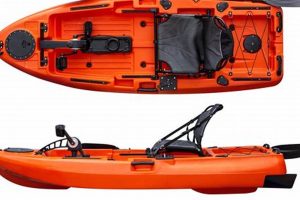
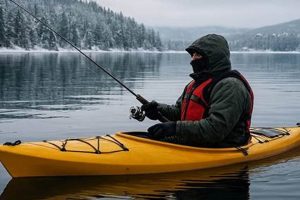
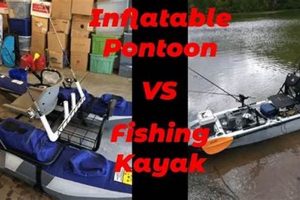
Competitive angling events held throughout the state leverage small, human-powered vessels as the exclusive fishing platform. These competitions typically involve anglers targeting specific species, often within defined boundaries and timeframes. Prizes are frequently awarded based on factors like the total weight or length of fish caught, sometimes with additional recognition for individual largest catches. A typical example might involve participants vying for the heaviest combined weight of redfish and trout caught within a designated area over a two-day period.
These events offer numerous advantages for anglers and the broader ecosystem. They provide a platform for skill development and friendly competition, promoting camaraderie among participants. Furthermore, they often contribute to conservation efforts through partnerships with environmental organizations, raising awareness about responsible fishing practices and habitat preservation. The popularity of these events reflects a growing interest in accessible, eco-conscious angling, building upon the longstanding tradition of competitive fishing in Florida’s rich aquatic environments.
The following sections will explore key aspects of competitive kayak angling in Florida, covering topics such as tournament formats, popular target species, essential gear and equipment, effective fishing techniques, and prominent events across the state.
Tips for Competitive Kayak Angling in Florida
Success in competitive kayak angling requires meticulous preparation and strategic execution. The following tips offer valuable insights for enhancing performance and maximizing the chances of success in Florida’s challenging tournament environment.
Tip 1: Pre-Fishing Scouting: Thoroughly researching and scouting potential fishing locations prior to the tournament is crucial. Identifying key areas holding target species allows anglers to develop effective game plans and optimize time management during the competition.
Tip 2: Efficient Tackle Organization: Maintaining a well-organized tackle system is essential for quick access to lures and equipment. A streamlined setup minimizes wasted time and allows anglers to adapt rapidly to changing fishing conditions.
Tip 3: Mastering Kayak Control: Proficient kayak maneuvering enables precise positioning and efficient navigation, particularly in challenging environments like shallow water or strong currents. Practicing kayak control techniques prior to the tournament can significantly improve fishing effectiveness.
Tip 4: Species-Specific Techniques: Understanding the behavior and preferred habitats of target species is paramount. Employing appropriate fishing techniques, including lure selection and presentation, significantly increases the likelihood of success.
Tip 5: Weather Awareness: Monitoring weather forecasts and adapting fishing strategies accordingly is essential for safety and optimal performance. Understanding how weather patterns influence fish behavior can provide a competitive edge.
Tip 6: Conservation Practices: Adhering to ethical fishing practices and respecting size and bag limits ensures the sustainability of fish populations and preserves the integrity of the sport.
Tip 7: Tournament Rules and Regulations: Familiarizing oneself with the specific rules and regulations of each tournament is crucial for avoiding penalties and ensuring fair competition.
By implementing these strategies, anglers can significantly improve their performance and increase their chances of success in competitive kayak fishing events. Preparation, adaptability, and a deep understanding of the target species and the environment are key factors that contribute to achieving competitive excellence.
These tips provide a solid foundation for navigating the competitive landscape of kayak fishing tournaments in Florida. The subsequent conclusion will offer final thoughts and reiterate the importance of responsible angling practices within this exciting and rapidly growing sport.
1. Competition

Competition serves as a driving force within kayak fishing tournaments held throughout Florida. It motivates anglers to refine techniques, optimize strategies, and push their skills to the limit. This competitive element not only elevates individual performance but also fosters a sense of community and camaraderie among participants. The pursuit of victory encourages anglers to explore new fishing grounds, experiment with innovative approaches, and deepen their understanding of fish behavior and habitat. For example, competitive pressure might lead an angler to master the art of sight-fishing for redfish in shallow flats or develop a highly effective technique for targeting snook around mangrove structures. This constant striving for improvement ultimately contributes to the overall advancement of kayak angling as a sport.
Furthermore, the structured nature of competitive events provides a valuable platform for measuring skill and achievement. Tournaments offer a standardized framework for evaluating angling prowess, allowing participants to gauge their abilities against their peers. This framework often involves specific rules and regulations, such as catch limits, size restrictions, and permitted fishing areas, ensuring a level playing field for all competitors. The results of these competitions, often publicized through rankings and awards, contribute to the recognition and celebration of exceptional angling talent within the kayak fishing community. This recognition, in turn, inspires future generations of anglers and fuels the continued growth of the sport.
In conclusion, competition plays a vital role in shaping the landscape of kayak fishing tournaments in Florida. It fosters innovation, encourages skill development, and provides a framework for recognizing achievement. While the pursuit of victory remains a central motivator, the competitive spirit also cultivates camaraderie, promotes ethical angling practices, and contributes to the overall advancement of kayak fishing within the state. Understanding the dynamics of competition is crucial for appreciating the complexities and nuances of this rapidly evolving sport.
2. Kayak Angling

Kayak angling forms the foundation of competitive kayak fishing tournaments in Florida. It represents the core activity around which these events are structured, dictating the challenges, opportunities, and overall experience for participants. Understanding the nuances of kayak angling is essential for appreciating the complexities and intricacies of tournament competition within this specialized domain.
- Vessel Maneuverability
Kayaks offer unique maneuverability advantages in diverse aquatic environments. Their compact size allows access to shallow waters, tight creeks, and areas inaccessible to larger boats. This maneuverability becomes a crucial factor in tournaments, enabling anglers to exploit specific habitats and target fish in otherwise unreachable locations. For instance, navigating through dense mangrove forests or silently approaching shallow grass flats becomes a distinct advantage in pursuit of species like redfish or snook.
- Stealth and Approach
The low profile and quiet operation of kayaks offer a significant stealth advantage. This allows anglers to approach fish with minimal disturbance, increasing the likelihood of successful hookups, especially in clear, shallow water. In tournament settings, this stealth can be a decisive factor, enabling anglers to target wary fish that might be spooked by larger, more intrusive vessels. This is particularly relevant in heavily pressured fisheries where fish have become accustomed to boat traffic.
- Equipment Specialization
Kayak angling often necessitates specialized equipment tailored to the limited space and unique demands of fishing from a small, human-powered vessel. Rod holders, tackle storage systems, and even specialized anchors designed for kayak use become essential components of a competitive angler’s setup. The selection and organization of this equipment play a crucial role in tournament performance, enabling efficient lure changes, effective fish handling, and optimized use of limited onboard space.
- Physical Demands and Endurance
Kayak fishing inherently involves a physical component, requiring anglers to paddle, maneuver, and cast while maintaining balance and stability. In tournament situations, where long hours on the water are common, physical endurance and stamina become critical factors influencing performance. The ability to maintain focus and effectively fish throughout the duration of a tournament, often under challenging weather conditions, can significantly impact an angler’s success.
These facets of kayak angling directly influence the strategies, techniques, and outcomes observed in competitive kayak fishing tournaments across Florida. The ability to effectively leverage the maneuverability, stealth, and specialized equipment of a kayak, combined with the physical endurance required for prolonged fishing, contributes significantly to an angler’s competitive edge. Understanding the interplay of these factors is essential for appreciating the unique challenges and rewards inherent in this specialized form of competitive angling.
3. Florida Locations
The diverse aquatic environments of Florida play a crucial role in shaping the character and appeal of kayak fishing tournaments held throughout the state. The specific locations chosen for these events significantly influence the target species, fishing techniques, and overall tournament experience. Understanding the characteristics of various Florida locations is essential for appreciating the nuances and complexities of competitive kayak angling.
- Coastal Flats and Estuaries
Shallow coastal flats and estuaries, prevalent throughout Florida’s coastline, provide ideal habitats for species like redfish, speckled trout, and snook. These areas, often characterized by seagrass beds, oyster bars, and mangrove shorelines, offer prime opportunities for sight-fishing and shallow-water angling techniques. Tournaments held in these locations often emphasize stealth and precise kayak maneuvering, rewarding anglers who can effectively navigate these complex environments and accurately present lures to wary fish.
- Inland Lakes and Rivers
Florida’s numerous inland lakes and rivers present a different set of challenges and opportunities for kayak anglers. Species like largemouth bass, crappie, and sunshine bass thrive in these freshwater environments, requiring different fishing techniques compared to saltwater species. Tournaments held in these locations often focus on locating submerged structures, such as vegetation, drop-offs, and fallen trees, where fish tend to congregate. Kayak anglers’ ability to quietly access these areas offers a distinct advantage.
- Offshore Reefs and Wrecks
For anglers seeking pelagic species, Florida’s offshore reefs and wrecks provide exciting fishing grounds. Targeting species like snapper, grouper, and kingfish requires specialized tackle and techniques, including trolling, bottom fishing, and drift fishing. Kayak fishing tournaments held in offshore locations demand careful consideration of weather conditions, navigation, and safety precautions due to the increased distance from shore and the potential for challenging sea states.
- The Everglades and Florida Bay
The unique ecosystem of the Everglades and Florida Bay presents a specialized environment for kayak fishing tournaments. These shallow, interconnected waterways offer exceptional opportunities to target species like tarpon, snook, and redfish. Tournaments held in this region often emphasize an angler’s ability to navigate intricate channels, understand tidal influences, and employ techniques tailored to the specific characteristics of this backcountry environment.
The diverse array of fishing locations available throughout Florida contributes significantly to the variety and appeal of kayak fishing tournaments. From coastal flats to inland lakes, offshore reefs to the Everglades backcountry, each location offers a unique set of challenges and opportunities for anglers to test their skills. The specific characteristics of each environment, including the target species, habitat features, and prevailing conditions, influence tournament formats, fishing strategies, and ultimately, the outcomes of these competitive angling events. Understanding this interplay between location and tournament dynamics is crucial for appreciating the complexities and nuances of competitive kayak angling in Florida.
4. Target Species

Target species play a pivotal role in shaping the structure, strategy, and overall experience of kayak fishing tournaments in Florida. The specific species pursued in these competitions significantly influence tournament formats, location choices, and the specialized techniques employed by anglers. This intricate relationship between target species and tournament dynamics underscores the importance of understanding fish behavior, habitat preferences, and seasonal patterns.
Consider the example of a redfish tournament held in the shallow flats of Mosquito Lagoon. Anglers participating in such an event would likely employ sight-fishing techniques, utilizing polarized sunglasses to spot redfish tailing in the shallows. This requires specialized kayak positioning and stealthy approaches to avoid spooking the fish. Conversely, a tournament targeting offshore species like kingfish would necessitate different equipment, such as heavier tackle and trolling gear, and involve open-water fishing techniques. This illustrates how the target species dictates the necessary equipment, location selection, and angling approaches.
Furthermore, the choice of target species directly impacts the conservation considerations within tournament fishing. Size and bag limits, designed to protect fish populations and ensure sustainable angling practices, are often tailored to the specific vulnerabilities of individual species. For instance, tournaments targeting snook, a species with specific spawning seasons and habitat requirements, might implement stricter regulations during vulnerable periods to safeguard their reproductive success. This highlights the crucial connection between target species selection and responsible fisheries management.
In conclusion, understanding the ecological role and behavioral patterns of target species is essential for successful tournament participation and responsible angling practices. The selection of target species fundamentally shapes the dynamics of kayak fishing tournaments in Florida, influencing everything from location choices and fishing techniques to conservation efforts and tournament regulations. Recognizing this connection provides valuable insights into the complexities of competitive kayak angling and underscores the importance of sustainable fisheries management within this rapidly evolving sport.
5. Regulations and Rules
Regulations and rules form the backbone of organized kayak fishing tournaments in Florida, ensuring fair competition, promoting ethical angling practices, and contributing to the long-term sustainability of fish populations. These guidelines, often specific to individual tournaments or series, provide a structured framework within which competitive angling takes place. Understanding these regulations is paramount for participants and crucial for maintaining the integrity of the sport.
- Species-Specific Regulations
Regulations often dictate size limits, bag limits, and allowable fishing methods for specific target species. These rules align with broader conservation efforts aimed at protecting vulnerable populations and ensuring sustainable fisheries. For example, a tournament targeting redfish might impose a slot limit, allowing anglers to keep fish within a specific size range while protecting larger breeding individuals. Knowledge of these species-specific regulations is essential for legal compliance and responsible angling.
- Boundary Restrictions
Tournaments typically define specific boundaries within which fishing is permitted. These boundaries might encompass designated areas of a lake, river, or coastal zone, ensuring fair competition and preventing anglers from gaining an unfair advantage by accessing restricted or protected areas. These boundaries are often clearly communicated through maps, GPS coordinates, or verbal instructions during tournament briefings. Adherence to these boundaries is a fundamental requirement for participation.
- Permitted Fishing Methods
Rules regarding permitted fishing methods ensure fair play and prevent the use of techniques that might unduly impact fish populations or give certain anglers an unfair advantage. For example, some tournaments might restrict the use of live bait, while others might prohibit certain types of lures or fishing techniques. Understanding and adhering to these rules is crucial for maintaining the integrity of the competition and promoting ethical angling practices.
- Tournament Procedures and Scoring
Regulations also govern tournament procedures, including check-in times, weigh-in procedures, and scoring methods. These rules ensure a standardized and transparent process for determining tournament results and awarding prizes. For instance, tournaments might specify how fish are to be measured, weighed, and documented, ensuring consistency and fairness in evaluating catches. Understanding these procedures is essential for smooth tournament operation and the accurate assessment of angler performance.
These regulations, while sometimes complex, are fundamental to the successful operation of kayak fishing tournaments in Florida. They ensure fair competition, promote conservation, and contribute to the overall health and sustainability of the fisheries. By understanding and adhering to these rules, anglers contribute to the integrity of the sport and ensure its continued enjoyment for future generations. The careful implementation and enforcement of these regulations underpin the success and sustainability of competitive kayak angling in Florida’s diverse aquatic environments.
6. Prizes and Awards
Prizes and awards serve as a significant driving force within the competitive landscape of kayak fishing tournaments in Florida. They provide tangible recognition of angler skill and achievement, incentivizing participation and fostering a heightened sense of competition. The structure and value of these awards significantly influence the overall appeal and prestige of individual tournaments, impacting the caliber of participants and the level of competition observed. A tournament offering substantial cash prizes or high-value merchandise, for example, is likely to attract a larger and more competitive field than one with less lucrative rewards. This connection between prize structure and participant demographics highlights the important role of awards in shaping the tournament landscape.
Furthermore, the types of prizes awarded often reflect the specific values and priorities of the tournament organizers and sponsors. Some tournaments may emphasize cash prizes, appealing to anglers seeking financial rewards. Others might prioritize conservation efforts, offering prizes that promote sustainable fishing practices, such as high-quality fishing gear designed for minimal environmental impact or donations to environmental organizations in the winners’ names. Still others might focus on recognizing angling skill and sportsmanship, awarding trophies, plaques, or titles that symbolize achievement and contribute to an angler’s reputation within the competitive community. These varied approaches to prize structures reflect the diverse motivations and values within the kayak fishing community.
In summary, prizes and awards represent a crucial component of kayak fishing tournaments in Florida. They incentivize participation, recognize achievement, and influence the overall character and prestige of these competitive events. The structure and types of awards offered reflect the priorities of tournament organizers and contribute significantly to the overall experience for participants. Understanding the role and influence of prizes and awards provides valuable insights into the dynamics of competitive kayak angling and its broader impact on the fishing community and the environment. Analyzing these reward systems can offer valuable insights into the motivations and priorities driving participation and shaping the future direction of the sport.
7. Conservation Efforts

Conservation efforts are increasingly integral to kayak fishing tournaments in Florida, reflecting a growing awareness of the sport’s environmental impact and the importance of sustainable angling practices. This integration of conservation principles into tournament structures represents a shift towards a more responsible and ecologically conscious approach to competitive fishing. Tournaments often partner with environmental organizations to promote best practices, educate participants, and directly contribute to conservation initiatives. This symbiotic relationship benefits both the sport and the ecosystems it relies upon, ensuring the long-term health of fish populations and the viability of kayak fishing for future generations. For example, some tournaments incorporate catch-and-release protocols, utilizing specialized weigh-in and release procedures to minimize stress on fish and maximize post-release survival rates. Other events actively participate in habitat restoration projects, partnering with organizations like Coastal Conservation Association Florida to restore seagrass beds or mangrove forests crucial for fish nurseries and overall ecosystem health. These actions demonstrate a tangible commitment to conservation, moving beyond symbolic gestures towards meaningful environmental stewardship.
The emphasis on conservation within kayak fishing tournaments yields several tangible benefits. Promoting catch-and-release practices reduces fishing mortality, allowing more fish to contribute to the breeding population and supporting healthy stock levels. Supporting habitat restoration projects directly enhances the quality of aquatic environments, providing essential nursery grounds, shelter, and foraging areas for various fish species. Furthermore, educating anglers about responsible fishing practices, such as proper fish handling techniques and the importance of minimizing bycatch, cultivates a culture of environmental stewardship within the kayak fishing community. This ripple effect extends beyond tournament participation, influencing anglers’ behavior in their recreational fishing pursuits and fostering a broader awareness of environmental conservation. For instance, tournaments might incorporate educational seminars or workshops on topics such as identifying and avoiding protected species, minimizing the impact of fishing gear on sensitive habitats, and reporting illegal fishing activities. These initiatives empower anglers to become active stewards of the environment, extending the reach of conservation efforts far beyond the confines of individual tournaments.
In conclusion, the integration of conservation efforts into kayak fishing tournaments in Florida represents a significant step towards sustainable angling practices. By actively promoting responsible fishing, supporting habitat restoration, and educating participants, these tournaments contribute to the long-term health of Florida’s aquatic ecosystems. This commitment to conservation not only safeguards fish populations and their habitats but also enhances the overall experience for anglers, fostering a deeper appreciation for the natural environment and ensuring the viability of the sport for generations to come. The continued success of this integration relies on ongoing collaboration between tournament organizers, anglers, and environmental organizations, working together to protect the valuable resources upon which the sport depends.
Frequently Asked Questions about Kayak Fishing Tournaments in Florida
This section addresses common inquiries regarding competitive kayak angling in Florida, providing concise and informative responses to clarify key aspects of tournament participation, regulations, and the broader context of the sport.
Question 1: How does one locate information on upcoming kayak fishing tournaments in Florida?
Information regarding upcoming tournaments can typically be found through online search engines, social media groups dedicated to kayak fishing, and websites of organizations specializing in tournament organization. Local kayak fishing clubs and retailers often serve as valuable resources for tournament information as well.
Question 2: What equipment is typically required for participation in these tournaments?
Essential equipment includes a kayak suitable for fishing, appropriate fishing rods and reels, a selection of lures or bait tailored to the target species, safety gear such as a personal flotation device (PFD) and a whistle, and often a fish-measuring device. Specific equipment requirements may vary depending on the tournament’s rules and target species.
Question 3: Are there specific licensing requirements for participating in kayak fishing tournaments in Florida?
A valid Florida fishing license is typically required for tournament participation. Specific license requirements may vary depending on the target species and the location of the tournament. It is the angler’s responsibility to ensure compliance with all applicable licensing regulations.
Question 4: How are tournament results typically determined and prizes awarded?
Tournament results are often determined based on the combined weight or length of the qualifying fish caught within the designated timeframe. Some tournaments may also award prizes for the largest individual fish caught. Specific scoring methods and prize structures are typically outlined in the tournament rules.
Question 5: What conservation practices are typically implemented in kayak fishing tournaments in Florida?
Many tournaments emphasize catch-and-release practices, utilizing specific handling techniques and procedures to maximize post-release survival rates. Some tournaments also actively participate in or support habitat restoration projects, contributing to the long-term health of Florida’s fisheries.
Question 6: How can one prepare for the physical demands of a kayak fishing tournament?
Adequate physical preparation is essential for tournament success. Regular paddling, casting practice, and physical conditioning can improve stamina and endurance, enabling anglers to effectively fish throughout the duration of the event. Familiarization with the specific kayak and fishing gear to be used in the tournament is also highly recommended.
Understanding these key aspects of kayak fishing tournaments in Florida should provide prospective participants with a clearer understanding of the sport and the necessary preparations for successful competition. Careful consideration of these frequently asked questions will enhance tournament experiences and contribute to the overall enjoyment of this challenging and rewarding pursuit.
For those seeking additional information or specific details regarding individual tournaments, consulting the official tournament rules and contacting the organizers directly is highly recommended. This personalized approach will ensure access to the most accurate and up-to-date information, facilitating a well-informed and enjoyable tournament experience.
Kayak Fishing Tournaments in Florida
This exploration of competitive kayak angling in Florida has highlighted the multifaceted nature of these events, encompassing competition, specialized equipment, diverse locations, targeted species, essential regulations, prize structures, and the growing emphasis on conservation. Each element contributes uniquely to the overall experience, shaping the challenges, opportunities, and rewards associated with tournament participation. From the strategic maneuvering within shallow estuaries to the pursuit of prized gamefish in offshore waters, competitive kayak angling demands skill, preparation, and a deep understanding of Florida’s dynamic aquatic ecosystems.
The future of kayak fishing tournaments in Florida rests upon the continued commitment to sustainable practices and responsible angling. As the sport evolves, fostering a balance between competitive pursuits and environmental stewardship will be crucial for ensuring the long-term health of Florida’s fisheries and the continued enjoyment of this unique and challenging sport. Active participation in conservation initiatives, adherence to ethical fishing practices, and ongoing education within the angling community will collectively shape the future trajectory of competitive kayak angling in Florida, ensuring its enduring appeal and positive impact on the environment.