This activity involves angling for sharks from a kayak in Hawaiian waters. It combines the thrill of big game fishing with the unique perspective and maneuverability offered by kayaks. Imagine the adrenaline rush of battling a powerful apex predator from a small, self-propelled vessel against the backdrop of volcanic islands and the vast Pacific. This specialized pursuit requires specific equipment, advanced angling skills, and a deep understanding of shark behavior and conservation.
The allure stems from the challenge and the close connection to nature it provides. It offers a more intimate and eco-friendly angling experience compared to larger, motorized boats. Historically, native Hawaiians have held a deep respect for sharks, considering them aumakua, or family guardians. This cultural significance adds another layer of complexity and respect to the practice. The increasing popularity of this activity underscores the growing interest in adventure tourism and sustainable fishing practices.
The following sections delve deeper into essential aspects, including safety guidelines, equipment recommendations, ethical considerations, and the ecological role of sharks in the Hawaiian marine ecosystem. Further discussion will also cover legal regulations, licensing requirements, and best practices for ensuring both a successful and responsible experience.
Tips for Kayak Fishing for Sharks in Hawaii
Safe and responsible practices are paramount when engaging in this demanding activity. The following tips offer crucial guidance for anglers seeking a successful and ethical experience.
Tip 1: Prioritize Safety Equipment: Always wear a personal flotation device (PFD). Carry a VHF radio, signaling devices (flares, whistle), and a first-aid kit. A reliable knife and cutting tool are essential for line management.
Tip 2: Understand Local Regulations: Thoroughly research and adhere to all state and local fishing regulations, including licensing requirements and size/bag limits for shark species.
Tip 3: Choose Appropriate Gear: Utilize heavy-duty fishing rods, reels, and lines designed for large game fish. Circle hooks are recommended for minimizing harm to sharks.
Tip 4: Respect Wildlife and the Environment: Practice catch-and-release whenever possible. Handle sharks with care and minimize their time out of the water. Avoid chumming, which can disrupt the natural ecosystem.
Tip 5: Employ Proper Kayak Handling Techniques: Maintain stability and balance in the kayak, especially during a fight. Learn how to manage a hooked shark alongside the vessel safely.
Tip 6: Be Aware of Weather and Ocean Conditions: Check forecasts before embarking and avoid venturing out in rough seas or strong winds. Be mindful of currents and tides.
Tip 7: Engage a Qualified Guide: For novice anglers, consider hiring an experienced local guide. Guided trips enhance safety and provide valuable insights into local waters and shark behavior.
Adhering to these guidelines promotes angler safety, conservation efforts, and the ethical treatment of marine life. These practices contribute to a positive and sustainable approach to this exciting sport.
By understanding the nuances of this unique activity and embracing responsible angling practices, one can fully appreciate the thrill and challenge of kayak fishing for sharks in Hawaii while contributing to the preservation of its rich marine ecosystem.
1. Ocean Safety

Ocean safety is paramount when engaging in kayak fishing for sharks in Hawaiian waters. The open ocean presents inherent risks, magnified by the presence of large predators and the dynamic nature of the marine environment. A comprehensive understanding of safety protocols and preparedness for potential hazards are crucial for a successful and incident-free experience.
- Weather Conditions:
Unpredictable weather changes can create dangerous situations for kayakers. Strong winds, sudden squalls, and changing tides can impact stability and navigation. Checking marine forecasts before embarking and continuously monitoring conditions during the excursion are essential precautions. Ignoring weather warnings can lead to capsizing, drifting far offshore, or encountering rough seas.
- Navigation and Communication:
Accurate navigation is crucial to avoid disorientation and ensure a safe return. Carrying a GPS device, compass, and charts, along with knowledge of their use, is essential. Maintaining communication is equally vital. A VHF radio allows for contact with emergency services or other vessels in case of distress. Pre-planning routes and informing someone onshore of the intended fishing location are also crucial safety measures.
- Equipment and Gear:
Proper safety equipment is indispensable. A well-fitting personal flotation device (PFD) should be worn at all times. Carrying signaling devices, such as flares, a whistle, and a mirror, can assist in attracting attention in an emergency. A first-aid kit equipped to handle marine-specific injuries, including potential shark bites, should be readily accessible. Regularly inspecting and maintaining equipment ensures functionality when needed.
- Shark Awareness and Interaction:
Understanding shark behavior and practicing safe interaction protocols are crucial for mitigating potential risks. Avoiding chumming, which attracts sharks in large numbers, is a key precaution. Handling sharks responsibly, minimizing their time out of the water, and using appropriate fishing gear, like circle hooks, minimize harm to the animals and reduce the risk of incidents. Recognizing signs of shark agitation and knowing appropriate responses further enhance safety.
These facets of ocean safety are interconnected and essential for mitigating risks associated with kayak fishing for sharks in Hawaii. Prioritizing these considerations contributes significantly to a positive and safe experience, allowing anglers to focus on the thrill of the sport while minimizing potential dangers.
2. Specialized Gear

Specialized gear plays a crucial role in successful and safe kayak fishing for sharks in Hawaiian waters. The demanding nature of this activity, combined with the unique challenges posed by the target species and the marine environment, necessitates equipment designed for heavy-duty performance, angler safety, and responsible fishing practices. The following facets highlight essential gear components and their significance.
- Fishing Rods and Reels:
Heavy-duty rods and reels engineered for big game fish are essential for handling the power and weight of sharks. These specialized rods possess high strength and durability to withstand the strain of fighting large, powerful fish. Reels with high line capacity and smooth drag systems are crucial for managing long runs and the unpredictable movements of sharks. Selecting appropriate rod and reel combinations depends on the target shark species and the fishing techniques employed.
- Fishing Line and Leaders:
Durable braided fishing line with high breaking strength is essential for withstanding the abrasive nature of shark skin and the potential for sudden, powerful bursts of speed. Leaders constructed from heavy monofilament or wire are crucial for preventing line breakage from sharp teeth or abrasive surfaces. The length and strength of the leader are determined by the target species and fishing conditions.
- Hooks and Tackle:
Circle hooks are the preferred choice for shark fishing due to their design, which reduces the likelihood of deep hooking and facilitates easier release. These hooks typically lodge in the corner of the shark’s mouth, minimizing internal injuries and improving survival rates after release. The size and style of the hook are determined by the target species and bait used. Other essential tackle includes swivels, crimps, and weights, selected for durability and compatibility with the targeted species and fishing conditions.
- Kayak Modifications and Accessories:
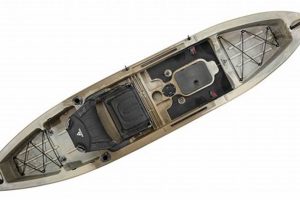
Kayaks used for shark fishing often require specific modifications and accessories to enhance stability, functionality, and angler safety. Rod holders, outriggers, and anchor systems are essential for managing fishing lines and maintaining kayak control during a fight. Specialized seating and footrests provide comfort and stability during long fishing excursions. Adding GPS devices, fish finders, and VHF radios further enhances safety and fishing effectiveness.
The selection and proper use of specialized gear contribute significantly to a successful and ethical shark fishing experience from a kayak. Matching equipment to the target species, employing responsible fishing practices, and prioritizing safety enhance angler preparedness and promote the conservation of these apex predators in the Hawaiian marine ecosystem.
3. Ethical Considerations
Ethical considerations are paramount in kayak fishing for sharks in Hawaii, ensuring the activity’s sustainability and minimizing its impact on the marine ecosystem. Respect for these apex predators, their crucial role in the environment, and the delicate balance of the ocean are central to responsible angling practices. The following facets highlight the ethical dimensions inherent in this pursuit.
- Minimizing Stress and Injury:
Reducing stress and potential injury to sharks during capture and release is a primary ethical concern. Employing appropriate tackle, such as circle hooks, reduces the incidence of deep hooking and internal injuries. Expediting the release process minimizes the shark’s time out of water, reducing physiological stress. Handling sharks with care, avoiding unnecessary contact or rough handling, further minimizes potential harm. These practices prioritize the well-being of the animal and contribute to its survival post-release.
- Catch-and-Release Practices:
Catch-and-release fishing is a cornerstone of ethical shark angling. Releasing captured sharks back into their natural environment maximizes their chances of survival and contributes to maintaining healthy populations. This practice aligns with conservation efforts and promotes the long-term sustainability of shark populations in Hawaiian waters. Selective harvesting for consumption, where legally permitted and within sustainable limits, requires adherence to strict regulations and responsible practices.
- Respect for the Marine Ecosystem:
Ethical angling extends beyond the immediate interaction with the target species. Minimizing disturbance to the surrounding marine ecosystem is crucial. Avoiding chumming, which can disrupt natural feeding patterns and attract unwanted species, demonstrates respect for the ecological balance. Proper disposal of fishing line and other debris prevents entanglement and pollution. Respectful interaction with other marine life encountered during fishing further demonstrates an ethical approach to the activity.
- Promoting Conservation and Education:
Ethical anglers actively contribute to shark conservation efforts. Supporting research initiatives, participating in tagging programs, and advocating for responsible fishing regulations demonstrate a commitment to protecting these vital apex predators. Educating others about shark conservation and ethical angling practices further promotes responsible behavior and fosters a broader understanding of the importance of these animals in the marine ecosystem.
These ethical considerations are integral to the sustainable practice of kayak fishing for sharks in Hawaii. By embracing these principles, anglers contribute to the long-term health of shark populations and the preservation of the delicate balance within the Hawaiian marine environment. This ethical framework ensures the activity remains both thrilling and responsible, fostering a deep respect for these magnificent creatures and their critical role in the ocean’s ecosystem.
4. Legal Regulations

Legal regulations govern kayak fishing for sharks in Hawaii to ensure sustainability and protect the marine ecosystem. These regulations, established by state and federal agencies, address various aspects of the activity, from licensing requirements to species-specific restrictions. Understanding and adhering to these regulations are crucial for responsible angling and contribute to the long-term health of shark populations. Non-compliance can result in penalties, including fines and suspension of fishing privileges.
Specific regulations dictate size limits for harvestable shark species. These limits aim to protect juvenile sharks, allowing them to reach maturity and contribute to the breeding population. Bag limits restrict the number of sharks an angler can retain within a given timeframe, further controlling harvest levels and preventing overfishing. Certain species, particularly those considered vulnerable or endangered, may be subject to stricter regulations, including complete prohibitions on fishing. For example, the possession of oceanic whitetip sharks is prohibited in federal waters. Regulations may also dictate permissible fishing gear and methods, such as prohibiting the use of gill nets, which can indiscriminately capture non-target species and pose a threat to marine mammals and sea turtles.
Adhering to legal regulations demonstrates a commitment to responsible fishing practices and contributes to the long-term sustainability of shark populations in Hawaiian waters. Staying informed about current regulations, obtaining necessary licenses, and understanding species-specific restrictions are essential for ensuring compliance. This awareness promotes the ethical and legal enjoyment of kayak fishing for sharks while contributing to the preservation of Hawaii’s unique marine environment. Consulting official government resources provides access to the most up-to-date and accurate information regarding current fishing regulations.
5. Shark Conservation
Shark conservation is intrinsically linked to the practice of kayak fishing for sharks in Hawaii. Sustainable fishing practices are essential for maintaining healthy shark populations and preserving the delicate balance of the marine ecosystem. Understanding the importance of shark conservation informs responsible angling behavior and contributes to the long-term viability of this activity.
- Population Monitoring:
Monitoring shark populations provides crucial data for assessing their health and informing management strategies. Tagging programs, aerial surveys, and catch-and-release data collection contribute to understanding population trends, migration patterns, and habitat use. This information helps assess the impact of fishing pressure and identify areas requiring protection or specific regulations. Supporting and participating in these initiatives contributes directly to conservation efforts and informs sustainable fishing practices.
- Habitat Preservation:
Protecting critical shark habitats, such as nursery grounds, breeding areas, and feeding zones, is essential for ensuring their long-term survival. These areas provide essential resources for different life stages and contribute to the overall health of the ecosystem. Avoiding fishing in sensitive habitats, minimizing disturbance to the seabed, and supporting marine protected areas are crucial for preserving these vital environments. Responsible kayak fishing respects these habitats, minimizing its impact and contributing to their preservation.
- Responsible Fishing Practices:
Employing responsible fishing practices is paramount for minimizing stress and injury to sharks. Using circle hooks reduces the incidence of deep hooking, facilitating easier release and increasing survival rates. Minimizing fight times, handling sharks with care, and expediting the release process further reduce stress and potential injury. Adhering to catch-and-release principles contributes to maintaining healthy populations and preserving the balance of the marine ecosystem.
- Public Awareness and Education:
Raising public awareness about the importance of shark conservation fosters responsible behavior and builds support for protective measures. Educational initiatives, outreach programs, and responsible media portrayals can dispel misconceptions about sharks and highlight their ecological significance. Engaging in respectful discussions about shark conservation, sharing accurate information, and promoting responsible angling practices contribute to fostering a culture of conservation and ensuring the long-term survival of these vital apex predators.
These facets of shark conservation are integral to the sustainability of kayak fishing for sharks in Hawaii. By integrating these principles into angling practices, kayak fishers contribute to the long-term health of shark populations and the preservation of the marine environment. This approach ensures the activity remains both thrilling and responsible, fostering a deep appreciation for these magnificent creatures and their essential role in the ocean’s ecosystem. The continued viability of kayak fishing for sharks depends on the active participation of anglers in conservation efforts, ensuring the preservation of these apex predators for future generations.
Frequently Asked Questions
This section addresses common inquiries regarding kayak fishing for sharks in Hawaii, providing factual information and clarifying potential misconceptions.
Question 1: How dangerous is kayak fishing for sharks?
While inherently adventurous, the activity can be safe with proper precautions. Adhering to safety guidelines, using appropriate equipment, and understanding shark behavior significantly mitigates risks. Ocean conditions, weather patterns, and individual angler experience also contribute to the overall safety profile.
Question 2: What type of kayak is best suited for shark fishing?
Stable, sit-on-top kayaks designed for ocean fishing are recommended. Consider factors like length, width, and weight capacity when selecting a suitable vessel. Modifications such as rod holders, outriggers, and anchor systems enhance functionality and safety.
Question 3: Is specialized fishing gear necessary?
Specialized gear designed for large game fish is essential. Heavy-duty rods, reels, and high-strength fishing line are crucial for handling powerful sharks. Circle hooks are recommended for minimizing injury to the animals and facilitating release.
Question 4: Are there specific regulations for shark fishing in Hawaii?
Stringent regulations govern shark fishing, including licensing requirements, size and bag limits, and species-specific restrictions. Consulting official government resources ensures awareness of current regulations and promotes legal compliance.
Question 5: What conservation efforts are in place for sharks in Hawaii?
Various conservation initiatives focus on population monitoring, habitat preservation, and promoting responsible fishing practices. Supporting research programs, tagging efforts, and adhering to catch-and-release guidelines contribute to these vital conservation measures.
Question 6: What should anglers do if they encounter a shark while kayak fishing?
Remaining calm and avoiding sudden movements are crucial. Refrain from making aggressive actions or attempting to touch the animal. If a shark exhibits aggressive behavior, gently paddling away while maintaining visual contact is advised. Reporting any encounters to local authorities provides valuable data for monitoring shark activity.
Understanding these aspects contributes to a safer, more responsible, and ultimately more rewarding experience. Thorough preparation, adherence to regulations, and respect for these magnificent creatures are essential for enjoying the unique challenge of kayak fishing for sharks in Hawaii.
Beyond these frequently asked questions, exploring further resources provides a comprehensive understanding of best practices, safety protocols, and conservation efforts, ensuring a sustainable and rewarding experience.
Kayak Fishing Shark Hawaii
This exploration of kayak fishing for sharks in Hawaii has highlighted the multifaceted nature of this demanding pursuit. From the specialized gear required to the ethical considerations and legal regulations governing the activity, the discussion underscores the importance of a responsible and informed approach. Ocean safety, proper equipment selection, and adherence to best practices are crucial for mitigating inherent risks and ensuring angler well-being. Furthermore, the examination of shark conservation initiatives emphasizes the interconnectedness between sustainable fishing practices and the long-term health of these apex predators and the marine ecosystem they inhabit. Understanding shark behavior, respecting their crucial role in the environment, and contributing to conservation efforts are integral components of an ethical and sustainable approach to this unique sport.
The future of kayak fishing for sharks in Hawaii hinges on the continued commitment to responsible angling practices and the prioritization of shark conservation. Through ongoing education, informed decision-making, and active participation in conservation initiatives, anglers can contribute to the preservation of these magnificent creatures and ensure the sustainability of this thrilling pursuit for generations to come. The challenge lies in balancing the thrill of the sport with the responsibility of preserving the delicate balance of the Hawaiian marine ecosystem. Embracing this challenge safeguards not only the future of shark populations but also the long-term viability of kayak fishing for sharks in these unique and vibrant waters.