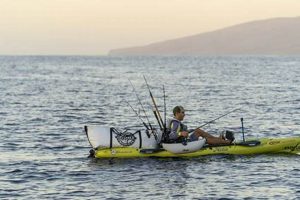
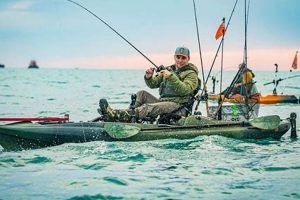
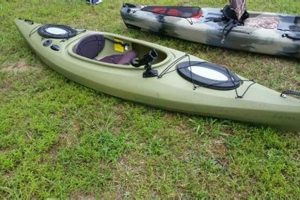
This activity involves angling from a small, human-powered watercraft in the waters surrounding Monterey, California. It offers a unique blend of recreation, sport, and connection with nature. Anglers launch from various points along the coast, seeking species such as rockfish, halibut, and lingcod. The maneuverability of kayaks allows access to nearshore environments often inaccessible to larger vessels.
The accessibility and relatively low cost of entry make this a popular pastime for both residents and visitors. The Monterey Bay’s diverse ecosystem supports a wealth of marine life, creating rich fishing opportunities. Historically, indigenous peoples of the region utilized small boats for fishing and transportation, demonstrating a long-standing relationship between humans and the bay. Modern practitioners can appreciate the same connection with the ocean while enjoying the challenge and reward of sport fishing.
Further exploration will cover key aspects of this activity, including suitable kayak selection, essential equipment, recommended launch sites, target species identification, local regulations, and safety considerations for navigating the Monterey Bay’s dynamic waters.
Tips for Successful Outings
Preparation and awareness are crucial for a safe and productive experience. The following tips offer guidance for anglers of all skill levels.
Tip 1: Check Weather and Sea Conditions: Prior to launching, consult marine forecasts for wind speed, wave height, and swell direction. Monterey Bay conditions can change rapidly, so real-time updates are essential. Postponing trips during unfavorable conditions prioritizes angler safety.
Tip 2: Choose Appropriate Gear: Select a kayak designed for stability and suitable for the intended fishing style. Essential equipment includes a personal flotation device (PFD), paddle leash, appropriate fishing rods and reels, and tackle suited to target species.
Tip 3: Obtain Necessary Licenses and Permits: Ensure compliance with California fishing regulations by obtaining the required fishing license and any necessary permits for specific species or areas. Regulations can be found on the California Department of Fish and Wildlife website.
Tip 4: Plan Launch and Landing Locations: Research suitable launch sites considering tides, currents, and potential hazards. Inform someone of the planned launch and return times, including specific locations.
Tip 5: Practice Kayak Handling Skills: Develop proficiency in paddling, maneuvering, and self-rescue techniques in calm waters before venturing into open areas like Monterey Bay. Consider taking a kayaking safety course.
Tip 6: Respect Wildlife and the Environment: Practice catch-and-release whenever possible, handling fish gently. Adhere to all regulations regarding size and bag limits. Dispose of fishing line and other waste responsibly.
Tip 7: Be Aware of Other Vessels: Maintain awareness of boat traffic, including larger vessels and other kayakers. Carry a whistle or other signaling device to alert other boaters of your presence.
By following these guidelines, anglers can maximize their chances of a rewarding and safe experience while contributing to the preservation of the Monterey Bay ecosystem.
These tips provide a foundation for successful outings, paving the way for enjoyable and productive fishing experiences in Monterey Bay.
1. Kayak Selection

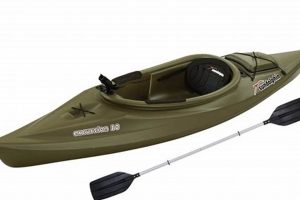
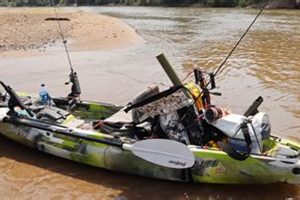
Appropriate kayak selection significantly impacts the success and safety of kayak fishing in Monterey. The dynamic conditions of Monterey Bay, characterized by varying swells, currents, and wind patterns, necessitate careful consideration of kayak design and features. Choosing a stable and seaworthy vessel is paramount. Longer kayaks (12-14 feet) generally offer better tracking and glide, crucial for navigating open water and covering distances efficiently. Wider kayaks provide enhanced stability, essential for casting and reeling in fish while minimizing the risk of capsizing. Sit-on-top kayaks are favored for their self-bailing capabilities and ease of re-entry in the event of a capsize, a critical safety consideration in the sometimes challenging conditions of the bay. Specialized fishing kayaks often incorporate features like rod holders, tackle storage, and anchor trolleys, enhancing angler efficiency and organization.
For example, a shorter, recreational kayak may prove unstable and difficult to manage in the open waters of Monterey Bay, especially in windy conditions. This instability can hinder fishing effectiveness and compromise safety. Conversely, a longer, more stable sit-on-top fishing kayak with appropriate features allows anglers to navigate swells and currents comfortably, focus on fishing, and respond effectively to changing conditions. The ability to remain stable and maneuver efficiently contributes significantly to a successful and safe fishing experience.
Careful consideration of kayak characteristics is essential for optimizing performance and safety in Monterey Bay. Choosing a kayak tailored to the specific demands of this environment stability in variable conditions, adequate storage for gear, and efficient tracking contributes directly to a positive and productive fishing experience. A well-chosen kayak empowers anglers to safely access prime fishing locations and focus on the pursuit of target species, ultimately enhancing the enjoyment and success of kayak fishing in Monterey.
2. Safety Equipment

Safety equipment is paramount for kayak fishing in Monterey due to the dynamic and sometimes unpredictable conditions of Monterey Bay. Cold water temperatures, variable currents, and changing weather patterns necessitate a comprehensive approach to safety. A properly fitted personal flotation device (PFD) is non-negotiable; it provides essential buoyancy in the event of capsize or accidental immersion. A whistle or air horn enables signaling for assistance in emergencies. A waterproof VHF radio allows direct communication with the Coast Guard and other vessels, crucial for relaying critical information in distress situations. Navigation lights are essential for visibility, especially during low-light conditions or fog, which can occur frequently in the bay. Carrying a first-aid kit equipped to address common injuries, such as cuts, abrasions, and stings, is also vital. A bilge pump or bailer aids in removing water from the kayak, maintaining stability and preventing swamping.
Consider a scenario where an angler encounters unexpected rough seas or experiences equipment failure leading to capsize. Without a PFD, the risk of drowning increases dramatically, particularly in cold water, which can quickly lead to hypothermia. A VHF radio becomes invaluable in such situations, allowing immediate communication with rescue services. Furthermore, navigation lights enhance visibility to other vessels, reducing the risk of collision, especially during periods of reduced visibility. The absence of essential safety equipment can transform a manageable incident into a life-threatening emergency. Practical application of these safety measures significantly mitigates risks and contributes to a more secure environment for anglers.
In summary, prioritizing safety equipment is fundamental to responsible kayak fishing in Monterey. Equipping oneself with appropriate safety gear is not merely a precaution; it is a critical investment in personal well-being and survival. Understanding the potential hazards of the Monterey Bay environment and carrying the appropriate equipment to mitigate those hazards allows anglers to enjoy their fishing experience while significantly reducing the risks inherent in this activity. This proactive approach to safety fosters a culture of responsibility and enhances the overall sustainability of kayak fishing in Monterey.
3. Launch Locations

Launch locations play a crucial role in kayak fishing success and safety within Monterey Bay. The diverse coastline offers a variety of launch sites, each with unique characteristics regarding accessibility, prevailing conditions, and proximity to desirable fishing grounds. Selecting an appropriate launch location involves careful consideration of factors such as tides, currents, swell direction, and wind patterns. A poorly chosen launch site can expose anglers to unnecessary risks, including strong currents, challenging surf landings, and limited access to preferred fishing areas.
For instance, launching from a protected cove during periods of high swell offers a safer entry and exit compared to launching directly from an exposed beach. Similarly, understanding tidal flows can significantly impact access to shallow-water fishing grounds or navigating channels within the bay. Fishermen targeting specific species, like rockfish near reefs, must choose launch locations providing efficient access to these habitats. Launching from Monterey Harbor, for example, provides convenient access to deeper waters suitable for halibut fishing, while launching from Lovers Point offers proximity to kelp forests favored by rockfish. Conversely, attempting to launch from a location exposed to strong northwest swells during periods of high wind can create hazardous conditions, even for experienced kayakers.
Effective launch site selection directly influences fishing outcomes and angler safety. Analyzing local conditions, considering target species habitats, and understanding the nuances of each launch location are essential for a successful and safe kayak fishing experience in Monterey. Prioritizing informed decision-making regarding launch locations contributes to a more efficient, productive, and ultimately, more enjoyable experience on the water.
4. Target Species

Target species significantly influence equipment choices, fishing techniques, and location selection within the context of kayak fishing in Monterey. The diverse marine ecosystem of Monterey Bay supports a variety of fish species, each exhibiting unique behaviors and habitat preferences. Understanding these characteristics is crucial for anglers seeking to maximize their chances of success. For example, rockfish, a popular target species, often inhabit rocky reefs and kelp forests. Anglers pursuing rockfish typically employ bottom fishing techniques using heavier tackle and bait, focusing their efforts near structures where these fish congregate. Conversely, halibut, another sought-after species, prefer sandy bottom areas. Anglers targeting halibut often use lighter tackle and lures, drifting across sandy flats or employing slow trolling techniques. Matching fishing techniques and equipment to the specific target species significantly increases the likelihood of a successful catch.
The choice of target species also dictates location selection. Anglers seeking rockfish will gravitate towards rocky reefs and kelp beds accessible from launch points such as Lovers Point or Point Pinos. Those targeting halibut might choose launch locations providing access to sandy flats, like those found near Del Monte Beach or Monterey Harbor. Furthermore, the seasonal presence of certain species, like salmon during their migratory runs, influences both timing and location strategies for kayak anglers. Understanding these nuances allows anglers to optimize their efforts and increase their chances of encountering desired species.
In conclusion, a comprehensive understanding of target species’ behavior, habitat preferences, and seasonal availability is essential for successful kayak fishing in Monterey. This knowledge directly informs equipment selection, fishing techniques, and launch location choices, contributing significantly to a more productive and rewarding angling experience. Effectively targeting specific species requires an understanding of the interconnectedness between species behavior and the dynamic environment of Monterey Bay, allowing anglers to adapt their approach and maximize their chances of success while minimizing environmental impact.
5. Fishing Techniques
Effective fishing techniques are essential for a successful kayak fishing experience in Monterey Bay. The unique characteristics of kayak fishing, such as limited space and maneuverability considerations, influence the choice and application of specific techniques. Adapting traditional fishing methods to the kayak platform requires specialized skills and an understanding of how the kayak interacts with the surrounding environment. These techniques maximize catch potential while ensuring angler safety and minimizing environmental impact.
- Trolling
Trolling involves dragging lures or baited lines behind a moving kayak. This technique effectively covers a wide area, increasing the chance of encountering fish. In Monterey Bay, trolling is often employed for species like salmon and halibut. Anglers adjust trolling speed and depth to target specific species and utilize specialized equipment, such as downriggers, to control lure presentation. Trolling from a kayak requires careful attention to boat control and navigation, especially in areas with currents or other boat traffic.
- Drift Fishing
Drift fishing involves allowing the kayak to drift naturally with the current or wind while presenting bait or lures near the bottom. This technique is effective for groundfish like rockfish and lingcod, which often inhabit rocky reefs and kelp forests. Anglers use heavier tackle and weights to keep their offerings near the bottom and employ specialized rigs to minimize snags. Drift fishing from a kayak necessitates careful monitoring of position and awareness of potential hazards, such as changing currents or drifting into restricted areas.
- Casting and Retrieving
Casting and retrieving involves repeatedly casting lures or bait towards likely holding areas and retrieving them with varied motions to attract fish. This versatile technique is applicable to various species, including rockfish, cabezon, and kelp greenling. Anglers adapt their retrieve speed and lure action based on the target species and prevailing conditions. Casting from a kayak requires maintaining balance and stability, particularly when fighting larger fish or casting in challenging conditions.
- Jigging
Jigging involves vertically dropping and retrieving a weighted lure, often a metal jig, to attract fish. This technique is particularly effective for species like rockfish and lingcod, which are attracted to the flashing and darting motion of the jig. Anglers vary the jigging action and retrieve speed to entice strikes. Jigging from a kayak demands precise boat control to maintain position over the target area, especially in areas with current or wind drift.
These techniques, adapted for the kayak fishing environment, enhance the angling experience in Monterey Bay. Selecting the appropriate technique based on target species, location, and prevailing conditions maximizes the chances of a successful catch while ensuring angler safety and promoting responsible fishing practices. Mastering these techniques allows anglers to fully utilize the advantages of kayak fishing, accessing areas inaccessible to larger vessels and experiencing a closer connection with the marine environment.
6. Local Regulations
Adherence to local regulations is essential for the sustainability of kayak fishing in Monterey. These regulations, established by the California Department of Fish and Wildlife (CDFW), govern aspects such as licensing requirements, size and bag limits for specific species, permitted fishing methods, and seasonal closures. These rules aim to protect fish populations, maintain ecosystem balance, and ensure fair access to resources for all anglers. Ignoring these regulations can lead to fines, confiscation of equipment, and suspension of fishing privileges. More importantly, non-compliance undermines conservation efforts and jeopardizes the long-term health of the Monterey Bay marine environment. For instance, exceeding bag limits on rockfish, a popular target species in Monterey, can negatively impact local populations and disrupt the delicate balance of the nearshore ecosystem.
Understanding and complying with specific regulations related to kayak fishing, such as the requirement for a valid California fishing license and adherence to species-specific size and bag limits, is crucial for responsible angling. For example, regulations may stipulate a minimum size limit for rockfish to allow juveniles to mature and reproduce, ensuring the long-term health of the population. Additionally, certain areas may be designated as Marine Protected Areas (MPAs) with specific restrictions or closures to safeguard sensitive habitats and promote biodiversity. Awareness of these regulations, available on the CDFW website and through local bait and tackle shops, allows anglers to plan their trips accordingly and contribute to the preservation of Monterey Bay’s valuable resources. Utilizing resources such as the CDFW’s Fish Identification Guide can also help anglers distinguish between similar species and ensure compliance with size and bag limits.
Responsible kayak fishing in Monterey necessitates a thorough understanding and consistent application of local regulations. Compliance safeguards fish populations, protects sensitive habitats, and contributes to the overall health and sustainability of the Monterey Bay ecosystem. This commitment to responsible fishing practices ensures the continued enjoyment of this recreational activity for future generations. Failure to comply not only jeopardizes the marine environment but also undermines the integrity of the sport and the privileges afforded to anglers.
7. Environmental Awareness

Environmental awareness is integral to responsible kayak fishing in Monterey. The close interaction with the marine environment inherent in this activity necessitates a mindful approach to minimize impact and preserve the delicate ecosystem. Kayak anglers often access shallow, nearshore habitats, including kelp forests, eelgrass beds, and rocky reefs, which are particularly vulnerable to human disturbance. Discarded fishing line, for example, poses a significant entanglement risk to marine life, including seabirds, marine mammals, and fish. Improperly disposed of plastic lures and tackle can contribute to marine debris, impacting water quality and potentially harming marine organisms through ingestion or entanglement. Furthermore, disturbing sensitive habitats, such as nesting areas for shorebirds or resting areas for harbor seals, can disrupt breeding patterns and overall ecosystem health. The physical presence of kayaks in these areas requires careful navigation and consideration of wildlife to minimize disturbance.
Practical applications of environmental awareness in kayak fishing include adhering to “Leave No Trace” principles. Retrieving lost tackle, properly disposing of all waste, and avoiding contact with sensitive habitats demonstrate a commitment to minimizing environmental impact. Using biodegradable fishing line and lead-free tackle further reduces potential harm to marine life and water quality. Respecting wildlife by observing from a distance and refraining from disturbing feeding or breeding areas contributes to the long-term health of the ecosystem. Supporting local conservation initiatives, participating in beach cleanups, and advocating for responsible fishing practices further demonstrate environmental stewardship. For instance, participating in organized efforts to remove derelict fishing gear from the bay directly contributes to a healthier marine environment. Choosing to fish with barbless hooks also minimizes injury to fish, increasing the likelihood of successful catch and release practices.
Sustainable kayak fishing in Monterey depends on a deep understanding of and respect for the marine environment. Environmental awareness is not merely a supplementary consideration; it is a fundamental element of responsible angling. By actively minimizing their impact, kayak anglers contribute to the preservation of Monterey Bays rich biodiversity, ensuring the continued health and enjoyment of this valuable ecosystem for future generations. The cumulative impact of individual actions underscores the importance of promoting environmental awareness within the kayak fishing community, fostering a collective responsibility for safeguarding the health of Monterey Bay.
Frequently Asked Questions
This section addresses common inquiries regarding kayak fishing in Monterey Bay, providing concise and informative responses to assist anglers in planning safe and productive outings.
Question 1: What are the typical weather conditions in Monterey Bay?
Monterey Bay experiences variable weather conditions throughout the year. Summers are generally mild and foggy, while winters can be cool and rainy. Wind conditions can change rapidly, and swells can vary significantly depending on the time of year and prevailing weather patterns. Checking marine forecasts before each trip is essential.
Question 2: What essential safety equipment is recommended for kayak fishing in Monterey?
Essential safety equipment includes a properly fitted personal flotation device (PFD), a whistle or air horn, a waterproof VHF radio, navigation lights, a first-aid kit, and a bilge pump or bailer. A paddle leash and a reliable anchor are also recommended. Cold water gear is advisable, especially during colder months.
Question 3: Where can suitable kayak launch sites be found in Monterey?
Suitable launch sites in Monterey include Monterey Harbor, Lovers Point, and various beaches along the coastline. The optimal launch location depends on the target species, prevailing conditions, and angler experience. Researching launch sites beforehand and considering factors like tides, currents, and accessibility is crucial.
Question 4: What fish species are commonly targeted by kayak anglers in Monterey Bay?
Commonly targeted species include rockfish, lingcod, halibut, cabezon, kelp greenling, and salmon (during their respective seasons). The specific regulations regarding size and bag limits for each species should be consulted before fishing.
Question 5: Are there any specific regulations or restrictions related to kayak fishing in Monterey?
A valid California fishing license is required for kayak fishing in Monterey. Specific regulations apply to size and bag limits for different species, permitted fishing methods, and seasonal closures. Consulting the California Department of Fish and Wildlife (CDFW) regulations before fishing is essential.
Question 6: What environmental considerations are important for kayak anglers in Monterey Bay?
Minimizing environmental impact is crucial. Anglers should adhere to Leave No Trace principles, retrieve lost tackle, properly dispose of all waste, and avoid disturbing sensitive habitats. Using biodegradable fishing line and lead-free tackle is recommended. Respecting wildlife by observing from a distance is essential.
Careful planning and responsible practices enhance both the enjoyment and sustainability of kayak fishing in Monterey Bay. Prioritizing safety and environmental awareness ensures a positive experience for anglers while preserving the marine environment for future generations.
For further detailed information and resources, continue reading the following sections.
Kayak Fishing Monterey
This exploration of kayak fishing in Monterey has highlighted key elements for successful and sustainable engagement in this activity. From equipment selection and safety considerations to launch site choices and fishing techniques, careful planning and preparation are essential for maximizing both enjoyment and safety. Understanding local regulations and embracing environmental awareness are not merely optional components but fundamental responsibilities for preserving the health and vitality of the Monterey Bay marine ecosystem. The diverse range of target species, coupled with the dynamic conditions of the bay, presents unique challenges and rewards for anglers.
Kayak fishing in Monterey offers a unique opportunity to connect with the marine environment while pursuing a challenging and rewarding recreational activity. Continued emphasis on responsible practices, adherence to regulations, and respect for the delicate balance of the ecosystem will ensure the long-term viability of this pursuit. By prioritizing safety, environmental stewardship, and informed decision-making, anglers can contribute to the preservation of this valuable resource, ensuring its enjoyment for generations to come. The future of kayak fishing in Monterey rests upon the collective commitment of anglers to these principles.