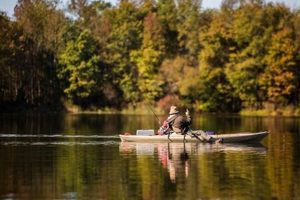
This activity involves angling from a small, human-powered watercraft along the dramatic central California coastline. The rugged cliffs, hidden coves, and kelp forests of this region offer a unique and challenging environment for anglers seeking a variety of fish species.
The combination of accessible launch points and abundant marine life makes this area a desirable destination. From rockfish and lingcod near the rocky reefs to halibut in the sandy shallows, the diverse ecosystem supports a thriving sport fishery. Historically, native peoples utilized small boats for fishing in these waters, demonstrating the enduring appeal of this close-to-nature approach.
The following sections will explore specific techniques, safety considerations, recommended equipment, and conservation practices relevant to this rewarding pursuit. Further discussion will cover the local regulations and licensing requirements, as well as the potential impact of weather and ocean conditions.
Tips for Kayak Fishing in Big Sur
Preparation and awareness are crucial for a safe and successful experience. The following tips offer guidance for anglers venturing into these waters.
Tip 1: Check Weather and Ocean Conditions: Consult marine forecasts before departure and throughout the day. Strong winds, swell, and fog can create hazardous situations quickly.
Tip 2: File a Float Plan: Inform someone on shore of the intended launch and return times, as well as the planned fishing area.
Tip 3: Wear a Personal Flotation Device: A properly fitted life jacket is essential safety equipment and should be worn at all times while on the water.
Tip 4: Carry Essential Safety Gear: A VHF radio, signaling devices, a first-aid kit, and a bilge pump are recommended for all trips.
Tip 5: Understand Local Regulations: Familiarize oneself with licensing requirements, size and bag limits, and any area closures before fishing.
Tip 6: Respect Wildlife and the Environment: Practice catch-and-release whenever possible. Avoid disturbing marine mammals and birds, and pack out all trash.
Tip 7: Be Aware of Kayak Fishing Specific Techniques: Techniques such as anchoring and drifting require specialized knowledge for safe and effective fishing in this environment.
Tip 8: Learn Basic Kayak Handling Skills: Practice entering and exiting the kayak, paddling techniques, and recovery from capsizing in calm water before venturing into more challenging conditions.
Adherence to these guidelines enhances both safety and enjoyment on the water. Careful planning and informed decision-making contribute significantly to a positive experience.
By following these tips and conducting thorough research, anglers can maximize their chances of a memorable and productive outing.
1. Ocean Conditions
Ocean conditions exert a significant influence on kayak fishing along the Big Sur coast. Swell height, wave period, and wind speed directly impact launch feasibility and safety on the water. Large swells and short wave periods create turbulent conditions, making launching difficult and paddling hazardous, particularly for less experienced kayakers. Strong winds, especially combined with an outgoing tide, can swiftly carry a kayak offshore, necessitating careful planning and continuous awareness.
Currents also play a crucial role. The California Current, a cold-water current flowing south along the coast, can interact with local topography to create upwelling zones. These areas of nutrient-rich water attract baitfish and, subsequently, the larger game fish targeted by anglers. Understanding current patterns enables strategic positioning for improved fishing success. Furthermore, tidal currents around headlands and within coves can create strong rips and eddies, requiring careful navigation and impacting fishing techniques.
Successful kayak fishing in Big Sur hinges on accurate assessment and constant monitoring of ocean conditions. Consulting reliable marine forecasts, including swell, wind, and tide predictions, is essential before embarking on any trip. On-the-water observation and prudent decision-making, such as altering fishing locations or returning to shore early, remain paramount for a safe and productive experience.
2. Safety Equipment

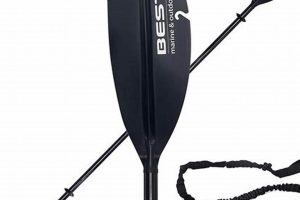
Safety equipment plays a critical role in mitigating the inherent risks of kayak fishing along the Big Sur coastline. The remote nature of many launch points, coupled with variable ocean conditions, necessitates a comprehensive approach to safety. Essential equipment includes a properly fitted personal flotation device (PFD), a VHF marine radio, visual and auditory signaling devices, a first-aid kit, and a bilge pump. A reliable paddle leash prevents loss of the primary means of propulsion in the event of a capsize. Navigation tools, such as a chart, compass, and GPS device, are vital for orientation, particularly in fog or changing light conditions.
Carrying necessary safety equipment is not merely a precaution; it is a fundamental requirement for responsible kayak fishing in this environment. For instance, a VHF radio facilitates communication with the Coast Guard or other boaters in case of an emergency, while a signaling device, such as a flare or whistle, can attract attention if assistance is needed. A first-aid kit allows for immediate treatment of minor injuries, and a bilge pump enables removal of water from the kayak in the event of swamping or capsizing. Knowledge of how to properly use this equipment is equally crucial. Regular practice drills, particularly for self-rescue techniques and radio operation, enhance preparedness and response effectiveness in challenging situations.
The unpredictable nature of the Big Sur coastline underscores the practical significance of comprehensive safety preparation. While inherent risks exist in all watersports, the remote locations and dynamic conditions amplify the potential consequences of unforeseen events. Thorough planning and meticulous attention to safety protocols maximize the probability of a positive and incident-free experience. Prioritizing safety fosters confidence and allows anglers to fully appreciate the unique challenges and rewards of kayak fishing in this dramatic setting.
3. Fishing Techniques

Effective fishing techniques in the Big Sur coastal environment require adaptation to the specific challenges and opportunities presented by kayak angling. The dynamic nature of the ocean, combined with the diverse habitats and target species, necessitates specialized approaches. Understanding these techniques is crucial for maximizing fishing success while maintaining safety and minimizing environmental impact.
- Drift Fishing:
Drift fishing involves allowing the kayak to move naturally with the current or wind while presenting bait or lures. This technique is particularly effective for covering large areas and targeting species like rockfish and lingcod that inhabit rocky reefs and kelp forests. Controlling drift speed and direction through the use of a drift sock or sea anchor enhances presentation and allows for thorough coverage of productive zones. Proper positioning relative to structure and current lines maximizes opportunities for encountering fish.
- Trolling:
Trolling utilizes the kayak’s movement to pull lures or bait through the water. This active technique is effective for targeting pelagic species such as salmon and albacore that roam open water. Varying trolling speed and depth, as well as employing different lure types, allows anglers to target specific species and adapt to changing conditions. Careful attention to rod and line management prevents tangles and maximizes hook-up ratios.
- Bottom Fishing:
Bottom fishing focuses on presenting bait or lures directly on or near the seafloor. This technique is effective for targeting groundfish species like halibut and cabezon that inhabit sandy bottoms and rocky reefs. Accurate depth control and knowledge of bottom structure are crucial for successful bottom fishing. Employing appropriate weights and tackle ensures that offerings remain in the target zone and maximizes hook-setting potential.
- Jigging:
Jigging involves vertically presenting lures, often metal jigs, to attract and entice fish. This active technique is effective for targeting a variety of species, including rockfish, lingcod, and yellowtail. Varying jigging cadence and retrieval speed, as well as employing different jig weights and colors, allows anglers to adapt to varying depths and target specific fish behavior patterns.
These specialized techniques, adapted to the unique conditions of kayak fishing in Big Sur, contribute significantly to a productive and rewarding experience. Combining these methods with knowledge of local species behavior, habitat preferences, and prevailing ocean conditions enhances angling success while minimizing environmental impact. Furthermore, proficiency in kayak handling and safety procedures allows anglers to confidently employ these techniques in the dynamic coastal environment.
4. Kayak Selection
Appropriate kayak selection is paramount for a safe and successful fishing experience in Big Sur. The chosen vessel must be capable of handling the often challenging ocean conditions while providing stability and functionality for angling. Factors such as length, width, hull design, and storage capacity influence maneuverability, stability, and overall suitability for this specific environment. Selecting the right kayak contributes significantly to both safety and fishing effectiveness.
- Stability
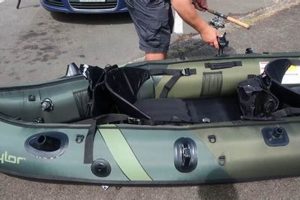
Stability is a primary concern, particularly in the potentially turbulent waters of Big Sur. Wider kayaks generally offer greater initial stability, reducing the likelihood of capsizing, especially for less experienced paddlers. However, increased width can compromise maneuverability and tracking in windy conditions. A kayak with a stable hull design, such as a pontoon or catamaran hull, can provide enhanced stability while maintaining reasonable maneuverability.
- Maneuverability
Maneuverability is essential for navigating complex shorelines, kelp forests, and changing ocean conditions. Shorter kayaks generally turn more easily, enabling quick adjustments in direction to avoid obstacles or follow fish. Longer kayaks, while offering better tracking in open water, can be more challenging to maneuver in tight spaces or rough seas. A kayak with a rudder or skeg can enhance tracking and directional control, particularly in windy conditions.
- Storage Capacity
Sufficient storage capacity is essential for carrying fishing gear, safety equipment, and personal belongings. Dedicated storage compartments for rods, tackle boxes, and other fishing essentials enhance organization and accessibility. Dry storage compartments protect sensitive items from water damage. Adequate storage also allows for carrying essential safety gear, such as a VHF radio, first-aid kit, and signaling devices. The amount of storage needed depends on the length of the fishing trip and the angler’s individual requirements.
- Hull Design
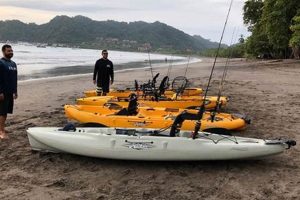
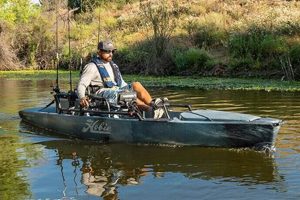
Hull design significantly influences a kayak’s performance in various water conditions. Sit-on-top kayaks offer inherent buoyancy and self-bailing capabilities, making them suitable for rougher seas or potential capsizes. Sit-inside kayaks provide greater protection from the elements and offer a drier ride but require more advanced recovery techniques in the event of a capsize. Specialized fishing kayaks often feature design elements such as rod holders, anchor trolleys, and transducer mounts that enhance angling functionality.
Careful consideration of these factors in relation to the specific conditions of Big Sur ensures a suitable kayak choice. Balancing stability with maneuverability, while providing adequate storage, creates a platform for a safe, comfortable, and productive fishing experience. The appropriate kayak contributes significantly to the overall enjoyment and success of angling in this challenging yet rewarding environment.
5. Local Regulations
Adherence to local regulations is essential for responsible kayak fishing within the Big Sur region. These regulations, established by the California Department of Fish and Wildlife (CDFW), aim to ensure sustainable fisheries and protect the diverse marine ecosystem. Specific regulations govern catch limits, size restrictions, permitted fishing methods, and seasonal closures. For instance, rockfish, a common target species, have specific size and bag limits that vary by species and location. Understanding these nuances is crucial for compliance and contributes to the long-term health of the fishery. Ignorance of these regulations is not a valid defense against penalties, which can include fines and forfeiture of equipment.
Licensing requirements also apply to kayak anglers. A valid California sport fishing license is mandatory for anyone 16 years of age or older. Additional endorsements, such as the ocean enhancement stamp, may be required depending on the target species and fishing location. These licensing fees support conservation efforts and contribute to the management of California’s fisheries. Information regarding current regulations, licensing requirements, and area closures is available on the CDFW website and at local license vendors. Consulting these resources prior to embarking on a fishing trip ensures compliance and avoids potential legal issues.
Respecting these regulations contributes to the preservation of Big Sur’s unique marine environment for future generations. Compliance not only avoids legal consequences but also fosters a culture of responsible angling. Understanding and adhering to local regulations reflects a commitment to sustainable fishing practices and a respect for the delicate balance of the coastal ecosystem. This responsible approach ensures the continued enjoyment of kayak fishing opportunities in this remarkable region.
6. Environmental Awareness
Environmental awareness is integral to responsible kayak fishing in Big Sur. The region’s sensitive coastal ecosystem, characterized by diverse marine life and fragile habitats, requires careful consideration from anglers. Minimizing impact and promoting conservation ensures the long-term health of this environment and the sustainability of its fisheries. Practical applications of environmental awareness include proper waste disposal, minimizing disturbance to wildlife, and adhering to catch-and-release practices whenever possible. For example, discarded fishing line poses a significant entanglement hazard to marine animals; responsible anglers retrieve any stray line, whether their own or discarded by others. Similarly, approaching marine mammals and nesting seabirds with caution minimizes disruption to their natural behaviors.
The unique kelp forests of Big Sur provide essential habitat for numerous fish species. Kayak anglers must navigate these areas cautiously, avoiding entanglement and minimizing damage to the kelp. Propeller strikes from motorized vessels can inflict significant damage to these fragile ecosystems. Kayaks, being human-powered, offer a less intrusive method of navigating these sensitive habitats. Moreover, understanding the interconnectedness of the marine food web informs responsible fishing practices. Targeting specific species within established size and bag limits helps maintain a balanced ecosystem. Avoiding overfishing and adhering to regulations contribute to the long-term health and resilience of the fish populations.
Promoting environmental awareness among kayak anglers safeguards Big Sur’s exceptional coastal resources. Responsible practices minimize human impact, preserving the natural beauty and ecological integrity of the region. This commitment to sustainability ensures continued access to this unique fishing environment for future generations. Educating oneself about the local ecosystem, understanding the potential impacts of fishing activities, and adopting environmentally conscious practices strengthen the connection between recreational enjoyment and environmental stewardship. The future of kayak fishing in Big Sur depends on this delicate balance.
Frequently Asked Questions
This section addresses common inquiries regarding kayak fishing in Big Sur, providing concise and informative responses to facilitate informed decision-making and enhance safety.
Question 1: What are the typical ocean conditions encountered?
Ocean conditions vary significantly throughout the year. Swells, wind, and fog are common occurrences. Consulting marine forecasts before each trip is essential.
Question 2: What essential safety gear is recommended?
Essential safety equipment includes a personal flotation device (PFD), a VHF marine radio, signaling devices, a first-aid kit, and a bilge pump. Navigation tools such as charts, compasses, and GPS devices are also highly recommended.
Question 3: What fishing techniques are most effective?
Effective techniques include drift fishing, trolling, bottom fishing, and jigging, each tailored to specific species and locations. Adapting techniques to the prevailing conditions often yields the best results.
Question 4: What type of kayak is best suited for these waters?
Kayak selection depends on individual experience and intended fishing style. Stability, maneuverability, and storage capacity should be carefully considered. Specialized fishing kayaks offer features beneficial to anglers.
Question 5: What local regulations must be observed?
Regulations dictate licensing requirements, catch limits, size restrictions, and permitted fishing methods. Consulting the California Department of Fish and Wildlife (CDFW) website ensures compliance with current regulations.
Question 6: How can one minimize environmental impact?
Minimizing environmental impact involves responsible waste disposal, avoiding disturbance to wildlife, and practicing catch-and-release whenever possible. Respecting kelp forests and other sensitive habitats is crucial.
Careful consideration of these factors contributes significantly to a safer and more rewarding experience. Thorough planning and responsible practices enhance enjoyment while preserving this unique environment.
For further information and specific recommendations, consult local resources and experienced kayak anglers familiar with the area.
Kayak Fishing Big Sur
This exploration of kayak fishing along the Big Sur coastline has highlighted the unique combination of challenges and rewards inherent in this pursuit. From understanding the dynamic ocean conditions and employing appropriate fishing techniques to selecting suitable equipment and adhering to local regulations, careful preparation and informed decision-making are crucial for a safe and successful experience. The discussion emphasized the importance of environmental awareness and responsible angling practices, recognizing the delicate balance of this coastal ecosystem. Key considerations include minimizing disturbance to wildlife, adhering to catch-and-release guidelines, and respecting sensitive habitats such as kelp forests.
The dramatic beauty and abundant marine life of the Big Sur coast offer exceptional opportunities for kayak anglers. However, the inherent risks associated with this activity necessitate a commitment to safety, conservation, and responsible use of these natural resources. Continued enjoyment of this unique pursuit depends on the collective stewardship of anglers, ensuring the preservation of this remarkable environment for future generations. Further exploration of specific locations, techniques, and local resources will enhance preparedness and contribute to a deeper appreciation of the Big Sur kayak fishing experience.