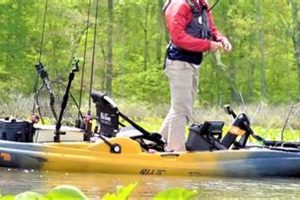
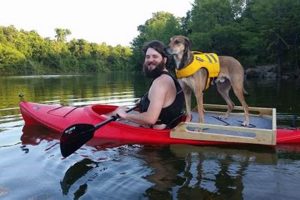
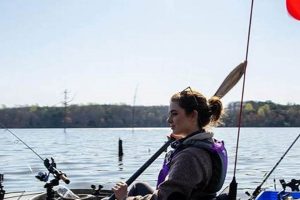
The pursuit of finfish from small, human-powered vessels in the frigid waters of Baffin Bay presents unique challenges and rewards. This activity typically involves specialized kayaks equipped for stability and storage, along with appropriate safety gear for navigating cold water and unpredictable conditions. Anglers often target species like Arctic char, Greenland halibut, and various cod species.
This adventurous style of angling offers a close-to-nature experience in a remote and pristine environment. It allows for access to shallow coastal areas and inlets often inaccessible to larger vessels. The challenging conditions and the relative scarcity of human activity can provide a profound sense of accomplishment and connection with the Arctic ecosystem. Historically, kayaks have been integral to Inuit subsistence fishing in the region, highlighting the long-standing relationship between people and the bay’s resources. This form of angling represents a modern adaptation of traditional practices.
The following sections will explore topics essential for understanding and engaging in this pursuit safely and responsibly, including necessary equipment, safety precautions, target species, and conservation considerations.
Tips for Kayak Fishing in Baffin Bay
Careful planning and preparation are crucial for a safe and successful angling experience in Baffin Bay’s challenging environment. The following tips offer guidance for navigating these waters responsibly.
Tip 1: Prioritize Safety Equipment: A reliable personal flotation device, a waterproof VHF radio, and a signaling device (such as a flare or personal locator beacon) are non-negotiable. Cold-water immersion suits are highly recommended.
Tip 2: Understand Weather Patterns: Baffin Bay’s weather can change rapidly. Careful monitoring of forecasts and tide charts is essential. Postponement of trips due to unfavorable conditions should be readily considered.
Tip 3: Employ Appropriate Navigation Techniques: Chart plotters and GPS devices are valuable tools. Knowledge of basic navigational principles and awareness of potential hazards like ice floes are critical.
Tip 4: Pack Essential Gear: Extra paddles, a repair kit, a bilge pump, and a first-aid kit should be carried. A dry bag is essential for protecting electronics and other sensitive items.
Tip 5: Respect Wildlife: Maintain a safe distance from marine mammals and avoid disturbing nesting birds. Adhere to all local regulations regarding wildlife interactions.
Tip 6: Practice Leave-No-Trace Principles: Pack out all trash and minimize environmental impact. Avoid disturbing sensitive habitats. Responsible angling practices ensure the preservation of Baffin Bay’s unique ecosystem.
Tip 7: Engage Local Expertise: Consider consulting with local outfitters or guides for valuable insights into current conditions, best practices, and potential hazards.
Careful attention to these precautions contributes significantly to a rewarding and safe experience, emphasizing personal well-being and environmental responsibility.
By understanding and addressing the unique challenges of this environment, anglers can contribute to the long-term sustainability of this valuable resource.
1. Safety Equipment
The remote and challenging environment of Baffin Bay necessitates meticulous attention to safety equipment for kayak anglers. Cold water immersion poses a significant threat; therefore, a high-quality personal flotation device (PFD) or, preferably, a dry suit designed for cold water, is essential. A reliable VHF radio enables communication in case of emergencies, while a personal locator beacon (PLB) allows for rapid notification of search and rescue services should an incident occur. Carrying signaling devices, such as flares, provides additional means of attracting attention. Navigation equipment, including a chart plotter or GPS device, coupled with a compass and nautical charts, is crucial for safe passage, particularly given the potential for rapidly changing weather conditions. A first-aid kit equipped to handle cold-water injuries and other potential emergencies is also essential.
Consider the scenario of a kayak capsizing in Baffin Bay’s frigid waters. Without a PFD or dry suit, hypothermia can set in rapidly, significantly reducing survival time. A VHF radio or PLB becomes the critical link to summoning assistance, while signaling devices can aid rescuers in locating the individual. Similarly, should fog or unexpected weather conditions arise, navigational tools become indispensable for maintaining course and avoiding hazards. A well-stocked first-aid kit can prove invaluable in treating minor injuries or stabilizing a person until professional medical help arrives. The presence of appropriate safety equipment can be the deciding factor between a challenging but ultimately safe experience and a life-threatening incident.
The importance of appropriate safety equipment in Baffin Bay cannot be overstated. This equipment mitigates the inherent risks associated with cold-water kayaking in a remote environment. Anglers must prioritize acquiring, understanding, and maintaining the necessary safety gear before embarking on any fishing expedition in Baffin Bay. This proactive approach significantly enhances the likelihood of a safe and enjoyable experience, minimizing the potential for serious incidents.
2. Weather Conditions

Weather conditions exert a significant influence on the feasibility and safety of kayak fishing in Baffin Bay. The region’s climate presents unique challenges, including rapidly changing conditions, strong winds, fog, and the presence of ice. These factors necessitate careful planning and constant vigilance. Sudden shifts in wind speed and direction can create challenging paddling conditions and increase the risk of capsizing. Fog can significantly reduce visibility, making navigation hazardous and disorienting. The presence of ice, both as pack ice and icebergs, presents a constant collision hazard and can restrict access to fishing areas.
Consider the impact of a sudden katabatic wind event. These strong, downslope winds can reach gale force speeds, generating high waves and making kayak control extremely difficult. An unprepared angler caught in such an event faces a serious risk of capsizing and being exposed to frigid water. Similarly, encountering dense fog without proper navigational equipment can lead to disorientation and increase the likelihood of collisions with ice or other hazards. Changes in sea ice conditions can also impact access to fishing grounds and create dynamically shifting hazards requiring constant assessment. For instance, a seemingly stable ice floe can break apart rapidly, trapping a kayak or exposing open water.
Successful kayak fishing in Baffin Bay requires a thorough understanding of regional weather patterns and meticulous monitoring of forecasts. Accessing reliable weather information before and during any excursion is essential. Flexibility in planning is critical, as trips may need to be postponed or adjusted based on prevailing conditions. The ability to interpret weather data, including wind speeds, wave heights, and ice charts, informs decision-making and promotes safe practices. Ultimately, respecting the power of Baffin Bay’s weather is fundamental to a safe and successful kayaking experience.

Proficient navigation is paramount for safe and successful kayak fishing in Baffin Bay. The remote nature of the region, coupled with unpredictable weather patterns and the presence of ice, necessitates a high level of navigational competence. Effective navigation minimizes the risk of disorientation, ensures efficient travel to and from fishing grounds, and aids in avoiding hazardous situations.
- Chart Reading and Interpretation
Understanding nautical charts, including symbols, depths, and landmarks, is fundamental. Interpreting tidal information and accounting for currents are essential for accurate positioning and planning routes. For example, correctly identifying a charted shoal or submerged rock can prevent grounding or damage to the kayak. Similarly, understanding tidal flows aids in navigating narrow channels and avoiding strong currents that could impede progress or create dangerous situations.
- Compass and GPS Proficiency
Competence with both a magnetic compass and a GPS device provides redundancy and enhances navigational accuracy. A compass remains essential in situations where electronic devices fail or experience interference. GPS provides precise location data and facilitates tracking progress and marking waypoints, such as productive fishing spots or safe landing sites. Using these tools in conjunction allows for cross-referencing and verification, enhancing overall navigational reliability.
- Ice Navigation and Avoidance
Navigating in the presence of ice requires careful observation and sound judgment. Identifying different types of ice, understanding their movement patterns, and maintaining a safe distance are crucial. For example, recognizing the distinction between stable pack ice and potentially unstable icebergs is vital for avoiding collisions. Furthermore, understanding how wind and currents influence ice movement allows for proactive route planning and risk mitigation.
- Trip Planning and Route Selection
Careful pre-trip planning, including route selection based on weather forecasts, tidal information, and known hazards, is essential. Establishing alternative routes and contingency plans provides flexibility in the event of unexpected changes in conditions. For instance, having a backup route in case of strong winds or fog enhances safety and increases the likelihood of a successful return.
These navigational skills are integral to the overall safety and success of kayak fishing expeditions in Baffin Bay. They empower anglers to navigate the complex and dynamic environment confidently, minimizing risks and maximizing the opportunities for a rewarding experience. The proficiency in these skills contributes significantly to responsible and sustainable angling practices, preserving both angler safety and the integrity of the Baffin Bay ecosystem.
4. Kayak Selection

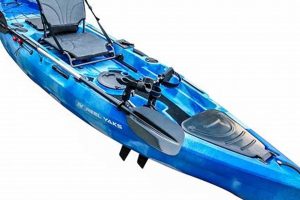
Appropriate kayak selection is crucial for safe and successful angling in Baffin Bay. The environment presents unique challenges, including cold water, unpredictable weather, and the potential presence of ice. Kayak choice directly impacts stability, maneuverability, and storage capacity, all essential factors for a positive experience. Selecting a kayak unsuitable for these conditions significantly increases the risk of incidents and diminishes the likelihood of a successful fishing trip. A stable and seaworthy design is paramount for navigating potentially rough waters and handling the weight of fishing gear and catch. Sufficient storage space is necessary for essential safety equipment, extra clothing, and fishing tackle. Maneuverability is vital for navigating close to shorelines, rocky outcrops, and ice floes.
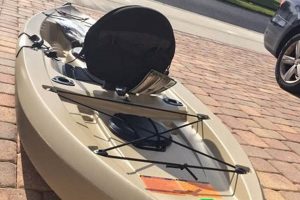
Consider the contrast between a short, recreational sit-on-top kayak and a longer, sit-inside sea kayak designed for touring or expedition paddling. The recreational kayak, while suitable for calm, sheltered waters, lacks the stability, storage, and seaworthiness necessary for Baffin Bay’s challenging conditions. Its shorter length makes it more susceptible to capsizing in waves or rough conditions, while limited storage restricts the amount of safety gear and supplies that can be carried. Conversely, a sea kayak, with its longer length, greater stability, and ample storage, offers a more suitable platform for navigating open water, carrying essential gear, and handling challenging conditions. Its design prioritizes stability and tracking, crucial factors for safe passage in potentially rough seas. The choice of a sea kayak reflects an understanding of the specific demands of Baffin Bay and prioritizes angler safety and success.
Careful kayak selection based on the specific challenges and conditions of Baffin Bay is essential. Prioritizing stability, seaworthiness, and sufficient storage capacity contributes significantly to angler safety and the overall success of the fishing expedition. An informed decision regarding kayak choice reflects a commitment to responsible angling practices, recognizing the interconnectedness between equipment selection, personal safety, and environmental stewardship. Understanding the limitations of different kayak designs and matching them to the demands of the environment minimizes risks and maximizes the potential for a positive and sustainable angling experience.
5. Fishing Gear

Specialized fishing gear tailored to Baffin Bay’s unique conditions significantly impacts angling success and safety. Cold-water species like Arctic char, Greenland halibut, and various cod species require specific tackle and techniques. Heavy-duty rods and reels capable of handling larger fish in strong currents are essential. Cold-resistant lines and robust terminal tackle, including strong hooks and swivels, are necessary to withstand the abrasive conditions and powerful fish. Choosing lures or bait appropriate for target species increases the likelihood of successful catches. For example, jigs tipped with baitfish or artificial lures mimicking local prey can prove effective. Specialized gear considerations extend beyond rod and reel selection. A sturdy fishing net with a long handle assists in landing fish safely from a kayak, minimizing the risk of capsizing. A reliable fish finder or depth sounder aids in locating productive fishing grounds, increasing efficiency and maximizing fishing time. Furthermore, proper storage solutions for tackle and catch are crucial for maintaining organization and preserving the quality of harvested fish.
Consider the scenario of targeting Greenland halibut in deep, cold water. Using light tackle designed for smaller fish in warmer climates would likely result in lost fish, broken lines, and potential equipment damage. A robust rod and reel paired with heavy line, strong hooks, and appropriately sized bait increases the likelihood of landing these powerful fish. Similarly, attempting to fish for Arctic char near rocky outcrops or ice floes without a strong net increases the risk of losing the catch or even capsizing during the retrieval process. The use of a fish finder can greatly enhance efficiency by allowing anglers to identify areas holding fish, conserving valuable time and energy, especially in Baffin Bay’s challenging environment.
The selection and application of appropriate fishing gear directly influence the success and safety of kayak angling expeditions in Baffin Bay. Utilizing specialized equipment designed to handle the specific challenges of this environment increases the likelihood of successful catches while minimizing risks. Informed gear choices demonstrate a commitment to responsible angling, recognizing the relationship between equipment suitability, angler safety, and the preservation of the local ecosystem. Understanding the unique demands of Baffin Bay and equipping accordingly promotes a positive and sustainable angling experience.
6. Local Regulations
Adherence to local regulations is essential for responsible kayak fishing in Baffin Bay. These regulations, often established by local communities or governing bodies, aim to ensure the sustainable management of fish stocks, protect vulnerable ecosystems, and maintain the cultural significance of the area. Regulations can encompass catch limits for specific species, restrictions on fishing gear and methods, designated fishing zones, and seasonal closures. Ignoring these regulations can lead to detrimental effects on fish populations, damage sensitive habitats, and disrespect traditional practices. For instance, exceeding catch limits can deplete fish stocks, impacting the long-term health of the ecosystem and the livelihoods of those who depend on it. Using prohibited fishing gear, such as gill nets, can result in bycatch, inadvertently harming non-target species. Disregarding seasonal closures, designed to protect spawning fish, can disrupt reproductive cycles and negatively impact future fish populations. In Nunavut, for example, fishing regulations are often established in collaboration with Inuit communities, reflecting traditional ecological knowledge and ensuring the sustainable utilization of resources. These regulations can vary by region and season, emphasizing the need for anglers to consult local authorities or community organizations for up-to-date information.
Understanding and complying with local regulations demonstrates respect for the environment and the cultural heritage of the region. It contributes to the long-term sustainability of fish populations, protects vulnerable marine ecosystems, and honors the traditional practices of Indigenous communities. For example, respecting designated protected areas, often crucial habitats for specific species or culturally significant sites, helps maintain biodiversity and preserve cultural heritage. Adhering to catch limits ensures that fish stocks remain healthy and able to replenish, supporting both ecosystem health and the long-term viability of fishing activities. Following regulations regarding fishing gear and methods minimizes the risk of bycatch and habitat damage, contributing to the overall health of the marine environment. Practically, obtaining necessary permits or licenses, familiarizing oneself with specific area regulations, and engaging with local communities demonstrate a commitment to responsible and sustainable angling practices.
Responsible kayak fishing in Baffin Bay requires a thorough understanding and unwavering adherence to local regulations. This commitment to compliance contributes to the preservation of a unique ecosystem, respects cultural heritage, and ensures the sustainability of fish populations for future generations. Neglecting these regulations undermines conservation efforts, disrespects local communities, and jeopardizes the long-term viability of this valuable resource. Integrating an understanding of local regulations into trip planning and execution is essential for any responsible angler venturing into Baffin Bay.
7. Environmental Awareness

Environmental awareness is paramount for sustainable kayak fishing in Baffin Bay. This fragile Arctic ecosystem faces increasing pressures from climate change and human activity. Responsible angling practices minimize environmental impact and contribute to the long-term health of the bay. A primary concern is the potential for disturbance to marine wildlife. Kayakers must maintain safe distances from marine mammals, avoiding sudden movements or loud noises that could cause stress or alter natural behaviors. Disruption of feeding or breeding patterns can have significant consequences for individual animals and overall population health. For example, disturbing a seal haul-out could force the animals into the water, exposing them to predators or disrupting crucial rest periods. Similarly, approaching nesting seabirds too closely can cause them to abandon their nests, leaving eggs or chicks vulnerable.
Pollution from discarded fishing gear and other debris poses a significant threat to marine life. Lost or discarded fishing lines can entangle marine mammals, seabirds, and fish, causing injury or death. Ingestion of plastic debris can disrupt digestive systems and introduce toxins into the food web. Responsible kayak anglers adhere to leave-no-trace principles, packing out all trash and retrieving any lost gear. Minimizing the use of single-use plastics and opting for reusable containers further reduces environmental impact. Proper disposal of fish waste also helps maintain water quality and prevent the spread of disease. For example, discarding fish carcasses far from shore minimizes the attraction of scavengers to populated areas and reduces the risk of nutrient imbalances near the shoreline.
Environmental awareness in Baffin Bay extends beyond immediate actions to a broader understanding of the ecosystem’s interconnectedness. Climate change is impacting the region rapidly, altering ice conditions, water temperatures, and species distribution. Supporting conservation efforts, participating in citizen science initiatives, and advocating for responsible environmental policies contribute to the long-term health of the bay. Ultimately, responsible kayak fishing requires a deep respect for the environment and a commitment to minimizing human impact. This approach ensures the preservation of this unique ecosystem for future generations. Integrating environmental awareness into every aspect of the kayak fishing experience, from trip planning to post-trip practices, is crucial for sustainable engagement with Baffin Bay’s delicate ecosystem.
Frequently Asked Questions
This section addresses common inquiries regarding kayak fishing in Baffin Bay, providing concise and informative responses to facilitate informed decision-making and promote safe angling practices.
Question 1: What are the primary safety concerns associated with kayak fishing in Baffin Bay?
Cold water immersion, rapidly changing weather conditions, and the presence of ice pose significant risks. Adequate safety equipment, including a personal flotation device (PFD) or dry suit, communication devices, and navigational tools, are crucial for mitigating these risks.
Question 2: What type of kayak is most suitable for fishing in Baffin Bay?
A stable and seaworthy kayak, such as a longer sit-inside sea kayak designed for touring or expedition paddling, is recommended. These kayaks offer greater stability, storage capacity for essential gear, and better handling in rough conditions compared to shorter recreational kayaks.
Question 3: Are there specific fishing regulations one must adhere to in Baffin Bay?
Regulations vary by region and season. Consulting local authorities or community organizations is crucial for obtaining up-to-date information on catch limits, permitted fishing gear, designated fishing zones, and seasonal closures. Adherence to these regulations is essential for responsible and sustainable fishing practices.
Question 4: What are the most common target species for kayak anglers in Baffin Bay?
Arctic char, Greenland halibut, and various cod species are common targets. Fishing techniques and gear should be tailored to the specific target species and the prevailing conditions.
Question 5: How can one minimize environmental impact while kayak fishing in Baffin Bay?
Adhering to leave-no-trace principles, packing out all trash, retrieving lost gear, and respecting wildlife are crucial for minimizing environmental impact. Proper disposal of fish waste and minimizing the use of single-use plastics further contribute to environmental stewardship.
Question 6: What are the recommended communication and navigation tools for kayak fishing in this remote location?
A waterproof VHF radio, a personal locator beacon (PLB), and a GPS device are highly recommended. Nautical charts and a compass provide essential backup navigation capabilities. Reliable communication is vital for summoning assistance in emergencies, while accurate navigation aids in safe passage and avoids disorientation in challenging conditions.
Careful consideration of these frequently asked questions enhances angler preparedness and promotes safe and sustainable fishing practices in the unique and challenging environment of Baffin Bay.
For further information and resources, please consult the following section on recommended reading and additional resources.
Kayak Fishing Baffin Bay
This exploration of kayak fishing in Baffin Bay has highlighted the intricate interplay between human activity and a fragile Arctic ecosystem. Safe navigation, appropriate gear selection, adherence to local regulations, and a deep respect for the environment are critical for successful and sustainable engagement. The unique challenges presented by this remote and demanding environment necessitate careful planning, thorough preparation, and a commitment to responsible angling practices. From understanding weather patterns and ice navigation to respecting wildlife and minimizing environmental impact, each aspect contributes to a safe and rewarding experience while safeguarding the integrity of Baffin Bay.
The future of kayak fishing in Baffin Bay hinges on the continued prioritization of sustainable practices. As climate change and increasing human activity exert pressure on this delicate ecosystem, responsible stewardship becomes paramount. Continued education, collaboration with local communities, and ongoing research will be crucial for informed decision-making and adaptive management strategies. Ultimately, the preservation of this extraordinary environment rests on the collective commitment to responsible engagement, ensuring that future generations can experience the profound rewards of kayak fishing in Baffin Bay.