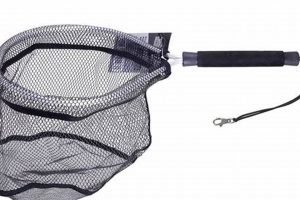
These specialized tools provide a secure hold on caught fish, facilitating safe handling and release or efficient transfer to a cooler or livewell. Typically constructed from durable, corrosion-resistant materials like aluminum or stainless steel, they often feature a spring-loaded clamping mechanism and a textured grip for secure control. A lanyard or tether is commonly included to prevent loss overboard.
Secure handling afforded by these devices minimizes the risk of injury to both the angler and the fish. Reduced handling time also contributes to improved fish survival rates, especially crucial for catch-and-release practices. Historically, anglers relied on less specialized tools, often leading to increased fish mortality and potential hand injuries from sharp fins and teeth. The development of specialized gripping tools represents a significant advancement in responsible angling practices.
This article will further explore the various types available, factors to consider when selecting one, and best practices for their safe and effective use.
Tips for Utilizing Fish Grips Effectively
Proper use of fish grips ensures both angler and fish safety, promoting responsible angling practices.
Tip 1: Choose the Right Grip: Select a grip appropriate for the target species. Larger, heavier fish require grips with a higher weight capacity and a wider jaw opening.
Tip 2: Secure the Grip: Ensure the grip is firmly secured on the lower jaw, avoiding contact with the gills or eyes.
Tip 3: Maintain Control: Support the fish’s weight with a free hand, especially with larger species, to minimize stress on the jaw.
Tip 4: Use Caution with Toothy Fish: Exercise extra care when handling fish with sharp teeth. Consider using a longer grip to maintain a safe distance.
Tip 5: Keep the Fish Submerged: Whenever possible, keep the fish submerged while using the grip, especially during hook removal or photograph opportunities. This minimizes air exposure and reduces stress.
Tip 6: Clean and Maintain Grips: Rinse grips with freshwater after each use and regularly inspect for wear and tear. Corrosion can weaken the mechanism, compromising its effectiveness.
Tip 7: Attach a Lanyard: Secure the grip to the kayak or angler with a lanyard or tether to prevent loss.
Employing these practices promotes efficient and responsible handling, leading to increased fish survival and a safer angling experience.
By understanding and implementing these tips, anglers can enhance their fishing experience while prioritizing fish welfare. The following section will conclude this discussion.
1. Grip
Grip, in the context of kayak fishing tools, signifies the holding power and security offered by a fish grip. This secure hold is paramount for safe and controlled handling of fish, particularly in the dynamic environment of a kayak. A firm grip minimizes the risk of fish escaping, reducing stress on the fish and preventing potential injury to the angler from hooks, spines, or teeth. For instance, a textured grip surface, often incorporating rubber or similar materials, enhances the friction between the grip and the fish’s jaw, ensuring a secure hold even when wet or slimy. The strength of the grip’s clamping mechanism is also crucial, particularly for larger, more powerful fish.
The quality and design of the grip directly influence the angler’s ability to control the fish during unhooking, weighing, or photographing. A secure grip allows for one-handed operation, freeing the other hand to manage tools, the kayak, or the surrounding environment. This control minimizes the risk of dropping the fish, damaging its delicate slime coat, or causing undue stress. Consider a scenario where an angler hooks a large, feisty fish while kayak fishing. A reliable grip enables the angler to maintain control, preventing the fish from thrashing and potentially causing injury or capsizing the kayak.
Effective grip design is fundamental to the functionality of kayak fish grips. Factors like jaw size and shape, handle ergonomics, and the gripping mechanism’s strength all contribute to the overall effectiveness. Challenges can arise with poorly designed grips, leading to fish slipping, difficulty in operation, or even equipment failure. Understanding the importance of grip in kayak fishing tools allows anglers to make informed choices, prioritizing safety, efficiency, and responsible fish handling. This knowledge contributes to a more positive and successful fishing experience while minimizing the impact on fish populations.
2. Control
Control, in the context of kayak fishing, refers to the angler’s ability to manage a captured fish effectively and safely using specialized grips. This control is crucial not only for the well-being of the fish but also for the angler’s safety and the overall efficiency of the fishing process. Maintaining control minimizes stress on the fish, reduces the risk of injury from hooks or sharp fins, and facilitates procedures like unhooking and release.
- Fish Handling
Fish grips provide a secure hold, allowing anglers to manipulate the fish without direct hand contact. This is particularly important with species possessing sharp teeth or spines. A firm grip enables precise control during hook removal, minimizing injury to both fish and angler. For example, controlling the orientation of a fish’s head with a grip facilitates safe and efficient hook extraction.
- Kayak Stability
Maintaining balance and stability within a kayak is paramount, especially when handling a lively fish. Fish grips allow anglers to control the fish’s movements, minimizing the risk of capsizing or losing balance due to sudden jerks or struggles. This is particularly important in challenging conditions such as strong currents or wind.
- Efficient Processes
Control over the fish contributes to the efficiency of tasks like weighing, measuring, and photographing. A secure grip allows the angler to perform these actions quickly and smoothly, minimizing handling time and reducing stress on the fish. This is especially relevant in tournament fishing where time is a critical factor.
- Reduced Fish Stress
Minimizing handling time through controlled grip usage reduces stress on the fish, contributing to higher post-release survival rates. A secure grip allows for quicker unhooking and release, minimizing the fish’s exposure to air and handling-related trauma. This aspect is crucial for conservation-minded anglers practicing catch and release.
The various facets of control offered by fish grips contribute significantly to responsible angling practices. From facilitating safe and efficient fish handling to minimizing stress on the fish and maintaining kayak stability, these tools enhance the overall fishing experience while promoting fish welfare. Selecting an appropriate grip and utilizing proper techniques further maximizes control, ensuring a positive outcome for both angler and fish.
3. Safety
Safety, a paramount concern in kayak fishing, is significantly enhanced by the proper use of fish grips. These specialized tools offer a secure hold on fish, minimizing the risk of injury to both the angler and the catch. Sharp teeth, gill plates, and dorsal spines present inherent hazards when handling fish. Grips mitigate these risks by reducing direct hand contact. Consider a scenario involving a toothy fish like a pike or barracuda. Attempting to land such a fish without a grip exposes the angler to potential bites. A grip provides a safe distance, allowing for secure control while unhooking.
Beyond angler safety, fish grips contribute to the well-being of the fish. A firm, controlled grip minimizes handling stress, crucial for catch-and-release practices. Reduced handling time and the avoidance of squeezing sensitive areas contribute to higher post-release survival rates. For example, using a grip to control a fish during hook removal prevents damage to the jaw and gills, improving the fish’s chances of recovery. Moreover, grips aid in keeping the fish submerged during handling, minimizing air exposure, a critical factor for species sensitive to oxygen deprivation.
The inherent connection between fish grips and safety underscores their importance in responsible kayak fishing. Proper grip selection and usage contribute significantly to a safer and more ethical angling experience. Addressing potential challenges, such as selecting an appropriately sized grip for the target species and learning proper gripping techniques, further enhances safety and promotes fish welfare. The integration of safety-conscious practices, facilitated by fish grips, fosters a sustainable and enjoyable fishing environment.
4. Durability
Durability is a critical factor in the selection of kayak fish grips, directly impacting their lifespan and reliability in demanding environments. Exposure to saltwater, impacts, and the stresses of handling powerful fish necessitate robust construction. A durable grip ensures consistent performance over time, minimizing the risk of failure at crucial moments. This characteristic translates to long-term value and a dependable tool that can withstand the rigors of kayak fishing.
- Material Selection
The materials used in the construction of fish grips significantly influence their durability. Corrosion-resistant metals like anodized aluminum and stainless steel are preferred choices, offering resistance to saltwater and weathering. High-strength plastics and composites also play a role, often used in handle construction for grip and comfort. For example, a grip constructed from marine-grade stainless steel will withstand harsh saltwater conditions far better than one made from a less corrosion-resistant metal. The choice of material directly impacts the grip’s ability to resist degradation and maintain functionality over time.
- Construction Quality
The quality of construction, including welding, assembly, and component integration, impacts the overall durability of the fish grip. Robust construction techniques ensure that the grip can withstand repeated use and stress without failure. For example, a poorly welded joint could become a weak point, susceptible to breakage under pressure. High-quality construction ensures that all components work together seamlessly, contributing to the grip’s longevity and dependability.
- Mechanism Design
The mechanism responsible for gripping the fish’s jaw plays a crucial role in both performance and durability. A well-designed mechanism should be robust enough to withstand repeated use and resist wear and tear. Mechanisms like stainless steel springs and corrosion-resistant locking systems contribute to long-term reliability. For example, a grip featuring a hardened stainless steel spring mechanism will offer superior durability compared to one using a less robust spring material.
- Maintenance and Care
Proper maintenance contributes significantly to the lifespan of a fish grip. Rinsing the grip with freshwater after each use removes saltwater and debris, minimizing corrosion and preventing the buildup of grime. Regular inspection for wear and tear and timely replacement of worn components further extends the grip’s usable life. For instance, neglecting to rinse a grip after saltwater use can lead to accelerated corrosion, compromising its structural integrity and shortening its lifespan.
The durability of kayak fish grips is a crucial aspect impacting their effectiveness and value over time. Selecting a grip constructed from durable materials, built with robust techniques, and featuring a reliable mechanism ensures long-term performance and a dependable tool for handling fish in challenging kayak fishing environments. Understanding the factors contributing to durability empowers anglers to make informed decisions, optimizing their investment and enhancing their fishing experience.
5. Portability

Portability is a key consideration for kayak fish grips due to the limited space and weight capacity inherent in kayak fishing. A compact and lightweight grip is less cumbersome, minimizing interference with other gear and movements within the confined cockpit of a kayak. This streamlined profile allows for efficient access and deployment, crucial when handling a lively fish. For example, a bulky, heavy grip could snag on fishing lines or impede paddling strokes, hindering the angler’s ability to manage the kayak and the fish effectively. A compact, lightweight design enhances maneuverability and reduces fatigue during long fishing trips.
Several design elements contribute to the portability of fish grips. A retractable lanyard or tether system keeps the grip secure and readily accessible without dangling and interfering with other equipment. A holster or sheath designed for attachment to a kayak’s gunwale or angler’s PFD further enhances portability, ensuring the grip is readily available while remaining out of the way. Some grips incorporate folding mechanisms, reducing their size when not in use. These features contribute to an organized and efficient kayak setup, maximizing usable space and minimizing clutter.
The portability of a fish grip directly impacts the overall kayak fishing experience. A cumbersome grip can detract from the enjoyment and efficiency of fishing, while a portable, well-designed grip enhances maneuverability, reduces clutter, and promotes a more streamlined and enjoyable experience. Challenges such as limited storage space and the need for quick access necessitate careful consideration of portability when selecting a fish grip for kayak fishing. Prioritizing portability ensures that the grip remains a valuable asset rather than a hindrance in the dynamic environment of a kayak.
6. Corrosion Resistance
Corrosion resistance is paramount for kayak fish grips due to the constant exposure to saltwater, a highly corrosive environment. Maintaining the grip’s structural integrity and functionality over time requires materials and design features that effectively resist corrosion. A corroded grip can weaken, potentially failing under stress, compromising angler safety and risking fish loss. This underscores the importance of prioritizing corrosion resistance when selecting a grip for kayak fishing.
- Material Selection
The primary defense against corrosion lies in the choice of materials. Marine-grade stainless steel, known for its high chromium content, forms a passive protective layer that resists oxidation. Anodized aluminum, while not as inherently corrosion-resistant as stainless steel, undergoes an electrochemical process that creates a harder, more corrosion-resistant surface layer. These materials, though more expensive than less corrosion-resistant alternatives, offer significantly longer lifespans in saltwater environments. For example, a grip constructed from 316 stainless steel will exhibit superior corrosion resistance compared to one made from a lower grade of stainless steel or other metals.
- Protective Coatings
Additional protective coatings can further enhance corrosion resistance. Powder coating, a process that electrostatically applies a dry powder to the metal surface, creates a durable, protective barrier against saltwater and UV radiation. Marine-grade paint, specifically formulated to resist saltwater exposure, also provides an additional layer of defense. These coatings, while adding to the initial cost, can significantly extend the lifespan of the grip, particularly in harsh environments. For instance, a powder-coated aluminum grip offers enhanced protection compared to an uncoated aluminum grip.
- Hardware and Fasteners
Corrosion can also compromise the integrity of hardware components like screws, rivets, and springs. Using stainless steel or other corrosion-resistant materials for these components is crucial. Even a small, corroded screw can weaken the overall structure, potentially leading to failure. For example, using stainless steel screws instead of zinc-plated steel screws prevents rust formation, maintaining the structural integrity of the grip over time.
- Maintenance Practices
Regular maintenance plays a vital role in preserving corrosion resistance. Rinsing the grip thoroughly with freshwater after each use removes salt deposits and minimizes corrosion. Periodic lubrication of moving parts with a marine-grade lubricant further protects against corrosion and ensures smooth operation. Neglecting these simple maintenance practices can accelerate corrosion and significantly shorten the lifespan of the grip.
Corrosion resistance directly impacts the longevity, reliability, and safety of kayak fish grips. Prioritizing this aspect during selection, combined with diligent maintenance practices, ensures that the grip remains a dependable tool capable of withstanding the corrosive challenges of saltwater environments, contributing to a safer and more enjoyable kayak fishing experience.
7. Jaw Mechanism

The jaw mechanism of a kayak fish grip is crucial for its effectiveness and ease of use. This mechanism dictates how the grip secures and releases a fish, directly impacting angler safety, fish welfare, and overall handling efficiency. Understanding the different types of jaw mechanisms and their respective advantages and disadvantages allows for informed selection and optimal performance on the water.
- Grip Strength and Security
The jaw mechanism determines the grip’s holding power. A strong, reliable mechanism ensures a secure hold on the fish, minimizing the risk of escape, especially with larger, more powerful species. For example, a scissor-style mechanism with a wide jaw opening and sharp teeth provides a firm grip, while a trigger-activated clamp offers quick and secure closure. The strength and security of the grip directly impact angler safety, preventing fish from thrashing and potentially causing injury. A secure grip also minimizes stress on the fish by reducing handling time.
- Ease of Operation and One-Handed Use
Kayak anglers often need to operate a fish grip with one hand while managing the kayak, paddle, or other equipment. A jaw mechanism that facilitates easy one-handed operation is therefore essential. Trigger-activated mechanisms, pistol grips, and those with ergonomic handles are designed for convenient one-handed use. This feature enhances efficiency and safety, allowing anglers to maintain control of the kayak and the fish simultaneously. A cumbersome or difficult-to-operate mechanism can compromise both safety and efficiency in the dynamic environment of a kayak.
- Durability and Corrosion Resistance
Given the harsh saltwater environment, the jaw mechanism’s durability and corrosion resistance are crucial. Mechanisms constructed from marine-grade stainless steel or other corrosion-resistant materials withstand prolonged exposure to saltwater without degrading. Durable construction ensures consistent performance over time, minimizing the risk of failure at critical moments. For instance, a jaw mechanism featuring stainless steel components and a robust locking system will provide superior durability and corrosion resistance compared to one made from less durable materials.
- Jaw Size and Shape
The size and shape of the jaws influence the grip’s suitability for different fish species. Wider jaws accommodate larger fish, while narrower jaws are better suited for smaller species. Some grips feature contoured jaws that conform to the shape of a fish’s jaw, providing a more secure hold and minimizing the risk of injury to the fish. The jaw design should match the target species to ensure optimal performance and minimize stress on the fish. For example, a grip designed for smaller panfish would be inadequate for larger gamefish, potentially causing injury or escape.
The jaw mechanism is an integral component of a kayak fish grip, directly impacting its performance, safety, and longevity. Understanding the various facets of jaw mechanism designgrip strength, ease of use, durability, and jaw configurationenables informed selection and contributes to a more efficient, safer, and enjoyable kayak fishing experience. The interplay of these factors determines the grip’s effectiveness in securing and releasing fish, ultimately influencing both angler satisfaction and fish welfare.
Frequently Asked Questions
This section addresses common inquiries regarding the selection and utilization of fish grips specifically for kayak angling.
Question 1: What advantages do specialized fish grips offer over lip grippers in a kayak?
Specialized grips offer enhanced control and reduced risk of fish slippage, especially with larger or more active species. The ergonomic design and secure grip contribute to safer handling in the confined space of a kayak.
Question 2: How does one select the appropriate size and type of grip for kayak fishing?
Grip selection depends on the target species. Larger species require grips with wider jaw openings and higher weight capacities. Consider the grip’s overall size and weight for ease of use and storage within the kayak.
Question 3: What safety precautions should be observed when using fish grips in a kayak?
Always attach a lanyard to prevent loss overboard. Exercise caution with fish possessing sharp teeth or spines. Maintain kayak stability while handling fish, and minimize handling time to reduce stress on the catch.
Question 4: Are there specific grip designs better suited for catch-and-release practices in a kayak?
Grips with dehooking features, such as integrated cutters or pliers, can expedite the release process, minimizing handling stress. Select grips constructed from materials that minimize damage to a fish’s protective slime coat.
Question 5: How does one maintain and clean fish grips after use in saltwater environments?
Thorough rinsing with freshwater after each use is crucial. Regularly inspect for wear and tear, lubricate moving parts, and address any corrosion promptly to maintain optimal functionality and prolong the grip’s lifespan.
Question 6: What are the key features to consider when choosing a fish grip specifically for kayak use?
Prioritize corrosion resistance, a secure locking mechanism, ergonomic design for one-handed operation, and a compact size for easy storage and retrieval within the kayak.
Careful consideration of these points ensures informed selection and safe, effective fish handling in a kayak fishing environment.
The subsequent section will provide concluding remarks.
Conclusion
Specialized grips for kayak fishing represent a significant advancement in safe and responsible angling practices. From ensuring angler safety amidst challenging conditions to promoting fish welfare through reduced handling stress, these tools offer numerous advantages. Material selection, jaw mechanism design, and portability considerations are crucial factors influencing grip effectiveness and longevity. An understanding of proper usage techniques further enhances safety and contributes to successful catch-and-release practices.
As kayak fishing continues to grow in popularity, the importance of specialized equipment like fish grips becomes increasingly evident. Prioritizing informed selection and responsible usage ensures a sustainable and enjoyable fishing experience, benefiting both anglers and the aquatic ecosystems they engage with. Continued innovation in design and materials promises further advancements in fish handling technology, furthering the pursuit of ethical and sustainable angling practices.