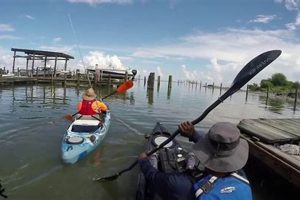
A tandem kayak designed specifically for angling offers anglers the opportunity to share their passion with a companion, child, or pet. These watercraft typically feature specialized design elements, such as rod holders, ample storage for tackle and gear, and often a stable hull design to accommodate movement and casting.
Shared fishing experiences strengthen bonds and create lasting memories. The enhanced stability of these vessels often provides a comfortable platform, especially beneficial for newcomers or those with mobility concerns. Historically, shared fishing from small craft has been a tradition across cultures, demonstrating the enduring appeal of companionship on the water. Modern materials and designs have significantly improved the comfort, stability, and fishability of these craft.
This exploration will delve further into specific features, selection considerations, and maintenance tips relevant to these specialized kayaks. It will also examine the diverse array of options available, catering to various fishing styles and preferences.
Tips for Tandem Kayak Fishing
Successful tandem kayak fishing trips require planning and coordination. The following tips provide guidance for a safe and enjoyable experience.
Tip 1: Coordinate Paddling: Synchronized paddling is crucial for efficient movement and maneuvering. Establish clear communication signals or practice paddling rhythms beforehand.
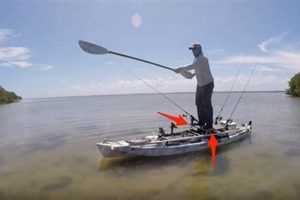
Tip 2: Distribute Weight Evenly: Proper weight distribution is essential for stability. Heavier gear should be placed centrally and low in the kayak. Consider the combined weight of occupants and gear when selecting a suitable vessel.
Tip 3: Plan Fishing Locations Jointly: Discuss fishing targets and preferred techniques beforehand to ensure both anglers’ needs are met. Consider the experience levels of all participants when selecting locations.
Tip 4: Establish Clear Communication: Open communication minimizes disruptions and enhances safety. Discuss casting zones, fish fighting strategies, and any potential hazards before and during the trip.
Tip 5: Practice Safety Procedures: Ensure all occupants wear appropriate personal flotation devices and understand basic safety procedures. Carry a first-aid kit and signaling devices in case of emergencies.
Tip 6: Respect Each Other’s Space: Maintain awareness of each other’s fishing lines and equipment to prevent tangles and accidental hooking. Communicate casting intentions clearly.
Tip 7: Minimize Noise and Movement: Excessive noise and sudden movements can spook fish. Move deliberately and quietly within the kayak.
By adhering to these guidelines, anglers can maximize their chances of a successful and enjoyable tandem kayaking experience, emphasizing safety and cooperation for a rewarding trip.
This discussion provides a solid foundation for planning a tandem kayak fishing adventure. The subsequent sections will explore further topics relevant to gear selection and specific techniques.
1. Stability

Stability forms a cornerstone of a successful fishing experience in a two-person kayak. A stable platform allows anglers to cast, reel, and land fish without compromising safety or balance. This is particularly crucial in tandem kayaks, where the combined movement of two individuals can create more instability than a solo vessel. A stable hull design minimizes rocking and tipping, allowing for comfortable and confident fishing, even in challenging conditions such as choppy water or strong currents. Consider, for example, the scenario of landing a large fish; a stable kayak allows for the necessary maneuvering and exertion without risking capsize. Conversely, an unstable platform can lead to frustrating lost catches, gear in the water, and potentially dangerous situations.
Several factors contribute to kayak stability, including hull design (catamaran, tunnel, or flat bottom), width, and length. Wider kayaks generally offer greater initial stability, while longer kayaks tend to track better in a straight line. The distribution of weight within the kayak also plays a significant role. Properly distributing gear and occupants low and centrally enhances stability. For example, placing heavier items like tackle boxes close to the center of gravity minimizes rocking. Understanding these factors empowers informed decision-making when selecting a tandem fishing kayak suited to specific needs and water conditions.
Prioritizing stability in a tandem fishing kayak ultimately enhances safety and fishing effectiveness. A stable vessel translates to more time focused on fishing and less on maintaining balance. It allows for more aggressive casting and fighting techniques, expanding fishing possibilities. While stability can sometimes come at the cost of maneuverability or speed, it remains a critical consideration, especially for anglers prioritizing comfort and safety in a shared fishing experience. Careful evaluation of stability features alongside other design elements ensures a balanced and appropriate choice for a productive and enjoyable time on the water.
2. Capacity

Capacity, often overlooked, plays a vital role in the functionality and enjoyment of a two-person fishing kayak. It directly impacts not only the number of occupants but also the amount of gear that can be safely transported. Understanding capacity limitations ensures a safe and comfortable fishing experience, preventing overloading and instability. This exploration delves into the multifaceted nature of capacity as it relates to tandem fishing kayaks.
- Weight Capacity
Weight capacity represents the maximum combined weight of occupants and gear the kayak can safely support. Exceeding this limit compromises stability and increases the risk of capsizing. Manufacturers provide weight capacity ratings, and adhering to these recommendations is paramount for safety. For instance, a tandem kayak with a 500-pound capacity may safely accommodate two 175-pound anglers and 150 pounds of gear. Attempting to carry more weight significantly increases risk. Selecting a kayak with ample weight capacity allows for comfortable movement and storage of necessary equipment.
- Storage Capacity
Storage capacity directly influences the practicality of a fishing kayak. Sufficient storage space accommodates tackle boxes, rods, coolers, and other essential gear. Dedicated storage compartments, such as hatches and tank wells, keep items secure and organized. Consider the intended fishing style and the associated gear requirements when evaluating storage capacity. For example, anglers targeting larger species may require more robust rod holders and larger tackle storage solutions. Ample storage contributes to a more organized and efficient fishing experience.
- Occupant Capacity
While designed for two individuals, the physical dimensions of the seating area impact comfort and usability. Legroom, seat adjustability, and overall cockpit space influence long-term comfort, especially during extended fishing trips. Consider the size and physical needs of all occupants when evaluating occupant capacity. A kayak with cramped seating may lead to discomfort and reduced fishing effectiveness. Prioritizing adequate space for all occupants contributes to a more enjoyable and productive experience.
- Performance Impact of Capacity
The combined weight of occupants and gear impacts the kayak’s performance characteristics. A heavily loaded kayak sits lower in the water, increasing drag and reducing maneuverability. This effect is particularly noticeable in challenging conditions such as strong currents or wind. Selecting a kayak with adequate capacity relative to anticipated loads ensures optimal performance and handling. Furthermore, proper weight distribution within the kayak plays a critical role in maintaining balance and stability. Distributing weight evenly minimizes rocking and tipping, contributing to a safer and more controlled experience.
Careful consideration of these capacity facets ensures the selection of a tandem fishing kayak well-suited to specific needs and intended usage. Balancing weight capacity, storage needs, occupant comfort, and performance expectations leads to a more informed purchase decision. A properly sized and equipped kayak contributes significantly to a safe, comfortable, and ultimately successful fishing experience.
3. Maneuverability

Maneuverability in a two-person fishing kayak significantly impacts its effectiveness and the overall fishing experience. The ability to precisely position the vessel for optimal casting angles, navigate tight waterways, and efficiently respond to changing currents or wind conditions directly influences fishing success. Consider a scenario where anglers need to navigate through a narrow channel lined with submerged logs or position the kayak upstream of a promising eddy. A highly maneuverable tandem kayak allows for precise adjustments and confident navigation in such situations. Conversely, a less maneuverable craft can lead to frustration, missed opportunities, and potential collisions with obstacles. The interplay between kayak design, water conditions, and paddling technique contributes to overall maneuverability.
Several factors influence the maneuverability of a tandem fishing kayak. Shorter kayaks generally turn more quickly, while longer kayaks tend to track better in a straight line. Hull design also plays a crucial role; a flatter hull provides better initial stability but may sacrifice maneuverability, while a more rounded or V-shaped hull enhances turning performance but may feel less stable. The combined weight of occupants and gear also affects maneuverability. A heavily loaded kayak requires more effort to turn and maneuver. Furthermore, the placement of weight within the kayak influences its responsiveness. Positioning weight towards the stern, for instance, can improve tracking but reduce turning ability. Synchronized paddling technique in a tandem kayak is essential for efficient maneuvering. Mismatched paddling strokes create drag and reduce responsiveness. Understanding these factors empowers anglers to select a kayak and develop paddling techniques optimized for their specific fishing needs and the environments they frequent.
Prioritizing maneuverability based on anticipated fishing conditions optimizes the overall experience. In calm, open water, tracking and stability may take precedence. However, in rivers, creeks, or areas with complex shorelines, maneuverability becomes paramount. Balancing maneuverability with other essential characteristics, such as stability and capacity, ensures a well-rounded and effective fishing platform. Ultimately, understanding the factors that influence maneuverability empowers informed decision-making and contributes to a more productive and enjoyable fishing experience from a tandem kayak.
4. Features (rod holders, storage)

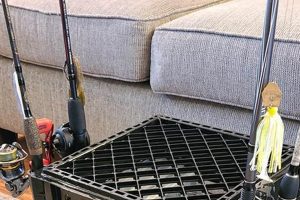
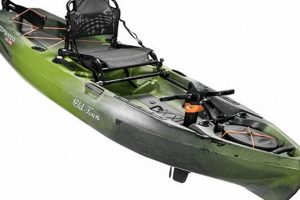
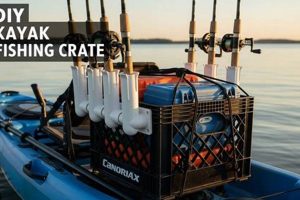
Specialized features distinguish fishing kayaks from recreational models, enhancing their practicality and effectiveness. Rod holders and storage solutions play a crucial role in the functionality of a two-person fishing kayak, directly impacting organization, efficiency, and safety. Consider the scenario of two anglers trolling with multiple rods; integrated rod holders secure the rods, preventing loss or damage while keeping lines free from entanglement. Ample storage compartments accommodate tackle boxes, safety gear, and personal items, maintaining a clutter-free cockpit and facilitating efficient access to essential equipment. Conversely, a lack of dedicated storage and rod holders can lead to tangled lines, lost gear, and a frustrating fishing experience.
Rod holders vary in type and configuration. Flush-mounted rod holders offer a streamlined profile, minimizing interference with paddling. Adjustable rod holders allow for customized positioning, accommodating different fishing techniques and preferences. Track-mounted systems provide flexibility in rod placement and the addition of other accessories. Storage options range from sealed hatches for protecting valuables to open tank wells for readily accessible gear. Specialized compartments for tackle boxes and smaller items enhance organization. The quantity, type, and placement of these features should align with the intended fishing style and the number of occupants. For example, a kayak designed for offshore fishing might prioritize heavy-duty rod holders and ample storage for larger tackle, while a kayak intended for river fishing might emphasize maneuverability and readily accessible storage for lures and smaller equipment. The thoughtful integration of these features maximizes fishing efficiency and overall enjoyment.
Strategic placement and selection of rod holders and storage solutions enhance safety and organization, contributing significantly to a positive fishing experience. Securely stored rods and readily accessible gear minimize distractions and allow anglers to focus on fishing. A well-organized cockpit reduces the risk of tripping hazards and facilitates efficient movement within the kayak. Evaluating these features in the context of specific fishing needs and the shared nature of a tandem kayak ensures a well-equipped and functional vessel, maximizing both safety and enjoyment on the water.
5. Material (Durability, Weight)
Material selection significantly influences the performance, longevity, and transportability of a fishing kayak double. The chosen material dictates the vessel’s resistance to impact, abrasion, UV degradation, and its overall weight. Understanding the properties of common kayak construction materials empowers informed decision-making, ensuring alignment between material characteristics and intended usage.
- Polyethylene (PE)
Polyethylene, a common thermoplastic polymer, offers a balance of durability, affordability, and impact resistance. High-density polyethylene (HDPE) is favored for its robustness, making it suitable for navigating rocky shorelines or shallow waters. Rotational molding, a common manufacturing process for HDPE kayaks, creates a seamless, highly durable hull. However, PE kayaks tend to be heavier than composite counterparts, impacting portability and transportation. For example, dragging a heavier PE kayak across a sandy beach or loading it onto a vehicle roof rack requires greater effort.
- Composite Materials (Fiberglass, Carbon Fiber, Kevlar)
Composite materials, such as fiberglass, carbon fiber, and Kevlar, offer superior strength-to-weight ratios compared to PE. These materials allow for lighter, more responsive kayaks, enhancing speed and maneuverability. However, composite kayaks typically come at a higher price point and may be more susceptible to damage from impacts on sharp rocks or submerged debris. Kevlar, known for its exceptional impact resistance, often reinforces high-performance kayaks. The lighter weight of composite kayaks simplifies transportation and handling, particularly for individuals with physical limitations.
- Thermoformed Plastic
Thermoforming utilizes sheets of ABS or other thermoplastic materials molded over a mold. This process yields kayaks with a smooth finish and precise shaping, often found in recreational and touring kayaks. Thermoformed kayaks offer a balance between durability and weight, though they may not be as impact-resistant as rotomolded HDPE. This construction method often allows for intricate hull designs and features.
- Inflatable Kayaks (PVC, Hypalon, Nitrylon)
Inflatable kayaks, constructed from durable fabrics like PVC, Hypalon, or Nitrylon, offer exceptional portability and storage convenience. These materials can withstand considerable pressure and abrasion. While generally less durable than hard-shell kayaks, inflatable models provide a practical solution for individuals with limited storage space or those seeking portability for remote fishing locations. Advances in inflatable kayak technology have significantly improved their rigidity and performance in recent years, expanding their suitability for various fishing applications.
The selection of appropriate material for a fishing kayak double necessitates careful consideration of intended usage, storage limitations, and budget constraints. Prioritizing durability necessitates evaluating the potential for impact and abrasion in typical fishing environments. Weight considerations influence portability and ease of transport. Balancing these factors ensures a kayak well-suited to individual needs and intended fishing applications, contributing to a more enjoyable and productive experience on the water.
Frequently Asked Questions
Addressing common inquiries regarding tandem fishing kayaks provides clarity for informed decision-making. The following questions and answers offer insights into key aspects of these specialized vessels.
Question 1: What are the key advantages of choosing a tandem fishing kayak over two solo kayaks?
Tandem kayaks often offer enhanced stability compared to solo models, benefiting less experienced paddlers or those fishing in challenging conditions. They also provide a platform for shared experiences and cooperative fishing strategies.
Question 2: How does the combined weight of occupants and gear influence performance?
Exceeding the manufacturer’s specified weight capacity compromises stability and maneuverability. Proper weight distribution within the kayak is crucial for maintaining balance and efficient paddling.
Question 3: What storage features are essential for a successful fishing trip in a tandem kayak?
Dedicated compartments for tackle boxes, rods, and personal items enhance organization and efficiency. Sealed hatches protect valuables from water damage, while readily accessible storage facilitates quick retrieval of essential gear.
Question 4: How does hull design impact the kayak’s performance in different water conditions?
Wider, flatter hulls generally provide greater initial stability, while longer, V-shaped hulls enhance tracking and speed. Consider the intended fishing environment (calm lakes vs. flowing rivers) when selecting a hull design.
Question 5: What safety precautions should one take when fishing from a tandem kayak?
Always wear personal flotation devices (PFDs). Carry a first-aid kit, signaling devices, and a communication device. Inform someone of your fishing plans, including location and expected return time. Check weather conditions before embarking on any trip.
Question 6: What maintenance is required to ensure the longevity of a tandem fishing kayak?
Regularly rinse the kayak with fresh water after each use, especially in saltwater environments. Store the kayak out of direct sunlight to prevent UV damage. Inspect and address any damage promptly. Proper care extends the lifespan of the kayak and maintains its performance.
Understanding these frequently asked questions provides a foundation for informed decision-making. Selecting a tandem fishing kayak requires careful consideration of individual needs, intended usage, and the shared nature of the experience. A well-informed choice contributes significantly to safety, enjoyment, and overall fishing success.
The subsequent section will delve into specific techniques for fishing from a tandem kayak, maximizing efficiency and cooperation between anglers.
Conclusion
Tandem fishing kayaks offer a unique platform for shared angling experiences, demanding careful consideration of design elements, features, and material selection. Stability, capacity, maneuverability, integrated features, and durable construction contribute significantly to a successful and enjoyable outing. Understanding the interplay of these factors empowers informed purchasing decisions, aligning vessel characteristics with specific fishing styles and water conditions. Proper maintenance and adherence to safety guidelines ensure long-term performance and safe operation. Choosing a tandem kayak involves evaluating individual needs and prioritizing shared enjoyment on the water.
The evolving landscape of kayak design and technology continues to refine the tandem fishing experience. Exploring available options and understanding individual needs empowers informed choices, contributing to a rewarding and safe pursuit of shared angling adventures. Careful consideration of these factors allows anglers to maximize their time on the water, fostering camaraderie and creating lasting memories through the shared pursuit of fishing from a tandem kayak.