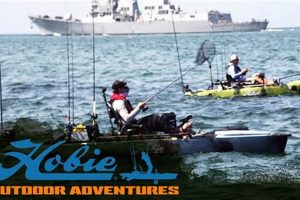
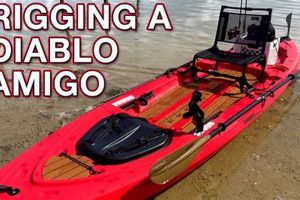
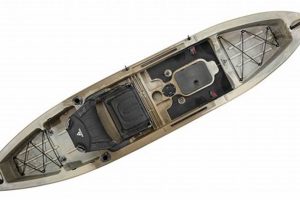
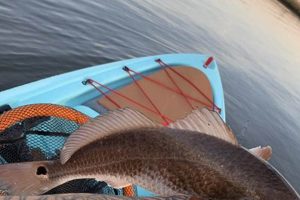
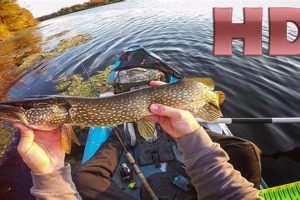
A kayak designed specifically for angling, typically measuring approximately 3 meters, offers a stable and maneuverable platform for casting lines and reeling in catches. These vessels often feature specialized accessories such as rod holders, tackle storage, and anchor systems, enhancing the fishing experience. Shorter lengths compared to recreational kayaks generally provide improved maneuverability, particularly in tighter waterways like creeks and ponds.
Compact watercraft designed for angling provide several advantages. Their smaller size allows for easy transport and storage, making them appealing to anglers with limited space. The stability offered by these shorter kayaks is beneficial for casting and landing fish, while their maneuverability allows for navigating shallow waters and tight spaces often inaccessible to larger boats. This type of vessel opens up numerous fishing opportunities, enabling anglers to explore diverse environments from small ponds to coastal waters. Their increasing popularity reflects a growing demand for versatile and accessible watercraft suitable for recreational fishing.
This discussion will further explore specific features, considerations for selection, and popular models available within this category of fishing watercraft. Topics to be covered include hull design variations, propulsion systems, and essential accessories for optimizing the angling experience.
Tips for Selecting and Using a Compact Fishing Kayak
Careful consideration of several factors ensures optimal performance and safety when utilizing smaller fishing kayaks. These tips provide guidance for selecting and using a compact fishing kayak effectively.
Tip 1: Prioritize Stability: Hull design significantly impacts stability. Wider, flatter hulls generally offer greater stability, particularly important for anglers standing to cast. Consider the intended fishing environment; calmer waters may allow for narrower hulls, while rougher conditions necessitate greater stability.
Tip 2: Evaluate Weight Capacity: Ensure the kayak’s weight capacity accommodates the angler’s weight, plus gear and potential catches. Exceeding the capacity compromises stability and safety.
Tip 3: Consider Storage Options: Ample storage is crucial for carrying tackle, safety equipment, and personal belongings. Evaluate the type, size, and accessibility of storage compartments.
Tip 4: Assess Seating Comfort: A comfortable seat enhances endurance during longer fishing trips. Look for adjustable seating systems and breathable materials.
Tip 5: Choose Appropriate Propulsion: Paddle propulsion is common for smaller kayaks, offering maneuverability and affordability. Pedal drives provide hands-free operation and increased speed, but add cost and complexity.
Tip 6: Factor in Transportation and Storage: Shorter kayaks offer advantages in transport and storage. Consider the available space and the ease of loading and unloading the vessel.
Tip 7: Practice Safety First: Always wear a personal flotation device (PFD) and carry essential safety gear, including a whistle, signaling device, and first-aid kit. Inform someone of your fishing plans, including location and expected return time.
By carefully considering these factors, anglers can select a compact fishing kayak that meets their specific needs and enhances their fishing experience. Proper selection and usage contribute to both enjoyment and safety on the water.
These tips offer valuable insights for maximizing the benefits of compact fishing kayaks. The following section will conclude this discussion with a summary of key takeaways and recommendations.
1. Maneuverability

Maneuverability represents a critical performance characteristic in fishing kayaks, particularly those around 10 feet in length. The ability to precisely navigate waterways, position for optimal casting, and efficiently traverse diverse aquatic environments directly influences angling success. This section explores the key facets contributing to maneuverability in a 10-foot fishing kayak.
- Hull Design
Hull design significantly impacts maneuverability. A shorter kayak generally turns more quickly than a longer one. Within the 10-foot category, kayaks with a shallower V-hull tend to turn more easily, while those with a deeper V-hull or a pronounced keel track straighter and resist turning. Consider a shallow V-hull for navigating tight creeks and a deeper V-hull for open water where tracking is paramount.
- Waterline Length
While overall length plays a role, the length of the hull in contact with the water (waterline length) more directly influences turning performance. Features like a rocker (upward curve of the bow and stern) reduce waterline length, enhancing maneuverability. A kayak with significant rocker turns more easily but sacrifices some tracking ability.
- Paddle/Propulsion System
Paddle choice and propulsion system significantly impact maneuverability. A shorter, wider paddle blade facilitates quick turns, while a longer, narrower blade offers more speed and efficiency for straight-line paddling. Kayaks equipped with rudder systems, whether controlled by foot pedals or hand levers, provide enhanced directional control and maneuverability, especially in windy conditions.
- Weight Distribution
Proper weight distribution within the kayak also influences maneuverability. A balanced load, with gear evenly distributed, optimizes performance. Excessive weight at the bow or stern can hinder turning and create instability. Maintaining a balanced center of gravity is crucial for efficient and responsive maneuvering.
Understanding these interconnected facets of maneuverability is essential for selecting and effectively utilizing a 10-foot fishing kayak. Choosing the right combination of hull design, propulsion system, and weight distribution enables anglers to precisely navigate their chosen fishing environments, maximize angling opportunities, and enhance overall on-the-water performance. The interplay of these factors dictates how effectively the kayak responds to angler input, ultimately determining its suitability for specific fishing scenarios.
2. Stability
Stability is a paramount concern in fishing kayaks, particularly in the 10-foot range, where smaller size can potentially compromise balance. A stable platform is essential for various angling activities, from casting and reeling to landing fish and navigating varied water conditions. This section explores the key facets contributing to stability in a 10-foot fishing kayak.
- Hull Design
Hull design significantly influences stability. Wider hulls generally offer greater initial stability, resisting tipping. Flatter hulls provide enhanced secondary stability, recovering balance after being tilted. Within the 10-foot range, kayaks designed for fishing often incorporate wider, flatter hulls to maximize stability, particularly important for anglers standing to cast or fight larger fish. However, wider hulls can sacrifice some maneuverability and speed.
- Center of Gravity
A lower center of gravity contributes to greater stability. Kayak design, seat position, and weight distribution all influence the center of gravity. Sitting lower in the kayak lowers the overall center of gravity, enhancing stability. Distributing weight evenly within the kayak also contributes to balance. Avoid concentrating weight at the bow or stern, which can create instability.
- Waterline Length
A longer waterline generally contributes to greater directional stability, reducing the tendency to yaw (side-to-side rocking). While 10-foot kayaks have a relatively short waterline compared to larger vessels, features like a less pronounced rocker can increase the effective waterline, improving stability. However, a flatter hull with less rocker can compromise maneuverability in tight spaces.
- Environmental Factors
External factors such as wind, waves, and currents can significantly impact kayak stability. Smaller kayaks, like those in the 10-foot range, are more susceptible to these forces. Understanding the limitations of the kayak in various conditions is crucial for safe operation. Avoid exceeding the kayak’s capabilities in challenging environments, and always prioritize safety by wearing a personal flotation device (PFD).
The interplay of these factors dictates the overall stability of a 10-foot fishing kayak. Selecting a kayak with a hull design prioritizing stability, maintaining a low center of gravity, and operating within the vessel’s limitations in various environmental conditions are crucial for a safe and successful fishing experience. Stability directly impacts angler confidence and performance, allowing for focused fishing without excessive concern for balance. Balancing stability with other performance characteristics like maneuverability and speed is essential for selecting the optimal kayak for individual needs and intended fishing environments.
3. Portability
Portability is a significant advantage of 10-foot fishing kayaks, differentiating them from larger vessels. Ease of transport and storage significantly expands accessibility and usability, particularly for anglers with limited storage space or those transporting kayaks on smaller vehicles. This section explores the key facets of portability concerning 10-foot fishing kayaks.
- Weight
Weight significantly impacts portability. 10-foot kayaks generally weigh between 40 and 70 pounds, making them manageable for one person to lift and carry short distances. Lighter kayaks, constructed from materials like high-density polyethylene (HDPE), are easier to transport, especially beneficial for individuals launching from remote locations or carrying kayaks over longer distances. Heavier kayaks may necessitate assistance or specialized transport equipment like kayak carts.
- Length
The 10-foot length contributes to portability compared to larger kayaks. This length allows for easier maneuvering during transport and storage. Many 10-foot kayaks can be loaded onto roof racks or transported in the beds of pickup trucks without requiring specialized trailers. This compact size simplifies storage in garages, sheds, or even apartments.
- Shape and Design
Kayak shape and design influence portability. Kayaks with integrated carrying handles and molded recesses for secure gripping facilitate lifting and carrying. Features like scupper holes, while beneficial for drainage, can complicate securing the kayak during transport if not properly sealed or plugged. Streamlined designs, minimizing protruding accessories, reduce the risk of damage during transport.
- Transportation Methods
Various transportation methods exist for 10-foot kayaks, depending on individual needs and resources. Roof racks are a common solution for vehicles, offering secure transport. Kayak carts simplify moving the kayak from vehicle to launch point, particularly over uneven terrain. Some anglers utilize trailers for transporting multiple kayaks or when traveling long distances.
The combination of manageable weight, compact length, and design features enhancing handling makes 10-foot fishing kayaks highly portable. This portability expands access to diverse fishing locations, simplifies storage, and reduces the logistical challenges associated with larger vessels. The ease of transport and storage contributes significantly to the overall appeal and versatility of 10-foot fishing kayaks, particularly for anglers seeking convenient access to on-the-water experiences.
4. Storage Capacity

Storage capacity is a critical consideration in fishing kayaks, especially those around 10 feet in length. Effective storage solutions directly impact organization, accessibility, and overall fishing experience. Sufficient storage allows anglers to carry essential gear, tackle, safety equipment, and personal items comfortably and efficiently. This section explores the key facets of storage capacity within the context of 10-foot fishing kayaks.
- Types of Storage
10-foot fishing kayaks typically offer various storage options, each designed for specific purposes. These include dedicated compartments for tackle boxes, rod holders for securing fishing rods, bungee cords for securing larger items like dry bags or coolers, and recessed areas for smaller items. Understanding the types and locations of storage compartments is crucial for efficient organization and gear retrieval. Some kayaks even incorporate specialized storage solutions, such as live wells for keeping bait or catches fresh.
- Accessibility
Accessibility of storage compartments is crucial during a fishing trip. Easy access to frequently used items, like tackle boxes or pliers, minimizes disruption and maximizes fishing time. Consider the location and design of storage compartments; readily accessible hatches or open storage areas are preferable for frequently used items, while sealed compartments are suitable for items requiring protection from water or less frequent access.
- Capacity and Weight Distribution
The overall capacity of storage compartments directly influences the amount of gear an angler can carry. Balancing storage capacity with kayak weight capacity is essential. Overloading the kayak compromises stability and safety. Distributing weight evenly within the storage compartments is also crucial for maintaining balance and efficient paddling. Proper weight distribution ensures optimal kayak performance and enhances stability.
- Material and Durability
The material and construction of storage compartments influence durability and water resistance. High-quality hatches and seals protect gear from water damage. Durable materials, resistant to UV degradation and impact, ensure long-term functionality. Well-designed storage compartments contribute to the overall longevity and value of the fishing kayak.
Careful consideration of storage capacity is essential when selecting a 10-foot fishing kayak. Sufficient, accessible, and durable storage solutions contribute significantly to a positive and productive fishing experience. Balancing storage capacity with weight capacity, considering the types of storage available, and evaluating the accessibility of compartments enables anglers to choose a kayak that meets their specific needs and enhances their time on the water. Effective storage organization maximizes efficiency, minimizes clutter, and allows for a more focused and enjoyable fishing experience.
5. Weight Capacity

Weight capacity represents a critical factor influencing the performance and safety of a 10-foot fishing kayak. This specification denotes the maximum combined weight of the angler, gear, and any potential catch the kayak can safely support. Exceeding this limit compromises stability, maneuverability, and potentially safety, increasing the risk of capsizing or structural damage. Understanding the relationship between weight capacity and kayak performance is essential for informed selection and safe operation.
Several factors influence a 10-foot fishing kayak’s weight capacity. Hull design, material construction, and overall size contribute to the vessel’s buoyancy and structural integrity. Wider, flatter hulls generally offer higher weight capacities due to increased displacement. Materials like high-density polyethylene (HDPE) provide robust construction, enabling higher weight limits compared to lighter materials. Understanding these design elements allows for a more informed assessment of weight capacity in relation to individual needs and intended use. For example, an angler planning to carry substantial fishing gear or targeting larger fish species requires a kayak with a higher weight capacity than an angler carrying minimal equipment and targeting smaller species. Similarly, kayaks used in calmer waters may prioritize stability over maneuverability, leading to designs with higher weight capacities, while kayaks intended for rougher conditions might prioritize maneuverability, potentially resulting in lower weight limits.
Careful consideration of weight capacity is crucial for safe and effective kayak operation. Accurately estimating the combined weight of all intended cargo, including personal weight, fishing gear, and potential catches, ensures operation within safe limits. Choosing a kayak with ample weight capacity provides a margin of safety, accommodating unexpected weight increases or changes in water conditions. Neglecting weight capacity compromises stability, impacting maneuverability and increasing the risk of capsizing. A thorough understanding of this critical specification empowers informed decision-making, contributing significantly to both safety and enjoyment on the water.
6. Fishing Features

Specialized features distinguish fishing kayaks from recreational models, optimizing performance and angler experience. In a 10-foot fishing kayak, these features are strategically integrated to maximize functionality within a compact footprint. Rod holders, strategically placed for easy access and secure rod storage, represent a fundamental feature. Flush-mounted rod holders minimize interference while paddling or maneuvering, while adjustable rod holders accommodate various fishing techniques. Tackle storage, often integrated into the kayak’s design, ensures efficient organization and accessibility of essential fishing gear. Dedicated compartments, trays, and storage wells keep lures, hooks, lines, and other accessories readily available. These features minimize clutter and maximize fishing time, contributing to a more streamlined and productive experience. For example, a well-placed tackle box within easy reach allows for quick lure changes without disrupting fishing flow. Similarly, integrated rod holders secure rods while paddling or navigating through challenging waters, preventing loss or damage.
Further enhancing functionality, many 10-foot fishing kayaks incorporate additional features tailored to specific angling needs. These include anchor trolleys, facilitating controlled drift fishing, and paddle parks or clips, securing the paddle while fishing. Specialized seating systems prioritize comfort and support during long hours on the water, while adjustable footrests enhance paddling efficiency and stability. Integrated mounting tracks or rails provide versatile platforms for attaching fish finders, GPS units, cameras, and other accessories, expanding the kayak’s capabilities. For example, an anchor trolley allows anglers to precisely control drift speed and position, optimizing lure presentation and maximizing fishing success in specific locations. Similarly, integrated mounting rails enable customized setups, accommodating individual preferences and specific fishing styles. These features contribute to a more personalized and productive fishing experience, tailored to individual needs and target species.
The strategic integration of fishing features within a 10-foot kayak significantly enhances angling potential. These specialized features optimize functionality, improve efficiency, and contribute to a more comfortable and productive fishing experience. While design and implementation vary across models, the fundamental goal remains consistent: to provide anglers with the tools and capabilities necessary to maximize success on the water within a compact and maneuverable platform. Understanding the purpose and functionality of these features empowers informed purchasing decisions and ultimately contributes to a more rewarding fishing experience. However, evaluating these features against individual fishing needs, target species, and preferred fishing techniques is crucial for optimizing feature utility and avoiding unnecessary complexity or cost. Balancing feature richness with overall kayak performance, stability, and portability ensures a well-rounded and effective fishing platform.
7. Hull Design

Hull design significantly influences the performance characteristics of a 10-foot fishing kayak, impacting stability, maneuverability, tracking, and speed. Understanding the nuances of various hull designs empowers informed decision-making, aligning kayak selection with specific fishing needs and environmental conditions. This exploration delves into the prominent hull design variations relevant to 10-foot fishing kayaks.
- Flat Hull
Flat hulls provide exceptional primary stability, making them ideal for calm waters and activities requiring standing, such as fly fishing or sight casting. This design prioritizes stability over speed and tracking, making it suitable for leisurely paddling and fishing in sheltered environments like ponds, lakes, and slow-moving rivers. The wide, flat bottom maximizes stability but sacrifices maneuverability and efficiency in moving water or against currents.
- Pontoon Hull
Similar to flat hulls in stability, pontoon hulls incorporate two separate hulls connected by a deck. This design maximizes stability, creating a remarkably stable platform, but sacrifices maneuverability and speed. Pontoon hulls excel in calm water environments, providing ample stability for stand-up fishing and accommodating larger loads. However, they are less suitable for paddling longer distances or navigating currents due to increased drag and reduced responsiveness.
- Rounded Hull
Rounded hulls represent a compromise between stability and maneuverability. This design offers moderate stability while maintaining reasonable tracking and maneuverability. Suitable for a wider range of water conditions, rounded hulls provide versatility for anglers exploring both calm and moderately choppy waters. While not as stable as flat or pontoon hulls, they offer improved performance in terms of speed and efficiency.
- V-Shaped Hull
V-shaped hulls prioritize tracking and speed, cutting through water efficiently. This design sacrifices some primary stability for improved performance in open water and rougher conditions. Kayaks with V-shaped hulls excel in tracking straight lines, making them suitable for paddling longer distances and navigating currents. However, they are less stable than flatter hull designs, requiring more experience and balance from the angler, particularly in challenging conditions.
Selecting the appropriate hull design for a 10-foot fishing kayak requires careful consideration of intended usage, fishing style, and prevailing water conditions. Prioritizing stability necessitates a flatter hull design, while prioritizing speed and tracking favors a V-shaped hull. Understanding the trade-offs inherent in each design empowers anglers to select a kayak optimized for their specific needs, enhancing both performance and enjoyment on the water. The interplay between hull design and kayak length further influences performance characteristics, making it essential to consider these factors in conjunction to determine the most suitable kayak for individual fishing preferences and target environments.
Frequently Asked Questions
This section addresses common inquiries regarding kayaks designed for fishing, approximately 10 feet in length. Clear and concise responses aim to provide comprehensive information for informed decision-making.
Question 1: What advantages do 10-foot fishing kayaks offer compared to longer models?
Key advantages include enhanced maneuverability in tight spaces, simplified transport and storage due to smaller size, and generally lower weight, facilitating easier handling.
Question 2: Are 10-foot kayaks suitable for larger individuals or heavier loads?
Weight capacity varies among models. Checking manufacturer specifications is crucial. Some 10-foot kayaks accommodate larger anglers and gear, while others are better suited for smaller individuals and lighter loads. Exceeding weight capacity compromises stability and safety.
Question 3: What type of water are 10-foot fishing kayaks best suited for?
While suitable for various environments, including lakes, ponds, and slow-moving rivers, performance in rougher conditions, like open ocean or fast currents, depends on hull design and angler experience. Prioritizing stability generally suggests suitability for calmer waters.
Question 4: What features should one look for in a 10-foot fishing kayak?
Essential features include rod holders, tackle storage, comfortable seating, and sufficient storage capacity for gear and personal items. Additional features like anchor trolleys, rudder systems, and mounting tracks enhance functionality depending on individual fishing styles.
Question 5: How does hull design impact the performance of a 10-foot fishing kayak?
Hull design significantly influences stability, maneuverability, and tracking. Wider, flatter hulls prioritize stability, while V-shaped hulls enhance tracking and speed. Consider intended fishing environment and personal preferences when selecting hull design.
Question 6: What safety precautions are essential when using a 10-foot fishing kayak?
Always wear a personal flotation device (PFD). Carry essential safety gear, including a whistle, signaling device, and first-aid kit. Check weather conditions before embarking and inform someone of fishing plans, including location and expected return time. Adhering to safe boating practices is paramount.
Careful consideration of individual needs, fishing style, and intended environment ensures selection of the most suitable 10-foot fishing kayak. Understanding kayak specifications and features leads to informed decisions, optimizing both performance and enjoyment on the water.
The following section delves into specific model recommendations, highlighting key features and performance characteristics to aid in the selection process.
Fishing Kayak 10 Foot
Exploration of the 10-foot fishing kayak category reveals distinct advantages for anglers seeking compact, maneuverable, and portable watercraft. Hull design variations, ranging from flat bottoms maximizing stability to V-shaped hulls prioritizing speed and tracking, cater to diverse fishing styles and environmental conditions. Features like rod holders, specialized storage compartments, and anchor trolleys enhance angling functionality, while considerations of weight capacity and portability impact logistical aspects. Understanding these elements enables informed selection based on individual needs and preferences.
The increasing popularity of 10-foot fishing kayaks reflects a growing demand for versatile and accessible watercraft tailored to diverse angling pursuits. Continued innovation in design and features promises further refinement, enhancing performance and angler experience. Careful consideration of the factors discussed empowers informed decisions, ensuring optimal kayak selection aligned with specific fishing goals and promoting safe and enjoyable experiences on the water.