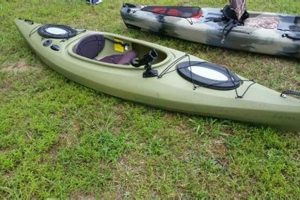
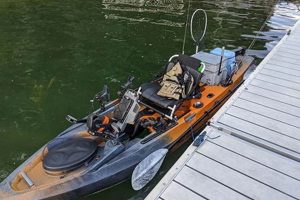
A specialized insulated container designed for aquatic environments keeps caught fish fresh during kayak fishing trips. These containers vary in size, material, and features like rod holders or attachment points, catering to different kayak types and fishing styles. A common example is a hard-sided cooler secured to a kayak with straps or bungee cords, though soft-sided, flexible options also exist.
Maintaining the quality of a catch is crucial for both ethical consumption and enjoyment. Without proper temperature control, fish can spoil rapidly, especially in warm climates. These specialized containers address this challenge, allowing anglers to preserve their catch for extended periods on the water. This ability has become increasingly important with the growth in popularity of kayak fishing, enabling longer expeditions and maximizing fishing opportunities. Early kayak anglers often relied on simpler methods, like stringers or basic coolers, but the development of purpose-built storage solutions has significantly enhanced the kayak fishing experience.
The following sections will explore key factors in selecting an appropriate container for kayak fishing, including insulation performance, size and capacity considerations, mounting options, and popular materials and designs.
Tips for Choosing and Using Kayak Fishing Coolers
Proper cooler selection and usage are crucial for maximizing catch freshness and enjoyment during kayak fishing excursions. These tips offer guidance for optimizing the experience.
Tip 1: Consider Kayak Compatibility: Cooler dimensions and mounting styles must align with kayak size and design. Smaller kayaks benefit from compact, flexible coolers, while larger vessels accommodate more robust, hard-sided options. Secure mounting prevents shifting during paddling and fishing.
Tip 2: Prioritize Insulation Performance: Superior insulation maintains lower temperatures for longer durations, preserving catch quality. Check cooler specifications for ice retention ratings and consider factors like ambient temperature and trip length.
Tip 3: Evaluate Capacity Needs: Cooler capacity should align with anticipated catch size and trip duration. Oversized coolers add unnecessary weight and bulk, while undersized containers limit storage potential. Careful planning ensures appropriate storage space.
Tip 4: Choose Appropriate Materials: Durable materials like rotomolded plastic offer superior impact resistance and insulation compared to less robust alternatives. Consider material properties in relation to potential wear and tear.
Tip 5: Pre-Chill the Cooler: Cooling the container and its contents before departure significantly extends ice life and maintains lower temperatures throughout the fishing trip. Adding frozen water bottles or reusable ice packs further enhances cooling efficiency.
Tip 6: Optimize Cooler Organization: Employing dividers or organizing smaller containers within the cooler can prevent items from shifting during transport and facilitate easier access. This also aids in maintaining consistent temperatures throughout the cooler.
Tip 7: Minimize Lid Openings: Frequent opening exposes the cooler’s contents to warmer ambient temperatures, accelerating ice melt. Opening the lid only when necessary helps preserve optimal cooling conditions.
Following these guidelines ensures optimal cooler performance and preserves the quality and freshness of the catch, contributing to a more successful and enjoyable kayak fishing experience.
By understanding the factors influencing cooler selection and usage, anglers can make informed decisions and enhance their time on the water. The subsequent conclusion will summarize the key considerations for optimizing kayak fishing cooler practices.
1. Capacity

Cooler capacity is a critical factor in kayak fishing, directly influencing the quantity of fish that can be stored and preserved during an outing. Selecting the appropriate capacity requires careful consideration of target species, trip duration, and individual fishing style. An insufficient capacity limits the practicality of longer trips or successful outings targeting larger fish, while excessive capacity adds unnecessary weight and bulk to the kayak.
- Target Species Size and Quantity:
The average size and anticipated number of fish being targeted directly influence the required cooler capacity. Anglers pursuing smaller panfish require less storage space than those targeting larger game fish like salmon or trout. For example, a 5-quart cooler might suffice for a few panfish, while a 25-quart cooler becomes necessary for larger species or higher quantities. Accurate estimation of potential catch volume ensures appropriate cooler selection.
- Trip Duration:
Longer trips necessitate greater storage capacity to accommodate the cumulative catch over multiple days. A multi-day expedition requires significantly more storage than a short afternoon outing. For instance, a weekend trip might require a 45-quart cooler to accommodate the catch, while a day trip might suffice with a smaller 20-quart option. Trip length is a key determinant of capacity needs.
- Fishing Style and Regulations:
Fishing styles influence capacity requirements. Anglers practicing catch-and-release require minimal or no storage, while those keeping their catch need ample space. Furthermore, local fishing regulations often impose limits on the number or size of fish that can be kept. Cooler capacity should align with these regulations. For example, regulations limiting the catch to five fish under 12 inches necessitate less storage than regulations permitting larger quantities or sizes. Adherence to regulations is paramount.
- Kayak Size and Stability:
Kayak size and stability impose practical limits on cooler capacity. Smaller kayaks, especially those with limited deck space, restrict the size and weight of the cooler that can be safely accommodated. Oversized coolers compromise stability and maneuverability. Matching cooler dimensions to kayak size ensures safe and efficient operation. For example, a compact 10-quart cooler suits a smaller recreational kayak, while a larger, more stable fishing kayak can handle a 30-quart cooler. Stability considerations are crucial.
Understanding the interplay between these factors and cooler capacity allows anglers to select the most appropriate size for their specific kayak fishing needs, optimizing both storage efficiency and on-the-water performance. Selecting a cooler that accurately reflects anticipated catch volume, trip duration, fishing style, and kayak limitations ensures a successful and enjoyable experience.
2. Insulation

Insulation plays a vital role in maintaining the quality and safety of the catch in kayak fishing. Effective insulation minimizes temperature fluctuations within the cooler, preserving fish freshness and preventing spoilage, especially during extended outings in warm weather. The insulation’s effectiveness directly impacts the longevity of ice or ice packs, extending the time the catch remains chilled and safe for consumption. Various factors influence insulation performance, including material type, thickness, and construction.
- Insulation Material:
Cooler insulation typically employs closed-cell foam materials, such as polyurethane or expanded polystyrene (EPS). Polyurethane generally offers superior insulation compared to EPS due to its higher density and smaller cell structure, reducing heat transfer more effectively. Rotomolded coolers often utilize polyurethane foam, contributing to their high ice retention capabilities. Conversely, less expensive coolers might utilize EPS foam, which, while adequate for shorter trips, may not provide the same level of insulation for extended periods.
- Insulation Thickness:
Insulation thickness directly correlates with its effectiveness. Thicker insulation layers provide greater resistance to heat transfer, keeping the contents cooler for longer. Coolers designed for extended use or extreme temperatures often feature thicker insulation than those intended for shorter trips or moderate climates. For example, a cooler with two inches of insulation will typically outperform a cooler with one inch of insulation under similar conditions. The specific thickness required depends on the anticipated ambient temperature and trip duration.
- Cooler Construction and Design:
Cooler construction significantly influences insulation performance. Features like tight-fitting lids with robust gaskets minimize air exchange, reducing heat transfer. Additionally, well-designed drain plugs minimize temperature fluctuations during drainage. Rotomolded coolers, with their seamless construction and thick insulation, generally offer superior performance compared to coolers with multiple parts or thinner walls. Even small gaps or imperfections in construction can compromise insulation effectiveness.
- Impact of External Factors:
External factors, such as ambient temperature, direct sunlight exposure, and frequency of cooler openings, significantly affect insulation performance. Higher ambient temperatures and direct sunlight accelerate ice melt, while frequent lid openings introduce warm air into the cooler. Minimizing sun exposure by placing the cooler in shade and limiting lid openings helps preserve ice and maintain lower internal temperatures, extending the effective insulation period.
The effectiveness of a kayak fishing cooler’s insulation directly impacts the quality and safety of the catch. Selecting a cooler with appropriate insulation for anticipated conditionsconsidering material, thickness, construction, and external factorsensures optimal performance and preserves the freshness of the catch throughout the fishing trip.
3. Mounting System

Secure mounting systems are essential for integrating fish coolers into kayaks, ensuring stability and accessibility while maximizing onboard space and minimizing interference with paddling and fishing activities. A properly secured cooler prevents unwanted shifting or tipping during maneuvers, protecting both the catch and the kayak’s balance. Various mounting methods exist, each offering specific advantages and disadvantages depending on kayak type, cooler design, and individual preferences.
Common mounting options include straps, bungee cords, and dedicated track systems. Straps offer versatility and adjustability, accommodating various cooler sizes and shapes. Bungee cords provide a quick and flexible securing method, particularly suitable for smaller, lighter coolers. Track systems, installed directly onto the kayak, offer robust attachment points for compatible accessories, including specialized cooler mounts. Choosing the appropriate system depends on factors like kayak compatibility, cooler size and weight, desired level of security, and ease of installation and removal. For instance, a large, heavy cooler on a fishing kayak benefits from a robust track system or multiple straps for maximum stability, whereas a smaller cooler on a recreational kayak might suffice with simple bungee cords. Inadequate or improperly installed mounting systems can lead to instability, cooler damage, and potential loss of the catch, highlighting the practical significance of selecting and installing a suitable system.
Effective mounting systems enhance both safety and efficiency in kayak fishing. They contribute to a stable and organized vessel, allowing anglers to focus on fishing rather than managing a shifting cooler. The proper selection and installation of a mounting system, tailored to the specific kayak and cooler, are crucial for maximizing both enjoyment and success on the water. This careful consideration ensures the cooler remains secure and accessible throughout the fishing trip, contributing to a more positive overall experience.
4. Portability
Portability is a crucial factor influencing the practicality and enjoyment of kayak fishing. Transporting a cooler to and from the kayak, often across varying terrain, requires manageable weight and convenient carrying features. Overly cumbersome or awkward coolers detract from the overall fishing experience, particularly during longer expeditions or when navigating challenging access points. Balancing storage capacity with portability ensures efficient transport and convenient handling without compromising on-the-water functionality.
- Weight and Dimensions:
Cooler weight and dimensions directly impact portability. Heavier, bulkier coolers present challenges during transport, especially across uneven or sandy terrain. Compact, lightweight designs facilitate easier handling and maneuvering. For instance, a smaller, lighter cooler with integrated carrying handles proves significantly more portable than a larger, heavier cooler lacking such features. Careful consideration of cooler dimensions relative to individual strength and the typical terrain encountered during fishing trips ensures manageable transport.
- Carrying Features:
Integrated carrying features, such as sturdy handles, shoulder straps, or wheeled designs, significantly enhance cooler portability. Padded shoulder straps distribute weight evenly, reducing strain during longer carries. Wheeled coolers facilitate transport across flat surfaces, minimizing lifting. For example, a cooler with a telescoping handle and rugged wheels simplifies transport across docks or parking areas. The presence and design of carrying features are essential considerations when evaluating cooler portability.
- Kayak Compatibility:
Cooler dimensions must align with kayak size and design for efficient integration and transport. Oversized coolers can be difficult to maneuver onto and secure within smaller kayaks, potentially compromising stability. Conversely, undersized coolers might not provide adequate storage for longer trips. Balancing cooler size with kayak dimensions and available storage space ensures safe and practical transport and usage. Matching cooler dimensions to kayak specifications enhances both portability and on-the-water performance.
- Material and Construction:
Cooler material and construction influence both weight and durability, impacting portability. Durable, lightweight materials like rotomolded plastic offer a balance of strength and manageable weight. Reinforced corners and robust handles enhance durability during transport, reducing the risk of damage. A well-constructed cooler withstands the rigors of transport and handling, contributing to long-term practicality. Prioritizing robust construction ensures the cooler remains portable and functional throughout its lifespan.
Portability directly impacts the overall kayak fishing experience. Balancing cooler capacity with manageable weight and dimensions, incorporating convenient carrying features, and ensuring compatibility with the kayak itself optimizes transport efficiency and on-the-water functionality. Careful consideration of these factors contributes to a more enjoyable and less cumbersome fishing excursion, allowing anglers to focus on the sport rather than the logistics of cooler management. Prioritizing portability enhances overall convenience and enjoyment on the water.
5. Durability

Durability is paramount for kayak fishing coolers, given the demanding conditions they face. Exposure to saltwater, UV radiation, and physical impacts necessitates robust construction. A durable cooler withstands these rigors, maintaining its structural integrity and insulating properties over extended periods. This longevity translates to sustained performance, preserving catch quality and preventing premature cooler failure. For example, a cooler constructed from rotomolded polyethylene resists cracking and warping better than a less durable material like standard plastic under similar stress. This resilience is crucial for maintaining the cooler’s functionality and protecting the investment.
Several factors contribute to cooler durability. Material selection plays a critical role; high-density polyethylene and rotomolded construction generally offer superior impact and UV resistance. Hardware, such as hinges, latches, and handles, also impacts overall durability. Stainless steel or heavy-duty plastic components resist corrosion and breakage better than less robust alternatives. Furthermore, construction techniques, like seamless molding or reinforced corners, enhance structural integrity, reducing vulnerability to damage. A cooler with reinforced corners better withstands drops or impacts compared to one without such reinforcement, illustrating the practical significance of durable construction. Investing in a durable cooler minimizes the risk of failure in challenging environments, protecting both the catch and the investment over time. This reliability becomes especially crucial during extended expeditions or remote fishing trips where cooler failure could compromise food safety and trip success.
Cooler durability directly influences long-term value and performance in kayak fishing. Selecting a cooler built to withstand the rigors of the marine environment ensures reliable function and extended lifespan. Prioritizing durability minimizes replacement costs and ensures consistent performance throughout the cooler’s life, contributing to both successful fishing trips and responsible resource management. Understanding the factors that contribute to cooler durability enables informed decisions, maximizing the return on investment and minimizing the environmental impact of frequent replacements.
6. Leak Resistance

Leak resistance is a critical feature in kayak fishing coolers, directly impacting both catch preservation and kayak stability. A leak-resistant cooler prevents water ingress and egress, maintaining a controlled internal environment for preserving fish and preventing the accumulation of water within the kayak itself. Water inside the kayak compromises stability and can lead to equipment damage or even capsizing. Conversely, leakage from the cooler contaminates the surrounding water with fish odors and fluids, potentially attracting unwanted wildlife or negatively impacting water quality. For example, a leaky cooler containing bait or fish remnants can attract sharks or other predators, creating a safety hazard for kayakers. Furthermore, leakage of melted ice containing fish blood or slime can pollute the water, raising environmental concerns.
Several factors influence a cooler’s leak resistance. Gasket quality and design play a crucial role in preventing water penetration around the lid. Robust latches and hinges maintain a tight seal, further enhancing leak resistance. Drain plug design and construction also contribute significantly. A well-designed drain plug creates a secure seal when closed, preventing leakage even when the cooler is filled with water or ice. For example, a cooler with a threaded drain plug and a rubber gasket offers superior leak resistance compared to one with a simple friction-fit plug. This enhanced sealing capability safeguards against accidental spills or leakage during transport or use. Moreover, cooler construction and materials also affect leak resistance. Seamless, rotomolded coolers generally offer superior leak resistance compared to coolers with multiple parts or seams, minimizing potential leak points. These design features are particularly important in kayak fishing, where the cooler is often exposed to splashing water and potentially submerged during launching or landing.
Effective leak resistance is essential for responsible and successful kayak fishing. Preventing contamination of the kayak and the surrounding environment preserves both safety and ecological integrity. Furthermore, maintaining a dry and stable kayak enhances angler safety and comfort. Understanding the factors contributing to leak resistance empowers informed purchasing decisions, ensuring the selected cooler meets the specific demands of kayak fishing. This informed approach supports both enjoyable fishing experiences and responsible environmental stewardship.
Frequently Asked Questions
This section addresses common inquiries regarding specialized coolers designed for kayak fishing, providing concise and informative responses to facilitate informed decision-making.
Question 1: What key features distinguish kayak fishing coolers from standard coolers?
Kayak-specific models often incorporate features like tie-down points, rod holders, and specialized mounting systems for secure integration with kayaks. These features enhance stability and accessibility while maximizing onboard space.
Question 2: How does cooler size impact kayak stability and performance?
Oversized coolers can compromise kayak stability and maneuverability, especially in smaller vessels. Cooler dimensions should align with kayak size and weight capacity for optimal performance and safety.
Question 3: What are the most durable cooler materials for kayak fishing environments?
Rotomolded polyethylene and high-density plastics offer superior durability, impact resistance, and UV protection compared to less robust materials like standard plastic. These materials withstand the rigors of the marine environment.
Question 4: How can cooler leakage be prevented during kayak fishing trips?
Ensuring a tight-fitting lid with a quality gasket, robust latches, and a secure drain plug minimizes the risk of leakage. Regular inspection and maintenance of these components are crucial for preventing leaks.
Question 5: What factors influence the ice retention capabilities of a kayak fishing cooler?
Insulation type and thickness, ambient temperature, sun exposure, and frequency of lid openings all influence ice retention. Pre-chilling the cooler and minimizing lid openings can extend ice life.
Question 6: How does one choose the appropriate cooler capacity for kayak fishing?
Cooler capacity should align with anticipated catch size, trip duration, and target species. Oversized coolers add unnecessary weight, while undersized coolers limit storage potential. Careful planning ensures appropriate storage space.
Addressing these common inquiries provides a foundation for selecting and utilizing a cooler that optimizes the kayak fishing experience. Careful consideration of individual needs and preferences ensures the chosen cooler aligns with specific fishing styles and kayak compatibility requirements.
The following section explores popular cooler models and brands specifically designed for kayak fishing, providing further guidance for selecting the optimal equipment.
Fish Cooler for Kayak
Careful selection of a fish cooler designed for kayak use is paramount for preserving catch quality and enhancing the overall fishing experience. Key considerations include capacity, insulation, mounting system, portability, durability, and leak resistance. Each factor plays a crucial role in ensuring the cooler effectively maintains the freshness and integrity of the catch while integrating seamlessly with the kayak’s design and the angler’s needs. Balancing these elements optimizes both on-the-water performance and responsible resource management.
Prioritizing these factors contributes to successful and sustainable kayak fishing practices. Investing in a well-designed, durable, and appropriately sized fish cooler safeguards catch quality, enhances angler convenience, and minimizes environmental impact. Choosing wisely ensures long-term satisfaction and responsible enjoyment of the sport.