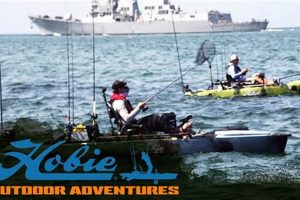
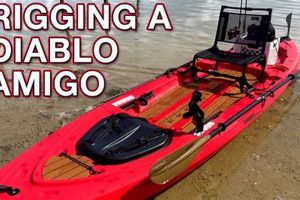
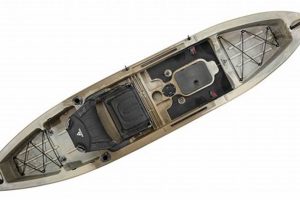
The sport of angling from small, human-powered vessels in the numerous lakes and rivers of Central Texas offers a unique blend of recreation and connection with nature. This activity allows for access to otherwise difficult-to-reach fishing spots, providing opportunities to target a variety of freshwater species such as largemouth bass, Guadalupe bass, catfish, and sunfish. Imagine silently gliding across a still lake at dawn, casting a line into the cool, clear water.
This pursuit provides significant advantages for anglers. The quiet, non-motorized approach minimizes disturbance to fish, increasing the likelihood of a successful catch. Furthermore, the low cost of entry compared to motorized boating makes it an accessible pastime for a wider range of individuals. Historically, smaller watercraft have been utilized for fishing in the region, but the modern popularity of this specific method highlights a renewed appreciation for its quiet effectiveness and environmentally conscious approach.
Further exploration of this topic will cover essential equipment, popular locations, effective techniques, and relevant regulations for a safe and enjoyable experience on the water. This information will benefit both novice and experienced anglers looking to explore the diverse aquatic environments of the region.
Tips for Kayak Angling in Central Texas
Successful angling from a kayak in Central Texas requires preparation and awareness. The following tips offer guidance for a productive and enjoyable experience.
Tip 1: Prioritize Safety. Always wear a personal flotation device (PFD). Check weather forecasts before embarking and be aware of changing conditions. Carry a whistle and a communication device for emergencies. Inform someone of planned fishing locations and estimated return times.
Tip 2: Choose Appropriate Gear. Select a kayak designed for stability and fishing, preferably with rod holders and storage compartments. Use fishing rods and reels suited for the target species. Pack essential tackle, including lures, hooks, line, and weights appropriate for the local fish.
Tip 3: Plan and Research. Study maps and fishing reports to identify productive areas. Consider water depth, vegetation, and structure when selecting fishing locations. Understand local regulations regarding licenses and catch limits.
Tip 4: Master Kayak Control. Practice paddling and maneuvering the kayak efficiently before venturing into fishing areas. Learn basic paddling strokes for moving forward, backward, and turning. Practice anchoring or positioning the kayak in current or wind.
Tip 5: Employ Stealth Techniques. Minimize noise and movement while fishing. Approach fishing spots quietly, avoiding sudden movements that might spook fish. Use natural colors and patterns for clothing and gear to blend with the surroundings.
Tip 6: Respect the Environment. Practice catch-and-release whenever possible. Properly dispose of fishing line and other waste. Avoid disturbing natural habitats and wildlife. Adhere to Leave No Trace principles.
Tip 7: Learn Local Fishing Patterns. Understand the seasonal behavior of target species and adjust fishing techniques accordingly. Consult with local bait shops or experienced anglers for advice on effective lures and bait presentations.
By following these guidelines, anglers can enhance their success, ensure safety, and contribute to the preservation of Central Texas aquatic ecosystems.
With preparation and a mindful approach, kayak angling in this region provides a rewarding experience connecting individuals with nature and the thrill of the catch.
1. Location Selection

Location selection is paramount for successful kayak angling in Central Texas. The region offers diverse aquatic environments, each presenting unique opportunities and challenges. The choice of location directly influences the target species available, the techniques required, and the overall experience. For example, the still waters of Lake Travis favor anglers targeting largemouth bass and sunfish, while the flowing waters of the Guadalupe River provide opportunities for Guadalupe bass and catfish. Careful consideration of water conditions, accessibility, and potential hazards is essential. Factors such as water clarity, depth, vegetation, and the presence of submerged structures influence fish behavior and dictate the most effective fishing approaches.
Choosing between river and lake environments presents a significant decision. Rivers offer the dynamic challenge of current and often clearer water, while lakes provide broader expanses and deeper holes where fish may congregate. Accessibility varies greatly; some locations require longer paddles or portages, while others offer convenient launch points. Researching public access points, boat ramps, and parking availability streamlines the preparation process. Consulting local fishing reports and maps provides valuable insights into fish activity, preferred bait, and successful techniques at specific locations. An informed choice of location significantly increases the likelihood of a productive and enjoyable fishing trip.
Effective location selection optimizes the advantages of kayak fishing in Central Texas. The quiet, non-motorized approach of kayaks allows anglers to access shallow coves, narrow creeks, and areas inaccessible to larger boats, maximizing opportunities to find fish. Understanding the nuances of each location and how they relate to target species behavior allows anglers to refine their approach, leading to a more rewarding experience. This careful consideration minimizes wasted time and effort, allowing anglers to focus on the enjoyment and challenge of the sport within the unique environment of Central Texas.
2. Kayak Choice
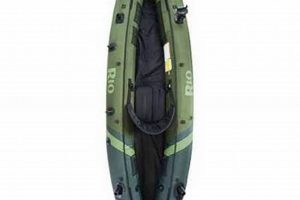
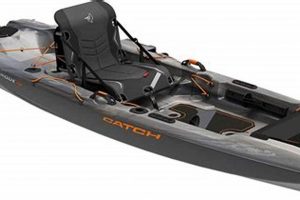
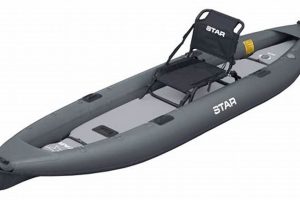
Kayak selection significantly impacts the experience of angling in Central Texas waters. The chosen vessel must suit the angler’s skill level, the targeted fishing environment, and the specific needs of the activity. An appropriate kayak enhances stability, maneuverability, and overall fishing success. Considerations include kayak type, size, features, and how these factors interact with the characteristics of Central Texas waterways.
- Hull Design
Hull design influences stability and maneuverability. A sit-on-top kayak offers greater stability and ease of re-entry after a potential capsize, making it suitable for beginners and fishing in calmer waters. Sit-inside kayaks provide better protection from the elements and improved tracking in moving water but require more experience to manage. A wider, flatter hull offers increased stability for casting and landing fish, while a longer, narrower hull provides greater speed and efficiency for covering larger distances, particularly in open lakes like Lake Travis. The choice depends on the angler’s comfort level and the specific fishing environment.
- Length and Width
Kayak dimensions directly affect performance. Longer kayaks (12+ feet) track better and cover distance more efficiently, suitable for larger lakes and rivers. Shorter kayaks (under 12 feet) offer enhanced maneuverability in tighter spaces, making them ideal for navigating shallow creeks and smaller rivers like the San Marcos River. Wider kayaks provide greater stability, important for standing and casting, while narrower kayaks are faster but less stable. Balancing stability and maneuverability is key, particularly in varied environments.
- Features and Accessories
Specialized features enhance fishing functionality. Rod holders, integrated tackle storage, and anchor trolleys streamline fishing activities. Foot-controlled rudder systems improve maneuverability in wind and current. Features like dry storage compartments protect essential gear from water damage. Selecting a kayak with appropriate features simplifies fishing logistics and enhances overall comfort and efficiency on the water.
- Propulsion Systems
While traditional paddle kayaks offer a quiet and immersive experience, pedal-powered kayaks allow anglers to cover greater distances with less physical exertion. This can be advantageous in larger bodies of water like Lake Buchanan. Electric motors provide an even greater range and speed, but careful consideration of battery life and potential impacts on the fishing environment is crucial. Choosing the right propulsion method depends on individual preferences, fishing style, and the physical demands of the chosen fishing locations.
Matching kayak characteristics to the specific challenges and opportunities of Central Texas waters enhances the overall fishing experience. Whether navigating the currents of the Guadalupe River or exploring the quiet coves of Lake Austin, the right kayak ensures stability, maneuverability, and efficient access to productive fishing spots, contributing directly to a successful and enjoyable outing.
3. Targeted Species

The diverse aquatic ecosystems of Central Texas support a variety of fish species, creating ample opportunities for kayak anglers. Understanding the specific species sought influences equipment choices, location selection, and fishing techniques. Largemouth bass, a popular target, thrives in the reservoirs and rivers, responding well to lures that mimic their prey, such as crankbaits and plastic worms. Guadalupe bass, the state fish of Texas, prefers clearer, flowing waters and presents a unique challenge for anglers due to its selective feeding habits. Catfish, prevalent throughout the region, are often targeted using bottom fishing techniques with bait such as stinkbait or cut bait. Sunfish, while smaller, offer plentiful opportunities for action, particularly for novice anglers, and readily take various baits and lures.
Targeting specific species requires a tailored approach. Knowledge of preferred habitats and feeding patterns dictates where and how to fish. For example, pursuing largemouth bass in Lake Travis may involve focusing on areas with submerged vegetation or rocky structures, utilizing techniques like Texas rigging or Carolina rigging to present lures effectively. In contrast, targeting Guadalupe bass in the Guadalupe River necessitates lighter tackle and presentations that mimic aquatic insects or small baitfish. Understanding the seasonal behavior of target species also plays a crucial role. Spawning periods, temperature preferences, and seasonal feeding patterns all influence fish location and activity levels, informing strategic decisions for anglers.
The relationship between targeted species and kayak fishing in Central Texas highlights the importance of informed angling practices. Matching techniques and equipment to the specific characteristics of desired species maximizes the chances of a successful and rewarding experience. This understanding also fosters a greater appreciation for the ecological diversity of the region and promotes responsible fishing practices that contribute to the long-term health of these valuable aquatic ecosystems. Considering the specific needs and behaviors of target species not only improves fishing outcomes but also underscores the interconnectedness between angler and environment.
4. Safety Precautions
Safe practices are paramount in central Texas kayak fishing, ensuring angler well-being and preserving the natural environment. The unique characteristics of the region, including variable weather conditions and diverse water environments, necessitate careful planning and preparation. Understanding and implementing appropriate safety measures contribute significantly to a positive and incident-free experience.
- Personal Flotation Devices (PFDs)
Wearing a properly fitted PFD is non-negotiable. Texas law requires all vessels, including kayaks, to carry one approved PFD per person on board. However, simply having a PFD on board isn’t enough; wearing it consistently is crucial. Unexpected incidents, such as capsizing or sudden changes in weather, can occur rapidly, leaving little time for reaction. A PFD provides essential buoyancy and can prevent drowning, especially in colder water where hypothermia poses an additional risk. Choosing a comfortable and appropriately sized PFD ensures unrestricted movement while paddling and fishing.
- Weather Awareness
Central Texas weather can change rapidly, shifting from calm to stormy conditions in a short time. Checking weather forecasts before heading out and remaining vigilant throughout the trip are essential. Sudden gusts of wind, lightning storms, and temperature drops can create hazardous situations on the water. Having a plan for seeking shelter or returning to shore quickly is crucial. Portable weather radios or smartphone apps provide real-time updates and warnings, enabling anglers to make informed decisions about their safety.
- Navigation and Communication
Carrying essential navigation and communication tools enhances safety. A map, compass, or GPS device aids in orientation, particularly in larger bodies of water or unfamiliar areas. A fully charged cell phone in a waterproof case allows communication in emergencies. Informing someone of planned fishing locations and estimated return times provides an additional layer of security. A whistle can signal for help if needed. Understanding local regulations and waterway markers helps avoid restricted areas and potential hazards.
- Sun and Heat Protection
The intense Texas sun presents significant risks of sunburn, heat exhaustion, and dehydration. Applying sunscreen with a high SPF, wearing protective clothing like hats and long sleeves, and staying hydrated by drinking plenty of water are crucial for maintaining health and well-being during extended periods on the water. Recognizing the early signs of heat-related illnesses and taking appropriate action, such as seeking shade and rest, can prevent serious medical complications.
By prioritizing these safety precautions, kayak anglers in central Texas contribute significantly to their personal well-being and the overall enjoyment of the experience. These measures not only mitigate potential risks but also foster a greater sense of confidence and responsibility on the water, allowing anglers to focus on the sport and appreciate the unique natural environment.
5. Fishing Techniques

Effective fishing techniques are integral to successful kayak angling in Central Texas. The unique characteristics of this region’s waters, combined with the specific advantages and limitations of kayak fishing, necessitate a tailored approach. Understanding how these techniques interact with the environment and target species is crucial for maximizing catch rates and fostering a rewarding experience. Consider the interplay between technique and location. Drift fishing, a productive method for targeting catfish and other bottom-dwelling species, proves effective in the slow-moving sections of the Guadalupe River. Anglers employ this technique using weighted bait allowed to drift naturally along the riverbed. Conversely, in the still waters of Lake Austin, sight casting for bass with topwater lures or soft plastics requires precise kayak positioning and accurate casting to entice strikes. The kayak’s quiet approach allows close proximity to fish without disturbance, making finesse techniques particularly effective.
Technique selection must also account for target species behavior. When pursuing largemouth bass in vegetated areas, flipping or pitching presentations into pockets within the cover maximizes the chances of enticing a strike. This technique benefits from the kayak’s maneuverability, allowing anglers to access tight spaces inaccessible to larger boats. In contrast, trolling with crankbaits or spinnerbaits can be productive for covering larger areas of open water when searching for white bass or striped bass in reservoirs like Lake Travis. The kayak’s stability and low profile minimize drag and allow for precise lure control. Furthermore, techniques must adapt to seasonal changes. During warmer months, topwater lures become effective for bass as they actively feed near the surface. As water temperatures cool, switching to slower presentations like jigs or drop-shot rigs fished deeper proves more productive. Understanding these seasonal variations and adjusting techniques accordingly maximizes success throughout the year.
Mastery of appropriate fishing techniques enhances angler success and reinforces the unique advantages of kayak fishing in Central Texas. The ability to adapt techniques to specific locations, target species, and seasonal changes maximizes catch rates while minimizing environmental impact. This nuanced approach fosters a deeper connection between angler and environment, highlighting the importance of informed practices for a sustainable and rewarding fishing experience within the diverse aquatic ecosystems of the region.
Frequently Asked Questions
This section addresses common inquiries regarding kayak angling in Central Texas, providing concise and informative responses to facilitate a safe and rewarding experience.
Question 1: What are the licensing requirements for kayak fishing in Central Texas?
A valid Texas fishing license is required for anglers aged 17 and older. Specific license types and exemptions can be found on the Texas Parks and Wildlife Department website.
Question 2: Where can kayaks be launched for fishing access in Central Texas?
Numerous public boat ramps and access points are available throughout the region. Information on specific locations can be found on local municipality websites and maps. Always check local regulations for permitted launching areas.
Question 3: What safety equipment is essential for kayak fishing?
Essential safety equipment includes a personal flotation device (PFD), a whistle, a communication device (such as a cell phone in a waterproof case), and a first-aid kit. Navigation tools like a map, compass, or GPS are also recommended.
Question 4: What are the primary target fish species for kayak anglers in Central Texas?
Common target species include largemouth bass, Guadalupe bass, catfish, and sunfish. The specific species available varies depending on the chosen waterway.
Question 5: Are there any specific regulations regarding fishing from a kayak in Central Texas?
Kayak anglers are subject to the same fishing regulations as other anglers, including catch limits, size restrictions, and permitted fishing methods. Always consult the Texas Parks and Wildlife Department for current regulations.
Question 6: What are the best times of year for kayak fishing in Central Texas?
Fishing can be productive year-round, but spring and fall generally offer the most favorable conditions. Specific species may exhibit peak activity during certain seasons.
Careful consideration of these frequently asked questions ensures anglers are well-informed and prepared for a safe and enjoyable experience. Further research and consultation with local resources can provide additional valuable insights.
Beyond these frequently asked questions, a deeper exploration of advanced techniques, local resources, and ethical considerations will enhance angler expertise and promote responsible enjoyment of this popular pastime in Central Texas.
Conclusion
This exploration of angling from kayaks within Central Texas highlights the multifaceted nature of the activity. From selecting appropriate equipment and understanding target species to prioritizing safety and employing effective techniques, informed preparation is crucial for a rewarding experience. The unique characteristics of this region’s waters present both opportunities and challenges for anglers. Successfully navigating these intricacies demands careful consideration of location, kayak choice, and adherence to local regulations. The diverse fish populations within Central Texas river and lake systems offer a compelling pursuit for anglers of varying skill levels.
The growth in popularity of this pursuit underscores its appeal as a means of connecting with nature and enjoying the tranquility of the outdoors. Continued exploration of advanced techniques, mindful resource management, and ethical angling practices will ensure the long-term sustainability of this increasingly popular recreational activity within the vibrant aquatic ecosystems of Central Texas. This approach fosters a deeper appreciation for the delicate balance between human interaction and environmental preservation.