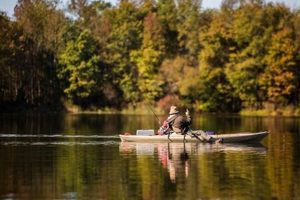
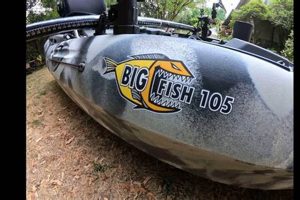
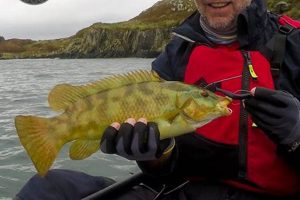
Paddling through the warm, clear waters off the Pacific or Caribbean coasts while casting a line offers a unique angling experience. This method allows access to shallow-water habitats and secluded areas often unreachable by larger vessels, providing opportunities to encounter diverse species such as roosterfish, snapper, snook, and even marlin. Imagine silently gliding through mangroves, observing wildlife both above and below the surface, then feeling the exhilarating tug of a fish on the line.
This approach provides both a sustainable and intimate connection with the marine environment. It minimizes disturbance to ecosystems compared to motorized boats and offers a physical challenge that rewards anglers with a sense of accomplishment beyond simply catching fish. Historically, small, non-motorized watercraft have played a significant role in fishing traditions worldwide, and this modern adaptation continues that legacy, allowing for a personalized and eco-conscious angling adventure. The relatively calm nearshore waters of this Central American nation provide ideal conditions for this activity.
This article will explore the various aspects of this exciting pursuit, delving into topics such as best locations, recommended equipment, species commonly targeted, and responsible fishing practices. It will also provide practical advice for planning a successful and memorable fishing trip, covering topics such as safety precautions, licensing requirements, and local regulations.
Tips for Kayak Fishing in Costa Rica
Successful outings require preparation and awareness. The following tips offer valuable insights for maximizing enjoyment and ensuring a safe and productive experience.
Tip 1: Choose the Right Location: Research different areas based on targeted species and experience level. The calmer waters of the Gulf of Nicoya are ideal for beginners, while the more exposed Pacific coast offers challenging conditions for experienced anglers.
Tip 2: Select Appropriate Gear: Opt for a stable kayak designed for fishing, equipped with rod holders, storage compartments, and an anchor system. Consider using lighter tackle suitable for the target species and the nearshore environment.
Tip 3: Prioritize Safety: Always wear a personal flotation device (PFD) and carry essential safety equipment, including a whistle, signaling mirror, and first-aid kit. Check weather conditions before venturing out and inform someone of your plans.
Tip 4: Hire a Local Guide: Local guides possess invaluable knowledge about the area, including fish behavior, tides, and potential hazards. Their expertise can significantly enhance the chances of a successful trip, particularly for those unfamiliar with the region.
Tip 5: Respect the Environment: Practice catch-and-release whenever possible. Avoid disturbing nesting seabirds or other wildlife and properly dispose of any fishing line or other debris.
Tip 6: Understand Local Regulations: Obtain any necessary fishing licenses and familiarize oneself with local fishing regulations, including size and catch limits. Adherence to these regulations contributes to the sustainability of fish populations.
Tip 7: Pack Essentials: Bring sun protection, including sunscreen, a hat, and sunglasses. Hydration is crucial, so pack plenty of water. A dry bag can protect valuables from splashes and rain.
Tip 8: Be Patient and Observant: Patience is key to successful angling. Observe the surrounding environment for signs of fish activity, such as baitfish or birds diving.
By following these guidelines, anglers can enhance their chances of a rewarding and memorable experience while prioritizing safety and environmental responsibility. Preparation, informed decision-making, and respect for the natural world are essential components of successful kayak fishing.
This article will now offer a detailed examination of specific locations renowned for excellent fishing opportunities, followed by a discussion of suitable tackle and techniques.
1. Location Selection

Optimal location selection is paramount for successful kayak fishing in Costa Rica. The diverse coastline presents a range of environments, each offering unique opportunities and challenges. Calm, protected bays such as those found in the Gulf of Papagayo contrast sharply with the more exposed beaches of the Osa Peninsula. This diversity influences species availability, water conditions, and required skill levels. Choosing a location aligned with angler experience and target species is crucial. For example, novice anglers might find the tranquil waters near Tamarindo ideal for targeting inshore species like snapper and snook, while experienced kayakers seeking larger game fish like marlin might prefer the challenging waters off Quepos. Understanding these nuances maximizes the chances of a productive and enjoyable experience.
Careful consideration of factors beyond species and experience further refines location selection. Accessibility, proximity to launch sites, and prevailing weather patterns play significant roles. Some areas require longer paddles to reach productive fishing grounds, while others offer convenient launch points close to abundant fish populations. Additionally, wind and currents can significantly impact kayak maneuverability and safety, particularly in more exposed locations. Consulting local tide charts and weather forecasts is crucial for planning safe and effective fishing trips. For instance, Drake Bay, known for its abundant marine life, can experience strong currents and challenging conditions, making it more suitable for experienced kayakers. Conversely, areas like Manuel Antonio offer sheltered coves and calmer waters accessible to a broader range of skill levels.
Effective location selection directly influences the overall success and enjoyment of kayak fishing in Costa Rica. Matching location characteristics to angler skill and target species, while considering practical factors such as accessibility and weather, is essential. Thorough research and planning, potentially including consultation with local guides or experienced anglers, can significantly enhance the likelihood of a rewarding experience. Informed decision-making in this crucial aspect contributes to both angler safety and a greater appreciation for the diverse marine ecosystems encountered.
2. Targeted Species

The diverse fish populations inhabiting Costa Rican waters offer kayak anglers a wide array of targeted species. From powerful game fish to colorful reef dwellers, the selection influences equipment choices, fishing techniques, and location selection. Understanding the characteristics and habitats of these species is crucial for a successful and rewarding fishing experience.
- Inshore Species:
Species such as roosterfish, snook, and snapper inhabit nearshore areas, including estuaries, mangroves, and rocky reefs. These fish are often targeted using lighter tackle and techniques like sight fishing or casting lures. Roosterfish, known for their distinctive dorsal fin, provide an exciting challenge for anglers, while snook offer a thrilling fight in the shallows. Snapper, prized for their flavor, are a popular target for both sport and culinary purposes. These inshore species thrive in the calmer waters accessible by kayak, making them ideal targets for anglers of varying experience levels.
- Offshore Species:
Pelagic fish like marlin, sailfish, and tuna roam the deeper waters offshore. Targeting these species typically requires heavier tackle and specialized techniques like trolling or drifting live bait. Kayak anglers venturing offshore often seek these larger game fish for the thrilling challenge they present. However, pursuing these species requires careful planning and consideration of weather conditions and safety precautions, as the open ocean presents a different set of challenges compared to inshore fishing. The potential rewards of landing a trophy marlin or sailfish from a kayak draw experienced anglers seeking an adrenaline-pumping adventure.
- Reef Fish:
The vibrant coral reefs surrounding Costa Rica harbor a multitude of colorful and diverse fish species. Grouper, snapper, and jacks are among the many reef inhabitants targeted by kayak anglers. These fish can be caught using a variety of techniques, including jigging, bottom fishing, and casting small lures. Exploring these underwater ecosystems from a kayak provides a unique perspective and opportunity to observe the rich biodiversity. The relatively shallow depths and calm waters near reefs make them accessible and enjoyable for kayak fishing.
- Other Species:
Beyond the commonly targeted species, kayak anglers in Costa Rica may encounter other intriguing fish such as mackerel, barracuda, or dorado. These encounters often present unexpected opportunities and add to the diversity of the fishing experience. While not always specifically targeted, these species contribute to the overall excitement and challenge of kayak fishing. Their presence underscores the rich biodiversity of the region and provides anglers with a chance to test their skills against a variety of fish.
The diverse range of targeted species in Costa Rica contributes significantly to the appeal of kayak fishing. Whether seeking the thrill of battling a large pelagic fish or the tranquility of exploring nearshore reefs, anglers can tailor their experience by selecting locations and techniques based on their desired catch. This targeted approach enhances the overall enjoyment and provides opportunities to connect with the rich marine life of the region. The ability to select specific species adds a layer of personalization to kayak fishing and caters to a wide range of angler preferences and skill levels.
3. Equipment Essentials

Appropriate equipment is fundamental to a successful and enjoyable kayak fishing experience in Costa Rica. The selection of essential gear directly impacts safety, comfort, and fishing effectiveness. Specific considerations, from kayak choice to specialized fishing accessories, contribute significantly to the overall outcome of any fishing trip.
- Kayak Selection:
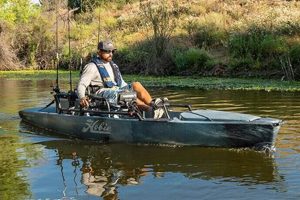
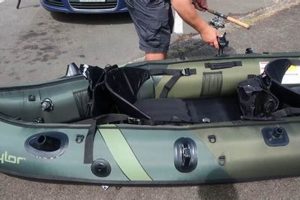
Choosing the right kayak is paramount. Sit-on-top kayaks, known for their stability and self-bailing capabilities, are well-suited to the tropical climate. Consider factors such as length, width, and weight capacity when selecting a kayak. Longer kayaks track better in open water, while shorter, wider kayaks offer enhanced stability for maneuvering in tighter spaces like mangroves. Weight capacity should accommodate the angler, fishing gear, and any potential catch. Specialized fishing kayaks often feature built-in rod holders, storage compartments, and anchor systems, further enhancing their suitability.
- Paddle and PFD:
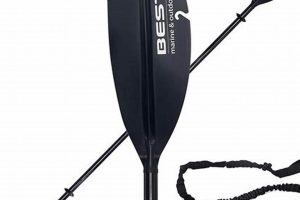
A lightweight, adjustable paddle optimized for kayak fishing provides efficient propulsion and reduces fatigue. A comfortable and properly fitted personal flotation device (PFD) is an absolute necessity for safety. Choose a PFD specifically designed for paddling, with features like high visibility and ample pockets for storing small essentials. The paddle length should be appropriate for the kayaker’s height and the kayak’s width. A PFD should always be worn while on the water, regardless of swimming ability or perceived risk.
- Fishing Gear:
Rods, reels, and tackle should be selected based on the targeted species. Lighter tackle is suitable for inshore fishing, while heavier gear is necessary for offshore pursuits. Consider using braided fishing line for its strength and sensitivity. A selection of lures, hooks, and weights tailored to the target species increases the likelihood of success. Rod holders mounted on the kayak provide convenient storage and easy access to fishing rods while paddling or fighting fish. A tackle box or bag keeps essential gear organized and protected from the elements.
- Safety and Navigation:
Essential safety equipment includes a whistle, signaling mirror, first-aid kit, and a waterproof communication device. A GPS unit or chartplotter assists with navigation, particularly in unfamiliar waters. A dry bag protects valuables from water damage. Checking weather forecasts and tide charts before embarking on a fishing trip is crucial for safety and planning. Informing someone of the planned route and estimated return time adds an extra layer of precaution.
Careful consideration of these equipment essentials directly contributes to a safe, comfortable, and productive kayak fishing experience in Costa Rica. Selecting appropriate gear tailored to the specific environment and targeted species enhances both enjoyment and success. Prioritizing safety equipment and adhering to recommended practices ensures a responsible and memorable adventure. The investment in quality equipment translates to enhanced performance and contributes significantly to the overall satisfaction of exploring Costa Rica’s rich marine environment from a kayak.
4. Safety Procedures
Safety procedures are paramount in Costa Rica kayak fishing due to the inherent risks associated with the activity and the specific environmental conditions. The combination of open water, variable weather patterns, and potential encounters with marine life necessitates careful planning and adherence to established safety protocols. Neglecting these procedures can lead to serious consequences, ranging from minor injuries to life-threatening situations. For instance, venturing out without a personal flotation device (PFD) significantly increases the risk of drowning in the event of a capsize, particularly in rough seas or strong currents. Similarly, ignoring weather forecasts can expose anglers to unexpected storms or high winds, creating hazardous conditions far from shore. A practical understanding of these risks and the implementation of appropriate safety measures is therefore essential for a responsible and enjoyable fishing experience.
Several key safety procedures contribute significantly to mitigating risks associated with kayak fishing in Costa Rica. A comprehensive pre-trip assessment of weather conditions, tides, and currents is fundamental. Informing a trusted individual of the planned route, launch and return times, and emergency contact information adds an extra layer of security. Carrying essential safety equipment, including a PFD, whistle, signaling mirror, first-aid kit, and communication device, is crucial. Regularly checking equipment for wear and tear and ensuring its proper functioning before each trip can prevent malfunctions in critical situations. Understanding basic kayak handling skills, including self-rescue techniques and capsize recovery, equips anglers to respond effectively to unexpected events. For example, knowing how to re-enter a kayak after a capsize in open water can be a life-saving skill. Furthermore, maintaining awareness of one’s surroundings, including boat traffic and potential hazards like submerged rocks or debris, helps prevent accidents and ensures a safe passage through the water.
A proactive approach to safety significantly enhances the overall enjoyment and success of kayak fishing trips in Costa Rica. Implementing established safety procedures minimizes potential risks and allows anglers to focus on the experience. Understanding the potential hazards associated with the activity and taking appropriate precautions contribute to a responsible and positive interaction with the marine environment. Consistent adherence to these practices ensures both personal safety and the preservation of this unique recreational opportunity for future generations. The proactive implementation of safety protocols transforms potential risks into manageable challenges, fostering a culture of responsible enjoyment within the kayak fishing community.
5. Local Regulations
Adhering to local regulations is essential for responsible and sustainable kayak fishing in Costa Rica. These regulations aim to protect fish populations, preserve marine ecosystems, and ensure the long-term viability of this recreational activity. Understanding and complying with these rules contributes to the overall health of the environment and allows for continued enjoyment of Costa Rica’s rich aquatic resources. Non-compliance can result in penalties, including fines or confiscation of equipment, and undermines conservation efforts.
- Fishing Licenses:
Obtaining the necessary fishing licenses is a fundamental requirement. Licenses are typically available through the Instituto Costarricense de Pesca y Acuicultura (INCOPESCA) and can often be purchased online or through authorized vendors. Different licenses may exist for residents and non-residents, and specific licenses might be required for certain species or fishing methods. Possessing a valid license demonstrates legal compliance and supports the management of fisheries resources.
- Catch Limits and Size Restrictions:
Regulations often stipulate catch limits per angler for specific species. Size restrictions, dictating the minimum or maximum size of fish that can be legally kept, aim to protect juvenile and breeding populations. Adhering to these limits ensures sustainable fishing practices and helps maintain healthy fish stocks. Disregarding these regulations can lead to overfishing and depletion of resources, negatively impacting the ecosystem and future fishing opportunities.
- Protected Areas and Species:
Certain areas, such as marine reserves or national parks, may have specific regulations or restrictions on fishing activities. Some species may be protected entirely, prohibiting their capture. Understanding these designations and respecting the boundaries of protected areas is crucial for preserving biodiversity and maintaining the integrity of these sensitive ecosystems. Fishing in restricted areas can disrupt fragile habitats and negatively impact vulnerable species.
- Gear Restrictions:
Regulations may restrict certain fishing gear or methods. For example, the use of certain types of nets or fishing with explosives may be prohibited. These restrictions aim to prevent unsustainable fishing practices and minimize environmental damage. Using prohibited gear can have detrimental effects on fish populations and the overall health of the marine environment.
Compliance with local regulations in Costa Rica is integral to the ethical and sustainable practice of kayak fishing. By understanding and adhering to these rules, anglers contribute to the long-term health of fish populations and the preservation of the marine environment. Responsible fishing practices ensure the continued enjoyment of this recreational activity for future generations. Respect for these regulations demonstrates a commitment to conservation and supports the sustainable management of Costa Rica’s valuable aquatic resources. This awareness and adherence ultimately enrich the overall kayak fishing experience, fostering a deeper appreciation for the natural world and the importance of its protection.
6. Environmental Impact
Minimizing environmental impact is a crucial consideration within Costa Rica kayak fishing. The activity’s inherent proximity to sensitive marine ecosystems necessitates a responsible approach that prioritizes conservation and sustainability. Understanding the potential impacts and implementing mitigation strategies ensures the preservation of these valuable natural resources for future generations. Neglecting environmental considerations can lead to habitat degradation, disruption of wildlife, and depletion of fish populations, ultimately undermining the long-term viability of the activity itself.
- Habitat Disturbance:
Kayaks, while generally less intrusive than motorized vessels, can still disturb sensitive habitats like seagrass beds, coral reefs, and mangrove forests. Dragging kayaks across shallow areas or anchoring improperly can damage these fragile ecosystems. Careful navigation, avoiding shallow areas, and using appropriate anchoring techniques minimize physical impacts. For example, anchoring in sandy areas rather than coral or seagrass beds helps prevent damage to these vital habitats.
- Wildlife Interactions:
Close encounters with marine wildlife are a highlight of kayak fishing, but irresponsible interactions can disrupt animal behavior and cause stress. Maintaining a respectful distance, avoiding sudden movements, and refraining from feeding or touching wildlife ensures minimal disturbance. Disturbing nesting seabirds or interfering with marine mammal behavior can have negative consequences for their breeding success and overall well-being.
- Fishing Practices:
Certain fishing practices can negatively impact fish populations and the broader marine environment. Overfishing, using prohibited gear, or discarding fishing line improperly can deplete resources and contribute to pollution. Practicing catch-and-release whenever possible, adhering to local regulations regarding catch limits and size restrictions, and properly disposing of all fishing gear minimizes these impacts. Using circle hooks reduces injury to released fish, increasing their chances of survival.
- Pollution:
Kayak anglers can contribute to pollution through fuel spills, improper waste disposal, and the introduction of non-native species. Using eco-friendly sunscreen and insect repellent, carrying all trash back to shore, and cleaning kayaks thoroughly before and after entering different bodies of water helps prevent the spread of invasive species and minimizes chemical contamination. Even small amounts of pollutants can accumulate and negatively impact water quality, affecting marine life and overall ecosystem health.
Responsible kayak fishing practices play a crucial role in mitigating potential environmental impacts. By prioritizing conservation and adhering to sustainable guidelines, anglers can enjoy this rewarding activity while contributing to the long-term health and preservation of Costa Rica’s exceptional marine ecosystems. A conscientious approach ensures that future generations can continue to experience the unique beauty and biodiversity of these coastal environments. The integration of environmental awareness into kayak fishing practices elevates the activity beyond mere recreation, transforming it into a form of stewardship that benefits both the angler and the natural world.
Frequently Asked Questions
This section addresses common inquiries regarding kayak fishing in Costa Rica, providing concise and informative responses to facilitate informed decision-making and enhance the overall experience.
Question 1: What are the prime locations for kayak fishing in Costa Rica?
Several locations offer excellent opportunities, each with unique characteristics. The Gulf of Papagayo provides calm waters ideal for beginners, while the Osa Peninsula presents a more challenging experience for seasoned anglers. Tamarindo, Quepos, and Drake Bay are other popular destinations, each offering distinct advantages based on target species and angler experience.
Question 2: What species can one expect to catch while kayak fishing in Costa Rica?
Species diversity is a hallmark of Costa Rican waters. Inshore species like roosterfish, snook, and snapper are common targets. Offshore excursions may yield encounters with marlin, sailfish, and tuna. Reef fishing offers opportunities to catch grouper, snapper, and a variety of colorful reef fish.
Question 3: What essential equipment is required for kayak fishing in Costa Rica?
A stable sit-on-top kayak designed for fishing, a lightweight paddle, and a properly fitted PFD are fundamental. Fishing gear should be chosen based on target species, with lighter tackle for inshore fishing and heavier gear for offshore pursuits. Essential safety equipment includes a whistle, signaling mirror, first-aid kit, and communication device.
Question 4: Are fishing licenses required, and how are they obtained?
Fishing licenses are mandatory and can be obtained through the Instituto Costarricense de Pesca y Acuicultura (INCOPESCA), often online or through authorized vendors. Regulations vary for residents and non-residents, with specific licenses potentially required for certain species or fishing methods.
Question 5: What safety precautions should be taken while kayak fishing in Costa Rica?
Prioritizing safety is paramount. Checking weather forecasts and tide charts before embarking is crucial. Informing someone of the planned route and return time adds an extra layer of security. Wearing a PFD at all times and carrying essential safety equipment is non-negotiable. Understanding basic kayak handling and self-rescue techniques is highly recommended.
Question 6: How can anglers minimize their environmental impact while kayak fishing?
Minimizing environmental impact requires responsible practices. Avoiding sensitive habitats like coral reefs and seagrass beds, respecting wildlife by maintaining a safe distance, adhering to catch limits and size restrictions, and properly disposing of fishing line and other waste are essential considerations.
Addressing these common inquiries provides a foundation for a safe, enjoyable, and environmentally responsible kayak fishing experience in Costa Rica. Careful planning and adherence to recommended practices contribute significantly to a positive and sustainable interaction with the marine environment.
The following section delves into specific techniques and strategies for successful kayak fishing in Costa Rica, building upon the foundational knowledge presented thus far.
Conclusion
This exploration of angling from a kayak in Costa Rican waters has highlighted the multifaceted nature of the activity. From the selection of appropriate locations and targeted species to the essential equipment and safety procedures, each aspect contributes significantly to a successful and rewarding experience. Adherence to local regulations and the adoption of environmentally responsible practices are integral to preserving the rich biodiversity and ensuring the sustainability of this unique pursuit. The diverse range of species available, combined with the accessibility of varied coastal environments, positions this activity as a compelling option for anglers seeking a close connection with nature.
This activity offers a distinctive blend of challenge, tranquility, and connection with the natural world. The potential for unforgettable encounters with diverse marine life, coupled with the physical and mental engagement required, fosters a deep appreciation for the marine environment. Continued responsible engagement with this activity ensures the preservation of these valuable resources for future generations of anglers, promoting a sustainable and harmonious relationship between humans and the ocean.