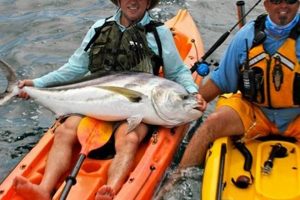
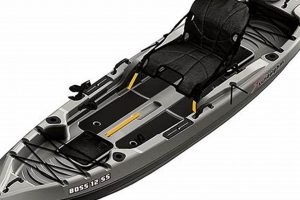
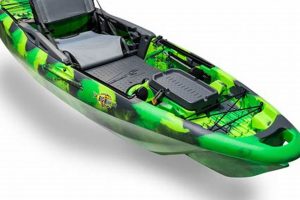
The pursuit of finned quarry from small, human-powered vessels in the open waters off the northern Californian coast presents a unique blend of challenges and rewards. This activity typically involves specialized kayaks equipped with rod holders, storage for tackle and safety gear, and often fish finders. Anglers target a variety of species, from nearshore rockfish and lingcod to pelagic fish like salmon and albacore, depending on season and location. The experience provides a close connection with the marine environment and demands a degree of self-sufficiency.
This style of fishing offers a sustainable and accessible way to engage with the ocean’s bounty. It promotes physical activity and a deeper appreciation for marine ecosystems. Historically, indigenous communities utilized watercraft for fishing and transportation along this coastline for millennia. Modern practitioners benefit from technological advancements in kayak design and fishing gear, allowing for greater safety and efficiency. This evolution has broadened participation and fostered a vibrant community of enthusiasts.
Exploring this topic further will delve into specific locations, target species, necessary equipment, safety considerations, regulations, and ethical practices crucial for responsible and enjoyable saltwater kayak angling in Northern California.
Tips for Pacific Kayak Angling
Careful planning and preparation are essential for a safe and successful experience on the water. The following tips offer guidance for anglers venturing offshore in kayaks along the Northern California coast.
Tip 1: Check Weather and Sea Conditions: Prior to launch, consult multiple marine forecasts and be aware of potential changes throughout the day. Wind, swell, and fog can significantly impact safety and should be considered carefully.
Tip 2: Choose the Right Kayak and Gear: Select a kayak designed for stability in open water and equipped with appropriate safety features. Essential gear includes a personal flotation device (PFD), a VHF radio, a signaling device, and navigation tools.
Tip 3: File a Float Plan: Inform someone on shore of your intended route, launch time, and expected return. This provides a point of contact in case of an emergency.
Tip 4: Understand Local Regulations: Familiarize yourself with fishing license requirements, size and bag limits, and any area closures or restrictions. Carry necessary documentation and adhere to all applicable rules.
Tip 5: Practice Kayak Handling Skills: Develop proficiency in paddling, maneuvering, and self-rescue techniques in calm conditions before venturing into open water. Consider taking a kayak fishing safety course.
Tip 6: Be Aware of Wildlife: Maintain a respectful distance from marine mammals and other wildlife. Store food and gear securely to avoid attracting unwanted attention.
Tip 7: Pack Essential Safety Equipment: Carry a first-aid kit, a bilge pump, a paddle leash, and a repair kit for minor on-the-water repairs.
Adhering to these guidelines contributes significantly to angler safety and responsible enjoyment of the sport. Proper preparation empowers individuals to confidently navigate the challenges and reap the rewards of kayak fishing in the dynamic environment off Northern California.
By incorporating these precautions, anglers can focus on the thrill of the chase and the connection with nature that defines this unique pursuit. This foundation of safety and preparedness allows for a more immersive and fulfilling experience on the water.
1. Location Planning

Strategic location planning is paramount for successful ocean kayak fishing in Northern California. Selecting an appropriate launch site and fishing grounds significantly impacts safety and catch potential. Careful consideration of environmental factors, access points, and target species distribution is essential for a productive and enjoyable experience.
- Coastal Topography and Bathymetry
Understanding the underwater terrain and coastal features is crucial. Rocky reefs, kelp forests, and drop-offs attract various fish species. Navigational charts and online resources provide valuable bathymetric data. Analyzing this information allows anglers to identify promising fishing spots and navigate safely around hazards.
- Prevailing Weather and Sea Conditions
Wind, swell, and current patterns significantly influence kayak handling and fishing conditions. Consulting marine forecasts and real-time buoy data is essential before launching. Choosing locations sheltered from strong winds or currents enhances safety and comfort. Adapting plans based on changing conditions remains crucial throughout the outing.
- Accessibility and Launch Sites
Evaluating launch site accessibility is vital. Beach launches require careful assessment of surf conditions and tidal fluctuations. Boat ramps offer calmer entry but may require longer paddles to reach fishing grounds. Factoring in parking availability, fees, and facilities further refines site selection.
- Target Species Distribution
Different species inhabit specific habitats and depths. Researching target species distribution patterns informs location choices. Online resources, local fishing reports, and consultation with experienced anglers provide valuable insights. Aligning location with desired species increases the likelihood of a successful catch.
By integrating these facets of location planning, anglers enhance their chances of a safe and rewarding experience. Informed decision-making contributes significantly to maximizing fishing success while mitigating risks inherent in the dynamic Northern California coastal environment. This meticulous approach transforms a simple fishing trip into a strategic pursuit, optimizing both enjoyment and results.
2. Species Targeting

Species targeting forms a cornerstone of successful ocean kayak fishing in Northern California. The region’s diverse marine ecosystem supports a wide range of fish species, each exhibiting distinct behavioral patterns and habitat preferences. Understanding these nuances allows anglers to tailor their approach, maximizing catch potential while promoting conservation through selective fishing practices.
For example, rockfish, a popular target, often congregate around rocky reefs and kelp forests in relatively shallow water. Anglers targeting rockfish might employ bottom fishing techniques using heavier tackle and bait such as squid or shrimp. Conversely, salmon, a prized pelagic species, migrate through coastal waters seasonally. Targeting salmon requires different tactics, often involving trolling or casting lures at specific depths. Knowledge of migratory routes and feeding habits proves crucial for success. Similarly, halibut, a bottom-dwelling flatfish, prefers sandy or muddy bottoms. Anglers pursuing halibut might employ drift fishing techniques using live bait or artificial lures designed to mimic their prey.
Effective species targeting necessitates a nuanced understanding of fish behavior, habitat, and seasonal availability. Consulting local fishing reports, tide charts, and online resources provides valuable insights. This informed approach empowers anglers to select appropriate gear, techniques, and locations, leading to increased catch rates and a more fulfilling fishing experience. Furthermore, focusing on specific target species minimizes bycatch and promotes sustainable fishing practices, preserving the delicate balance of the marine environment.
3. Equipment Selection

Appropriate equipment selection is critical for safe and successful ocean kayak fishing in Northern California. The marine environment presents unique challenges, requiring specialized gear designed for stability, performance, and angler safety. Choosing the right equipment significantly impacts both the enjoyment and outcome of each fishing trip.
- Kayak Choice
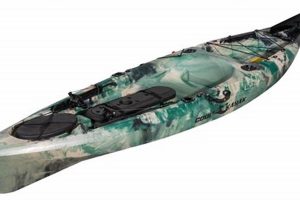
Kayak selection hinges on stability, maneuverability, and storage capacity. Longer kayaks track better in open water, while wider designs offer enhanced stability. Sit-on-top kayaks are preferred for their self-bailing capability and ease of re-entry. Features like rod holders, anchor trolleys, and storage compartments enhance fishing functionality. Specialized fishing kayaks often incorporate these features, optimizing the angling experience.
- Paddle Selection
Paddle choice affects paddling efficiency and fatigue. Lightweight paddles with adjustable lengths and feathered blades optimize stroke mechanics. Durable materials withstand the rigors of saltwater use. A spare paddle serves as a crucial backup in case of breakage or loss.
- Fishing Gear
Rods, reels, lines, and terminal tackle should match target species and fishing techniques. Medium-heavy rods and reels spooled with braided line suit larger fish like salmon or halibut. Lighter gear is appropriate for rockfish and other nearshore species. A variety of lures, hooks, and weights cater to different fishing styles and conditions.
- Safety Equipment
Safety equipment is paramount in the open ocean environment. A personal flotation device (PFD) is mandatory and should be worn at all times. A VHF radio enables communication in emergencies. A signaling device, such as a flare or whistle, aids in attracting attention if needed. Navigation tools, including a GPS and chart, assist in maintaining course and avoiding hazards. A first-aid kit, bilge pump, and paddle leash further enhance safety preparedness.
Careful consideration of these equipment choices directly influences the overall experience. Prioritizing appropriate gear enhances safety, improves fishing effectiveness, and contributes to a more enjoyable and productive outing on the water. Investing in reliable and well-maintained equipment ensures anglers are adequately prepared for the challenges and rewards of ocean kayak fishing in Northern California.
4. Safety Procedures
Safety procedures are paramount for ocean kayak fishing in Northern California. The dynamic coastal environment presents inherent risks, demanding meticulous preparation and vigilant execution of safety protocols. Prioritizing safety ensures angler well-being and fosters responsible engagement with the marine environment. Neglecting these procedures can have severe consequences, transforming a recreational activity into a life-threatening situation.
- Pre-Trip Planning
Thorough pre-trip planning forms the foundation of safe kayak fishing. Checking marine weather forecasts, including wind, swell, and fog predictions, is essential. Informing someone on shore of the intended route, launch time, and estimated return establishes a critical communication link. Assessing personal physical condition and experience level ensures preparedness for the anticipated challenges. Neglecting pre-trip planning exposes anglers to unforeseen hazards and compromises their ability to respond effectively to changing conditions. A well-defined float plan can be instrumental in search and rescue efforts should an emergency arise.
- Essential Safety Equipment
Carrying essential safety equipment is non-negotiable. A properly fitted personal flotation device (PFD) must be worn at all times. A VHF radio provides a reliable communication link with the Coast Guard and other vessels. Visual signaling devices, such as flares or a signal mirror, aid in attracting attention in distress situations. Navigation tools, including a GPS and nautical charts, are crucial for maintaining course and avoiding hazards. A first-aid kit equipped to handle common injuries and seasickness is essential. These items, readily accessible and in good working order, significantly enhance angler safety.
- On-Water Practices
Safe on-water practices mitigate risks inherent in the dynamic ocean environment. Maintaining a safe distance from other vessels and hazards minimizes collision potential. Continuously monitoring weather conditions and adjusting plans accordingly allows for proactive responses to changing circumstances. Practicing self-rescue techniques, such as re-entering a capsized kayak, equips anglers to handle emergencies effectively. Staying hydrated and consuming adequate nourishment maintains physical and mental alertness, critical for sound decision-making.
- Emergency Procedures
Establishing clear emergency procedures ensures a coordinated response in critical situations. Knowing how to contact the Coast Guard via VHF radio is crucial. Understanding the proper use of signaling devices maximizes their effectiveness. Having a pre-determined communication plan with onshore contacts facilitates rapid response and coordination of rescue efforts. Regular practice of these procedures reinforces preparedness and reduces response time in emergencies. Calm and decisive action based on established protocols significantly increases the likelihood of a positive outcome in unforeseen circumstances.
Implementing these safety procedures underscores a commitment to responsible ocean kayak fishing in Northern California. These practices minimize risks, enhance angler well-being, and promote sustainable engagement with the marine environment. By prioritizing safety, anglers can focus on the enjoyment and rewards of this challenging pursuit, confident in their preparedness for the inherent uncertainties of the open ocean.
5. Regulatory Compliance

Regulatory compliance forms an integral aspect of responsible ocean kayak fishing in Northern California. Adhering to established regulations ensures the sustainability of fish populations, protects sensitive marine ecosystems, and promotes safe angling practices. Ignoring these regulations undermines conservation efforts, disrupts ecological balance, and jeopardizes the long-term viability of this recreational activity. Compliance demonstrates respect for the marine environment and contributes to the continued enjoyment of this pursuit for future generations.
Specific regulations govern licensing requirements, size and bag limits for various species, and seasonal closures designed to protect spawning fish. For instance, rockfish regulations stipulate minimum size limits and vary by species and location. Exceeding bag limits or catching undersized fish depletes populations and disrupts the natural balance of the ecosystem. Similarly, salmon fishing regulations dictate specific gear restrictions and seasonal closures to protect vulnerable stocks during critical periods. Failing to comply with these regulations carries penalties, including fines and potential suspension of fishing privileges. Moreover, illegal fishing practices undermine conservation efforts, potentially leading to long-term damage to fish populations and the marine environment. Understanding and adhering to these regulations demonstrates a commitment to responsible angling and ensures the sustainability of this valuable resource.
Compliance with regulations safeguards fish populations, protects marine ecosystems, and promotes the longevity of ocean kayak fishing in Northern California. This adherence reflects a responsible approach to resource management and ensures continued access to this recreational opportunity. Ignoring regulations undermines conservation efforts and jeopardizes the future of this activity. Ultimately, regulatory compliance reinforces a commitment to sustainable fishing practices, benefiting both the environment and the anglers who enjoy its bounty.
6. Ethical Considerations

Ethical considerations are integral to responsible ocean kayak fishing in Northern California. These considerations extend beyond regulatory compliance, encompassing a deeper respect for the marine environment and its inhabitants. Ethical angling practices minimize environmental impact, promote conservation, and ensure the sustainability of this recreational activity. Disregarding ethical considerations can lead to habitat destruction, disruption of wildlife, and depletion of fish populations, jeopardizing the delicate balance of the coastal ecosystem. Ethical behavior reflects a commitment to preserving the marine environment for future generations of anglers and the broader community.
Practical examples illustrate the significance of ethical considerations. Practicing catch and release with proper handling techniques minimizes stress on released fish, increasing their chances of survival. Avoiding anchoring in sensitive habitats, such as kelp forests or seagrass beds, prevents damage to these vital ecosystems. Retrieving lost fishing gear minimizes entanglement risks to marine animals and reduces plastic pollution. Respecting wildlife by maintaining a safe distance and avoiding disturbance contributes to their well-being and preserves the natural integrity of their environment. Choosing biodegradable fishing lines and minimizing the use of lead weights further reduces environmental impact. These actions, though often seemingly small, collectively contribute to the long-term health and sustainability of the marine environment.
Ethical considerations in ocean kayak fishing represent a commitment to stewardship. This stewardship reflects an understanding of the interconnectedness of the marine ecosystem and the angler’s role in its preservation. By prioritizing ethical practices, anglers contribute to the long-term health and sustainability of the coastal environment, ensuring the continued enjoyment of this activity for generations to come. This approach transcends mere compliance with regulations, embracing a deeper respect for the natural world and a responsibility for its protection. The future of ocean kayak fishing, and indeed the health of the marine environment, hinges on the widespread adoption of these ethical principles.
Frequently Asked Questions
This FAQ section addresses common inquiries regarding ocean kayak fishing in Northern California, providing concise and informative responses to facilitate informed decision-making and promote safe angling practices.
Question 1: What are the essential safety precautions for ocean kayak fishing?
Essential precautions include wearing a personal flotation device (PFD), carrying a VHF radio, checking marine weather forecasts, informing someone of the trip plan, and having appropriate signaling devices. Regularly practicing self-rescue techniques and carrying a first-aid kit are also crucial.
Question 2: What type of kayak is best suited for ocean fishing in Northern California?
Sit-on-top kayaks designed for stability in open water are generally preferred. Features such as rod holders, ample storage, and a comfortable seating arrangement enhance the fishing experience. Kayak length and width should be chosen based on individual needs and paddling conditions.
Question 3: Where can one find information on fishing regulations and licensing requirements?
The California Department of Fish and Wildlife (CDFW) website provides comprehensive information on fishing regulations, license requirements, and species-specific size and bag limits. Local bait and tackle shops can also offer valuable insights into current regulations.
Question 4: What are the common target species for kayak anglers in Northern California?
Common targets include rockfish, lingcod, salmon, halibut, and cabezon. Species availability varies seasonally, influenced by factors such as water temperature and migratory patterns. Researching target species’ habits enhances fishing success.
Question 5: What are the best times of year for ocean kayak fishing in Northern California?
Fishing opportunities exist year-round, but the optimal time depends on target species. Spring and summer offer favorable conditions for salmon and halibut, while rockfish and lingcod are often targeted throughout the year. Weather patterns and sea conditions also influence fishing success.
Question 6: What are the ethical considerations for kayak anglers in Northern California?
Ethical considerations include practicing catch and release whenever possible, minimizing bycatch, adhering to size and bag limits, respecting wildlife and their habitats, and properly disposing of fishing line and other waste. Responsible angling practices ensure the sustainability of the marine environment.
Addressing these frequently asked questions provides a foundational understanding of ocean kayak fishing in Northern California. Prioritizing safety, regulatory compliance, and ethical practices ensures a rewarding and sustainable angling experience.
Further exploration of specific techniques, recommended locations, and advanced equipment options will enhance angling proficiency and contribute to a deeper appreciation of this unique pursuit.
Ocean Kayak Fishing
Ocean kayak fishing in Northern California presents a unique blend of challenges and rewards. Navigating the dynamic coastal waters demands careful planning, specialized equipment, and a thorough understanding of safety procedures. Targeting specific species requires knowledge of their behavior, habitat preferences, and seasonal availability. Regulatory compliance and ethical considerations are paramount for ensuring the sustainability of fish populations and preserving the delicate balance of the marine ecosystem. From selecting the right launch site to employing appropriate fishing techniques, each aspect of this pursuit contributes to the overall experience.
The allure of angling from a kayak lies in the intimate connection with the ocean and the self-reliance it demands. This pursuit offers an opportunity not only to catch fish but also to appreciate the intricate beauty and dynamic forces of the Northern California coastline. Responsible engagement with this environment ensures its preservation for future generations of anglers and safeguards the diverse marine life that thrives within its waters. The future of this pursuit rests on the continued commitment to sustainable practices and a deep respect for the natural world.