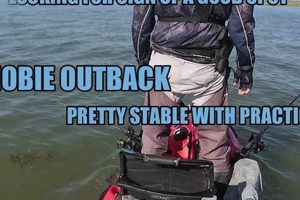
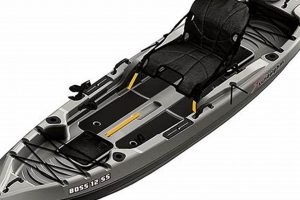
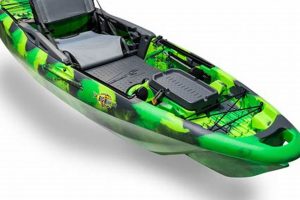
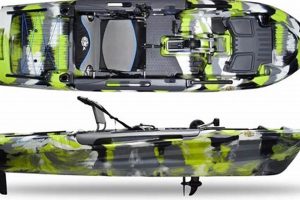
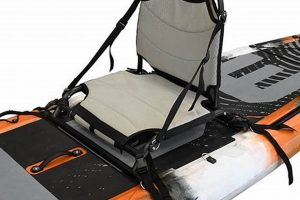
This specific type of watercraft is designed for angling, offering stability and features tailored to the needs of fishermen. These vessels often include specialized storage for rods, tackle, and catches, as well as features like rod holders and anchor trolleys. Some models are designed for specific fishing environments, like rivers or lakes, while others offer more versatility.
Angling from these small, maneuverable boats provides access to shallow waters and secluded fishing spots often unreachable by larger vessels. Their portability allows for easy transport and launch, expanding fishing opportunities. Historically, fishing from small, human-powered watercraft has been a common practice across cultures. Modern designs incorporate advanced materials and construction techniques for enhanced durability, performance, and comfort.
Further exploration of this topic will cover specific design features, popular models, and essential accessories, as well as tips for selecting and safely operating these specialized watercraft.
Tips for Angling from a Small Fishing Kayak
Proper preparation and technique are essential for a safe and successful fishing experience from a small, specialized kayak.
Tip 1: Stability is Paramount: Choose a model with a stable hull design, especially for beginners. Consider wider beams and sit-on-top designs for enhanced stability. Practice entering and exiting the vessel in shallow water before venturing into deeper areas.
Tip 2: Essential Safety Gear: Always wear a personal flotation device (PFD). Carry a whistle, signaling device, and a waterproof bag for essential items like a phone and first-aid kit. Check weather conditions before embarking and inform someone of the fishing plan.
Tip 3: Effective Paddle Strokes: Learn efficient paddling techniques to conserve energy and navigate effectively. Practice different strokes for maneuvering in various water conditions, including wind and currents.
Tip 4: Organized Gear Storage: Utilize designated storage compartments and secure gear to prevent shifting or loss during movement. Keep essential items within easy reach. Consider using dry bags for sensitive electronics and gear.
Tip 5: Respectful Angling Practices: Adhere to local fishing regulations and practice catch-and-release whenever possible. Minimize environmental impact by properly disposing of fishing line and other waste.
Tip 6: Understanding Water Conditions: Be aware of currents, tides, and potential hazards like submerged rocks or debris. Check water depth regularly and avoid areas with heavy boat traffic.
Tip 7: Practice Makes Perfect: Spend time practicing basic maneuvers and techniques in calm water before venturing into more challenging environments. Familiarize yourself with the kayak’s handling characteristics.
Careful planning and adherence to these guidelines will contribute to a safer and more rewarding fishing experience. These practices promote responsible angling while maximizing enjoyment on the water.
By following these tips, anglers can enhance their safety and improve their chances of a successful and enjoyable fishing trip. This knowledge will contribute to a more fulfilling experience on the water.
1. Stability

Stability is a critical factor in fishing kayak design, directly influencing angler safety, comfort, and fishing effectiveness. A stable platform allows for confident casting, reeling, and landing fish, while minimizing the risk of capsizing. This is particularly important in challenging conditions such as wind, waves, or current.
- Hull Design:
The hull design plays a pivotal role in determining stability. Wider hulls generally offer greater initial stability, making them suitable for beginners or calmer waters. Specialized hull designs, such as pontoon-style or multi-hull configurations, can provide exceptional stability even in rough conditions. Conversely, narrower hulls offer increased speed and maneuverability at the expense of some stability.
- Center of Gravity:
A lower center of gravity enhances stability. Seating position and weight distribution within the kayak significantly affect the center of gravity. Keeping weight low and centered improves balance. Adding weight to the bottom of the hull can also lower the center of gravity and improve stability.
- Water Conditions:
Calm water conditions naturally contribute to greater stability. However, wind, waves, and currents can significantly challenge stability. Understanding how these factors interact with the kayak’s hull design is crucial for maintaining balance and avoiding capsizing. Anglers should choose locations and times appropriate to their skill level and the kayak’s stability characteristics.
- Angler Behavior:
Sudden movements, leaning too far over the side, or improper weight shifting can compromise stability. Smooth, deliberate movements are essential for maintaining balance. Anglers should practice entering, exiting, and maneuvering the kayak in calm water to develop a sense of its stability limits.
By understanding these interconnected factors, anglers can select a fishing kayak appropriate for their needs and skill level, and operate it safely and effectively in a variety of water conditions. Prioritizing stability ensures a more comfortable and confident fishing experience, allowing anglers to focus on the task at hand.
2. Maneuverability

Maneuverability is a defining characteristic of specialized fishing kayaks, directly impacting their effectiveness in diverse angling environments. The ability to navigate tight spaces, quickly change direction, and hold position in currents is crucial for accessing prime fishing locations and presenting lures or bait effectively. These kayaks are often designed with specific hull characteristics and features that enhance maneuverability, allowing anglers to exploit various fishing scenarios.
Several factors contribute to a fishing kayak’s maneuverability. Shorter hulls generally turn more quickly than longer ones, making them well-suited for navigating complex waterways like creeks, rivers, and mangrove forests. A kayak’s rocker profile, the curvature of the hull from bow to stern, also influences its turning ability. Higher rocker profiles typically provide greater maneuverability, while flatter profiles enhance tracking and speed in open water. Furthermore, features like rudders or skegs can significantly improve directional control, especially in windy conditions or strong currents. For example, a kayak with a high rocker and rudder system excels in navigating shallow, winding streams, allowing anglers to access secluded pools and pockets where fish may congregate. Conversely, a longer kayak with a moderate rocker and tracking fin is better suited for covering larger distances in open lakes or reservoirs.
Understanding the relationship between hull design, features, and maneuverability is crucial for selecting the appropriate fishing kayak for specific fishing environments. The ability to precisely position and control the kayak contributes significantly to angling success, enabling targeted presentations and efficient coverage of productive water. Choosing a kayak with the right balance of maneuverability and stability is paramount for a safe and rewarding fishing experience.
3. Storage Capacity

Storage capacity is a critical consideration in fishing kayak design, directly impacting an angler’s ability to carry essential gear, manage catches, and maintain an organized and efficient fishing platform. Adequate storage facilitates access to tackle, tools, safety equipment, and personal items, contributing to both safety and angling success. Insufficient storage can lead to a cluttered cockpit, hindering movement and potentially compromising stability. Furthermore, the ability to securely store and transport catches is essential for maintaining fish quality and adhering to regulations.
Fishing kayaks often feature specialized storage solutions tailored to the demands of angling. These can include dedicated compartments for tackle boxes, rod holders, dry storage hatches for electronics and valuables, and bungee systems for securing larger items like coolers or crates. The location, accessibility, and security of these storage solutions significantly influence their practical utility. For instance, readily accessible storage for frequently used items, such as lures or pliers, streamlines the fishing process, while secure storage for sensitive electronics or emergency gear ensures their protection from water damage or loss. Well-designed storage systems maximize usable space within the kayak, minimizing clutter and enhancing overall efficiency. The capacity and configuration of storage compartments directly influence the type and quantity of gear that can be comfortably and safely transported. Anglers targeting larger species, for example, might prioritize kayaks with larger storage wells or dedicated areas for securing rods and reels.
Effective storage solutions in fishing kayaks contribute significantly to a streamlined and productive angling experience. Proper organization and readily accessible gear enhance efficiency, allowing anglers to focus on fishing rather than managing equipment. Secure storage protects valuable items and ensures essential safety gear remains readily available in case of emergencies. Careful consideration of storage capacity and configuration when selecting a fishing kayak is crucial for optimizing on-the-water performance and overall enjoyment.
4. Fishing Features
Specialized fishing features distinguish these kayaks from recreational models, optimizing them for angling effectiveness and efficiency. These features directly impact an angler’s ability to target specific species, manage fishing gear, and maintain comfort and safety on the water. A comprehensive understanding of these features is crucial for selecting the appropriate vessel and maximizing its on-the-water potential.
- Rod Holders:
Rod holders are fundamental components, securing rods while paddling, trolling, or rigging. Flush-mounted, adjustable, and rotating rod holders accommodate diverse fishing techniques and rod types. Secure rod storage prevents loss or damage during navigation and allows anglers to manage multiple rods simultaneously. The number, type, and placement of rod holders are important considerations based on individual fishing styles and target species.
- Tackle Storage:
Dedicated tackle storage solutions within easy reach are essential for maintaining an organized and efficient fishing platform. Tackle boxes, trays, and compartments keep lures, hooks, lines, and other essential gear readily accessible, minimizing time spent searching and maximizing fishing time. Waterproof compartments protect sensitive items from moisture damage. The design and organization of tackle storage directly influence an angler’s ability to adapt to changing fishing conditions and effectively target different species.
- Anchor Systems:
Anchor systems, including anchor trolleys and deck-mounted cleats, enable precise positioning in current or wind. Maintaining a desired location enhances fishing effectiveness by keeping anglers in proximity to target areas. Anchor trolleys allow for controlled drifting and adjustment of fishing angles. The type and configuration of the anchor system should align with the intended fishing environment and techniques.
- Fish Finders and Electronics:
Integrating electronics, such as fish finders and GPS units, enhances angling success by providing real-time information about water depth, fish location, and bottom structure. Many fishing kayaks are designed to accommodate these electronics with dedicated mounting points and transducer scuppers. The choice and integration of electronics depend on individual fishing preferences and target species. Power sources and cable management systems are important considerations for seamless electronic integration.
These specialized features collectively enhance the functionality and effectiveness of fishing kayaks, enabling anglers to pursue their passion with greater precision, efficiency, and enjoyment. The selection and utilization of these features should align with individual fishing styles, target species, and the specific demands of the fishing environment. A well-equipped fishing kayak empowers anglers to maximize their time on the water, increasing the likelihood of a successful and rewarding experience.
5. Portability

Portability is a defining characteristic of this type of kayak, significantly expanding angling opportunities by enabling access to a wider range of fishing locations. Transporting a larger, heavier vessel often requires specialized trailers and vehicle modifications, limiting access to remote or difficult-to-reach areas. The inherent portability of these smaller craft allows anglers to easily transport them on roof racks, in truck beds, or even by carrying them short distances. This ease of transport unlocks access to secluded ponds, small streams, and coastal areas inaccessible to larger boats, expanding the range of potential fishing spots.
The practical implications of portability extend beyond simply reaching a fishing destination. Consider an angler targeting small streams nestled within a mountainous region. Transporting a traditional boat to these locations would be impractical, if not impossible. A lightweight, easily transportable fishing kayak, however, allows the angler to navigate the terrain, access the stream, and enjoy a productive fishing experience. This advantage translates to increased opportunities for diverse fishing experiences and the potential to discover untouched fishing grounds. Furthermore, portability simplifies launch and retrieval processes. The angler can easily launch the kayak from shore, eliminating the need for boat ramps or marinas, further expanding access to diverse fishing environments.
In essence, portability significantly enhances the versatility and practicality of these specialized fishing kayaks. This key characteristic empowers anglers to explore a wider range of fishing environments, from remote mountain streams to secluded coastal coves. The ease of transport, launch, and retrieval expands fishing opportunities and contributes to a more personalized and rewarding angling experience. Choosing a kayak with appropriate portability features, considering factors such as weight, size, and available transport methods, directly impacts the angler’s ability to reach desired fishing locations and maximize their time on the water.
6. Durability
Durability is a paramount consideration when evaluating fishing kayaks, particularly given the demanding environments they often encounter. These vessels are exposed to a variety of stressors, including UV radiation, saltwater corrosion, impacts with rocks or submerged debris, and the general wear and tear of transport and use. A durable kayak ensures longevity, minimizes maintenance requirements, and contributes to angler safety, making it a critical factor in the overall value and performance of the craft.
- Hull Material:
Hull material significantly influences a kayak’s resistance to impact, abrasion, and UV degradation. High-density polyethylene (HDPE) is a common choice due to its robust nature and affordability. Higher-end models may utilize more specialized materials like cross-linked polyethylene or thermoformed composites, offering increased durability and stiffness. The chosen material directly impacts the kayak’s ability to withstand impacts, resist punctures, and maintain structural integrity over time.
- Construction Methods:
Construction methods, such as rotomolding or thermoforming, play a crucial role in the overall durability and structural integrity of the kayak. Rotomolded hulls are generally more durable and impact-resistant, while thermoformed hulls offer higher stiffness and lighter weight. The chosen construction method influences the kayak’s resilience to stress cracking, deformation, and long-term wear.
- Hardware and Fittings:
Hardware components, including handles, latches, and deck rigging, are subject to corrosion, stress, and wear. Marine-grade stainless steel or high-quality plastic fittings offer superior corrosion resistance and longevity compared to less durable alternatives. The quality of these components directly impacts the kayak’s long-term functionality and resistance to degradation in harsh environments.
- UV Resistance:
Exposure to ultraviolet radiation from sunlight can degrade kayak materials over time, leading to fading, cracking, and reduced structural integrity. UV-resistant coatings and additives in the hull material help mitigate these effects, prolonging the lifespan of the kayak. The level of UV resistance is a critical factor in maintaining the kayak’s appearance and structural integrity, especially in regions with intense sunlight.
The long-term durability of a fishing kayak directly influences its overall value and performance. A durable kayak resists damage, minimizes maintenance needs, and provides a reliable platform for angling adventures. Investing in a kayak constructed with durable materials, robust hardware, and effective UV protection ensures long-term enjoyment and minimizes the risk of unexpected repairs or replacements. Careful consideration of these durability factors contributes significantly to a positive and lasting ownership experience.
Frequently Asked Questions
This section addresses common inquiries regarding specialized fishing kayaks, providing concise and informative responses to assist in informed decision-making and enhance understanding of these specialized vessels.
Question 1: What are the key advantages of a specialized fishing kayak compared to a recreational kayak?
Specialized fishing kayaks offer features tailored to angling, including rod holders, tackle storage, anchor systems, and often enhanced stability. These features optimize fishing efficiency and access to preferred fishing locations.
Question 2: How does hull design influence stability and maneuverability?
Wider hulls generally provide greater stability, while narrower hulls enhance maneuverability. The rocker profile, the curvature of the hull from bow to stern, also affects turning performance. Higher rocker improves maneuverability, while lower rocker enhances tracking.
Question 3: What materials are commonly used in fishing kayak construction, and how do they impact durability?
High-density polyethylene (HDPE) is a common, durable, and cost-effective material. Other options include cross-linked polyethylene or composite materials, which offer increased stiffness and impact resistance, albeit at a higher price point.
Question 4: What safety precautions should be taken when using a fishing kayak?
Always wear a personal flotation device (PFD). Check weather conditions before embarking. Inform someone of the fishing plan, including location and estimated return time. Carry essential safety gear, such as a whistle and signaling device.
Question 5: How does one choose the appropriate size and weight capacity for a fishing kayak?
Consider the angler’s weight, anticipated gear, and potential catches. Exceeding the weight capacity compromises stability and performance. Longer kayaks generally track better in open water, while shorter kayaks offer enhanced maneuverability in tight spaces.
Question 6: What maintenance is required to ensure the longevity of a fishing kayak?
Regularly rinse the kayak with fresh water after use, especially in saltwater environments. Store the kayak out of direct sunlight to prevent UV degradation. Inspect and maintain hardware, fittings, and any installed electronics. Address any damage promptly to prevent further deterioration.
Careful consideration of these frequently asked questions provides a foundation for informed decision-making when selecting and utilizing this specialized fishing vessel. Understanding these aspects enhances angler safety, improves fishing efficiency, and contributes to a more rewarding on-the-water experience.
The subsequent sections will delve into specific models and accessories, offering further guidance in equipping anglers for success.
Conclusion
This exploration of specialized fishing kayaks has highlighted their key features, benefits, and considerations for selection and use. From stability and maneuverability to storage capacity and specialized fishing features, these vessels offer distinct advantages for anglers seeking enhanced access and efficiency on the water. Durability and portability further contribute to their appeal, expanding fishing opportunities and ensuring long-term value. Understanding these aspects empowers informed decision-making, enabling anglers to choose the appropriate kayak for their individual needs and fishing styles.
The evolution of fishing kayak design continues to refine these specialized craft, enhancing their performance and expanding their capabilities. As angling techniques and technologies advance, these vessels will undoubtedly play an increasingly important role in providing anglers with the tools they need to pursue their passion effectively and responsibly. Careful consideration of the factors presented herein will contribute to a safer, more efficient, and ultimately more rewarding fishing experience.