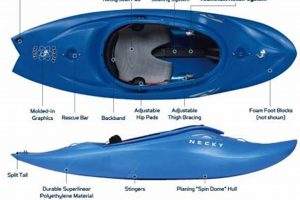
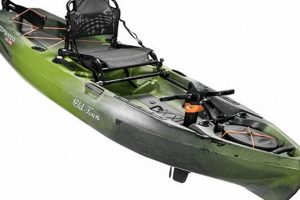
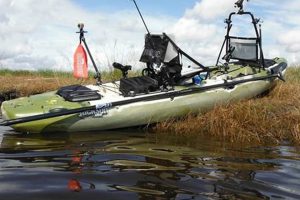
A custom-built storage and organization system designed specifically for angling from a kayak offers a tailored solution for carrying equipment. These systems typically involve a crate or box, often constructed from readily available materials like wood or plastic, and outfitted with accessories such as rod holders, tackle compartments, and even mounting points for electronics. Such systems can be simple or complex, depending on the angler’s needs and DIY skills.
Organized storage improves safety and efficiency on the water. Having readily accessible gear eliminates the need for cumbersome searching, minimizing distractions and maximizing fishing time. Custom construction allows anglers to tailor the system to their specific kayak model and fishing style, enhancing stability and optimizing space utilization. This approach allows anglers to create cost-effective solutions tailored to their individual needs, compared to purchasing commercially available options that may not be a perfect fit. Over time, kayak anglers have continually refined their storage solutions, leading to the diverse array of DIY systems seen today.
The following sections will explore materials, construction techniques, and popular customization options for creating a personalized kayak fishing storage solution. Design considerations, including stability and weight distribution, will also be addressed, providing readers with a comprehensive guide to optimizing their on-the-water angling experience.
Tips for Building a Kayak Fishing Crate
Careful planning and execution are crucial for constructing an effective and durable customized kayak fishing storage system. The following tips offer guidance for a successful build.
Tip 1: Prioritize Stability. Keep the center of gravity low and distribute weight evenly within the kayak. Avoid top-heavy designs that could compromise stability.
Tip 2: Select Appropriate Materials. Marine-grade plywood, plastics, and treated lumber offer durability and resistance to water damage. Consider weight and buoyancy when choosing materials.
Tip 3: Measure Carefully. Precise measurements of the kayak’s available space are essential for ensuring a proper fit and maximizing storage capacity. Account for rod holders, tackle trays, and other accessories.
Tip 4: Secure Attachments. Use robust fasteners and adhesives designed for marine environments to secure the crate to the kayak. Ensure all attachments can withstand the stresses of paddling and fishing.
Tip 5: Consider Accessibility. Frequently used items should be easily accessible. Design the crate with strategically placed compartments and openings for efficient retrieval of gear.
Tip 6: Customize for Specific Needs. Tailor the design to accommodate specific fishing styles and equipment. Specialized compartments for lures, bait, and tools enhance organization and efficiency.
Tip 7: Test and Refine. Conduct on-water testing to evaluate the crate’s performance and make adjustments as needed. Observe stability, accessibility, and overall functionality.
By following these guidelines, anglers can construct a customized storage solution that enhances both safety and fishing success. A well-designed system optimizes space utilization, improves gear organization, and contributes to a more enjoyable and productive fishing experience.
In conclusion, a custom-built storage system offers a tailored approach to kayak fishing organization.
1. Material Selection

Material selection is a critical factor in constructing a durable, functional, and lightweight homemade kayak fishing crate. The chosen materials directly impact the crate’s longevity, resistance to water damage, overall weight, and ultimately, its effectiveness on the water. Appropriate material selection contributes significantly to a successful DIY project.
- Durability and Water Resistance
Materials must withstand the harsh marine environment. Marine-grade plywood, treated lumber, and various plastics offer excellent resistance to moisture, rot, and UV degradation. Choosing durable materials ensures the crate remains functional and structurally sound over time, even with repeated exposure to water, sun, and fluctuating temperatures.
- Weight and Buoyancy
Lightweight materials are essential for maintaining kayak stability and maneuverability. While durability is important, excessive weight can negatively impact performance. High-density plastics and lightweight wood options offer a balance between strength and low weight. Considering the crate’s buoyancy is also important, particularly if it’s not fully sealed; materials with inherent buoyancy can help prevent significant sinking in case of capsizing.
- Cost and Availability
Material costs can vary significantly. Repurposed materials, such as plastic storage containers or scrap lumber, offer a cost-effective approach. However, balancing cost with durability and suitability remains important. Readily available materials simplify the construction process, reducing the need for specialized sourcing or ordering. Evaluating local suppliers can help determine the most practical and economical options.
- Workability and Fastener Compatibility
Certain materials are easier to work with than others. Wood is generally easy to cut, shape, and fasten, making it a popular choice for DIY projects. Plastics may require specialized tools or adhesives for joining. Considering how different materials interact with various fasteners (screws, bolts, rivets) is crucial for a secure and durable construction. Choosing materials compatible with readily available tools and fasteners simplifies the building process.
Careful consideration of these factors ensures the chosen materials align with the specific needs of the kayak fishing crate. Selecting the right materials contributes significantly to the overall success and longevity of the project, ensuring a reliable and functional storage solution for a more enjoyable fishing experience.
2. Design and Dimensions

Design and dimensions are critical aspects of a homemade kayak fishing crate, directly impacting functionality, stability, and integration with the kayak. Careful consideration of these elements ensures the crate complements, rather than hinders, the fishing experience. Effective design maximizes storage capacity within the limited space of a kayak while maintaining a low center of gravity for optimal stability.
Dimensions must be carefully calculated to fit within the kayak’s confines without interfering with paddling or other onboard activities. The crate’s height should not compromise balance, and its width should allow for comfortable seating and movement. For example, a crate that extends too far forward can impede paddle strokes, while one that is too wide can restrict legroom and hinder casting. Precise measurements of the kayak’s available space are crucial before construction begins. The design should also incorporate features like recessed handles or strategically placed cutouts to facilitate easy transport and secure placement within the kayak.
Furthermore, the crate’s internal layout and compartmentalization are key design considerations. Specialized compartments for tackle boxes, fishing rods, and other gear enhance organization and accessibility. Anglers often customize their crates with features like angled rod holders, removable bait trays, and dedicated compartments for electronics or safety equipment. A well-designed layout minimizes clutter, reduces the time spent searching for gear, and maximizes fishing time. Careful planning of design and dimensions ensures a functional and efficient storage solution tailored to the specific needs of kayak angling, contributing to a safer and more productive fishing experience.
3. Construction Techniques

Construction techniques significantly influence the durability, functionality, and longevity of a homemade kayak fishing crate. Employing appropriate methods ensures the crate withstands the rigors of kayak fishing, providing a reliable and long-lasting storage solution. The chosen techniques directly impact the crate’s structural integrity and resistance to water damage, crucial factors in a marine environment.
For instance, using waterproof adhesives and sealants in conjunction with corrosion-resistant fasteners is essential for preventing water ingress and subsequent material degradation. Proper joint construction, whether using traditional woodworking techniques like dovetails and rabbets for wooden crates or employing robust welding or bonding methods for plastic constructions, dictates the crate’s ability to withstand stress and impact. Reinforcing corners and high-stress areas further enhances durability. Consider a crate constructed with inferior materials and techniques: it might quickly succumb to water damage, leading to structural weakness and ultimately failure. Conversely, a well-constructed crate, built with appropriate techniques and materials, can provide years of reliable service.
Understanding the appropriate construction techniques for the chosen materials is paramount. Working with wood requires different skills and methods compared to working with plastics or composites. Choosing the right fasteners, adhesives, and sealants appropriate for the intended materials and environment is crucial for long-term durability. Furthermore, proper surface preparation and finishing techniques, such as sealing wood with marine-grade varnish or applying protective coatings to metal components, contribute significantly to the crate’s resistance to the elements. Ultimately, the careful application of appropriate construction techniques ensures a robust, functional, and durable kayak fishing crate, contributing to a more enjoyable and productive fishing experience.
4. Attachment Methods
Attachment methods are critical for securely integrating a homemade kayak fishing crate into the vessel, ensuring stability and safety during use. The connection between the crate and the kayak must withstand the forces generated by paddling, fishing activities, and potential impacts. Inadequate attachment methods can lead to crate instability, creating a hazardous situation and potentially compromising the kayak’s structural integrity. For example, a loosely secured crate might shift during a sudden maneuver, affecting balance and potentially leading to capsize. Conversely, overly rigid attachments could transmit stresses directly to the kayak’s hull, potentially causing damage over time.
Several attachment options exist, each with its advantages and disadvantages. Straps and bungee cords offer flexibility and ease of installation but may not provide sufficient stability in rough conditions. Screws and bolts offer a more permanent solution but require drilling into the kayak, which may not be desirable for all users. Adhesive mounts, using marine-grade epoxy or specialized adhesives, offer a non-invasive alternative but require careful surface preparation and curing time. The optimal attachment method depends on the crate’s design, the kayak’s construction, and the intended usage. For a lightweight crate used primarily in calm waters, straps might suffice. However, a heavier crate intended for offshore fishing requires more robust attachment points, likely utilizing screws or adhesive mounts. Selecting appropriate attachment points on the kayak is equally crucial, distributing the load effectively and avoiding stress concentrations on the hull. Reinforcing these areas may be necessary for heavier crates.
The choice of attachment methods directly impacts the safety, stability, and longevity of both the crate and the kayak. A well-secured crate enhances angler safety and allows for confident maneuvering and fishing. Understanding the various attachment options and their suitability for specific applications is essential for a successful DIY kayak fishing crate project. Durability and appropriate weight distribution are key considerations in selecting the appropriate method. Properly implemented attachment methods contribute significantly to a safe, stable, and enjoyable kayak fishing experience.
5. Customization Options
Customization options represent a significant advantage of building a homemade kayak fishing crate. Unlike commercially available options, a DIY approach allows anglers to tailor the crate precisely to their individual needs and preferences, enhancing both functionality and efficiency on the water. This level of personalization optimizes the fishing experience by ensuring all essential gear is readily accessible and organized, minimizing clutter and maximizing fishing time.
- Rod Holders
Integrated rod holders are a fundamental customization. They can be configured for various fishing styles, from trolling to fly fishing, and designed to accommodate different rod lengths and types. Anglers might incorporate adjustable rod holders that swivel or tilt, allowing for precise positioning and minimizing line tangling. Dedicated rod storage keeps rods secure and prevents damage during transport.
- Tackle Storage
Customizable tackle storage is another key benefit. Compartments can be designed to accommodate specific tackle boxes, lure trays, and other organizational systems. Dividers, drawers, and removable compartments offer flexibility for storing various lures, hooks, sinkers, and tools. This ensures easy access to frequently used items and prevents the need for rummaging through large tackle bags, streamlining the fishing process.
- Electronics Mounting
Integrating mounts for fish finders, GPS units, and other electronics enhances the fishing experience. Custom mounts ensure secure placement and optimal viewing angles for these devices. Anglers can incorporate dedicated compartments for batteries and wiring, keeping electronics organized and protected. This integration streamlines the use of electronics, providing crucial information without cluttering the kayak’s cockpit.
- Bait and Livewell Systems
Customizing bait and livewell systems allows anglers to tailor the crate for specific fishing techniques. Integrated bait wells keep live bait fresh and readily accessible, while specialized compartments can store artificial lures or cut bait. These systems can be designed with aeration or insulation to maintain optimal bait conditions, enhancing fishing success.
These customization options highlight the inherent flexibility of a homemade kayak fishing crate. By tailoring the design to specific needs and preferences, anglers create a truly personalized fishing platform, optimizing organization, efficiency, and overall enjoyment on the water. A well-designed and customized crate becomes an integral part of the kayak fishing experience, enhancing both functionality and the angler’s connection with their environment.
Frequently Asked Questions
Addressing common inquiries regarding the construction and utilization of custom-built kayak fishing storage systems provides clarity and guidance for anglers seeking to enhance their on-the-water experience.
Question 1: What are the most suitable materials for constructing a fishing crate for a kayak?
Marine-grade plywood, treated lumber, and high-density plastics offer durability and water resistance. Material selection should consider weight, buoyancy, and compatibility with marine environments.
Question 2: How does one ensure the stability of a kayak with an added fishing crate?
Maintaining a low center of gravity is crucial. Weight should be distributed evenly within the kayak, and the crate’s design should avoid top-heavy configurations. Testing stability in calm water before venturing into more challenging conditions is recommended.
Question 3: What are the most effective methods for attaching a fishing crate to a kayak?
Straps, bungee cords, screws, bolts, and adhesive mounts offer various attachment options. The chosen method depends on the crate’s design, the kayak’s construction, and the desired level of permanence. Ensuring secure attachment is paramount for safety and stability.
Question 4: How can customization enhance the functionality of a kayak fishing crate?
Incorporating features like rod holders, specialized tackle compartments, electronics mounts, and baitwell systems tailors the crate to individual fishing styles and needs. Customization maximizes organization and efficiency on the water.
Question 5: What safety precautions should one consider when designing and using a homemade kayak fishing crate?
Prioritizing stability and ensuring secure attachment are paramount. Weight distribution, crate dimensions, and attachment methods should be carefully considered to prevent capsizing or structural damage to the kayak. Regular inspection of the crate and its attachments is crucial for maintaining safety.
Question 6: Are there regulations regarding the use of homemade fishing crates on kayaks?
Regulations vary by location and may pertain to vessel modifications, storage of equipment, and overall safety compliance. Consulting local authorities or relevant boating organizations is advised to ensure adherence to applicable regulations.
Careful consideration of materials, construction techniques, attachment methods, and customization options contributes to a safe, functional, and enjoyable kayak fishing experience. Prioritizing stability and adhering to safety guidelines ensures a rewarding time on the water.
Further exploration of specific customization options and advanced construction techniques will be presented in the following sections.
Homemade Kayak Fishing Crate Conclusion
Custom-built kayak fishing storage systems offer anglers a tailored approach to optimizing their on-the-water experience. Careful consideration of material selection, design dimensions, construction techniques, and attachment methods ensures a safe, functional, and durable solution. Customization options, ranging from integrated rod holders to specialized tackle compartments, allow for personalization based on individual fishing styles and preferences. Proper planning and execution are crucial for maximizing storage capacity, maintaining kayak stability, and enhancing overall fishing efficiency.
Investing time and effort in a well-designed storage system transforms kayak angling. A personalized approach contributes significantly to improved organization, reduced clutter, and enhanced safety. Ultimately, a custom-built kayak fishing crate empowers anglers to focus on what matters most: the pursuit of a rewarding fishing experience.