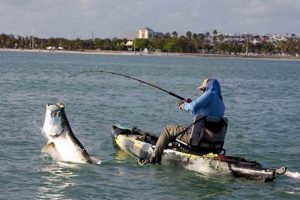
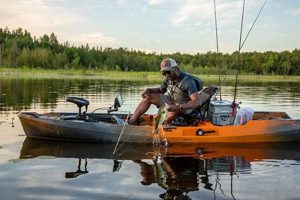
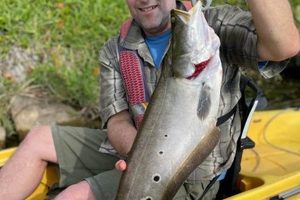
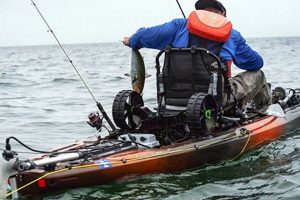
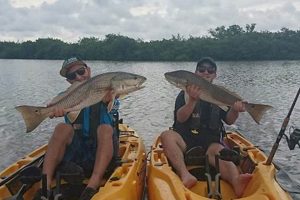
This activity involves angling from a small, human-powered watercraft in the marine environment along Texas’ southern border. It offers a unique way to experience the diverse ecosystem and pursue various fish species. For example, anglers might target redfish in shallow flats or speckled trout near oyster reefs.
The shallow-water access provided by kayaks opens up productive fishing grounds often inaccessible to larger boats. This approach offers a stealthy advantage, allowing anglers to get closer to fish without disturbing them. Furthermore, the low cost of entry compared to motorized boating makes it a more accessible pastime. Historically, smaller vessels like canoes and kayaks have been used for fishing in the region, but the recent surge in popularity of specialized fishing kayaks has revolutionized the sport, providing anglers with stability, specialized features, and increased storage capacity.
This method of fishing involves several key aspects worthy of further exploration. These include selecting appropriate equipment, understanding local regulations and best practices, identifying productive fishing locations, and employing effective fishing techniques. Safety considerations specific to this activity are also paramount.
Tips for Coastal Kayak Angling in Texas
Successful angling from a kayak in the Texas Gulf Coast requires careful planning and execution. The following tips offer guidance for a safe and productive experience.
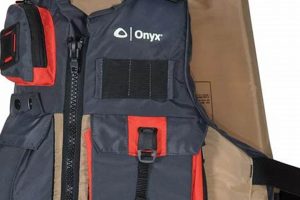
Tip 1: Prioritize Safety Equipment. A personal flotation device (PFD) is essential and should be worn at all times. A whistle, visual distress signals, and a communication device are crucial for emergencies. Carrying a first-aid kit and knowing basic first aid procedures are also recommended.
Tip 2: Understand Weather and Tides. Check marine forecasts before departing and avoid venturing out in inclement weather. Tidal currents can significantly impact navigation and fishing; understanding tidal flows is critical.
Tip 3: Plan and Share Float Plans. Inform someone onshore of the intended fishing location and estimated return time. This ensures assistance can be dispatched quickly if needed.
Tip 4: Choose Appropriate Kayaks and Gear. Select a kayak designed for stability and fishing, equipped with features like rod holders and storage compartments. Use tackle and equipment suited to target species and the saltwater environment.
Tip 5: Practice Proper Kayak Handling. Familiarize oneself with basic paddling techniques and maneuvering skills before venturing into open water. Practice self-rescue techniques in a controlled environment.
Tip 6: Respect the Environment. Adhere to Leave No Trace principles by packing out all trash and avoiding disturbing wildlife or sensitive habitats. Dispose of fishing line responsibly.
Tip 7: Familiarize Oneself with Regulations. Obtain necessary fishing licenses and be aware of size and bag limits for target species. Adhere to all local regulations regarding fishing areas and closures.
By following these guidelines, anglers can enhance their chances of a successful and safe fishing trip, contributing to a positive experience on the water while minimizing environmental impact and ensuring responsible angling practices.
In conclusion, informed preparation and careful consideration of these factors are key to maximizing enjoyment and success while minimizing risks.
1. Species Selection

The Texas Gulf Coast offers a diverse range of fish species, making species selection a crucial aspect of kayak fishing. Targeted angling increases success rates and allows for specialized equipment and technique choices. Understanding the preferred habitats and feeding patterns of target species is essential for a productive fishing trip.
- Target Species Identification
Identifying the desired species is the first step. This involves researching prevalent species in the area and considering factors like seasonality, accessibility, and angler preference. For example, targeting redfish requires different gear and techniques compared to targeting speckled trout. Clear identification ensures appropriate tackle and location choices.
- Habitat Considerations
Different species inhabit specific environments within the Gulf Coast ecosystem. Redfish are often found in shallow grassy flats, while speckled trout prefer areas around oyster reefs and jetties. Matching the target species to its preferred habitat significantly increases the chances of a successful catch. Kayak anglers can leverage their vessel’s maneuverability to access these diverse habitats effectively.
- Seasonal Patterns and Behavior
Fish behavior and distribution vary throughout the year. Certain species might be more prevalent during specific seasons or migrate to different areas depending on water temperature and breeding patterns. Understanding these patterns allows anglers to optimize their fishing trips by targeting species during their peak seasons and locations. For example, flounder are more active during warmer months, while black drum are often targeted during their winter spawning aggregations.
- Regulation Awareness
Regulations regarding size and bag limits vary depending on the species. Adhering to these regulations is essential for conservation and responsible angling. Consulting local fishing regulations before heading out ensures compliance and contributes to the sustainability of the fishery. For example, specific size limits are in place for redfish to protect breeding populations, while bag limits help manage overall fishing pressure.
By carefully considering these factors, kayak anglers can enhance their chances of success while promoting responsible fishing practices. Effective species selection contributes not only to a more productive fishing experience but also to the long-term health of the Texas Gulf Coast fishery.
2. Location Scouting

Effective location scouting is paramount for successful kayak fishing along the Texas Gulf Coast. Choosing the right fishing spot significantly influences catch rates and overall angling experience. Understanding how factors like tides, water depth, structure, and accessibility interact is crucial for identifying productive areas.
- Tidal Influence
Tides play a crucial role in fish behavior and movement. Incoming tides bring baitfish and predatory species closer to shore, while outgoing tides can concentrate fish in channels and deeper pools. Understanding tidal flows and how they affect specific locations allows anglers to position themselves strategically for optimal fishing opportunities. For example, fishing near inlets during an incoming tide can be highly productive as baitfish are swept into the shallows.
- Bathymetry and Structure
Water depth and underwater structures, such as oyster reefs, grass beds, and drop-offs, attract various fish species. Kayak anglers can leverage their vessel’s shallow draft to access areas inaccessible to larger boats, exploring these structures for potential fishing hotspots. Understanding bathymetric charts and identifying areas with varying depths and structures increases the likelihood of finding fish. For instance, targeting redfish in shallow grass flats requires different location considerations compared to seeking speckled trout near deeper reefs.
- Accessibility and Launch Points
Choosing accessible launch points simplifies kayak deployment and retrieval. Factors such as parking availability, proximity to target fishing areas, and water conditions at the launch site influence location selection. Researching launch points beforehand and considering factors like wind direction and current strength ensures a smooth and safe start to the fishing trip. Launching from a protected bay versus directly into the Gulf requires different preparations and considerations.
- Observational Clues and Local Knowledge
Observing bird activity, baitfish schools, and other signs of life can indicate productive fishing areas. Consulting local fishing reports, guides, and tackle shops provides valuable insights into current fishing conditions and productive locations. Combining observational skills with local knowledge significantly enhances location scouting effectiveness. For example, noticing diving birds or surface disturbances might indicate the presence of predatory fish feeding on baitfish.
By considering these factors and utilizing effective scouting techniques, kayak anglers can identify prime fishing locations along the Texas Gulf Coast. Thorough location scouting, combined with an understanding of fish behavior and environmental conditions, maximizes angling success and enhances the overall kayak fishing experience.
3. Equipment Choices

Appropriate equipment selection significantly impacts success and safety in kayak fishing along the Texas Gulf Coast. The chosen gear must address the specific challenges and opportunities presented by this environment. Considerations include the target species, fishing style, water conditions, and safety requirements. For example, targeting larger pelagic species like king mackerel requires heavier tackle compared to fishing for speckled trout in shallow bays. Similarly, navigating open Gulf waters necessitates different equipment choices than fishing protected estuaries.
Essential equipment includes a fishing kayak designed for stability and maneuverability in coastal waters. Features like rod holders, storage compartments, and anchor systems enhance fishing efficiency. Rods, reels, and lines should match the target species and fishing techniques. Tackle choices vary based on whether one is drift fishing, bottom fishing, or trolling. Safety gear such as personal flotation devices (PFDs), whistles, and communication devices are paramount. Additional equipment might include fish finders, GPS units, and appropriate clothing for sun and weather protection. For instance, fishing in deeper waters for snapper might involve using a fish finder to locate reefs and wrecks, while sight fishing for redfish in shallow flats necessitates polarized sunglasses to spot fish.
Careful equipment selection enhances angling effectiveness and safety. Understanding the interplay between equipment choices and the specific conditions of the Texas Gulf Coast allows anglers to optimize their experience. Prioritizing appropriate gear not only increases the chances of a successful catch but also contributes to a safer and more enjoyable outing. Challenges like changing weather conditions and varying fishing locations require adaptable equipment choices. Ultimately, informed equipment selection reflects a commitment to responsible and productive kayak fishing practices.
4. Safety Procedures
Safety procedures are paramount in kayak fishing along the Texas Gulf Coast. The dynamic coastal environment presents inherent risks, including changing weather conditions, strong currents, and vessel traffic. Neglecting safety protocols can lead to serious consequences, ranging from equipment damage to life-threatening situations. A comprehensive understanding of safety procedures and their diligent application are crucial for mitigating these risks and ensuring a safe and enjoyable fishing experience. For example, venturing out without checking the marine forecast can expose anglers to unexpected storms and hazardous sea conditions. Similarly, ignoring tidal currents can lead to kayaks being swept away from intended locations or into dangerous areas.
Several key safety procedures are essential for kayak fishing in this region. Wearing a personal flotation device (PFD) is non-negotiable. Carrying a whistle, visual distress signals, and a communication device (such as a VHF radio or waterproof cell phone) is crucial for alerting others in case of emergencies. Checking the marine weather forecast before each trip is essential, as weather conditions can change rapidly along the coast. Informing someone onshore of the planned fishing location and estimated return time provides an additional layer of safety. Understanding and respecting local boating regulations, including speed limits and navigation rules, contributes to a safer environment for all water users. Carrying essential safety gear like a first-aid kit, bilge pump, and paddle leash enhances preparedness for unforeseen circumstances. For example, a sudden squall can capsize a kayak, highlighting the importance of a readily accessible PFD. A working bilge pump is crucial for removing water from a flooded kayak, while a paddle leash prevents losing the paddle in rough conditions.
Prioritizing safety procedures demonstrates a commitment to responsible kayak fishing practices. A proactive approach to safety minimizes risks and enhances the overall fishing experience. Diligent adherence to safety protocols fosters a culture of preparedness and responsible enjoyment of the Texas Gulf Coast’s unique angling opportunities. Challenges such as navigating unpredictable weather patterns and sharing waterways with larger vessels underscore the continuous need for vigilance and adherence to established safety guidelines. Ultimately, integrating safety procedures into every aspect of kayak fishing contributes to a sustainable and rewarding pursuit of this popular sport.
5. Tidal Awareness

Tidal awareness is crucial for kayak fishing along the Texas Gulf Coast. Tides significantly influence fish behavior, water depth, and current strength, directly impacting angling success and safety. Understanding tidal cycles, currents, and their effects on specific locations allows for strategic planning and informed decision-making. For example, fishing near inlets during an incoming tide can be highly productive as baitfish and predatory species are swept into shallow areas. Conversely, fishing during an outgoing tide might require targeting deeper channels or pools where fish concentrate. Ignoring tidal flows can lead to kayaks being swept into hazardous areas or struggling against strong currents.
Tidal currents affect kayak navigation and positioning. Paddling against strong currents can be physically demanding and time-consuming, reducing fishing time and increasing the risk of fatigue. Planning fishing trips around favorable tidal conditions conserves energy and maximizes efficiency. Tidal fluctuations also impact water depth, especially in shallow bays and flats. Areas accessible during high tide might become too shallow to navigate during low tide, potentially stranding kayaks. Consulting tide charts and understanding local tidal variations is essential for safe and effective kayak maneuvering. For instance, launching from a shallow boat ramp during low tide might prove impossible, while navigating shallow flats requires careful attention to tidal changes to avoid grounding the kayak.
Integrating tidal awareness into planning enhances kayak fishing success and safety. Understanding tidal influences allows anglers to optimize fishing locations, conserve energy, and avoid hazardous situations. Challenges like navigating strong currents and accessing shallow areas underscore the importance of accurate tidal information and its practical application. Ultimately, tidal awareness empowers informed decision-making, contributing to a more productive and safer kayak fishing experience along the Texas Gulf Coast. This understanding not only benefits individual anglers but also promotes responsible use of the coastal environment.
Frequently Asked Questions
This section addresses common inquiries regarding angling from kayaks along the Texas Gulf Coast. The provided information aims to clarify potential uncertainties and promote safe and responsible fishing practices.
Question 1: What are the essential safety precautions for kayak fishing in the Texas Gulf Coast?
Essential precautions include wearing a personal flotation device (PFD), carrying a whistle and visual distress signals, checking the marine weather forecast, informing someone of the float plan, and understanding local boating regulations.
Question 2: What fishing license requirements apply to kayak anglers in Texas?
Anglers need a valid Texas fishing license with a saltwater endorsement. Specific license requirements vary based on residency and age; consulting the Texas Parks and Wildlife Department website provides detailed information.
Question 3: What are the most common target species for kayak anglers along the Texas Gulf Coast?
Common target species include redfish, speckled trout, flounder, black drum, and sheepshead. Species availability varies depending on location and seasonality.
Question 4: What type of kayak is best suited for fishing in the Texas Gulf Coast?
Kayaks designed for stability and fishing, often featuring rod holders, storage compartments, and anchor systems, are recommended. Sit-on-top kayaks are generally preferred for their self-bailing capabilities and ease of re-entry after a capsize.
Question 5: What impact do tides have on kayak fishing in the Texas Gulf Coast?
Tides influence fish behavior, water depth, and current strength. Understanding tidal flows is crucial for navigation, accessing shallow areas, and positioning for optimal fishing opportunities.
Question 6: Where can one find reliable information on launch points and fishing regulations for the Texas Gulf Coast?
The Texas Parks and Wildlife Department website, local fishing guides, and tackle shops provide valuable information regarding launch points, regulations, and fishing conditions.
Understanding these frequently asked questions enhances preparedness and contributes to a safer and more enjoyable kayak fishing experience along the Texas Gulf Coast. Thorough planning and adherence to safety guidelines are crucial for successful and responsible angling practices.
Beyond these frequently asked questions, numerous resources offer detailed information about specific aspects of kayak fishing in the region. Exploring these resources further enhances understanding and promotes responsible enjoyment of this unique angling opportunity.
Kayak Fishing Texas Gulf Coast
Kayak fishing along the Texas Gulf Coast offers a unique and rewarding angling experience. Successful engagement requires careful consideration of several key elements. Species selection dictates appropriate tackle and location choices. Effective location scouting relies on understanding tidal influences, bathymetry, and habitat preferences of target species. Appropriate equipment selection balances functionality, safety, and specific fishing needs. Adherence to established safety procedures minimizes risks in the dynamic coastal environment. Tidal awareness informs strategic planning and safe navigation. Understanding these interconnected elements enhances angling opportunities while promoting responsible and sustainable fishing practices.
The Texas Gulf Coast presents a diverse and dynamic ecosystem for kayak anglers. Informed preparation, continuous learning, and a commitment to conservation ensure the longevity of this rewarding pursuit. The future of kayak fishing in this region relies on responsible engagement and a collective effort to protect the valuable coastal resources that support this unique angling experience. Continued exploration of this evolving sport promises exciting opportunities for anglers while demanding responsible stewardship of the natural environment.