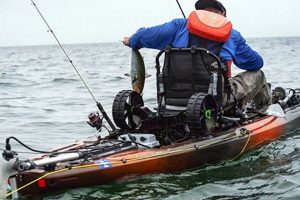
A personal flotation device (PFD) designed for angling from a kayak, offering versatility for diverse body types and fishing styles, typically incorporates features like high visibility coloring, multiple pockets for tackle and gear, and a comfortable, adjustable fit conducive to long hours on the water. Such specialized PFDs are often constructed with durable, quick-drying materials and designed for mobility and freedom of movement while casting and reeling.
Prioritizing safety and enhancing the angling experience are key benefits of utilizing appropriate safety equipment. The ability to stay afloat in the event of capsizing or unexpected immersion is paramount. Furthermore, strategically placed pockets and attachment points allow anglers to keep essential tools and equipment readily accessible, optimizing efficiency and enjoyment on the water. Historically, fishing life vests have evolved from bulky, cumbersome designs to the lightweight, streamlined models available today, reflecting advancements in materials and a greater understanding of ergonomic principles.
This discussion will further explore key features to consider when selecting a suitable PFD for kayak fishing, including factors such as size, fit, buoyancy, and specific design elements tailored to different fishing styles and environments.
Tips for Selecting a Kayak Fishing PFD
Choosing appropriate safety equipment is crucial for a safe and enjoyable kayak fishing experience. The following tips offer guidance in selecting a suitable personal flotation device.
Tip 1: Prioritize Fit and Comfort: Ensure a snug yet comfortable fit that allows for a full range of motion. A properly fitted PFD should not ride up or restrict movement while paddling or casting.
Tip 2: Consider Buoyancy and Intended Use: Select a PFD with appropriate buoyancy for the intended fishing environment. Calm, inland waters may require less buoyancy than open ocean or rough conditions.
Tip 3: Evaluate Storage Capacity and Pocket Placement: Ample, strategically placed pockets are essential for storing fishing tools, tackle, and other necessary gear within easy reach.
Tip 4: Look for High-Visibility Colors and Reflective Elements: Enhanced visibility is crucial for safety, particularly in low-light conditions or crowded waterways. Bright colors and reflective strips increase visibility to other boaters.
Tip 5: Check for Durability and Water Resistance: Opt for a PFD constructed from durable, water-resistant materials that can withstand the rigors of kayak fishing and exposure to the elements.
Tip 6: Ensure Proper Adjustment and Secure Fasteners: All straps and buckles should be adjusted correctly and securely fastened to ensure the PFD functions as intended in the event of an emergency.
Tip 7: Consider Specialized Features for Specific Fishing Styles: Certain PFDs offer specialized features, such as integrated knife sheaths, attachment points for fishing tools, or higher backs for improved comfort while seated in a kayak. Select features relevant to individual fishing needs and preferences.
By carefully considering these factors, anglers can select a PFD that enhances safety and optimizes their fishing experience.
With these tips in mind, a deeper understanding of specific PFD features and their practical applications will be explored in the following sections.
1. Safety

Safety is paramount in kayak fishing, and a properly chosen and utilized personal flotation device (PFD) plays a crucial role in mitigating risks inherent to the activity. Understanding the multifaceted nature of safety in this context is essential for responsible angling practices.
- Buoyancy and Flotation:
Fundamental to a PFD’s safety function is its ability to keep an angler afloat in the event of capsizing or accidental immersion. Sufficient buoyancy, appropriate for the angler’s weight and the water conditions, is critical. A PFD’s buoyancy rating indicates its flotation capacity and should be chosen carefully. For example, a higher buoyancy rating may be necessary for colder water where heavier clothing is worn.
- Visibility and Signaling:
Bright colors and reflective elements enhance visibility, crucial for avoiding collisions with other vessels and aiding in locating an angler in distress. Some PFDs incorporate whistles or attachment points for signaling devices, further enhancing safety. For example, an angler wearing a bright orange PFD with reflective strips is more easily spotted by a passing powerboat, especially during low-light conditions.
- Fit and Mobility:
A properly fitted PFD allows for a full range of motion, critical for paddling, casting, and reeling, while also ensuring it stays secure in the event of a fall. A PFD that is too loose may not provide adequate flotation, while one that is too tight can restrict movement and breathing. Adjustability is key, and a PFD should be tested for fit and comfort before embarking on a fishing trip.
- Durability and Construction:
A durable, well-constructed PFD resists tears, abrasions, and exposure to the elements, ensuring its long-term effectiveness and reliability. High-quality materials and construction contribute to a PFD’s overall lifespan and performance. Regular inspection for wear and tear is essential to maintain optimal safety.
These facets of safety are integral to the overall effectiveness of a kayak fishing PFD. Selecting a PFD that balances these elements contributes significantly to a safer and more enjoyable angling experience, offering peace of mind and enhancing the angler’s ability to focus on the task at hand.
2. Comfort
Comfort is a critical factor influencing the overall effectiveness of a kayak fishing personal flotation device (PFD). A comfortable PFD promotes prolonged wear, directly impacting safety by ensuring the device is worn consistently throughout the fishing trip. Discomfort, conversely, can lead to anglers removing their PFDs, increasing vulnerability in the event of an accident. Several design elements contribute to PFD comfort. Ventilation panels and breathable fabrics enhance airflow, reducing heat and moisture buildup, particularly in warm weather. Strategic padding minimizes chafing and pressure points, especially during extended wear. Adjustable straps and buckles allow for a customized fit, accommodating different body types and layering preferences. A poorly fitting PFD can restrict movement, hindering paddling and casting, and potentially leading to discomfort or even injury. For example, an angler wearing a restrictive PFD might experience chafing around the neck and shoulders, ultimately leading to premature fatigue and a decreased enjoyment of the fishing experience.
The practical significance of PFD comfort extends beyond mere convenience. A comfortable PFD allows anglers to focus on fishing, rather than adjusting their equipment or enduring discomfort. This enhanced focus translates to improved performance and enjoyment on the water. Consider an angler engaged in a prolonged fishing session. A comfortable PFD allows them to remain focused on the subtle movements of their line and the surrounding environment, increasing their chances of a successful catch and minimizing distractions caused by an ill-fitting or uncomfortable PFD. Furthermore, comfort contributes to a positive overall experience, encouraging consistent PFD use and promoting safe angling practices. An angler who finds their PFD comfortable is more likely to wear it consistently, fostering a culture of safety and responsible behavior on the water.
In summary, prioritizing comfort in PFD selection is essential for maximizing both safety and enjoyment in kayak fishing. A well-designed, comfortable PFD promotes consistent wear, reduces distractions, and enhances overall performance on the water. Recognizing the interplay between comfort and safety empowers anglers to make informed decisions, ensuring a positive and secure angling experience. Addressing comfort concerns upfront can significantly contribute to a more enjoyable and, crucially, safer fishing trip.
3. Storage

Integrated storage solutions are essential components of a kayak fishing personal flotation device (PFD), directly impacting an angler’s efficiency and overall fishing experience. Convenient access to essential tools and gear enhances workflow and minimizes disruptions, allowing for a more focused and productive time on the water. Effective storage design in a kayak fishing PFD considers both the capacity and organization of compartments to meet the specific needs of anglers.
- Capacity and Volume:
Sufficient storage space is crucial for carrying essential fishing gear, such as lures, lines, hooks, and tools. A PFD with inadequate capacity can limit an angler’s preparedness and necessitate additional storage solutions, potentially encumbering movement and stability. For example, a larger capacity PFD might allow an angler to carry a wider variety of lures, catering to different fish species and water conditions, without resorting to a separate tackle box.
- Organization and Accessibility:
Well-organized compartments within the PFD facilitate quick and efficient retrieval of tools and tackle. Designated pockets for specific items, such as pliers, line cutters, and small tackle boxes, minimize fumbling and streamline workflow. Easy access to essential gear allows anglers to react quickly to changing fishing conditions and maximize their time on the water. An example would be a PFD with a dedicated, easily accessible pocket for a pair of pliers, allowing for quick hook removal and minimizing handling time for the fish.
- Security and Attachment Points:
Secure closures and attachment points are essential for preventing gear loss and ensuring items remain safely stowed during movement and unexpected events. Reliable zippers, Velcro closures, and D-rings provide secure attachment points for tools and accessories, minimizing the risk of losing valuable equipment. For instance, a secure D-ring attachment point can be used to secure a landing net, keeping it readily available while preventing loss during movement or capsizing.
- Water Resistance and Drainage:
Protecting stored items from water damage is critical, particularly in a kayak fishing environment. Water-resistant materials and drainage features help keep compartments dry and prevent corrosion of tools and tackle. This is especially important for electronic devices, such as fish finders or GPS units, which are often carried in PFD pockets. A PFD with water-resistant pockets and drainage grommets can prevent damage to these sensitive devices from splashes or accidental immersion.
The integration of well-designed storage solutions into a kayak fishing PFD is a key factor contributing to angler efficiency and safety. By providing readily accessible, organized, and secure storage for essential gear, a PFD enhances workflow, minimizes distractions, and allows anglers to fully focus on the fishing experience. Investing in a PFD with thoughtful storage design ultimately enhances safety and maximizes the enjoyment of time spent on the water.
4. Durability

Durability is a critical factor in the efficacy of a kayak fishing personal flotation device (PFD). The demanding environment of kayak fishing, characterized by exposure to water, sun, abrasion, and potential impacts, necessitates a PFD constructed from robust materials and employing resilient construction techniques. A durable PFD ensures long-term performance and reliability, providing consistent safety and functionality over extended use. The relationship between durability and a kayak fishing PFD is a direct correlation; a more durable PFD translates to a longer lifespan and sustained protection for the angler. For example, a PFD constructed with abrasion-resistant fabric will withstand repeated contact with rough surfaces like kayak hulls or rocks, maintaining its structural integrity and ensuring continued flotation capability.
Several factors contribute to PFD durability. Material selection plays a crucial role; robust fabrics like ripstop nylon or high-denier polyester offer superior resistance to tearing and abrasion. Reinforced stitching and heavy-duty hardware, such as corrosion-resistant zippers and buckles, further enhance durability. Construction techniques, including seam sealing and reinforced stress points, contribute to overall resilience against wear and tear. For instance, a PFD with sealed seams prevents water penetration, which can compromise buoyancy and accelerate material degradation. Considering these factors during PFD selection is crucial for ensuring long-term performance and reliability. A PFD built with durable materials and construction techniques will require less frequent replacement, offering a cost-effective solution and consistent safety protection over time. Furthermore, a durable PFD maintains its functionality in demanding conditions, providing reliable flotation and preserving features like pocket integrity and attachment point security.
The practical implications of PFD durability extend beyond mere longevity. A durable PFD contributes to angler safety by providing consistent and reliable flotation in challenging conditions. It also preserves the functionality of integrated features like storage pockets and attachment points, ensuring continued access to essential gear and tools. The investment in a durable PFD represents an investment in long-term safety and performance on the water, contributing to a more secure and enjoyable angling experience. A PFD that can withstand the rigors of kayak fishing offers peace of mind, allowing anglers to focus on their activity without concern for equipment failure. Ultimately, prioritizing durability in PFD selection is an investment in safety, performance, and the overall longevity of the equipment.
5. Fit

Proper fit is paramount for a kayak fishing personal flotation device (PFD) to perform its intended function effectively. A correctly fitted PFD ensures optimal buoyancy, unrestricted movement, and overall comfort, contributing significantly to both safety and an enjoyable angling experience. An ill-fitting PFD can compromise safety by hindering movement, reducing buoyancy effectiveness, and causing discomfort, potentially leading to premature removal and increased risk in the event of an accident. Therefore, understanding the key components of PFD fit is crucial for informed selection and safe kayak fishing practices.
- Size and Adjustment:
PFDs are typically sized according to chest circumference and weight. Selecting the correct size and utilizing provided adjustment straps is crucial for a secure and comfortable fit. A PFD that is too large may ride up, hindering movement and reducing buoyancy support, while a PFD that is too small can restrict breathing and movement. For example, an angler with a 42-inch chest should select a PFD within the corresponding size range and adjust the straps for a snug but comfortable fit. This ensures the PFD stays in place and provides adequate flotation if the angler enters the water.
- Body Type Considerations:
Body shape and proportions influence PFD fit. Some manufacturers offer specialized designs for women or individuals with shorter torsos, accommodating anatomical variations for a more comfortable and secure fit. For example, a PFD designed specifically for women might feature contoured panels and shorter torso lengths to accommodate differences in body shape and provide a more comfortable fit. This tailored design enhances both safety and comfort for female anglers.
- Mobility and Range of Motion:
A properly fitted PFD allows for unrestricted movement essential for paddling, casting, and reeling. The PFD should not impede arm movement or restrict torso rotation. Testing range of motion while wearing the PFD is crucial before embarking on a fishing trip. An angler should be able to comfortably paddle, cast, and reel without feeling restricted by the PFD. For instance, a PFD with a high-back design might interfere with casting for some anglers, while a low-profile design might offer greater freedom of movement.
- Layering and Clothing Compatibility:
The fit of a PFD can be affected by the clothing worn underneath. Consider the typical layering system for the intended fishing environment when selecting a PFD. A PFD that fits comfortably over a light shirt might feel too tight when worn over heavier layers needed in colder conditions. An angler who typically fishes in cold weather should try on a PFD while wearing the layers they would typically wear on the water, such as a fleece jacket and rain gear, to ensure a comfortable and safe fit.
A correctly fitted PFD is fundamental to maximizing safety and performance in kayak fishing. By considering factors like size, body type, mobility, and layering compatibility, anglers can ensure the chosen PFD provides optimal buoyancy, comfort, and freedom of movement, contributing to a secure and enjoyable experience on the water. Investing time in achieving the proper fit is an investment in safety and overall fishing enjoyment.
Frequently Asked Questions about Kayak Fishing PFDs
This section addresses common inquiries regarding personal flotation devices (PFDs) specifically designed for kayak fishing, aiming to provide clear and concise information for informed decision-making.
Question 1: What differentiates a kayak fishing PFD from a standard life vest?
Kayak fishing PFDs typically incorporate features tailored to the specific needs of anglers, such as specialized pockets for tackle and tools, higher backs for seated comfort, and attachment points for fishing accessories. Standard life vests prioritize basic flotation and may lack these specialized features.
Question 2: How important is the buoyancy rating of a kayak fishing PFD?
Buoyancy is crucial for keeping an angler afloat. The appropriate buoyancy rating depends on factors such as body weight, water conditions, and clothing worn. Heavier individuals or those fishing in cold water (requiring heavier clothing) typically require a higher buoyancy rating.
Question 3: Can a standard life vest be used for kayak fishing?
While a standard life vest provides basic flotation, it may lack the specialized features and comfort of a dedicated kayak fishing PFD. These specialized features enhance both safety and the overall fishing experience.
Question 4: How should a kayak fishing PFD fit?
A kayak fishing PFD should fit snugly but allow for a full range of motion. It should not ride up or restrict movement while paddling or casting. Proper adjustment of straps and buckles is essential for a secure and comfortable fit.
Question 5: What maintenance is required for a kayak fishing PFD?
Regular rinsing with fresh water after each use helps remove salt, dirt, and debris. Allow the PFD to air dry completely before storing in a cool, dry place away from direct sunlight. Periodic inspection of straps, buckles, and flotation foam is essential to ensure continued functionality.
Question 6: Are there specific PFD regulations for kayak fishing?
Regulations regarding PFDs vary by jurisdiction. Consulting local boating regulations is crucial to ensure compliance and prioritize safety. Familiarization with local laws and guidelines is essential for responsible kayak fishing practices.
Prioritizing safety and comfort through a well-chosen PFD significantly enhances the kayak fishing experience. Understanding these frequently asked questions empowers informed decisions for selecting and utilizing appropriate safety equipment.
Further sections will explore specific product recommendations and provide comparative analyses to assist in choosing the optimal kayak fishing PFD.
Conclusion
Specialized personal flotation devices designed for kayak fishing represent a significant advancement in angling safety and functionality. This discussion explored the multifaceted nature of these specialized PFDs, emphasizing the critical interplay of safety, comfort, storage, durability, and fit. Each element contributes significantly to the overall effectiveness of a kayak fishing PFD, impacting both angler safety and the overall on-the-water experience. Understanding these interconnected factors empowers informed decision-making, ensuring selection of equipment optimally suited to individual needs and angling conditions.
Prioritizing safety through the proper selection and consistent use of a kayak fishing PFD is paramount. Investing in a well-designed, appropriately fitted PFD contributes not only to immediate safety but also to long-term angling enjoyment. Ultimately, embracing a safety-conscious approach enhances the overall kayak fishing experience, allowing anglers to focus on the sport with confidence and peace of mind.