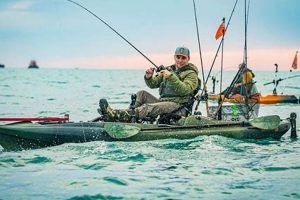
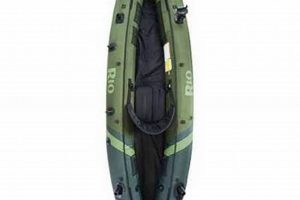
Online forums dedicated to anglers who fish from kayaks provide a platform for sharing information, advice, and experiences. These platforms typically feature discussions on topics such as kayak selection and modification, fishing techniques specific to kayaks, gear reviews, location-based fishing reports, and safety practices. A hypothetical example might include a thread discussing the best anchor system for a specific kayak model in a tidal river.
Such platforms are valuable resources for both novice and experienced kayak anglers. They offer opportunities to learn from others, discover new fishing spots, troubleshoot equipment issues, and connect with a community that shares a passion for kayak fishing. This type of knowledge sharing has accelerated in recent years due to the increased accessibility of online forums and the growing popularity of kayak fishing itself. The collective wisdom found within these communities can significantly enhance fishing success and overall enjoyment of the sport.
The following sections will delve deeper into specific aspects of kayak fishing, including choosing the right kayak, essential gear and techniques, and popular fishing locations.
Tips for Kayak Fishing Success
Effective kayak fishing requires careful planning and preparation. The following tips offer guidance for maximizing safety and achieving a productive fishing experience.
Tip 1: Stability is Paramount: Select a kayak designed for stability, especially in the chosen fishing environment. Wider kayaks generally offer greater stability than narrower models, particularly beneficial for anglers who stand while fishing.
Tip 2: Plan for Water Entry: Dress for immersion and always wear a personal flotation device. Cold water shock can be life-threatening; proper attire and safety equipment are essential.
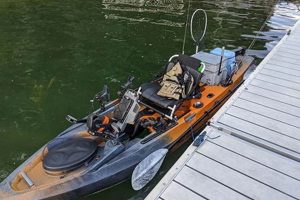
Tip 3: Streamline Gear Organization: Utilize storage solutions designed for kayaks to keep essential equipment readily accessible and prevent clutter. Rod holders, tackle boxes, and dry bags help maintain order and efficiency.
Tip 4: Master Paddle Techniques: Efficient paddling conserves energy and allows anglers to cover more water. Learning various paddle strokes enhances maneuverability and control.
Tip 5: Research Target Species: Understanding the behavior and habitat of target fish species informs lure selection, fishing techniques, and location choices. Researching local fishing regulations is also essential.
Tip 6: Practice Anchor Deployment: Secure anchoring is crucial for maintaining position in current or wind. Practice deploying and retrieving anchors efficiently and safely.
Tip 7: Check Weather Conditions: Avoid venturing out in adverse weather conditions, including strong winds, lightning storms, or dense fog. Monitor forecasts closely and be prepared to adjust plans accordingly.
Tip 8: Respect Wildlife and the Environment: Practice catch-and-release whenever possible and adhere to Leave No Trace principles. Protect natural resources for future generations of anglers.
By adhering to these tips, anglers can improve their chances of success while ensuring a safe and enjoyable kayak fishing experience.
These preparatory measures contribute significantly to a rewarding fishing trip. The subsequent conclusion will summarize key takeaways and encourage further exploration of kayak fishing resources.
1. Community Building

Community building forms a cornerstone of successful online kayak fishing forums. These platforms foster a sense of belonging among individuals who share a passion for this specialized angling discipline. The shared interest provides a foundation for interaction, leading to connections based on experience levels, geographical proximity, and preferred fishing styles. For example, a novice angler seeking advice on choosing a first kayak can connect with experienced users who offer guidance based on their own firsthand knowledge. Similarly, anglers residing in the same region can organize group fishing trips and share local insights.
The interactive nature of these forums facilitates the development of a supportive network, where individuals readily offer assistance, share tips, and celebrate each other’s achievements. This mutual support extends beyond technical advice to encompass emotional support and encouragement. Veteran anglers often mentor newcomers, sharing their expertise and fostering a welcoming environment. This mentorship cultivates a culture of continuous learning and improvement within the community. Furthermore, the shared experiences contribute to a deeper understanding of responsible angling practices, promoting conservation efforts and respect for the environment.
Ultimately, community building transforms online kayak fishing message boards from mere information repositories into dynamic hubs of social interaction. This strengthens the collective knowledge base, promotes camaraderie, and enhances the overall experience for all participants. This shared sense of community encourages continued engagement and contributes to the long-term sustainability of these valuable resources. Challenges may include managing conflicting opinions or addressing misinformation, but the benefits of fostering a supportive online environment significantly outweigh these potential drawbacks.
2. Information Exchange

Online kayak fishing message boards serve as vital hubs for information exchange, facilitating the dissemination of knowledge and experience amongst anglers. This exchange is crucial for improving fishing techniques, enhancing safety practices, and fostering a sense of community. The multifaceted nature of information shared contributes significantly to the overall value of these platforms.
- Technique Refinement
Anglers utilize these forums to discuss and refine fishing techniques specific to kayak angling. This includes sharing tips on lure selection, presentation methods, and strategies for targeting particular species from a kayak. For example, an angler might inquire about the effectiveness of using topwater lures for bass in a specific river system, prompting responses from others who have experience in that area. This exchange of practical knowledge allows anglers to adapt their techniques and improve their chances of success.
- Equipment Discussions
Discussions regarding equipment play a crucial role in information exchange. Anglers frequently seek recommendations for kayaks, paddles, fishing rods, reels, and other accessories. These discussions often involve comparisons of different brands and models, allowing individuals to make informed purchasing decisions. Real-world examples include threads dedicated to specific kayak models, where users share their experiences and offer insights into the kayak’s performance and suitability for various fishing styles. This collective knowledge base empowers anglers to invest in equipment that best suits their needs and budget.
- Safety Practices
Information exchange contributes significantly to enhanced safety awareness among kayak anglers. Forum members share safety tips, discuss best practices for navigating different water conditions, and provide advice on essential safety equipment. Examples include discussions on proper personal flotation device usage, strategies for self-rescue in the event of a capsize, and guidelines for navigating strong currents or adverse weather. This open communication fosters a culture of safety consciousness within the community, minimizing risks and promoting responsible angling practices.
- Location-Specific Insights
Sharing location-specific information is a key aspect of the exchange. Anglers often post reports about recent fishing trips, including details on the location, species caught, and effective techniques. This information provides valuable insights for other anglers planning to fish in the same area. For example, a report detailing successful trout fishing in a particular mountain lake can inform other anglers about the current fishing conditions and effective lure choices. This sharing of local knowledge enhances the overall fishing experience and promotes camaraderie within the community.
The dynamic exchange of information on kayak fishing message boards creates a valuable resource for anglers of all skill levels. From refining techniques and optimizing equipment choices to enhancing safety practices and gaining local insights, these platforms empower individuals to improve their angling skills, expand their knowledge, and connect with a supportive community. The continuous flow of information contributes to the growth and evolution of kayak fishing as a sport, ensuring its continued enjoyment and sustainability.
3. Gear Recommendations
Kayak fishing message boards provide a crucial platform for gear recommendations, facilitating informed decisions among anglers. Discussions surrounding equipment selection are integral to these online communities, influencing purchasing choices and contributing to overall fishing success. The collective knowledge shared within these forums offers valuable insights into various gear categories, from kayaks and paddles to rods, reels, and specialized accessories.
- Kayak Selection
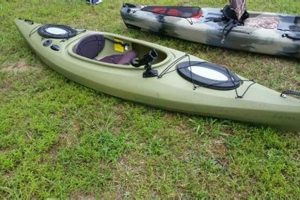
Choosing the right kayak is paramount for successful kayak fishing. Message boards offer a wealth of information regarding kayak types, features, and suitability for specific fishing styles and environments. Discussions often compare sit-on-top versus sit-inside kayaks, highlighting the advantages and disadvantages of each design. Real-world examples include threads dedicated to specific kayak models, where users share their experiences and offer insights into performance, stability, and storage capacity. This information empowers anglers to select a kayak that aligns with their individual needs and preferences.
- Paddle Choice and Modification
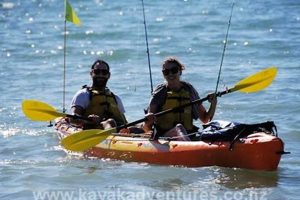
Paddle selection and modification are frequently discussed topics. Anglers share recommendations for paddle lengths, blade shapes, and materials, considering factors such as paddling style and fishing environment. Discussions often explore the benefits of adjustable paddles and the advantages of specific blade designs for maneuverability and efficiency. Examples include threads comparing different paddle brands and models, offering insights into performance, durability, and overall value. This collective knowledge enables anglers to choose a paddle that optimizes their paddling technique and enhances their fishing experience.
- Rods, Reels, and Tackle
Choosing appropriate rods, reels, and tackle is essential for targeting specific fish species. Message boards provide a platform for discussing rod and reel combinations, line types, and lure selections tailored to various fishing styles and target species. Discussions often delve into the nuances of different rod actions, reel gear ratios, and line weights, providing valuable insights for optimizing tackle setups. Examples include threads dedicated to specific fishing techniques, where users share their preferred rod and reel combinations and discuss effective lure choices. This collaborative exchange of information empowers anglers to refine their tackle selection and improve their chances of success on the water.
- Safety and Accessory Recommendations
Discussions extend beyond core fishing gear to encompass safety equipment and specialized accessories. Anglers share recommendations for personal flotation devices, bilge pumps, anchor systems, and other essential safety gear. Discussions often focus on the importance of proper safety precautions and the benefits of using specific accessories to enhance comfort and efficiency on the water. Examples include threads dedicated to safety best practices, where users share their experiences and offer advice on essential safety equipment. This collective emphasis on safety promotes responsible angling practices and contributes to a safer fishing environment for all.
The collective knowledge shared within kayak fishing message boards transforms gear selection from an individual endeavor into a collaborative process. By leveraging the experiences and insights of other anglers, individuals can make informed decisions, optimize their equipment choices, and enhance their overall kayak fishing experience. This shared knowledge base contributes significantly to the growth and development of the sport, fostering a community of anglers equipped for success on the water.
4. Location-Based Reports

Location-based reports constitute a critical component of kayak fishing message boards, offering real-time insights into fishing conditions and contributing significantly to angling success. These reports provide a dynamic information exchange platform, connecting anglers within specific geographical areas and fostering a sense of community. The immediacy and specificity of these reports differentiate them from general fishing information, providing targeted data relevant to particular locations and timeframes.
- Real-Time Conditions
Reports offer up-to-date information on current fishing conditions, including water temperature, clarity, tide levels, and weather patterns. This real-time data allows anglers to make informed decisions about when and where to fish, maximizing their chances of success. For example, a report indicating clear water and optimal temperatures in a specific bay can prompt anglers to target that location. Conversely, reports of strong winds or inclement weather can prevent potentially hazardous fishing trips.
- Species-Specific Information
Location-based reports often include details on specific fish species observed or caught in a particular area. This information can be invaluable for anglers targeting particular species. For example, a report detailing recent catches of striped bass in a specific estuary can guide anglers seeking this species. Furthermore, reports may include information on effective lures and bait choices, further enhancing angling success.
- Access Points and Hazards
Reports frequently include details on access points, launch sites, and potential hazards within a specific fishing area. This information is crucial for safe and efficient kayak navigation. For example, a report mentioning a recently submerged log or a shallow area can help anglers avoid potential dangers. Information on convenient launch sites and parking availability further streamlines the fishing experience.
- Conservation Efforts and Regulations
Location-based reports can also serve as platforms for disseminating information regarding conservation efforts and local fishing regulations. This fosters responsible angling practices and ensures compliance with local rules. For example, a report reminding anglers of size limits or catch restrictions for a specific species promotes conservation and contributes to the long-term health of the fishery. This integration of conservation awareness enhances the overall value and impact of these reports.
The dynamic exchange of location-based reports within kayak fishing message boards fosters a strong sense of community and enhances the overall fishing experience. By providing targeted, real-time information, these reports empower anglers to make informed decisions, optimize their fishing strategies, and contribute to a safer and more sustainable angling environment. This localized information exchange reinforces the value of these online forums as essential resources for kayak anglers of all skill levels.
5. Safety Discussions
Safety discussions are integral to kayak fishing message boards, serving as critical platforms for disseminating essential safety information and fostering a culture of responsible angling practices. These discussions contribute significantly to risk mitigation and accident prevention within the kayak fishing community. The inherent risks associated with on-the-water activities necessitate open communication regarding safety protocols and best practices. A direct correlation exists between the frequency and depth of safety discussions and the overall safety consciousness of the community.
Several factors underscore the importance of safety discussions within these online forums. Kayak fishing, while rewarding, presents inherent risks, including capsizing, exposure to the elements, and potential encounters with hazardous marine life. Openly discussing these risks and sharing mitigation strategies empowers anglers to make informed decisions and minimize potential dangers. Practical examples include discussions on proper personal flotation device (PFD) selection and usage, cold water survival techniques, and strategies for handling unexpected weather events. Furthermore, sharing personal experiences with near misses or accidents provides valuable learning opportunities for the entire community. Analysis of these incidents can lead to improved safety protocols and prevent similar occurrences in the future. For example, a discussion recounting a capsize incident might highlight the importance of carrying a whistle or signaling device for emergency situations.
A robust culture of safety consciousness emerges from consistent and comprehensive safety discussions. This culture emphasizes proactive risk assessment, preparedness, and adherence to established safety guidelines. Challenges may include addressing complacency or misinformation, but the collective commitment to safety fostered within these online communities significantly outweighs these potential drawbacks. The practical significance of this understanding lies in its potential to reduce accidents and enhance the overall safety of kayak fishing. By fostering a culture of open communication and shared responsibility, these online forums contribute directly to a safer and more enjoyable experience for all kayak anglers.
Frequently Asked Questions
This section addresses common inquiries regarding online platforms dedicated to kayak angling.
Question 1: What are the primary benefits of joining a kayak fishing message board?
Access to a community of like-minded individuals, exchange of valuable fishing information, gear recommendations, location-specific reports, and safety discussions are key advantages.
Question 2: How can one find a reputable and active online community?
Searching online for “kayak fishing forums” or “kayak angling communities” yields numerous results. Reviewing forum activity levels and member engagement helps determine suitability.
Question 3: Are there specific etiquette guidelines for participating in these online communities?
Respectful communication, relevant contributions, and adherence to forum rules are generally expected. Avoid posting repetitive questions or engaging in disruptive behavior.
Question 4: How can these forums contribute to improved fishing success?
Learning from experienced anglers, discovering new fishing locations, and refining techniques through shared knowledge contribute to enhanced angling outcomes.
Question 5: What safety information can typically be found within these platforms?
Discussions often cover essential safety gear, navigation tips, self-rescue techniques, and best practices for various weather conditions.
Question 6: Can these online communities assist with kayak and gear selection?
Forums provide valuable insights into kayak selection, paddle choices, rod and reel combinations, and other essential equipment, aiding informed purchasing decisions.
Engaging with these online platforms enhances angling knowledge, fosters camaraderie, and promotes responsible kayak fishing practices.
Further exploration of specific forum features and community guidelines is encouraged.
Conclusion
Kayak fishing message boards offer invaluable resources for anglers of all experience levels. These online platforms facilitate information exchange, gear recommendations, location-based reports, safety discussions, and community building. Such resources contribute significantly to enhanced fishing success, improved safety practices, and a deeper appreciation for the sport.
The collective knowledge and shared experiences within these communities represent a powerful tool for continuous learning and improvement within kayak fishing. Continued engagement and active participation within these forums promise to further enrich the kayak fishing experience and promote responsible enjoyment of the sport for years to come.