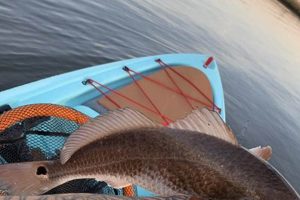
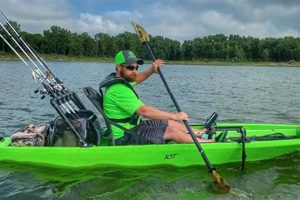
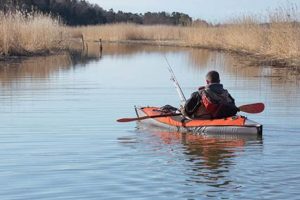
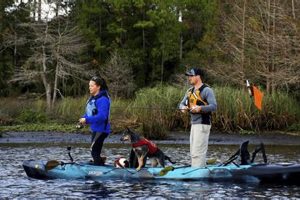
This pursuit involves angling for pike from a kayak. It combines the stealth and maneuverability of a kayak with the thrill of pursuing a challenging freshwater predator. Imagine casting lures near weed beds and submerged logs, feeling the sudden jolt of a pike strike. This exciting and efficient method provides access to shallow, secluded waters often unreachable by larger boats.
The advantages are numerous. Anglers gain closer proximity to their target species, allowing for precise presentations and a more intimate connection with nature. Historically, smaller watercraft like canoes have been used for freshwater fishing, demonstrating the long-standing value of a nimble and quiet approach. The modern kayak enhances these traditional methods, offering improved stability and specialized features designed for fishing. This sport’s popularity reflects the growing appreciation for sustainable and accessible angling experiences.
Further exploration of this topic will delve into specific techniques, recommended equipment, and suitable locations for a successful and rewarding experience on the water.
Tips for Successful Pike Fishing from a Kayak
Careful planning and execution are critical for a productive and enjoyable experience targeting pike from a kayak. The following tips offer valuable insights for anglers of all skill levels.
Tip 1: Choose the Right Kayak: A sit-on-top kayak offers superior stability and ease of re-entry if capsizing occurs. Consider models specifically designed for fishing, featuring rod holders, storage compartments, and anchor systems.
Tip 2: Essential Gear: A medium-heavy to heavy-action rod paired with a baitcasting reel spooled with braided line provides the strength and control needed to handle powerful pike. A selection of lures, including spinnerbaits, crankbaits, and soft plastic swimbaits, should be included.
Tip 3: Location, Location, Location: Target areas with abundant weed beds, submerged logs, and other structures where pike ambush their prey. Shallow bays, inlets, and slow-moving sections of rivers are ideal locations.
Tip 4: Stealth and Approach: Approach fishing spots quietly and avoid sudden movements that may spook pike. Use the kayak’s maneuverability to position oneself strategically for optimal casting angles.
Tip 5: Retrieve Techniques: Vary retrieve speeds and incorporate pauses to trigger strikes. A slow, steady retrieve can be effective, as can a more erratic, jerkbait-style presentation.
Tip 6: Handling Pike Safely: Pike possess sharp teeth. Use pliers or a lip gripper to safely unhook the fish. A net can also be helpful for landing larger specimens. Always handle pike with care and respect.
Tip 7: Weather Awareness: Check weather conditions before heading out and dress appropriately. Be prepared for changes in weather and be mindful of wind and water currents.
By following these guidelines, anglers can maximize their chances of success and enjoy the rewarding experience this specialized fishing style offers. Preparation and a strategic approach contribute significantly to a positive outcome.
This knowledge base will empower anglers to confidently pursue pike from a kayak, resulting in a more enjoyable and fruitful time on the water.
1. Stable Kayak Platform

A stable kayak platform is fundamental to successful pike fishing. Kayak stability directly impacts casting accuracy, hook setting power, and the ability to fight strong fish effectively. A stable platform allows anglers to focus on fishing techniques rather than maintaining balance, especially crucial when wrestling with a large, aggressive pike. Consider the scenario of an angler attempting a long cast in windy conditions. A stable kayak provides the necessary platform for a controlled cast, whereas an unstable one risks capsizing or inaccurate casting, diminishing the chances of a successful hookup. Similarly, when a pike strikes, a stable kayak allows for a solid hookset without the angler losing balance or even being pulled overboard. The platform’s stability becomes even more critical during the fight, enabling anglers to exert appropriate pressure and tire the fish without compromising their own safety.
The importance of kayak stability extends beyond casting and fighting fish. It also affects other aspects of the angling experience. A stable kayak facilitates maneuverability within tight fishing spots, such as weedy areas or close to submerged logs where pike often lurk. This stability allows for precise boat control, maximizing fishing opportunities in prime locations. Additionally, a stable platform offers comfort and reduces angler fatigue, enabling longer fishing sessions and increasing the likelihood of success. Imagine sight fishing for pike in shallow water: a stable kayak enables subtle adjustments in position without disturbing the fish or compromising the anglers view. Conversely, an unstable kayak could easily spook the fish or even lead to an unintended capsize, ruining the opportunity.
Ultimately, a stable kayak platform represents an essential factor in effective pike fishing. Its impact on casting, fighting fish, maneuverability, and overall angler comfort is significant. Choosing a kayak designed for stability, considering factors like width, hull design, and weight capacity, contributes directly to a safer, more productive, and ultimately more enjoyable pike fishing experience. Understanding this principle and selecting appropriate equipment are crucial steps towards maximizing success on the water.
2. Targeted Location Selection

Targeted location selection is paramount in kayak pike fishing. Pike exhibit specific habitat preferences, and understanding these preferences significantly influences angling success. Factors such as water temperature, oxygen levels, vegetation, and prey availability dictate pike distribution. Targeting areas that align with these preferences maximizes encounter rates. Cause and effect are directly linked: selecting locations where pike are likely to be found directly increases the probability of a successful fishing trip. Conversely, randomly selecting locations without considering pike habitat preferences often results in wasted time and effort. For example, during warmer months, pike often seek cooler, deeper water with adequate oxygen levels. Targeting these thermal refuges proves more effective than fishing shallow, sun-baked areas. Similarly, focusing efforts near weed beds, submerged logs, or other structures that provide ambush points aligns with pike predatory behavior, increasing the likelihood of a strike.
As a crucial component of kayak pike fishing, targeted location selection leverages the kayak’s inherent advantages. Kayaks grant access to shallow, secluded waters often inaccessible to larger boats. This advantage allows anglers to exploit smaller pockets of prime pike habitat, such as backwater sloughs or densely vegetated shorelines, often overlooked by other anglers. Consider a scenario where a river bends, creating a slow-moving pool with submerged logs. This location, easily accessible by kayak but difficult to reach by larger boat, offers an ideal ambush point for pike. Targeted location selection, therefore, becomes synergistic with the kayak’s maneuverability, enabling anglers to pinpoint productive fishing spots and optimize their fishing time. Another practical application involves observing the behavior of baitfish. If baitfish are concentrated in a specific area, it is likely that pike are nearby, making that location a prime target.
In summary, targeted location selection significantly influences kayak pike fishing success. Understanding pike habitat preferences, leveraging the kayak’s access advantages, and observing environmental cues, such as baitfish activity, are essential components of a successful strategy. The ability to select productive fishing spots enhances efficiency and maximizes the probability of catching pike. While challenges such as changing weather patterns and fluctuating water levels can influence pike location, a foundational understanding of their habitat preferences remains a cornerstone of successful kayak pike fishing. This knowledge allows for adaptation and refinement of location selection strategies, ultimately leading to a more rewarding angling experience.
3. Appropriate Tackle and Lures

Appropriate tackle and lure selection are integral to successful kayak pike fishing. Pike are aggressive predators, often inhabiting weedy or snag-filled environments. Tackle must be robust enough to handle their powerful strikes and runs, while lures must effectively entice strikes amidst challenging conditions. Cause and effect are directly related: choosing appropriate tackle and lures significantly increases the probability of hooking, fighting, and landing pike successfully. Conversely, inadequate tackle can result in break-offs and lost fish, while inappropriate lure choices may fail to elicit strikes. For instance, a light-action rod designed for panfish would be wholly inadequate for handling a large pike, likely resulting in a broken rod or lost fish. Similarly, using small, subtle lures designed for trout may not be effective in attracting the attention of a pike seeking larger prey.
As a critical component of kayak pike fishing, appropriate tackle and lure selection must consider the specific challenges and opportunities presented by fishing from a kayak. The limited space and stability of a kayak necessitate tackle that is both manageable and effective. Rods should be of appropriate length to facilitate casting and fish fighting from a seated position, typically between 6.5 and 7.5 feet. Baitcasting reels spooled with braided line are generally preferred for their strength, casting distance, and ability to handle heavy cover. Lure selection should encompass options proven effective for pike, including spinnerbaits, crankbaits, jerkbaits, and large soft plastic swimbaits. Color choices should consider water clarity and forage base; brighter colors often work well in murky water, while more natural colors may be preferred in clear water. For example, in heavily vegetated areas, weedless lures, such as frogs or swimbaits rigged with weed guards, are essential to prevent snagging and maintain lure presentation. Similarly, when fishing deeper water, heavier lures or weighted presentations may be necessary to reach the target depth.
In conclusion, appropriate tackle and lure selection directly contributes to successful kayak pike fishing. Matching tackle to the target species and the fishing environment, while optimizing lure choice for pike behavior and prevailing conditions, maximizes angling effectiveness. Challenges such as changing water clarity, varying vegetation densities, and fluctuating pike activity levels can influence tackle and lure choices. However, a foundational understanding of appropriate gear, combined with observation and adaptation, allows anglers to refine their approach and consistently achieve successful outcomes. This understanding translates to a more efficient and rewarding experience on the water, contributing to the overall enjoyment and success of kayak pike fishing.
4. Stealthy Approach Techniques
Stealthy approach techniques are essential for successful kayak pike fishing. Pike possess excellent vision and a cautious nature, making them easily spooked by careless movements or excessive noise. A stealthy approach maximizes angling opportunities by allowing closer proximity to fish without alarming them. This increases the likelihood of successful presentations and improves hook-up ratios. Conversely, a noisy or disruptive approach can scatter fish, rendering even the most enticing lures ineffective.
- Minimizing Kayak Noise
Kayaks, by their nature, are relatively quiet. However, certain actions can create noise that alerts pike. Paddling strokes should be smooth and deliberate, avoiding splashing or scraping the paddle against the hull. Gear should be secured to prevent rattling or bumping. Dragging the anchor can create significant disturbance; careful anchor deployment is crucial. Minimizing kayak noise allows anglers to approach fish undetected, maximizing the effectiveness of presentations.
- Utilizing Natural Cover
Utilizing natural cover, such as reeds, overhanging trees, or shadow lines, provides concealment and allows anglers to approach pike undetected. Moving from cover to cover, rather than directly approaching a target area, minimizes the angler’s profile and reduces the chance of spooking fish. This tactic is particularly effective in shallow, clear water where pike are more likely to detect an approaching angler. By blending with the natural environment, anglers enhance their ability to approach fish closely and present lures effectively.
- Observing Wind and Current Direction
Wind and current direction play significant roles in stealthy approach techniques. Approaching a fishing location from upwind or upcurrent minimizes the chance of noise and scent being carried towards the fish. Pike often face into the current, allowing for a more natural presentation when approached from upcurrent. Conversely, approaching from downwind or downcurrent risks alerting fish to the angler’s presence, reducing the chances of success. Understanding these principles enables anglers to strategically position themselves for optimal presentations.
- Controlled Casting Motions
Controlled casting motions are essential for maintaining a stealthy approach. Avoid sudden, jerky movements that may spook nearby fish. Practice smooth, accurate casts that place the lure precisely in the target zone without unnecessary commotion. Overcasting can also be detrimental, particularly in shallow water, as the lure splashing down may scatter fish. Precise lure placement and controlled casting technique enhance stealth and maximize the chances of eliciting a strike.
These facets of stealthy approach techniques work synergistically to maximize success in kayak pike fishing. By minimizing noise, utilizing natural cover, considering wind and current direction, and employing controlled casting motions, anglers significantly enhance their chances of encountering pike and triggering strikes. These techniques, combined with appropriate tackle and lure selection, contribute significantly to a productive and rewarding angling experience.
5. Effective Retrieval Methods
Effective retrieval methods are crucial for enticing pike strikes in the specialized context of kayak fishing. These predatory fish often exhibit specific feeding behaviors influenced by factors such as water temperature, prey availability, and ambient light conditions. Retrieval speed, lure action, and pause cadence significantly impact a lure’s attractiveness, triggering predatory instincts. Cause and effect are directly linked: employing the correct retrieval method can be the difference between a successful day on the water and an unproductive outing. A slow, methodical retrieve might prove effective in cold water conditions when pike are less active, while a faster, more erratic retrieve might be necessary to trigger reaction strikes in warmer water. For instance, a slow-rolling spinnerbait near the bottom can mimic an injured baitfish, enticing a lethargic pike, while a quick, darting retrieve of a jerkbait can trigger an aggressive response from an active pike.
As a key component of kayak pike fishing, effective retrieval methods must be adapted to the unique constraints and advantages of fishing from a kayak. The angler’s seated position, limited casting range, and close proximity to the water necessitate precise lure control and manipulation. Kayaks allow access to shallow, weedy areas, requiring specialized retrieves to avoid snags and maintain lure presentation. For example, a “stop-and-go” retrieve with a weedless frog allows the lure to navigate through dense vegetation, pausing intermittently to mimic a resting amphibian and entice a lurking pike. Similarly, a slow, steady retrieve with a lipless crankbait, punctuated by occasional pauses and twitches, can effectively target suspended pike in open water. The kayak’s maneuverability further enhances retrieval effectiveness, allowing anglers to subtly adjust position and maintain optimal lure presentation throughout the retrieve.
In summary, effective retrieval methods are integral to successful kayak pike fishing. Understanding pike behavior, adapting retrieves to specific conditions, and leveraging the kayak’s unique capabilities maximize angling success. Challenges, such as changing water conditions and varying pike activity levels, necessitate continuous observation and adaptation of retrieval techniques. However, a foundational understanding of effective retrieval methods, combined with on-the-water experience, empowers anglers to consistently trigger strikes and land these prized sportfish. This understanding, paired with other essential elements of kayak pike fishing, such as stealthy approach techniques and appropriate tackle selection, contributes significantly to a rewarding and productive angling experience.
6. Safe Fish Handling Practices
Safe fish handling practices are paramount in kayak pike fishing, ensuring both angler safety and the well-being of the fish. Pike possess sharp teeth and powerful jaws, requiring careful handling to minimize injury to both the angler and the fish. Proper techniques promote quick, stress-free releases, contributing to the conservation of pike populations. Mishandling can lead to injuries, prolonged stress for the fish, and reduced post-release survival rates. Therefore, understanding and employing safe fish handling practices are ethical and practical necessities for responsible kayak anglers.
- Minimizing Air Exposure
Minimizing air exposure is crucial for pike survival. Pike extract oxygen from water through their gills. Extended periods out of water compromise their respiratory function and lead to stress and potential mortality. Keeping the fish submerged as much as possible during unhooking and handling is essential. A wet landing net or cradle further minimizes stress and facilitates a quick release. Supporting the fish horizontally also helps reduce strain on its internal organs.
- Using Appropriate Tools
Using appropriate tools, such as long-nosed pliers or a specialized lip grip, aids in safe and efficient hook removal. These tools provide a secure hold on the fish while keeping the angler’s hands away from sharp teeth. Needle-nosed pliers are particularly useful for removing deeply embedded hooks. Avoiding the use of bare hands minimizes handling time and reduces the risk of injury to both the angler and the fish.
- Supporting the Fish’s Body
Supporting the fish’s body is essential, particularly for larger specimens. Pike have relatively delicate internal organs that can be damaged if the fish is held improperly. Supporting the fish’s belly and avoiding excessive pressure on its gills or vital organs minimizes stress and potential injury. For larger pike, a cradle or landing net can provide additional support during unhooking and release.
- Reviving Exhausted Fish
Reviving exhausted fish prior to release increases post-release survival rates. After a prolonged fight, a pike may be disoriented or lack the strength to swim away immediately. Gently holding the fish upright in the water, facing into the current if present, allows water to flow over its gills and helps it regain equilibrium. Once the fish shows signs of recovery and begins to swim strongly on its own, it can be safely released.
These facets of safe fish handling contribute directly to the sustainability of pike populations and the overall enjoyment of kayak pike fishing. Employing these practices ensures the well-being of the fish while minimizing the risk of injury to the angler. This combination of ethical considerations and practical application enhances the angling experience and contributes to the long-term health of the fishery. In the confined space of a kayak, these practices become even more critical, requiring careful planning and execution to ensure both angler and fish safety.
7. Respectful Catch and Release
Respectful catch and release is integral to the sustainability of kayak pike fishing. Pike, as apex predators, play a vital role in freshwater ecosystems. Their removal can disrupt the delicate balance of these environments, impacting prey populations and overall ecosystem health. Catch and release, when practiced respectfully, minimizes stress on the fish and maximizes post-release survival, ensuring healthy pike populations for future generations. Cause and effect are directly linked: careful handling and prompt release contribute directly to a pike’s ability to recover and thrive after being caught. Conversely, improper handling, prolonged air exposure, or delayed release can lead to stress, injury, or mortality, negatively impacting the fishery. Consider a scenario where an angler catches a large, trophy pike. Employing respectful catch-and-release practices, such as minimizing handling time and supporting the fish’s body, increases the likelihood of that fish surviving and contributing to the breeding population. This, in turn, helps maintain a healthy and robust pike fishery for years to come.
As a crucial component of kayak pike fishing, respectful catch and release aligns with the ethical responsibility anglers have towards conserving the resource. Kayak anglers, often targeting remote and less-pressured waters, play a particularly important role in preserving these valuable fisheries. The kayak’s portability and access to shallow, sensitive habitats necessitate a heightened awareness of catch-and-release principles. For instance, in a remote lake with a limited pike population, practicing respectful catch and release becomes even more critical to ensure the long-term health and viability of that population. Moreover, the intimate nature of kayak fishing, with anglers often experiencing close encounters with wildlife, fosters a deeper appreciation for conservation and the interconnectedness of aquatic ecosystems. This understanding reinforces the importance of respectful catch and release as a core principle of responsible angling.
In conclusion, respectful catch and release is not merely a technique but a philosophy that underpins sustainable kayak pike fishing. It reflects a commitment to preserving the resource and ensuring its enjoyment for future generations. While challenges, such as deep-hooked fish or unintended injuries, may occasionally arise, a dedication to minimizing stress and maximizing post-release survival remains paramount. This dedication, combined with ongoing education and refinement of handling techniques, reinforces the crucial role respectful catch and release plays in the long-term health and sustainability of pike populations and the overall enjoyment of kayak pike fishing. This understanding ensures that the thrill of pursuing these magnificent predators can be enjoyed responsibly and sustainably for years to come.
Frequently Asked Questions about Kayak Pike Fishing
This FAQ section addresses common inquiries regarding kayak pike fishing, offering concise and informative responses to enhance understanding and promote responsible angling practices.
Question 1: What are the essential safety precautions for kayak pike fishing?
Wearing a personal flotation device (PFD) is paramount. Carrying a whistle, signaling device, and first-aid kit is also recommended. Checking weather forecasts before embarking and informing someone of the intended fishing location and return time are crucial safety measures.
Question 2: What type of kayak is best suited for pike fishing?
Sit-on-top kayaks are generally preferred for their stability and ease of re-entry if capsizing occurs. Models designed specifically for fishing often feature integrated rod holders, storage compartments, and anchor systems, enhancing angler convenience and efficiency.
Question 3: What fishing gear is recommended for targeting pike from a kayak?
Medium-heavy to heavy-action rods coupled with baitcasting reels spooled with braided line provide adequate strength and control. A selection of lures, including spinnerbaits, crankbaits, jerkbaits, and soft plastic swimbaits, should be included to cater to varying pike feeding patterns and water conditions. A landing net and appropriate tools for hook removal are also essential.
Question 4: Where are the best locations to find pike from a kayak?
Pike inhabit a variety of freshwater environments. Focus efforts near weed beds, submerged logs, drop-offs, and other structures offering ambush points. Shallow bays, inlets, and slow-moving sections of rivers are often productive locations.
Question 5: How should pike be handled safely during catch and release?
Minimize handling time and avoid contact with gills. Use pliers or a lip grip for hook removal. Support the fish’s body, especially with larger specimens. Revive exhausted fish in the water before release, ensuring they swim away strongly.
Question 6: What are the legal requirements for kayak pike fishing?
Regulations vary by jurisdiction. Consult local fishing regulations regarding licensing requirements, size limits, catch limits, and permitted fishing seasons. Adhering to these regulations ensures the sustainability of pike populations and preserves the sport for future generations.
Understanding these frequently asked questions and the provided answers promotes safe and responsible kayak pike fishing practices, enhancing both angling success and the long-term health of pike populations.
For further detailed information and advanced techniques, consult comprehensive guides and resources dedicated to kayak fishing and pike angling.
Kayak Pike Fishing
This exploration of kayak pike fishing has highlighted the multifaceted nature of this pursuit. From equipment selection and location targeting to stealthy approach techniques and respectful catch and release, each element contributes significantly to a successful and sustainable angling experience. The synergy between angler knowledge, specialized equipment, and the inherent advantages of kayaks unlocks access to prime pike habitat and maximizes opportunities for interaction with this apex predator. Understanding pike behavior, adapting to prevailing conditions, and prioritizing fish welfare are crucial for responsible and productive kayak pike fishing.
The future of kayak pike fishing rests on continued education, responsible angling practices, and a commitment to conservation. As this specialized angling method gains popularity, the collective efforts of anglers in prioritizing ethical fishing practices and habitat preservation will ensure the long-term health and viability of pike populations and the continued enjoyment of this rewarding pursuit for generations to come. The challenge and reward inherent in kayak pike fishing offer a unique connection with the natural world, underscoring the importance of responsible stewardship and the enduring allure of this dynamic angling experience.