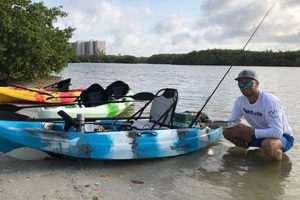
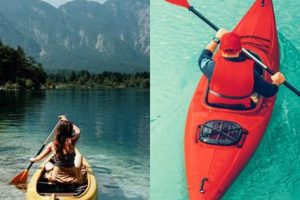
This activity involves angling from a small, human-powered watercraft in the waters surrounding St. George Island, Florida. It offers a unique way to experience the diverse marine ecosystems of Apalachicola Bay and the Gulf of Mexico. The shallow-draft vessels allow access to otherwise unreachable fishing grounds, from grassy flats to oyster bars and deeper channels.
The quiet approach afforded by paddling allows anglers to get closer to fish without disturbing them, increasing the chances of a successful catch. The island’s location offers access to a variety of species, including redfish, speckled trout, flounder, and other popular sport fish. Furthermore, the sports popularity has contributed to the local economy through rentals, guided tours, and related businesses.
The following sections will delve into the specific advantages of this type of angling, recommended equipment and techniques, and the best locations around St. George Island for a productive and enjoyable experience. Conservation efforts and responsible fishing practices will also be addressed.
Tips for Kayak Fishing St. George Island
Proper planning and preparation are essential for a safe and successful fishing trip. These tips offer valuable insights for anglers of all skill levels.
Tip 1: Check Weather and Tides: Consulting marine forecasts before heading out is crucial. Wind conditions and tidal flows significantly impact paddling and fishing conditions. Strong winds can create challenging paddling situations, while tides dictate fish movement and feeding patterns.
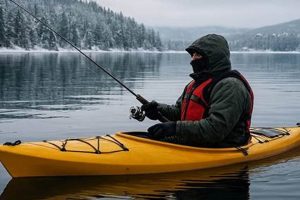
Tip 2: Prioritize Safety Equipment: A personal flotation device (PFD) is mandatory and should be worn at all times. Essential safety gear also includes a whistle, signaling device, and a first-aid kit. A leash connecting the paddle to the kayak prevents loss in case of a capsize.
Tip 3: Choose Appropriate Tackle: Lighter tackle is generally preferred, matching the target species and fishing environment. Rods and reels suitable for inshore saltwater fishing are recommended. A selection of lures and baits that mimic local forage fish will increase success.
Tip 4: Plan Your Route and Launch Point: Studying maps and identifying suitable launch points near target fishing areas is crucial. Consider factors like parking availability, water depth, and potential hazards. Sharing the intended route with someone onshore enhances safety.
Tip 5: Practice Kayak Control: Familiarizing oneself with basic paddling techniques and maneuvering the kayak improves stability and efficiency on the water. Practicing in calm conditions before venturing into more challenging areas is advisable.
Tip 6: Respect Wildlife and the Environment: Maintaining a safe distance from wildlife, avoiding nesting areas, and properly disposing of fishing line and other waste are essential for preserving the natural beauty of St. George Island. Adhering to catch and release guidelines for certain species helps maintain healthy fish populations.
Tip 7: Hire a Guide for Local Expertise: For those unfamiliar with the area, hiring a local fishing guide can significantly enhance the experience. Guides provide valuable insights into fishing spots, techniques, and local regulations.
By following these guidelines, anglers can maximize their chances of a rewarding and enjoyable fishing experience while prioritizing safety and environmental responsibility.
The concluding section will summarize key takeaways and emphasize the importance of sustainable fishing practices for the continued enjoyment of St. George Island’s unique ecosystem.
1. Quiet Approach

A quiet approach is a defining characteristic of kayak fishing, particularly advantageous around St. George Island. Motorized boats create noise and vibrations that can spook fish, especially in shallow, clear waters. Kayaks, being human-powered, offer a stealthy advantage, allowing anglers to approach fish undetected. This is crucial for targeting species like redfish and speckled trout, which are known to be easily startled. The quiet nature of kayaks also contributes to a more immersive and peaceful experience, enhancing the connection with the natural environment.
The shallow flats and oyster bars surrounding St. George Island are prime examples of environments where a quiet approach is essential. These areas are often teeming with fish but require a delicate approach. A kayak allows anglers to silently drift over these shallows, casting to feeding fish without alarming them. The difference in catch rates between a noisy motorized approach and a quiet kayak approach can be significant, particularly during calmer periods. For instance, experienced anglers often target tailing redfish in the shallows, a behavior readily disrupted by engine noise. Kayak anglers, however, can quietly maneuver into position for a successful cast.
Understanding the importance of a quiet approach is fundamental to successful kayak fishing around St. George Island. It underscores the advantages of human-powered vessels in specific fishing environments. By minimizing disturbance, anglers maximize their chances of encountering fish, contributing to a more productive and rewarding experience. This principle also aligns with ethical fishing practices, minimizing stress on fish populations and preserving the natural ecosystem.
2. Shallow Water Access
Shallow water access represents a significant advantage of kayak fishing around St. George Island. The island’s surrounding waters feature extensive flats, estuaries, and oyster beds, often inaccessible to larger, deeper-draft boats. Kayaks, with their minimal draft, allow anglers to navigate these shallow areas effectively, opening up a wealth of fishing opportunities. This access provides a distinct advantage, as many prized game fish, including redfish, speckled trout, and flounder, frequent these shallow, nutrient-rich environments. These areas serve as nurseries for juvenile fish and provide foraging grounds for adults, making them prime locations for anglers.
The practical significance of shallow water access becomes evident when considering the feeding habits of target species. Redfish, for example, are often found tailing in shallow water as they search for crustaceans and small fish in the mud and sand. Kayaks allow anglers to silently approach these tailing redfish, presenting lures or bait without spooking them. Similarly, speckled trout often ambush prey from the cover of seagrass beds in shallow flats. Kayak anglers can maneuver through these areas with ease, presenting lures precisely where trout are likely to be hiding. Attempting to reach these locations in a larger boat would prove difficult or impossible, restricting access to these productive fishing grounds.
Exploiting the shallow water access offered by kayaks requires careful consideration of tides and water levels. Incoming tides can flood flats and create new fishing opportunities, while outgoing tides can concentrate fish in deeper channels and cuts. Understanding these tidal influences is crucial for maximizing success. Furthermore, navigating shallow water requires awareness of potential hazards such as oyster bars and submerged debris. Careful observation and slow, controlled paddling are essential for avoiding damage to the kayak and ensuring angler safety. This careful approach not only enhances fishing success but also contributes to responsible use of the environment.
3. Diverse Fishing Grounds
St. George Island offers a remarkable variety of fishing environments, making it an ideal location for kayak angling. The unique geography of the island, situated between Apalachicola Bay and the Gulf of Mexico, creates a convergence of diverse habitats, each attracting different species and requiring specific fishing techniques. Kayaks, with their shallow draft and maneuverability, provide unparalleled access to these varied fishing grounds.
- Grass Flats:
Shallow, grassy areas provide habitat for species like redfish, speckled trout, and flounder. Kayak anglers can quietly navigate these flats, sight-casting to fish or using weedless lures to avoid snags. The clear, shallow water often allows for visual identification of fish, making it an engaging and rewarding experience.
- Oyster Bars:
Oyster reefs offer structure and attract a variety of fish seeking food and shelter. Anglers can target sheepshead, black drum, and redfish around these structures using live or artificial bait. Care must be taken to avoid damaging the kayak on sharp oyster shells, requiring precise boat control.
- Deep Channels and Cuts:
Deeper channels provide access to larger species such as jack crevalle, Spanish mackerel, and sharks. Trolling or drifting live bait is effective in these areas. Knowledge of tidal currents and water depth is essential for successful fishing in these environments.
- Nearshore Gulf Waters:
Venturing further offshore in suitable conditions provides opportunities for pelagic species like kingfish, cobia, and various snapper species. Kayak anglers targeting these species need to be mindful of weather conditions, water depth, and boating traffic. Specialized kayak fishing gear and safety equipment become increasingly important when fishing further offshore.
The diversity of fishing grounds surrounding St. George Island offers a compelling reason for kayak anglers to explore the area. The ability to transition seamlessly between these different habitats, targeting a wide range of species, makes it a truly unique and rewarding fishing destination. This diverse ecosystem underscores the adaptability of kayak fishing and highlights the importance of understanding the nuances of each environment for a successful and enjoyable experience.
4. Targeted Species

The diverse fish populations surrounding St. George Island contribute significantly to the area’s appeal for kayak anglers. Specific species are often targeted due to their sporting qualities, abundance, and accessibility from a kayak. Understanding the characteristics and habitats of these targeted species enhances angling success and promotes responsible fishing practices.
- Redfish (Sciaenops ocellatus):
Redfish are a popular target due to their fighting spirit and prevalence in the shallow flats and oyster bars around the island. Their copper-red coloration and distinctive black spot near the tail make them easily identifiable. Kayak anglers often sight-cast to redfish in shallow water, presenting lures or bait that mimic their natural prey, such as crabs and small fish.
- Speckled Trout (Cynoscion nebulosus):
Speckled trout, also known as spotted seatrout, are another sought-after species found in the grass flats and estuaries surrounding St. George Island. Their speckled pattern and preference for ambush predation make them a challenging and rewarding target. Kayak anglers often use lures that mimic small baitfish to entice speckled trout from their hiding spots.
- Flounder (Paralichthys lethostigma):
Flounder are bottom-dwelling fish prized for their delicate flavor. Their flat, camouflaged bodies blend seamlessly with the sandy bottom, making them a challenging but rewarding catch. Kayak anglers often target flounder using live bait or lures fished slowly along the bottom.
- Other Species:
Beyond these primary targets, kayak anglers around St. George Island can also encounter species such as black drum, sheepshead, Spanish mackerel, and various types of sharks. The diversity of species available adds to the appeal of kayak fishing in the region and allows anglers to tailor their approach based on their preferences and the prevailing conditions.
Targeting specific species enhances the kayak fishing experience around St. George Island. Knowledge of preferred habitats, feeding patterns, and effective fishing techniques increases the likelihood of a successful catch. Furthermore, understanding size and catch limits for different species contributes to responsible fishing practices and the long-term health of the fishery.
5. Equipment Selection

Appropriate equipment selection is crucial for a safe and successful kayak fishing experience around St. George Island. The chosen gear directly impacts angler comfort, fishing effectiveness, and overall safety. Careful consideration of various factors, including target species, fishing environment, and personal preferences, informs optimal equipment choices.
- Kayak Choice:
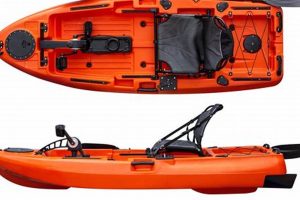
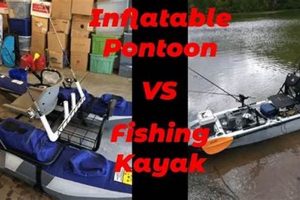
Selecting a suitable kayak is paramount. Sit-on-top kayaks are generally preferred for fishing due to their stability, ease of entry and exit, and ample storage space. Factors such as length, width, and hull design influence maneuverability and stability in different water conditions. Shorter kayaks are more agile in tight spaces, while longer kayaks track better in open water. Wider kayaks offer increased stability, while narrower kayaks are faster. Specialized fishing kayaks often feature built-in rod holders, tackle storage compartments, and anchor trolleys.
- Paddle Selection:
A comfortable and efficient paddle is essential for covering distance and maneuvering the kayak effectively. Paddle length should be appropriate for the angler’s height and the kayak’s width. Lightweight paddles reduce fatigue during long paddling sessions. Adjustable paddles offer versatility for different paddling styles and conditions.
- Fishing Gear:
Rods, reels, and tackle should be chosen based on the target species and fishing techniques employed. Lighter tackle is typically preferred for inshore fishing, while heavier gear may be necessary for larger offshore species. A selection of lures, baits, and terminal tackle appropriate for the local fish species is essential. Rod holders, fish finders, and other accessories can enhance fishing efficiency.
- Safety Equipment:
Prioritizing safety is paramount in kayak fishing. A personal flotation device (PFD) is mandatory and should be worn at all times. A whistle, signaling device, and a first-aid kit are essential safety items. A leash connecting the paddle to the kayak prevents loss in case of a capsize. A dry bag or waterproof container protects essential items like phones and wallets from water damage.
Careful equipment selection significantly impacts the overall kayak fishing experience around St. George Island. Choosing appropriate gear enhances angler comfort, improves fishing effectiveness, and ensures angler safety. By understanding the function and importance of each piece of equipment, anglers can make informed decisions that contribute to a more productive and enjoyable time on the water.
6. Safety Precautions
Safety precautions are paramount for kayak fishing around St. George Island. The open water environment presents inherent risks, and the potential for changing weather conditions necessitates careful planning and preparation. Prioritizing safety ensures an enjoyable and incident-free fishing experience.
- Personal Flotation Device (PFD):
A properly fitted PFD is non-negotiable. Even strong swimmers can experience unexpected situations, such as capsizing in rough water or encountering strong currents. A PFD provides essential buoyancy and can be lifesaving in an emergency. Inflatable PFDs offer comfort and freedom of movement, but require regular inspection and maintenance.
- Weather Monitoring and Awareness:
Checking marine weather forecasts before embarking on a kayak fishing trip is crucial. Sudden changes in wind speed and direction can create challenging paddling conditions and increase the risk of capsizing. Monitoring weather conditions throughout the trip allows anglers to react proactively to changing circumstances and seek shelter if necessary. Postponing a trip due to adverse weather conditions is always preferable to risking safety.
- Communication and Signaling Devices:
Carrying a waterproof VHF radio allows direct communication with the Coast Guard and other boaters in case of an emergency. A whistle provides an additional means of signaling for help if a radio malfunctions or is unavailable. Sharing float plans with someone onshore, including the intended fishing area and estimated return time, is a vital safety measure.
- Navigation and Awareness of Surroundings:
Familiarizing oneself with local navigation charts and identifying potential hazards such as shallow areas, oyster bars, and strong currents is essential for safe navigation. Maintaining awareness of boat traffic and avoiding congested areas reduces the risk of collisions. Carrying a GPS device and a compass provides backup navigation tools in case of electronic failures.
Adhering to these safety precautions significantly mitigates risks associated with kayak fishing around St. George Island. Careful planning, appropriate equipment, and continuous awareness of the surrounding environment contribute to a safe and enjoyable experience. Prioritizing safety allows anglers to fully appreciate the unique fishing opportunities this area offers without compromising personal well-being.
Frequently Asked Questions
This section addresses common inquiries regarding kayak fishing around St. George Island. Clear and concise answers provide prospective anglers with the information necessary for a safe and rewarding experience.
Question 1: What are the most common fish species targeted by kayak anglers around St. George Island?
Redfish, speckled trout, and flounder are frequently targeted, alongside other species like black drum, sheepshead, and Spanish mackerel.
Question 2: Are fishing licenses required for kayak fishing in this area?
Yes, a valid Florida fishing license is required for anyone engaging in recreational fishing, including kayak angling. Licenses can be obtained online or through authorized vendors.
Question 3: What are the recommended safety precautions for kayak fishing around St. George Island?
Wearing a personal flotation device (PFD), checking weather forecasts, carrying communication devices (VHF radio, whistle), and informing someone of the fishing plan are essential safety measures.
Question 4: What are the best times to fish from a kayak around St. George Island?
Fishing can be productive year-round, but specific species may be more active during certain seasons. Tidal flows and weather conditions also influence fishing success. Consulting local fishing reports and guides provides valuable insights.
Question 5: What type of kayak is best suited for fishing around St. George Island?
Sit-on-top kayaks are generally preferred for their stability and ease of use. Choosing a kayak with appropriate features, such as rod holders and storage compartments, enhances the fishing experience.
Question 6: Are guided kayak fishing tours available in the area?
Yes, several local outfitters offer guided kayak fishing tours. Guided tours provide valuable insights into local fishing spots, techniques, and regulations. They are particularly beneficial for those unfamiliar with the area.
Understanding local regulations, prioritizing safety, and respecting the environment contribute to a positive and sustainable kayak fishing experience.
The following section offers concluding remarks on kayak fishing around St. George Island, emphasizing the unique aspects of this activity and its contribution to the local ecosystem and economy.
Kayak Fishing St. George Island
Kayak fishing around St. George Island offers a unique blend of angling opportunities and natural immersion. The shallow-water accessibility of kayaks unlocks diverse fishing grounds, from grassy flats to oyster bars and nearshore Gulf waters, each teeming with sought-after species like redfish, speckled trout, and flounder. The quiet approach afforded by paddling minimizes disturbance, enhancing angling success while fostering a deeper connection with the surrounding ecosystem. Careful equipment selection, informed by target species and fishing environment, contributes significantly to both angler comfort and fishing effectiveness. Prioritizing safety precautions, including wearing a PFD and monitoring weather conditions, ensures a responsible and enjoyable experience. Understanding local regulations and practicing ethical fishing principles are essential for preserving the delicate balance of this valuable coastal ecosystem.
The continued appeal of kayak fishing around St. George Island rests on the responsible stewardship of its natural resources. Sustainable fishing practices, including catch-and-release guidelines and respect for local habitats, ensure the longevity of this unique angling experience for generations to come. The economic benefits derived from responsible tourism further underscore the importance of preserving the island’s natural beauty and its diverse marine life. The future of kayak fishing around St. George Island lies in the collective commitment to environmental preservation and the sustainable enjoyment of its extraordinary fishing opportunities.