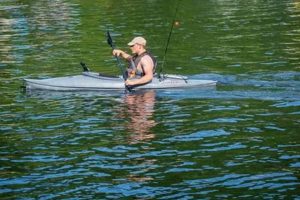
Angling from small, human-powered vessels on Lake Somerville offers a unique blend of sport and nature appreciation. This method provides access to shallow waters and secluded coves often unreachable by larger motorized boats, allowing for a closer connection with the aquatic environment. For example, anglers can silently approach areas teeming with fish, maximizing their chances of a successful catch.
This approach to angling presents several advantages. The quiet maneuverability of a kayak allows for minimal disturbance to fish habitats, potentially leading to higher catch rates. Furthermore, the physical exertion involved provides a healthy form of exercise. Historically, small boats have been used for fishing on bodies of water like Lake Somerville, but the recent popularity of kayaks has brought renewed interest and accessibility to this traditional practice. This eco-friendly method minimizes environmental impact compared to motorized approaches, contributing to the lakes preservation.
The following sections will delve into specific aspects of this activity, including recommended equipment, ideal fishing locations within Lake Somerville, local regulations, and safety guidelines for a rewarding and safe experience.
Tips for Angling from a Kayak on Lake Somerville
Careful planning and preparation contribute significantly to a successful and enjoyable fishing experience from a kayak on Lake Somerville. The following tips offer guidance for anglers of all skill levels.
Tip 1: Check Weather Conditions: Prior to embarking on any fishing trip, consulting the weather forecast is crucial. Wind speed and direction significantly impact kayak handling, especially on larger bodies of water. Postponing trips during adverse weather conditions prioritizes angler safety.
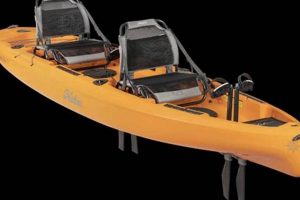
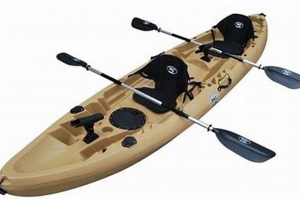
Tip 2: Utilize a Kayak Designed for Fishing: Fishing kayaks offer features such as rod holders, storage compartments, and stability enhancements designed specifically for angling. These specialized features enhance angler comfort and efficiency on the water.
Tip 3: Employ Appropriate Safety Gear: Wearing a personal flotation device (PFD) is paramount for safety. Additional safety equipment, including a whistle, signaling mirror, and first-aid kit, should be readily accessible.
Tip 4: Plan and Share Float Plans: Informing someone about planned fishing locations and expected return times enhances safety. Providing this information allows for quicker response times in case of emergencies.
Tip 5: Respect Wildlife and the Environment: Practicing catch-and-release fishing helps conserve fish populations. Adhering to Leave No Trace principles minimizes environmental impact and preserves the natural beauty of Lake Somerville.
Tip 6: Obtain Necessary Licenses and Permits: Ensuring compliance with all applicable fishing regulations and obtaining required licenses prior to fishing is essential for legal and responsible angling.
Tip 7: Learn Basic Kayak Paddling Techniques: Acquiring basic paddling skills enhances maneuverability and control, improving fishing efficiency and overall enjoyment.
By adhering to these guidelines, anglers can maximize their chances of a safe and productive experience, while contributing to the long-term health and preservation of Lake Somerville’s ecosystem.
The following section will summarize key takeaways and provide concluding remarks for successful kayak angling on Lake Somerville.
1. Lake Access Points

Convenient and appropriate access points are crucial for a successful kayak fishing experience on Lake Somerville. These locations determine launching ease, proximity to desirable fishing spots, and overall safety. Careful consideration of access point characteristics is essential for planning efficient and enjoyable outings.
- Shoreline Characteristics:
The nature of the shoreline significantly influences launch ease. Gently sloping, sandy or gravel shorelines provide ideal launching conditions for kayaks. Rocky or heavily vegetated areas can pose challenges and should be avoided, especially by less experienced kayakers. Choosing a suitable shoreline minimizes the risk of damage to the kayak and ensures a smooth entry and exit from the water.
- Parking Availability and Proximity:
Adequate parking near the launch point simplifies logistics and reduces the distance kayakers must transport their equipment. Limited parking or parking located far from the water’s edge can add complexity and physical strain, particularly when transporting heavier kayaks or gear. Checking parking availability beforehand ensures a smoother start to the fishing trip.
- Presence of Amenities:
Access points with amenities like restrooms, picnic tables, and trash receptacles enhance the overall experience. These facilities contribute to angler comfort and promote responsible waste disposal. While not essential for all anglers, the presence of such amenities can significantly improve the quality of the outing, especially for longer trips or those involving families.
- Congestion and User Traffic:
The level of activity at an access point influences launching ease and overall enjoyment. Overcrowded launch areas can create delays and safety concerns. Choosing less frequented access points, especially during peak seasons, provides a more relaxed and enjoyable experience. Researching access point usage patterns can help anglers avoid potential congestion.
Strategic selection of access points directly impacts the quality of the kayak fishing experience on Lake Somerville. Considering these facets during trip planning allows anglers to maximize their time on the water, minimize potential difficulties, and contribute to a safer and more enjoyable outing. This informed approach ultimately enhances the overall angling experience and promotes responsible use of the lake’s resources.
2. Kayak Selection
Appropriate kayak selection significantly impacts fishing success and safety on Lake Somerville. Choosing the right vessel involves careful consideration of several factors, each influencing maneuverability, stability, and overall angler comfort. Understanding these elements is crucial for optimizing the fishing experience on this particular body of water.
Lake Somerville’s size and conditions necessitate specific kayak characteristics. Its expansive open areas can experience significant wind and wave action, demanding a stable and seaworthy kayak. Longer kayaks, typically exceeding 12 feet, offer better tracking and glide in these conditions, covering greater distances efficiently. Shorter kayaks, while more maneuverable in tight spaces, may struggle in open water, particularly for less experienced paddlers. Sit-on-top kayaks are generally preferred for their self-bailing capabilities and ease of re-entry in the event of a capsize. These design features enhance safety, especially in unpredictable weather conditions. Furthermore, specialized fishing kayaks often incorporate features such as built-in rod holders, tackle storage, and anchor trolleys, which optimize angling efficiency and organization on the water. For example, a wider, sit-on-top kayak with ample storage provides a stable platform for casting and reeling, while dedicated rod holders free up the angler’s hands for other tasks.
Careful consideration of kayak features and their suitability for Lake Somerville’s environment ensures not only a productive fishing experience but also enhanced angler safety. Selecting a kayak that balances stability, maneuverability, and storage capacity, while accounting for the lake’s specific conditions, contributes significantly to a positive and rewarding outing. Neglecting these factors can compromise both safety and fishing success, highlighting the critical link between appropriate kayak selection and an enjoyable experience on Lake Somerville.
3. Fishing Gear
Fishing gear selection directly influences angling success on Lake Somerville from a kayak. The unique demands of this fishing style necessitate specialized equipment choices, prioritizing compactness, versatility, and effectiveness in the lake’s specific environment. Understanding these demands and tailoring gear accordingly is crucial for maximizing catch rates and overall fishing enjoyment.
Rods and reels suited for kayak fishing typically feature shorter lengths, enhancing maneuverability within the confined space of a kayak. A 7-foot medium-power spinning rod paired with a 2500-size reel provides versatility for targeting various species commonly found in Lake Somerville, such as bass, catfish, and crappie. Shorter rods reduce the risk of entanglement with the kayak or surrounding vegetation, common challenges in kayak angling. Furthermore, braided fishing line offers advantages in sensitivity and strength, crucial for detecting subtle bites and handling larger fish. Its thin diameter allows for longer casts and less resistance in the water, further enhancing fishing effectiveness from a kayak. Selecting lures and bait tailored to target species is also essential. For instance, soft plastic worms rigged Texas-style are effective for bass, while live bait such as minnows or worms can attract catfish. Carrying a variety of lures and bait options allows anglers to adapt to changing fish behavior and maximize their chances of success.
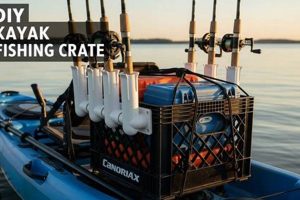
Effective tackle management is crucial within the limited space of a kayak. Utilizing a tackle box or bag designed specifically for kayak fishing, with compartments for various lures and terminal tackle, optimizes organization and accessibility. Essential tools, such as pliers for removing hooks and a knife for cutting line, should be readily accessible and secured to prevent loss overboard. A landing net with a telescoping handle aids in landing larger fish safely and efficiently from the kayak. By carefully selecting and organizing appropriate fishing gear, anglers enhance their effectiveness, enjoyment, and overall success while kayak fishing on Lake Somerville. This thoughtful approach contributes to a more streamlined and rewarding angling experience, demonstrating the crucial connection between gear choices and positive outcomes on the water.
4. Safety Equipment

Safety equipment plays a vital role in mitigating risks inherent to kayak fishing on Lake Somerville. The lake’s size and potential for changing weather conditions necessitate specific safety precautions. Neglecting these precautions can lead to dangerous situations, underscoring the direct connection between safety equipment and angler well-being.
A personal flotation device (PFD) is paramount. Texas law requires all vessels, including kayaks, to have one approved PFD per person on board. However, merely possessing a PFD is insufficient; wearing it consistently is crucial. Accidental capsizing can occur swiftly, leaving little time to don a PFD. A whistle, attached to the PFD, provides a crucial signaling tool in emergencies, particularly in open water. A waterproof pouch containing a cell phone or VHF radio enables communication for assistance or reporting changing weather conditions. A first-aid kit, equipped to address common fishing-related injuries such as hook removals and minor cuts, provides immediate care in remote locations. Navigation lights or reflective tape on the kayak enhance visibility in low-light conditions, crucial for avoiding collisions with other vessels, especially during early morning or evening fishing trips. Carrying a bilge pump or bailing device aids in removing water from the kayak in the event of swamping or capsizing, contributing to stability and preventing sinking.
Prioritizing safety equipment preparation contributes significantly to mitigating potential risks on Lake Somerville. Understanding the lake’s specific conditions and equipping oneself accordingly demonstrates responsible angling practices. This proactive approach enhances not only personal safety but also the overall enjoyment of the fishing experience. Adequate preparation empowers anglers to navigate unexpected challenges effectively and enjoy a safe and rewarding outing.
5. Local Regulations
Adherence to local regulations is essential for responsible and legal kayak fishing on Lake Somerville. These regulations ensure the sustainability of fish populations, protect the ecosystem, and promote safe angling practices. Understanding and complying with these rules contributes to the long-term health of the lake and ensures continued access for all anglers.
- Fishing Licenses and Permits:
Valid Texas fishing licenses are mandatory for all anglers on Lake Somerville, regardless of age or residency status. Specific permits may also be required for certain species or fishing methods. Acquiring the necessary licenses and permits prior to fishing ensures compliance with state regulations and avoids potential penalties. Information on license requirements and purchasing options can be found through the Texas Parks and Wildlife Department.
- Catch Limits and Size Restrictions:
Regulations dictate catch limits and size restrictions for various fish species in Lake Somerville. These limits aim to prevent overfishing and maintain healthy fish populations. Anglers must familiarize themselves with these species-specific regulations and adhere to them strictly. Exceeding catch limits or keeping undersized fish can result in fines and jeopardize the lake’s ecological balance. This information can often be found in the Texas Parks and Wildlife Department’s outdoor annual.
- Restricted Areas and Closures:
Certain areas within Lake Somerville may be designated as restricted or closed to fishing for conservation or safety reasons. These restrictions might be seasonal or permanent, aiming to protect spawning areas or sensitive habitats. Respecting these closures is crucial for preserving the lake’s ecosystem and avoiding potential penalties. Information on current closures and restricted areas can typically be obtained from local authorities or the Texas Parks and Wildlife Department’s website.
- Boating Regulations and Water Safety:
Kayak anglers on Lake Somerville must adhere to boating regulations applicable to all vessels. This includes maintaining proper lighting after dark, carrying required safety equipment, and observing speed limits in designated areas. Adhering to these rules promotes boater safety and reduces the risk of accidents. Staying informed about current boating regulations on Lake Somerville ensures a safe and legal fishing experience.
Compliance with local regulations safeguards the lake’s resources and ensures continued angling opportunities. By respecting these rules, kayak anglers contribute to a sustainable and enjoyable fishing environment on Lake Somerville for present and future generations. Ignoring these regulations can have significant legal and environmental consequences, highlighting the crucial link between responsible angling and the long-term health of the lake’s ecosystem.
6. Target Species

Target species identification significantly influences angling strategies and equipment choices for kayak fishing on Lake Somerville. The lake supports diverse fish populations, each exhibiting unique behaviors and habitat preferences. Understanding these nuances allows anglers to tailor their approach, maximizing their chances of success. For example, largemouth bass, a popular target species, often inhabit areas with submerged vegetation or structures, requiring lures and techniques that effectively penetrate these environments. Conversely, catfish, another prevalent species, tend to dwell in deeper, cooler waters, necessitating different bait and tackle choices. Targeting crappie, known to congregate around brush piles and other submerged cover, requires yet another specialized approach. This understanding of species-specific habits informs decisions regarding lure selection, fishing location, and overall angling strategy, directly impacting catch rates.
Knowledge of target species’ feeding patterns further refines angling techniques. Bass, being ambush predators, respond well to lures mimicking their natural prey, such as crankbaits or spinnerbaits. Catfish, primarily bottom feeders, are often attracted to scented baits like stinkbait or chicken liver. Crappie, known for their tendency to feed in schools, respond well to small jigs or minnows presented vertically. Adapting techniques to match these feeding preferences significantly increases the likelihood of attracting and hooking the desired species. Furthermore, seasonal variations in water temperature and prey availability influence target species behavior. During warmer months, bass may move to shallower waters in search of cooler temperatures and abundant forage. Understanding these seasonal shifts allows anglers to adjust their strategies accordingly, maximizing their chances of a successful catch throughout the year.
Effective kayak fishing on Lake Somerville requires a nuanced understanding of target species ecology. This knowledge informs not only equipment choices but also strategic decisions regarding fishing location and technique. By aligning their approach with the specific characteristics of their desired catch, anglers significantly enhance their chances of success. This targeted approach not only increases catch rates but also fosters a deeper appreciation for the lake’s diverse ecosystem and the complex interplay between angler and environment. Failing to consider target species characteristics can lead to frustration and diminished success, highlighting the essential connection between knowledge of the lake’s inhabitants and a rewarding fishing experience.
7. Seasonal Considerations

Seasonal variations significantly influence kayak fishing success on Lake Somerville. Water temperature fluctuations, changing weather patterns, and fish behavioral shifts all contribute to a dynamic angling environment. Understanding these seasonal nuances allows for strategic adaptation of fishing techniques and location choices, maximizing angling opportunities throughout the year. For example, during spring, rising water temperatures trigger fish spawning activity, concentrating certain species in shallower, vegetated areas. Targeting these areas with appropriate lures and techniques can yield productive results. Conversely, during summer’s peak heat, fish may seek deeper, cooler water, requiring anglers to adjust their fishing depth and lure presentations. Recognizing these seasonal patterns is crucial for consistent success.
Weather patterns further complicate seasonal considerations. Spring and fall often bring unpredictable weather, ranging from calm, sunny days to strong winds and rain. These changing conditions impact kayak stability and maneuverability, demanding heightened attention to safety precautions. Summer’s intense heat requires anglers to take necessary measures against sun exposure and dehydration, emphasizing the importance of proper preparation and hydration. Winter’s colder temperatures necessitate appropriate clothing and awareness of potential hypothermia risks. Integrating weather forecasts into trip planning is essential for safe and enjoyable kayak fishing throughout the year. Moreover, seasonal changes influence fish feeding behavior. Spring’s abundance of emerging insects may prompt fish to focus on surface feeding, making topwater lures effective. Fall’s cooling waters can trigger a feeding frenzy as fish prepare for winter, increasing their activity and responsiveness to various lures. Adapting lure choices and presentation techniques to match these seasonal feeding patterns significantly enhances fishing success.
Successful kayak fishing on Lake Somerville requires continuous adaptation to seasonal variations. Understanding the interplay between water temperature, weather patterns, and fish behavior allows anglers to refine their strategies, maximizing their chances of success year-round. Neglecting these seasonal considerations can lead to unproductive outings and compromised safety, highlighting the practical significance of this awareness for a consistently rewarding angling experience.
Frequently Asked Questions
This section addresses common inquiries regarding kayak fishing on Lake Somerville, providing concise and informative responses to assist anglers in planning safe and productive outings.
Question 1: What are the best locations for kayak fishing on Lake Somerville?
Birch Creek and Yegua Creek offer productive fishing areas, particularly for species like largemouth bass and crappie. The Nails Creek area is also known for good fishing opportunities. Exploring shallower coves and areas with submerged vegetation or structures often yields positive results.
Question 2: Are motorized kayaks permitted on Lake Somerville?
Motorized kayaks are permitted on Lake Somerville, subject to standard boating regulations. Operators must adhere to speed limits and other applicable rules. Registration requirements for motorized kayaks align with those for other motorized vessels.
Question 3: What safety precautions are essential for kayak fishing on Lake Somerville?
Wearing a personal flotation device (PFD) is paramount. Carrying a whistle, communication device (cell phone or VHF radio), and a first-aid kit enhances safety. Informing someone of planned fishing locations and expected return times is crucial.
Question 4: Are there specific license requirements for kayak fishing on Lake Somerville?
A valid Texas fishing license is required for all anglers on Lake Somerville, regardless of fishing from a kayak or other vessel. Specific permits may be required for certain species or fishing methods. Compliance with all licensing regulations is essential.
Question 5: What fish species are commonly targeted by kayak anglers on Lake Somerville?
Largemouth bass, white bass, catfish (channel and blue), and crappie are popular target species in Lake Somerville. Hybrid striped bass are also present and offer a challenging angling opportunity.
Question 6: What impact do weather conditions have on kayak fishing on Lake Somerville?
Wind and wave conditions significantly influence kayak fishing on Lake Somerville. Monitoring weather forecasts prior to embarking on fishing trips is crucial. Strong winds can create challenging paddling conditions, especially in open areas of the lake.
Careful consideration of these frequently asked questions promotes safe and successful kayak fishing experiences on Lake Somerville. Prioritizing safety, adhering to regulations, and understanding the lake’s unique characteristics contribute to rewarding angling outings.
The subsequent article sections will delve into advanced techniques, specific gear recommendations, and further insights into Lake Somerville’s diverse fishing opportunities.
Kayak Fishing Lake Somerville
Kayak fishing on Lake Somerville offers a unique blend of angling challenge and natural immersion. Successful navigation of this pursuit requires careful consideration of several key elements. Appropriate kayak selection, informed by the lake’s size and conditions, is paramount. Effective fishing gear, tailored to target species and the kayak’s confined space, enhances angling success. Prioritizing safety equipment and adhering to local regulations are non-negotiable aspects of responsible angling. Understanding seasonal influences on fish behavior and weather patterns further refines strategic planning. These combined factors contribute significantly to a safe and rewarding experience.
Lake Somerville presents a dynamic and rewarding environment for kayak anglers. Its diverse fish populations and varied habitats offer continuous opportunities for exploration and skill development. Respect for the lake’s ecosystem and adherence to ethical angling practices ensure the preservation of this valuable resource for future generations. Continued learning and adaptation to the lake’s ever-changing conditions remain essential for long-term angling success on Lake Somerville.