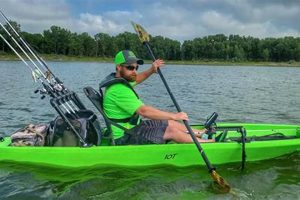
Paddling through calm, sheltered waters while casting a line offers a unique angling experience in a beautiful, urban setting. This activity combines the tranquility of kayaking with the excitement of sport fishing, allowing anglers to access shallow areas and secluded coves often unreachable by larger vessels. For example, navigating the network of channels within a protected bay provides opportunities to target species like halibut, spotted bay bass, and various types of croaker.
This style of fishing provides a low-impact way to interact with the marine environment while enjoying the benefits of exercise and fresh air. Historically, small, human-powered vessels have been utilized for fishing in sheltered coastal areas. The modern adaptation with specialized kayaks enhances stability and provides convenient storage for fishing gear, making this a popular recreational activity. It offers a sustainable and accessible approach to angling, suitable for individuals of varying skill levels.
This discussion will further examine relevant topics, including suitable kayak selection, essential gear and safety precautions, specific techniques for targeting local fish species, and regulations impacting this activity within the designated area.
Tips for Successful Kayak Angling
Careful planning and preparation contribute significantly to a productive and enjoyable fishing experience from a kayak.
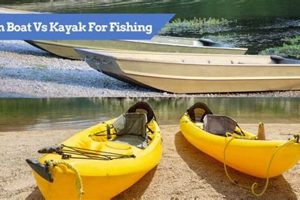
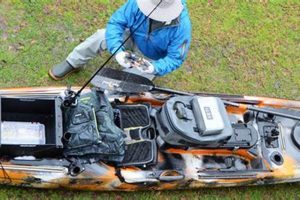
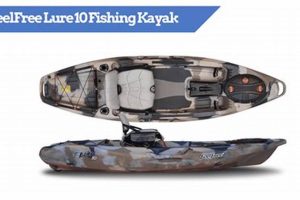
Tip 1: Choose the Right Kayak: A sit-on-top kayak offers superior stability and ease of re-entry if capsizing occurs. Consider models specifically designed for fishing, featuring built-in rod holders and storage compartments.
Tip 2: Prioritize Safety: Always wear a personal flotation device (PFD). Carry a whistle, signaling mirror, and VHF radio for communication in emergencies. Check weather forecasts before embarking and be aware of tidal currents.
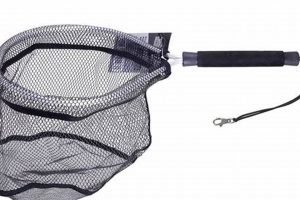
Tip 3: Pack Essential Gear: Bring appropriate fishing tackle, including rods, reels, lines, lures, and bait suitable for targeted species. A landing net, pliers, and knife are essential for handling fish. A dry bag protects electronic devices and other valuables from water damage.
Tip 4: Plan Your Route: Study nautical charts and maps to identify potential fishing hotspots, including shallow reefs, drop-offs, and channels. Consider the impact of tides and currents on navigation.
Tip 5: Practice Kayak Control: Develop proficient paddling skills and maneuvering techniques. Learn how to position the kayak effectively for casting and retrieving lines without compromising stability.
Tip 6: Respect Wildlife and the Environment: Practice catch-and-release whenever possible. Adhere to local fishing regulations and bag limits. Dispose of fishing line and other waste responsibly.
Tip 7: Be Mindful of Other Water Users: Maintain a safe distance from motorized vessels and other kayakers. Avoid fishing in designated swimming areas or channels used for navigation.
By adhering to these guidelines, anglers can maximize their chances of a rewarding experience while ensuring safety and environmental responsibility.
These practical tips provide a foundation for successful kayak angling. The following section will delve deeper into specific techniques and strategies for targeting individual species.
1. Location

Mission Bay’s unique characteristics significantly influence the practice of kayak fishing within its boundaries. The bay’s sheltered environment, diverse habitats, and specific regulations shape the overall experience and contribute to its popularity among anglers.
- Protected Waters and Calm Conditions
The bay’s sheltered nature, protected from the open ocean by barrier islands and breakwaters, creates predominantly calm water conditions. This environment is particularly conducive to kayak fishing, offering stability and ease of navigation, even for less experienced paddlers. The reduced wave action and currents allow anglers to focus on fishing techniques rather than constantly battling challenging conditions. This makes Mission Bay an attractive location for both novice and seasoned kayak anglers.
- Diverse Habitats and Target Species
Mission Bay encompasses a variety of habitats, including shallow eelgrass beds, deeper channels, and sandy flats. This diversity supports a wide range of fish species, providing anglers with opportunities to target different species using varied techniques. For example, shallow areas may hold halibut and leopard sharks, while deeper channels could yield spotted bay bass and California corbina. This diverse ecosystem contributes to the richness of the kayak fishing experience.
- Accessibility and Launch Points
Numerous public launch points and kayak rental facilities around Mission Bay provide convenient access for anglers. This accessibility contributes to the activity’s popularity, allowing individuals to easily transport and launch their kayaks. The availability of rentals also eliminates the need for personal kayak ownership, making the sport more accessible to a wider range of participants.
- Specific Regulations and Considerations
Fishing in Mission Bay is subject to specific regulations, including licensing requirements, size and bag limits for different species, and seasonal closures. Awareness of these regulations is crucial for responsible and legal fishing practices. Additionally, understanding designated no-fishing zones and areas with speed restrictions for motorized vessels enhances safety for all bay users. Respecting these rules ensures the sustainability of the fishery and the preservation of the bay’s ecosystem.
These factors combine to create a unique kayak fishing experience within Mission Bay. The sheltered waters, diverse habitats, convenient access, and specific regulations all contribute to the area’s popularity as a premier destination for this activity. Understanding these interconnected elements is crucial for planning a successful and enjoyable fishing trip.
2. Activity
Kayak fishing, as an activity, forms the core of the “Mission Bay kayak fishing” experience. It represents the active pursuit of fish using a kayak as the primary platform. This activity dictates the necessary equipment, influences target species selection, and shapes the overall interaction with the Mission Bay environment. For example, the stability and maneuverability of a fishing kayak directly impact an angler’s ability to navigate shallow areas and position effectively for casting. Furthermore, the quiet approach afforded by a kayak can be advantageous when targeting species easily spooked by larger, motorized vessels. The very act of paddling and casting from a kayak defines the unique character of this pursuit in Mission Bay, distinguishing it from shore-based or powerboat fishing.
The practical significance of understanding “kayak fishing” as the central activity lies in its implications for preparation and execution. Anglers must consider factors such as kayak selection, appropriate fishing gear, and paddling proficiency. Choosing a kayak with sufficient stability and storage for tackle is paramount. Matching rod and reel combinations to target species, like the shorter, sturdier rods often preferred for kayak fishing, ensures efficient handling in the confined space. Proficiency in paddling and maneuvering the kayak allows anglers to position themselves effectively for casting and fighting fish, crucial skills for success in the Mission Bay environment.
In summary, “kayak fishing” is not merely a descriptive term but the defining activity shaping the entire Mission Bay experience. Recognizing this underscores the importance of selecting appropriate gear, developing necessary skills, and understanding the nuances of fishing from a kayak. Challenges such as limited storage space and the need for balance while casting must be addressed through careful planning and practice. Ultimately, mastering the art of kayak fishing unlocks the full potential of this unique angling experience within the diverse ecosystem of Mission Bay.
3. Equipment

Specialized equipment plays a crucial role in the success and enjoyment of kayak fishing within Mission Bay. The kayak itself serves as the primary platform, influencing maneuverability and stability within the bay’s diverse environments. Rods and reels, tailored to the targeted species and fishing techniques, further determine an angler’s effectiveness. The choice of kayak, for instance, impacts access to shallow-water habitats favored by species like halibut. A shorter, wider kayak offers enhanced stability for sight casting in these areas, while a longer, narrower kayak might be preferred for traversing open water and trolling for bonito. Similarly, selecting a rod with appropriate action and power, paired with a reel offering suitable line capacity and drag system, directly affects the angler’s ability to successfully hook, fight, and land target species.
Consider the scenario of targeting spotted bay bass within Mission Bay’s deeper channels. A medium-heavy spinning rod paired with a 2500-size spinning reel spooled with braided line provides the necessary backbone for casting heavier lures and managing the strong runs of these fish. Conversely, pursuing smaller species like croaker in the shallows might necessitate a lighter spinning setup or even a specialized ultralight rod and reel combination for optimal sensitivity and finesse. These practical examples illustrate the direct link between equipment choices and fishing success. Kayak features such as rod holders, anchor trolleys, and storage compartments further enhance efficiency and organization on the water. The careful selection and proper utilization of this specialized gear contribute significantly to a positive experience.
In summary, the relationship between equipment and the “Mission Bay kayak fishing” experience is fundamental. Effective angling requires deliberate choices in kayaks, rods, and reels, tailored to specific target species, fishing techniques, and the unique conditions within Mission Bay. Understanding this interconnectedness allows anglers to optimize their approach, maximizing their chances of success while ensuring a safe and enjoyable experience. Challenges such as limited storage space on a kayak and the need to manage equipment while maintaining balance underscore the importance of selecting gear carefully and practicing its efficient use. This knowledge forms the basis for a rewarding and productive kayak fishing adventure in the diverse waters of Mission Bay.
4. Target

The targeted fish species significantly influence the strategies and overall experience of kayak fishing in Mission Bay. Understanding the behavior, habitat preferences, and seasonal availability of various species is essential for successful angling. This knowledge informs equipment choices, lure selection, and fishing location within the bay, ultimately determining the effectiveness and enjoyment of the fishing trip. For instance, targeting halibut necessitates a different approach compared to pursuing spotted bay bass, reflecting the distinct characteristics and habitat preferences of each species.
- Species-Specific Tackle and Techniques
Different fish species require specific tackle and techniques. For example, targeting halibut often involves using live bait or lures fished near the bottom, requiring heavier tackle and a strong leader line. In contrast, catching spotted bay bass might involve using lighter lures and a finesse approach with lighter line, focusing on retrieving the lure through the water column. Matching tackle and technique to the target species maximizes the chances of a successful catch.
- Habitat and Location within Mission Bay
Various fish species inhabit different areas within Mission Bay. Halibut are often found in sandy or muddy bottom areas, while spotted bay bass prefer structures like jetties, pilings, and eelgrass beds. Knowledge of these habitat preferences dictates where anglers should focus their efforts. Utilizing a kayak allows access to shallow, protected areas often inaccessible to larger boats, increasing the chances of encountering specific target species in their preferred habitats.
- Seasonal Availability and Behavior Patterns
Fish species exhibit seasonal patterns in their availability and behavior. Certain species may be more prevalent during specific times of the year, influencing target selection. Understanding these patterns helps anglers choose the right time to fish for their desired species. For instance, California corbina are more commonly targeted during the warmer months when they move into the shallows to feed, while sharks may be more active during certain tidal cycles. This knowledge allows anglers to plan their trips for optimal fishing opportunities.
- Regulations and Conservation Considerations
Regulations regarding specific fish species, including size and bag limits, influence fishing practices. Adhering to these regulations ensures the sustainability of fish populations within Mission Bay. For example, there are strict regulations regarding the size and number of halibut that can be kept. Practicing catch and release for certain species contributes to conservation efforts. Awareness of and adherence to these regulations are essential for responsible angling.
In conclusion, the targeted fish species significantly shapes the entire kayak fishing experience in Mission Bay. From selecting the appropriate gear and techniques to choosing the best fishing locations based on habitat preferences and seasonal availability, understanding the target species is paramount. Furthermore, respecting regulations and conservation practices ensures the long-term health of the fishery. These elements combine to create a rewarding experience for anglers who prioritize both successful fishing and environmental responsibility within the unique ecosystem of Mission Bay.
5. Environment
The calm water environment of Mission Bay is intrinsically linked to the popularity and feasibility of kayak fishing within its boundaries. This characteristic significantly influences equipment choices, fishing techniques, and overall accessibility, shaping the experience for anglers of all skill levels. The sheltered nature of the bay, largely protected from the open ocean swells, provides a predictable and manageable environment conducive to kayak fishing. This section explores the multifaceted relationship between the calm water environment and various aspects of kayak fishing in Mission Bay.
- Enhanced Kayak Stability and Maneuverability
Calm water conditions contribute significantly to kayak stability, making it easier to maintain balance while casting, reeling, and landing fish. This is particularly beneficial for less experienced anglers or those transitioning from shore-based fishing. Reduced wave action and currents simplify maneuvering, allowing for precise boat control and efficient navigation through shallow areas and tight channels. This enhanced stability and maneuverability facilitate access to prime fishing locations and contribute to a more comfortable and enjoyable experience.
- Facilitated Use of Lighter Tackle and Finesse Techniques
The absence of strong currents and wave action allows anglers to employ lighter tackle and finesse fishing techniques effectively. This opens up opportunities to target a wider range of species using lighter lines, smaller lures, and more subtle presentations. For example, light tackle techniques are particularly effective for species like spotted bay bass, which are often found in shallower areas within the bay. The calm environment allows for better detection of subtle bites and improved control over the presentation of lighter lures.
- Increased Accessibility for Diverse Angler Demographics
Calm waters make kayak fishing more accessible to individuals with varying physical abilities and experience levels. The reduced physical demands associated with paddling and maintaining balance in a stable environment expand the opportunity for participation. This contributes to the inclusive nature of kayak fishing in Mission Bay, encouraging wider participation from diverse demographics. Families with children, older adults, and individuals new to kayaking can comfortably enjoy the sport in the protected waters of the bay.
- Impact on Fish Behavior and Fishing Strategies
The calm environment influences fish behavior and dictates fishing strategies. In calmer waters, fish may be less wary and more receptive to various fishing techniques. Sight fishing becomes a viable option in clear, calm conditions, allowing anglers to spot fish and target them with precise casts. Furthermore, the reduced water movement allows for better presentation of lures and baits, increasing the chances of attracting fish. Understanding how the calm water environment influences fish behavior is essential for developing effective fishing strategies in Mission Bay.
In conclusion, the calm waters of Mission Bay are integral to the appeal and success of kayak fishing in the area. This environmental characteristic shapes the entire fishing experience, from enhancing kayak stability and maneuverability to facilitating lighter tackle techniques and expanding accessibility for a wider range of participants. By understanding how the calm water environment influences fish behavior and dictates fishing strategies, anglers can optimize their approach and maximize their chances of a successful and enjoyable fishing trip in Mission Bay.
6. Regulations
Adhering to fishing regulations, including licensing requirements and catch limits, is crucial for the sustainability of fish populations and the responsible enjoyment of kayak fishing in Mission Bay. These regulations, enforced by local authorities, govern aspects such as permitted fishing methods, size and bag limits for specific species, and seasonal closures. Understanding and complying with these rules ensures the long-term health of the bay’s ecosystem and preserves the recreational opportunities for future generations. Ignoring these regulations can result in fines and contribute to the depletion of fish stocks, negatively impacting the overall fishing experience in Mission Bay.
- Fishing Licenses and Permits
Valid fishing licenses are mandatory for individuals engaging in recreational fishing within Mission Bay. Specific licenses and permits may be required depending on factors like age, residency, and targeted species. Information on obtaining the appropriate licenses can be found through the California Department of Fish and Wildlife. Possessing a valid license ensures compliance with legal requirements and supports conservation efforts funded through license fees.
- Size and Bag Limits
Size restrictions dictate the minimum and/or maximum size of fish that can be legally kept. Bag limits restrict the number of fish of a particular species that an angler can retain per day. These limits, specific to each species, aim to protect younger fish, allowing them to mature and reproduce, and prevent overfishing. Adhering to size and bag limits ensures the sustainability of fish populations in Mission Bay.
- Seasonal Closures and Restricted Areas
Specific areas within Mission Bay may be subject to seasonal closures or restrictions to protect sensitive habitats or spawning grounds during critical periods. These closures aim to minimize disturbance to fish populations during vulnerable stages of their life cycle. Understanding and respecting these closures contributes to the long-term health of the bay’s ecosystem. Information on current closures and restrictions is typically available through official resources, such as the California Department of Fish and Wildlife website or local bait and tackle shops.
- Permitted Fishing Methods and Gear Restrictions
Regulations may dictate permitted fishing methods, such as hook-and-line fishing, and restrict the use of certain gear, like gill nets or spear guns. These restrictions aim to ensure fair and ethical fishing practices, preventing overfishing and minimizing bycatch of non-target species. Using permitted methods and adhering to gear restrictions contributes to responsible angling within Mission Bay.
Compliance with fishing regulations, including licensing requirements, size and bag limits, seasonal closures, and permitted methods, is an integral aspect of responsible kayak fishing in Mission Bay. These regulations play a crucial role in maintaining a healthy and sustainable fish population, ensuring the continued enjoyment of this recreational activity for all. By understanding and adhering to these rules, anglers contribute to the preservation of Mission Bay’s unique ecosystem and support the long-term viability of kayak fishing within this popular destination.
Frequently Asked Questions about Kayak Fishing in Mission Bay
This section addresses common inquiries regarding kayak fishing in Mission Bay, providing concise and informative responses to assist anglers in planning successful and enjoyable outings.
Question 1: What types of fish can one typically catch in Mission Bay while kayak fishing?
Common catches include spotted bay bass, halibut, California corbina, leopard sharks, and various species of croaker. Seasonal variations influence species availability.
Question 2: Are specific fishing licenses or permits required for kayak fishing in Mission Bay?
A valid California fishing license is required for individuals 16 years of age or older. Regulations and specific requirements can be confirmed through the California Department of Fish and Wildlife.
Question 3: What are the recommended kayak types for fishing in Mission Bay?
Sit-on-top kayaks are generally preferred for their stability and ease of use. Models specifically designed for fishing often feature built-in rod holders, storage compartments, and anchor trolleys.
Question 4: Are there specific areas within Mission Bay designated as no-fishing zones?
Yes, certain areas within Mission Bay, such as designated swimming areas and specific channels, are designated as no-fishing zones. Consult official maps and resources to identify these restricted areas.
Question 5: What safety precautions should one take when kayak fishing in Mission Bay?
Essential safety measures include wearing a personal flotation device (PFD), carrying a whistle and signaling mirror, checking weather forecasts before embarking, and being aware of tidal currents. Informing someone of planned fishing locations and estimated return times is also recommended.
Question 6: Are there any specific regulations regarding fishing gear or methods in Mission Bay?
Regulations exist concerning permitted fishing methods, gear restrictions, and size and bag limits for certain species. Consult the California Department of Fish and Wildlife for detailed information regarding current regulations.
Understanding these commonly addressed topics enhances preparedness and contributes to a safe and successful kayak fishing experience in Mission Bay. Reviewing official resources for the most current regulations and safety guidelines is always recommended.
The following section offers helpful resources and further information for planning a kayak fishing trip to Mission Bay.
Mission Bay Kayak Fishing
Mission Bay kayak fishing offers a unique blend of recreational angling and engagement with a vibrant coastal environment. This activity requires careful consideration of several interconnected elements. Kayak selection, appropriate fishing gear, targeted species, and adherence to local regulations all contribute to a successful and responsible experience. The calm, sheltered waters of Mission Bay provide an ideal setting for this pursuit, allowing anglers of varying skill levels to access diverse habitats and target a variety of fish species. Understanding the interplay of these factors is crucial for maximizing both enjoyment and conservation efforts within this dynamic ecosystem.
The future of Mission Bay kayak fishing hinges on the continued respect for its delicate balance. Sustainable practices, informed by knowledge of local regulations and a commitment to environmental stewardship, ensure the preservation of this valuable resource for generations to come. Careful planning, informed decision-making, and a responsible approach contribute not only to successful angling but also to the continued health and vitality of Mission Bay as a thriving ecosystem. Consideration of these elements guarantees the long-term enjoyment of this unique recreational pursuit.