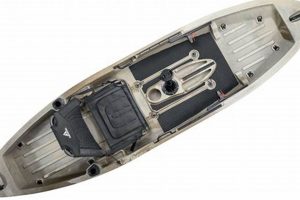
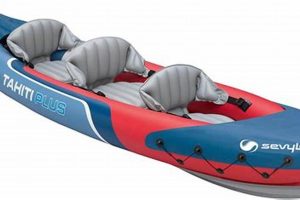
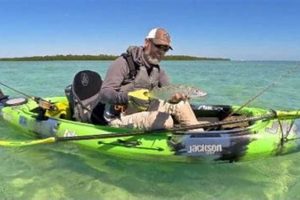
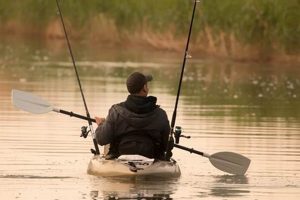
A high-performance watercraft designed specifically for angling, this type of vessel typically features specialized seating, ample storage for gear, and a stable hull conducive to casting and reeling. Examples include integrated rod holders, livewells for keeping bait fresh, and transducer mounts for fish finders. These kayaks prioritize stability and maneuverability in various water conditions, from calm lakes to flowing rivers.
Such specialized vessels offer anglers significant advantages over general-purpose kayaks or other small watercraft. Enhanced stability and specialized features contribute to a more comfortable and productive fishing experience. Historically, fishing kayaks have evolved from basic, open designs to the sophisticated, feature-rich models available today. This evolution reflects the growing popularity of kayak fishing and the demand for equipment that caters to the specific needs of anglers.
This exploration will delve into topics including the selection of appropriate paddles and personal flotation devices, effective fishing techniques from a kayak, and responsible practices for minimizing environmental impact. Additional discussion points will cover maintenance routines, transportation strategies, and recommended safety procedures.
Tips for Enhanced Kayak Fishing
Optimizing angling experiences requires careful consideration of several factors, from vessel preparation to on-the-water techniques.
Tip 1: Pre-Trip Planning: Thorough preparation is crucial. Researching potential fishing locations, checking weather forecasts, and informing someone of the planned itinerary are essential safety precautions.
Tip 2: Balanced Loading: Even weight distribution within the vessel is paramount for stability. Gear should be strategically placed to maintain balance and prevent capsizing, particularly in challenging conditions.
Tip 3: Effective Paddling Techniques: Mastering efficient paddling strokes conserves energy and allows for precise maneuvering, crucial for reaching desired fishing spots and maintaining optimal position.
Tip 4: Anchor Positioning: Strategic anchor placement maximizes fishing opportunities. Understanding water currents and bottom contours helps secure the vessel in the most advantageous location.
Tip 5: Essential Safety Gear: Carrying appropriate safety equipment is non-negotiable. A personal flotation device, signaling devices, and a first-aid kit are minimum requirements for safe angling excursions.
Tip 6: Respectful Angling Practices: Adhering to catch-and-release guidelines and minimizing environmental impact are crucial for preserving fish populations and protecting natural habitats. Proper disposal of fishing line and other waste is essential.
Tip 7: Regular Vessel Maintenance: Routine maintenance ensures optimal performance and longevity. Regular cleaning, inspection, and repair of any damage contribute to safe and efficient operation.
By adhering to these guidelines, anglers can significantly improve their chances of success while prioritizing safety and environmental responsibility.
These tips offer a foundational understanding of effective kayak fishing practices. Subsequent sections will explore advanced techniques and specialized equipment for optimizing performance in diverse environments.
1. Stability

Stability is a paramount consideration in the design and performance of a fishing kayak. A stable platform is essential for casting, reeling, landing fish, and navigating various water conditions safely and effectively. Compromised stability can lead to angler fatigue, diminished casting accuracy, and potentially dangerous situations.
- Hull Design
Hull design significantly influences stability. Wider hulls generally offer greater initial stability, making them ideal for calm waters and stand-up fishing. However, wider hulls may sacrifice maneuverability. Longer, narrower hulls offer superior tracking and speed but can be less stable initially. Specialized hull designs, such as pontoon hulls or multi-hull configurations, maximize stability but may impact maneuverability and speed.
- Center of Gravity
Maintaining a low center of gravity is crucial for stability. Proper weight distribution within the kayak is essential. Gear should be stowed low and evenly distributed to prevent tipping. The angler’s body position also plays a critical role. Sitting low and centered enhances stability, especially in challenging conditions like windy weather or rough water.
- Water Conditions
Water conditions directly impact stability. Calm lakes and slow-moving rivers present fewer stability challenges. However, ocean conditions, strong currents, and windy environments demand heightened attention to balance and weight distribution. Anglers should adapt their techniques and positioning based on prevailing water conditions to maintain stability.
- Secondary Stability
While initial stability is important, secondary stability the resistance to tipping beyond the initial point of lean is crucial for overall safety and confidence. A kayak with good secondary stability will recover more easily from a significant lean, reducing the likelihood of capsizing. This is particularly relevant when landing larger fish or navigating rough waters.
Ultimately, the optimal level of stability depends on the intended fishing environment and the angler’s individual preferences. Understanding the factors that influence stability and how they interact allows anglers to choose a vessel appropriate for their needs and skill level, maximizing both safety and performance on the water.
2. Maneuverability

Maneuverability is a critical attribute of a fishing kayak, directly influencing its effectiveness in various on-water scenarios. Precise and efficient maneuvering enables anglers to access desired fishing locations, navigate complex waterways, and respond effectively to changing conditions. This factor becomes especially crucial in challenging environments such as tight creeks, winding rivers, or areas with heavy vegetation.
- Hull Design
Hull design plays a pivotal role in maneuverability. Shorter kayaks generally turn more quickly, while longer kayaks track more effectively in a straight line. The shape of the hull, particularly the rocker (the curvature from bow to stern), also influences turning performance. A higher rocker facilitates tighter turns, while a lower rocker enhances tracking and speed.
- Rudder Systems
Rudder systems significantly enhance maneuverability, particularly in windy conditions or strong currents. A rudder allows for precise directional control, minimizing the need for corrective paddle strokes. This is particularly beneficial when fishing in open water or covering longer distances.
- Paddle Length and Blade Shape
Paddle length and blade shape impact maneuverability. Shorter paddles offer quicker, more responsive strokes for maneuvering in tight spaces. Longer paddles provide more leverage for powerful strokes and covering greater distances. Blade shape also influences efficiency and control. Asymmetrical blades reduce flutter and provide a smoother, more powerful stroke.
- Water Conditions
Water conditions significantly influence maneuverability. Calm, flat water allows for effortless maneuvering. Currents, wind, and waves can impact tracking and turning performance. Understanding how to adjust paddling techniques and utilize rudder systems effectively is crucial for maintaining control and efficiency in varying conditions.
The interplay of these factors determines a fishing kayak’s overall maneuverability, impacting its suitability for different fishing environments. Careful consideration of these elements allows anglers to select a vessel that aligns with their specific needs and fishing style, optimizing their ability to navigate efficiently and effectively on the water.
3. Storage Capacity

Ample storage capacity is integral to the functionality and effectiveness of a fishing kayak. The ability to transport essential gear, provisions, and catches directly impacts the duration, range, and success of fishing expeditions. Insufficient storage can limit the angler’s ability to carry necessary equipment, impacting safety and comfort, and restricting access to diverse fishing locations. Conversely, well-designed storage solutions enhance organizational efficiency, allowing anglers to focus on the task at hand without the distraction of managing cluttered gear.
Consider a scenario where an angler ventures offshore in pursuit of pelagic species. This necessitates carrying specialized equipment such as heavier tackle, downriggers, and a larger catch cooler. Without adequate storage, accommodating this gear would be impossible, effectively precluding the angler from pursuing this fishing style. Alternatively, an angler targeting bass in a densely vegetated lake system requires space for tackle boxes, lures, and extra rods. Efficiently organized storage compartments within the kayak allow for quick and easy access to necessary gear, maximizing fishing time and effectiveness.
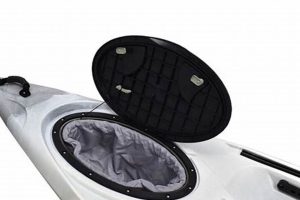
Several types of storage solutions are commonly found in fishing kayaks. These include: watertight hatches for protecting sensitive electronics and personal items; open storage wells with bungee cords for securing larger items like tackle boxes and coolers; and specialized compartments designed for specific gear such as rods, paddles, and anchors. The location, accessibility, and security of these storage areas are critical factors to consider when evaluating a fishing kayak. For instance, readily accessible storage within arm’s reach is essential for frequently used items, while secure, watertight compartments are crucial for protecting valuable electronics. Understanding the interplay between storage capacity, organization, and accessibility allows anglers to select a vessel that effectively supports their specific fishing style and logistical needs.
4. Specialized Features
Specialized features distinguish a purpose-built fishing kayak from recreational models, significantly enhancing angling effectiveness and overall experience. These features directly address the unique demands of fishing, offering practical solutions for gear management, fish handling, and on-water comfort. Consider rod holders: strategically placed flush-mounted or adjustable rod holders allow anglers to troll multiple lines or keep rods readily accessible while managing other tasks. This contrasts sharply with a recreational kayak where rods would need to be laid across the deck, increasing the risk of damage or entanglement. Similarly, integrated livewells provide a dedicated space to keep bait fish alive and fresh, a critical advantage over improvised containers or buckets. The presence of these specialized features transforms a standard kayak into a dedicated fishing platform.
Further enhancing functionality are features like transducer scuppers and mounting plates designed for fish finders. These integrated systems simplify transducer installation and cable management, eliminating the need for DIY solutions that can compromise hull integrity or create clutter. Tracks and mounting points for accessories like cameras, GPS units, and lighting systems offer further customization, enabling anglers to tailor their vessel to specific needs and fishing styles. Consider a kayak configured for night fishing: integrated lighting systems powered by onboard batteries provide essential illumination, while specialized rod holders accommodate glow sticks for enhanced visibility of lines in low-light conditions. This level of specialization is impractical to achieve with a recreational kayak.
Understanding the practical significance of these specialized features is essential for evaluating fishing kayaks and maximizing on-water effectiveness. While a basic kayak can be adapted for fishing, purpose-built features streamline essential tasks and enhance the overall angling experience. This translates to increased efficiency in gear management, improved fish handling, and enhanced comfort and safety, ultimately contributing to a more productive and enjoyable fishing experience. Evaluating the specific features offered by different models allows anglers to select a kayak that aligns with their individual fishing style and target species, whether it’s trolling for offshore gamefish or casting lures in shallow freshwater environments.
5. Comfort and Ergonomics

Comfort and ergonomics are critical factors influencing performance and enjoyment in a fishing kayak. Extended periods on the water, often in demanding conditions, necessitate a design that prioritizes angler well-being and reduces fatigue. A comfortable and ergonomically sound kayak allows for sustained focus on fishing, maximizing effectiveness and enjoyment. Discomfort, conversely, can detract from the experience, limiting fishing time and potentially leading to physical strain or injury. Understanding the interplay between kayak design, individual physique, and on-water conditions is crucial for optimizing comfort and ergonomics.
- Seating System
The seating system plays a pivotal role in overall comfort. Adjustable seating allows anglers to customize the position for optimal support and posture. High-quality padding and breathable materials enhance comfort during extended outings, particularly in warm weather. Features like adjustable backrests and lumbar support further contribute to proper posture and reduced fatigue. A well-designed seating system allows anglers to maintain focus and comfort throughout the day, maximizing fishing time and enjoyment.
- Footrests and Leg Positioning
Proper leg positioning and support are essential for comfort and stability. Adjustable footrests or foot braces accommodate varying leg lengths and allow for a secure and balanced paddling position. This is particularly important for maintaining efficient paddling strokes and preventing leg cramps or fatigue during long periods on the water. Effective leg support also enhances overall stability, contributing to a safer and more confident fishing experience.
- Deck Layout and Accessibility
A well-designed deck layout enhances efficiency and reduces strain. Strategically placed storage compartments, rod holders, and other accessories minimize the need for excessive reaching or bending, reducing fatigue and improving overall comfort. Easy access to essential gear and equipment allows anglers to focus on fishing rather than managing clutter or searching for misplaced items. A streamlined and organized deck layout contributes to a more efficient and enjoyable fishing experience.
- Paddle Ergonomics
Paddle ergonomics are crucial for preventing fatigue and potential injuries. Proper paddle length and blade shape are essential for efficient paddling strokes and minimizing strain on wrists, elbows, and shoulders. Lightweight paddles with comfortable grips further reduce fatigue, especially during extended paddling sessions. Investing in a high-quality, ergonomically designed paddle contributes to a more enjoyable and injury-free paddling experience.
These interconnected elements contribute significantly to the overall comfort and ergonomic performance of a fishing kayak. Prioritizing these aspects allows anglers to focus on the enjoyment and challenges of fishing, maximizing both performance and time on the water. The right combination of seating, footrests, deck layout, and paddle ergonomics creates a personalized and supportive platform tailored to individual needs and preferences. This translates to reduced fatigue, enhanced comfort, and a more productive and enjoyable fishing experience.
Frequently Asked Questions
This section addresses common inquiries regarding specialized fishing kayaks, providing concise and informative responses to assist in informed decision-making.
Question 1: How does hull design influence performance in various water conditions?
Hull design significantly impacts stability and maneuverability. Wider hulls offer increased stability, suitable for calm waters, while narrower hulls excel in tracking and speed, ideal for open water or currents. Specialized designs like pontoon hulls maximize stability but might compromise maneuverability. The optimal hull design depends on the intended fishing environment.
Question 2: What are the key advantages of a rudder system?
Rudder systems enhance maneuverability, particularly in challenging conditions like wind or current. They provide precise directional control, reducing the need for constant corrective paddling, and are particularly beneficial in open water or when navigating tight waterways.
Question 3: How does storage capacity impact fishing expeditions?
Ample storage facilitates longer trips and diverse fishing styles. Sufficient storage allows for carrying essential gear, safety equipment, and provisions, expanding the range and duration of fishing excursions. Specialized compartments enhance organization and accessibility, optimizing efficiency on the water.
Question 4: What are the benefits of specialized features like rod holders and livewells?
Specialized features enhance fishing efficiency and convenience. Rod holders secure rods, freeing hands for other tasks and preventing loss or damage. Livewells maintain bait freshness, crucial for effective fishing. These features optimize the kayak’s functionality as a dedicated fishing platform.
Question 5: How do comfort and ergonomics influence on-water performance?
Comfort and ergonomic design are crucial for sustained focus and reduced fatigue during long hours on the water. Adjustable seating, footrests, and a well-designed deck layout contribute to proper posture and minimize strain. Enhanced comfort allows anglers to concentrate on fishing, maximizing enjoyment and effectiveness.
Question 6: How does one choose the right fishing kayak for individual needs?
Selecting the right kayak requires careful consideration of individual fishing style, target species, and typical water conditions. Factors such as hull design, storage capacity, specialized features, and comfort should align with specific needs and preferences. Researching various models and seeking expert advice can assist in informed decision-making.
Understanding these key aspects of specialized fishing kayaks empowers informed choices aligned with individual angling needs and preferences. Careful consideration of these elements ensures a vessel optimized for performance, comfort, and safety on the water.
The following sections will explore specific kayak models and offer comparative analyses to further guide selection.
Conclusion
This exploration has highlighted the multifaceted nature of selecting and utilizing a high-performance fishing kayak. Key factors influencing performance, such as hull design, maneuverability, storage capacity, specialized features, and comfort/ergonomics, have been examined in detail. Understanding the interplay of these elements is crucial for maximizing on-water effectiveness, safety, and enjoyment. An informed selection process, considering individual fishing styles and target environments, leads to a vessel optimized for specific needs.
The evolution of fishing kayak design continues to refine the angling experience. As technology advances and angler demands evolve, further innovation in materials, features, and customization options is anticipated. Choosing a vessel tailored to individual needs and aspirations unlocks the full potential of kayak fishing, fostering deeper connections with the aquatic environment and enhancing the pursuit of angling success.